
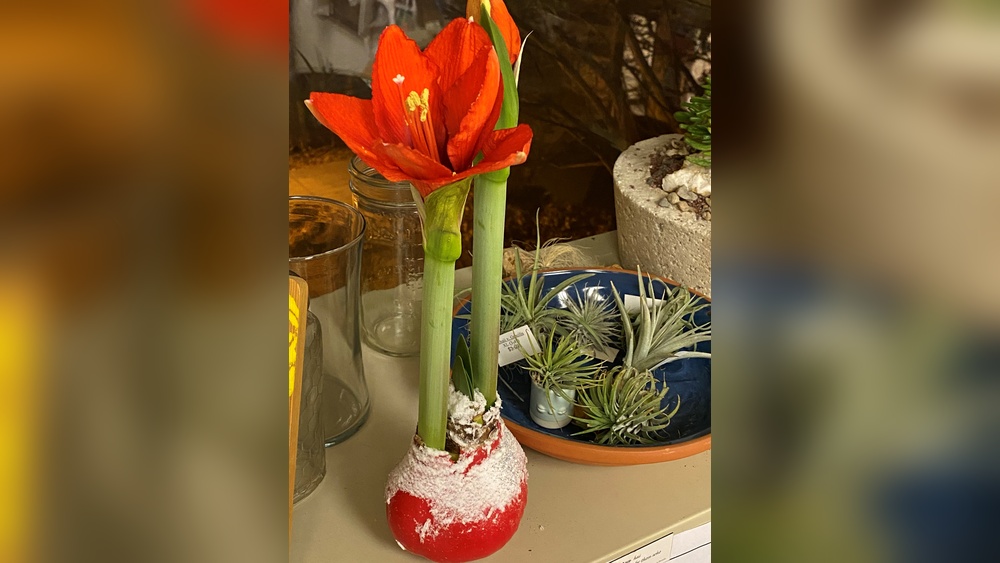
If you have a Wax Bulb Amaryllis, you already know it’s a stunning plant that adds bright color and charm to any room. But to keep your amaryllis blooming beautifully year after year, you need to give it the right care.
Are you wondering how to water it, where to place it, or when to expect those gorgeous flowers? You’re in the right place. This guide will walk you through simple steps to help your Wax Bulb Amaryllis thrive. By the end, you’ll feel confident and excited to watch your plant grow.
Let’s get started!
Choosing The Right Wax Bulb Amaryllis
Starting with the right bulb sets the stage for beautiful blooms. Wax bulb Amaryllis need healthy, strong bulbs to grow well. Picking the best bulb helps you avoid problems later. Each bulb holds the promise of vibrant flowers. Taking time to select carefully brings great rewards.
Knowing which varieties suit your skill level also makes a big difference. Some types bloom easily, perfect for beginners. Others need more care but offer unique colors and shapes. Understanding these options helps you pick a bulb that fits your needs and environment.
Selecting Healthy Bulbs
Choose bulbs that feel firm and heavy for their size. Soft or shriveled bulbs might be old or damaged. Look for bulbs with no signs of mold or dark spots. The skin should be dry and intact. A healthy bulb has a fresh smell, not musty or rotten. Avoid bulbs with cracks or cuts on the surface. These can let diseases enter and harm growth.
Best Varieties For Beginners
For new growers, pick varieties known for easy care. The ‘Red Lion’ variety is popular and blooms quickly. ‘Apple Blossom’ shows soft pink flowers and needs little fuss. Another good choice is ‘Nymph,’ which has pure white blooms. These types tolerate indoor conditions well. They give bright flowers with less effort.
Planting Your Amaryllis
Planting your wax bulb amaryllis correctly starts a healthy growth cycle. This plant needs the right soil and pot to thrive. Proper planting depth is also important to help the bulb grow strong roots and beautiful flowers.
Ideal Soil And Pot Selection
Choose soil that drains well. A mix of potting soil and sand works well. Avoid heavy soils that hold too much water. Clay pots are best because they allow air to reach the roots. Make sure the pot has drainage holes. This prevents water from sitting at the bottom and causing rot.
Proper Planting Depth
Plant the bulb with its top third above the soil. Do not bury it completely. The top part should stay visible. This helps the bulb get enough air and prevents it from rotting. Keep the soil firm around the bulb to support it. Water lightly after planting to settle the soil.
Watering Techniques
Watering wax bulb amaryllis is key to keep the plant healthy and blooming. Too much or too little water can cause problems. Understanding the right watering techniques helps your amaryllis thrive. Pay attention to how often and how much water you give. Watch the plant closely for signs it needs water or has too much.
Frequency And Amount
Water the amaryllis sparingly at first. Wait until the top inch of soil feels dry. Then water enough to moisten the soil. Avoid soaking the bulb directly. Watering once every 7 to 10 days usually works well. During active growth, increase watering slightly. Reduce watering when the plant rests. Use room temperature water to avoid shock.
Signs Of Overwatering And Underwatering
Overwatered amaryllis shows yellowing leaves and soft bulbs. The soil stays wet for too long. Roots may rot and the plant wilts. Underwatered plants have dry, shriveled leaves. The soil pulls away from the pot edges. Flowers may fail to open or drop early. Watch carefully to catch these signs early. Adjust watering to keep your plant happy.

Credit: www.jacksonandperkins.com
Light Requirements
Wax bulb amaryllis thrives with the right light. Light helps the plant grow strong and bloom beautifully. Too little light makes the leaves weak. Too much light can burn the leaves. Finding the right balance is key for a healthy plant.
Optimal Sunlight Exposure
Place the wax bulb amaryllis where it gets bright, indirect sunlight. Morning sun is best because it is gentle. Avoid harsh afternoon sun that can scorch the leaves. About 6 hours of light each day helps the plant bloom well. A spot near an east-facing window works well.
Indoor Lighting Tips
Indoor lighting should mimic natural light as much as possible. Use a bright window or a grow light for extra brightness. Keep the plant at least 12 inches from the light source. Rotate the plant every few days so all sides get light. This prevents the plant from leaning toward the light.
Temperature And Humidity
Temperature and humidity play a key role in growing healthy wax bulb amaryllis plants. These factors affect the plant’s growth and blooming cycle. Keeping the right environment helps the plant stay strong and vibrant.
Maintaining Ideal Conditions
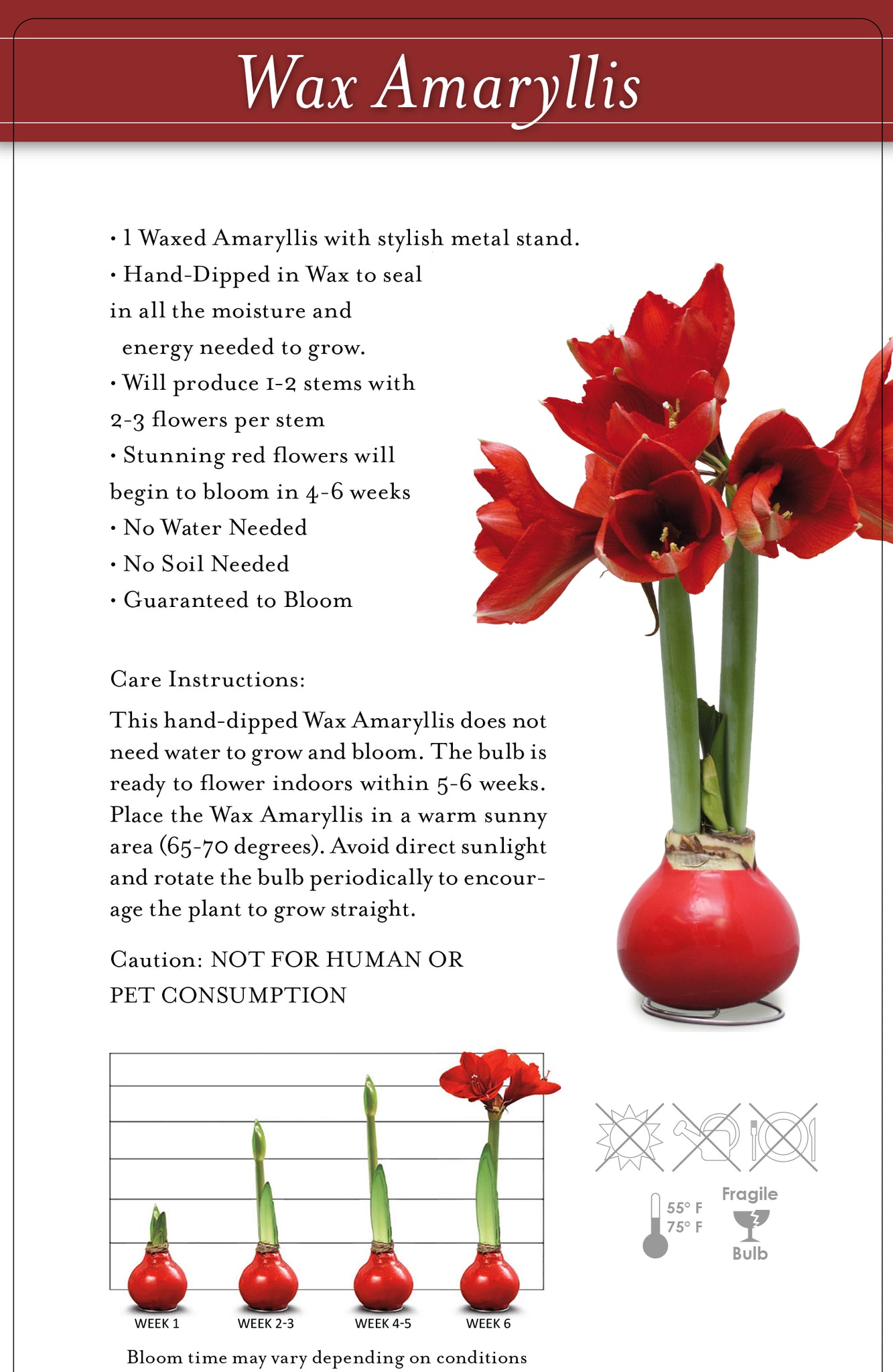
Wax bulb amaryllis thrives in moderate temperatures. Aim for 60 to 75 degrees Fahrenheit. Avoid very hot or cold spots. The plant prefers humidity levels around 40% to 60%. Too dry air can cause leaf tips to brown. Use a humidifier or place a water tray nearby to raise humidity.
Handling Temperature Fluctuations
Sudden temperature changes can stress the plant. Avoid placing it near drafts or heating vents. Night temperatures should not drop below 50 degrees Fahrenheit. During winter, keep the plant away from cold windows. Stable temperature helps the wax bulb amaryllis bloom well and stay healthy.
Credit: hollandbeauty.com
Feeding And Fertilizing
Feeding and fertilizing Wax Bulb Amaryllis is key to healthy growth and bright blooms. Proper nutrients help the plant build strong roots and vibrant flowers. Without feeding, the plant may become weak or fail to bloom well.
Understanding the right fertilizer and feeding schedule keeps your Amaryllis thriving longer. It also prevents overfeeding, which can harm the plant. Let’s explore how to choose the best fertilizer and when to feed your Wax Bulb Amaryllis.
Choosing The Right Fertilizer
Select a balanced fertilizer with equal parts nitrogen, phosphorus, and potassium. A 10-10-10 or 20-20-20 formula works well. These nutrients support leaf growth, root strength, and flower production.
Use a water-soluble fertilizer for easy absorption. This type spreads evenly and reaches the roots quickly. Avoid fertilizers high in nitrogen only, as they cause more leaves but fewer flowers.
Feeding Schedule For Blooming
Feed your Wax Bulb Amaryllis every two weeks during the growing season. Start feeding when new shoots appear. Stop feeding once the flowers start to fade.
Reduce watering slightly as the plant finishes blooming. This helps the bulb rest and prepare for the next cycle. Regular feeding keeps the blooms bright and healthy.
Encouraging Blooming
Encouraging blooming in your wax bulb amaryllis takes patience and care. These plants need the right conditions to grow strong flowers. Understanding how to support their growth and manage resting phases helps you enjoy beautiful blooms year after year.
Stimulating Flower Growth
Place your amaryllis in a bright spot with indirect sunlight. This light helps the bulb produce energy for flowers. Keep the soil moist but not soggy to avoid root problems. Fertilize every two weeks with a balanced plant food to feed the bulb. Warm temperatures around 70°F (21°C) encourage faster growth. Rotate the pot often to keep the stem straight. Remove old flowers to direct energy toward new blooms.
Dealing With Dormancy Periods
After blooming, the amaryllis needs rest to bloom again. Stop watering when leaves start to yellow. Move the pot to a cool, dark place for 8-10 weeks. This dormancy helps the bulb store energy for the next cycle. Check the soil and water lightly if it feels very dry. After rest, bring the plant back to light and water. New growth will signal the start of the blooming phase again.
Pest And Disease Management
Managing pests and diseases is important for healthy Wax Bulb Amaryllis plants. These problems can weaken the plant and stop it from blooming well. Regular checks and quick action can keep your Amaryllis strong and beautiful.
Common Pests To Watch
Spider mites often attack Wax Bulb Amaryllis. They cause tiny spots on leaves and make them look dusty. Aphids can cluster on new growth and flower buds. These pests suck the plant’s juice, making leaves curl and yellow. Mealybugs appear as white, cotton-like spots. They feed on sap and leave sticky residue.
Check leaves, stems, and flower buds weekly. Early detection helps stop pests fast. Use a soft cloth or water spray to remove pests. In severe cases, insecticidal soap works well and is safe for the plant.
Preventing And Treating Diseases
Overwatering causes root rot and fungal diseases. Always let the soil dry a bit before watering again. Good air flow around the plant lowers chances of mold and mildew. Remove dead leaves and flowers to prevent disease spread.
Yellow or soft spots on leaves may signal disease. Use a fungicide if you see these signs. Avoid wetting leaves during watering to reduce disease risk. Healthy plants resist disease better. Keep your Amaryllis in bright, indirect light and avoid cold drafts.
Post-bloom Care
After the Wax Bulb Amaryllis finishes blooming, proper care helps it stay healthy. Post-bloom care supports the bulb’s strength for the next flowering season. It involves removing dead parts and preparing the plant for rest. These steps ensure your Amaryllis will bloom again beautifully.
Pruning And Deadheading
Cut off the spent flowers as soon as they fade. This stops the plant from using energy on seed production. Remove any yellow or dead leaves carefully. Leave the green leaves to keep growing. They feed the bulb and build energy for next year.
Preparing For The Next Season
Keep watering the plant moderately while leaves are green. Give the bulb plenty of sunlight for strong growth. After leaves turn yellow, reduce watering gradually. Let the bulb rest in a cool, dry place for 8 to 12 weeks. This rest helps the bulb prepare for new blooms.
Troubleshooting Common Problems
Wax Bulb Amaryllis is a beautiful plant, but it needs care. Sometimes, problems happen. Knowing how to fix these problems helps your plant stay healthy. The most common issues include yellowing leaves and poor flower development. Each problem has a simple cause and solution.
Yellowing Leaves
Yellow leaves often mean too much water. The bulbs do not like wet soil all the time. Let the soil dry before watering again. Too little light can also cause yellow leaves. Place your plant near a bright window. Check for pests like spider mites. Clean the leaves gently if you see any bugs. Remove any yellow leaves to help new growth.
Poor Flower Development
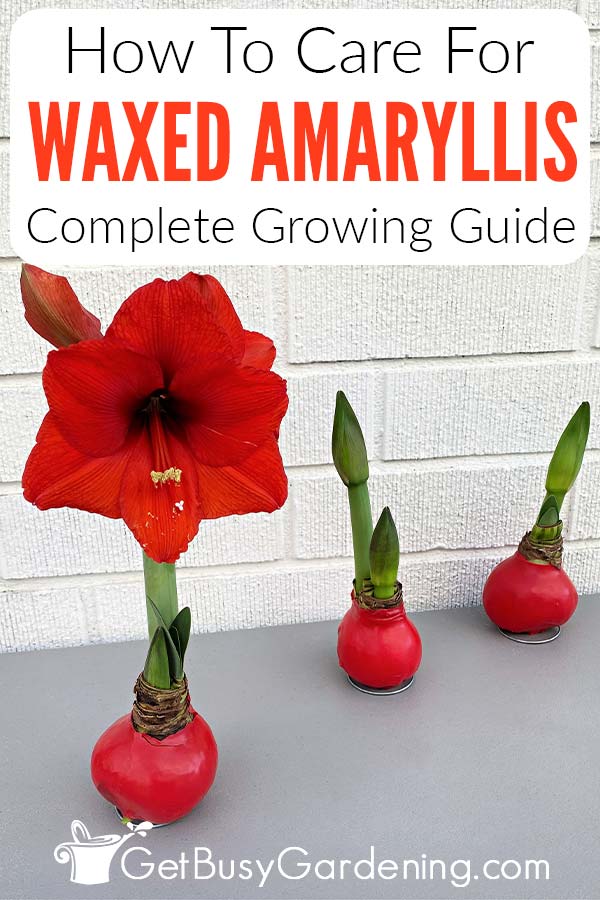
Wax Bulb Amaryllis needs enough sunlight to bloom well. At least six hours of light is best. Lack of nutrients can stop flowers from growing. Use a balanced fertilizer every few weeks. Avoid high nitrogen fertilizers because they make leaves grow more than flowers. Keep the plant in a warm spot, not too cold or hot. Proper care leads to strong, beautiful blooms.
Credit: getbusygardening.com
Frequently Asked Questions
How Often Should I Water Wax Bulb Amaryllis?
Water Wax Bulb Amaryllis sparingly, about once a week. Ensure soil is dry between watering. Overwatering causes bulb rot. Adjust frequency based on indoor humidity and temperature.
What Is The Best Light For Wax Bulb Amaryllis?
Place Wax Bulb Amaryllis in bright, indirect sunlight. Avoid direct harsh sun to prevent leaf burn. A north or east-facing window is ideal for healthy growth.
When Should I Fertilize Wax Bulb Amaryllis?
Fertilize Wax Bulb Amaryllis monthly during active growth. Use a balanced, water-soluble fertilizer diluted to half strength. Stop fertilizing once flowering ends to encourage bulb rest.
How Do I Encourage Wax Bulb Amaryllis To Bloom?
Provide bright light, moderate water, and cooler temperatures after flowering. Allow the bulb to rest for 8-10 weeks. Resume watering and feeding to trigger blooming again.
Conclusion
Caring for wax bulb amaryllis is simple and rewarding. Give it bright light and water sparingly. Keep the soil moist but not wet. Avoid cold drafts and extreme heat. Watch for signs of pests or disease. With regular care, your plant will bloom beautifully.
Enjoy its vibrant flowers in your home. A little attention brings great results. Try these tips to keep your amaryllis healthy and bright.


