If you have a wax-covered amaryllis, you already know how stunning these flowers can be. Their vibrant colors and glossy petals make any space feel alive and elegant.
But keeping your wax-covered amaryllis looking fresh and beautiful takes a little care. You might wonder how to water it without ruining the wax or what kind of light it needs. Don’t worry—this guide will show you simple, effective ways to care for your amaryllis so it stays healthy and eye-catching for weeks.
Ready to make your flower thrive? Let’s dive in!
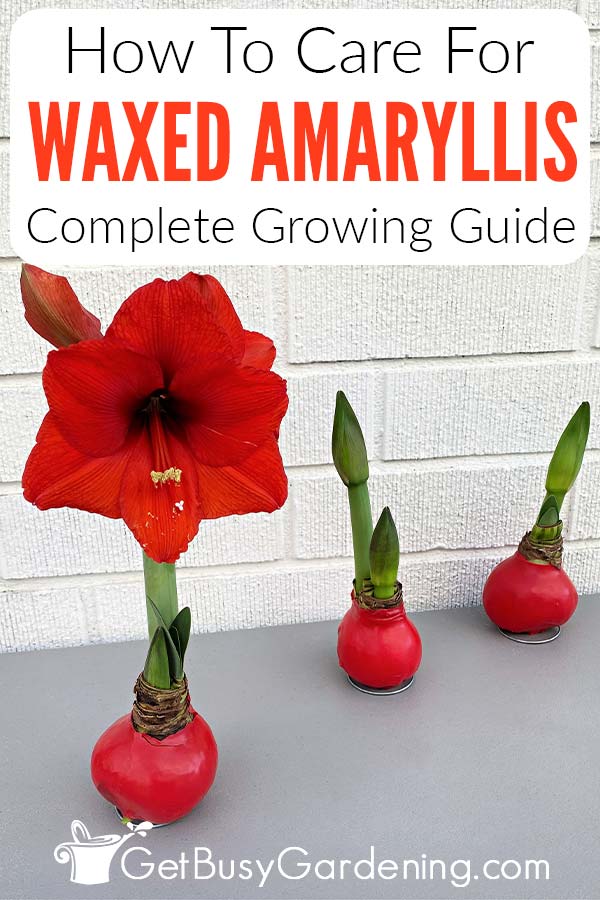
Credit: getbusygardening.com
Choosing The Right Wax Covered Amaryllis
Choosing the right wax covered amaryllis is key to a beautiful and lasting display. The quality of the bulb and the variety you pick affect how well the wax protects the flower. This section guides you through selecting the best wax covered amaryllis for your home or garden.
Selecting Healthy Bulbs
Start by checking the bulb’s firmness. A healthy bulb feels solid and heavy for its size. Avoid bulbs with soft spots or visible mold. These signs indicate poor health and weak flowers.
Look for bulbs that have a smooth, clean surface. Avoid those with cuts or bruises. Healthy bulbs grow strong stems and vibrant blooms. Fresh bulbs ensure the wax coating stays intact longer.
Best Varieties For Wax Covering
Some amaryllis varieties respond better to wax covering. Choose varieties with large, thick petals. These petals hold wax well and resist damage.
Popular choices include ‘Red Lion,’ ‘Apple Blossom,’ and ‘Christmas Gift.’ These have sturdy blooms and vivid colors. They look stunning under a wax coat and last longer on display.

Credit: www.jacksonandperkins.com
Planting Your Amaryllis
Planting your wax covered amaryllis correctly is the first step to a healthy, beautiful plant. Proper planting helps the bulb grow strong roots and vibrant flowers. Choosing the right soil and pot matters a lot. These details affect how well your amaryllis will thrive indoors.
Ideal Soil And Potting Mix
Use a loose, well-draining soil mix for your amaryllis. A mix of potting soil with sand or perlite works great. This helps water drain quickly and prevents root rot. Avoid heavy soils that hold too much water. Your amaryllis bulb needs air around its roots to grow well.
Proper Pot Size And Drainage
Choose a pot that is about 1 to 2 inches wider than the bulb. The pot should be deep enough for the roots to spread out. Make sure the pot has drainage holes at the bottom. This allows excess water to escape. Good drainage keeps the bulb from sitting in water and rotting.
Watering Techniques
Watering wax covered amaryllis requires gentle care. Proper watering helps the plant stay healthy and bloom beautifully. Too much or too little water can harm the plant.
Understanding the right watering techniques ensures your amaryllis thrives indoors or outdoors.
Watering Frequency
Water your wax covered amaryllis once the top inch of soil feels dry. Usually, this means watering every 7 to 10 days. During warmer months, water more often. In winter, reduce watering to avoid soggy soil. Use room temperature water for the best results.
Signs Of Overwatering And Underwatering
Overwatered amaryllis leaves turn yellow and feel soft. The soil stays wet for too long. Roots may start to rot.
Underwatered plants show dry, brown leaf tips. Leaves look wilted and crispy. The soil pulls away from the pot edges.
Check soil moisture regularly to keep your plant healthy.
Light Requirements
Wax covered amaryllis plants need the right light to grow strong and bloom beautifully. Light helps the plant make food and stay healthy. Too much or too little light can harm the plant’s growth. Understanding the light needs helps keep your amaryllis vibrant and full of flowers.
Optimal Lighting Conditions
Place your wax covered amaryllis in bright, indirect light. Direct sunlight can burn its leaves and flowers. A spot near a window with filtered light works well. About 6 hours of light daily helps the plant thrive. Avoid dark corners or places with very low light.
Adjusting Light For Blooming
When buds start to form, increase light exposure slightly. More light encourages the flowers to open fully. Move the plant closer to the window but keep it out of harsh sun. After blooming, reduce light to help the plant rest. Changing light levels supports healthy blooming cycles.
Temperature And Humidity
Temperature and humidity play a big role in the health of wax covered amaryllis. These plants need specific conditions to grow well. Too much heat or dry air can harm the flowers and leaves. Understanding the right temperature and humidity helps the plant stay strong and bloom beautifully.
Maintaining Ideal Temperature
Wax covered amaryllis grows best in temperatures between 60°F and 75°F. Avoid placing the plant near cold drafts or hot vents. Sudden temperature changes can stress the plant and slow growth. Keep the plant in a steady, warm place for best results.
Humidity Levels For Healthy Growth
Amaryllis enjoys moderate humidity, around 40% to 60%. Dry air can cause leaf tips to brown and flowers to wilt. Use a humidifier or place a tray of water near the plant to raise humidity. This helps keep the plant’s leaves smooth and flowers fresh.

Credit: www.youtube.com
Fertilizing Tips
Fertilizing wax covered amaryllis helps keep the plant healthy and vibrant. Proper feeding supports strong blooms and lush foliage. Feeding at the right time and with the right fertilizer makes a big difference. Below are some tips to guide you through fertilizing your amaryllis.
Choosing The Right Fertilizer
Select a balanced fertilizer with equal parts nitrogen, phosphorus, and potassium. A 10-10-10 or 20-20-20 fertilizer works well. Look for water-soluble types for easy absorption. Avoid fertilizers high in nitrogen only, as they can cause more leaves but fewer flowers. Organic options like compost or fish emulsion also nourish the plant gently.
Feeding Schedule
Feed your wax covered amaryllis every 2 to 4 weeks during the growing season. Start feeding when new growth appears in spring. Stop feeding once the plant enters dormancy. Use half the recommended dose to avoid fertilizer burn. Water the soil before applying fertilizer to protect the roots.
Managing Pests And Diseases
Managing pests and diseases is key to keeping wax covered amaryllis healthy. These plants can attract bugs and face infections. Early care stops problems from growing. Regular checks help catch issues fast. Treating pests and diseases early keeps your amaryllis vibrant and strong.
Common Pests Affecting Amaryllis
Amaryllis plants often face aphids, spider mites, and mealybugs. Aphids are small, soft bugs that suck plant sap. Spider mites are tiny and cause leaves to look speckled. Mealybugs appear as white cottony spots on stems and leaves. These pests damage leaves and flowers. They can slow plant growth or cause wilting.
Preventive Measures And Treatments
Keep your amaryllis clean by wiping leaves gently with a damp cloth. Avoid overwatering to stop fungal diseases. Use insecticidal soap or neem oil to treat pests. Spray affected areas thoroughly but avoid soaking the plant. Remove heavily infested parts to stop spread. Keep plants in good light and air circulation. Healthy plants resist pests and diseases better.
Post-bloom Care
After your wax covered amaryllis finishes blooming, proper care ensures strong growth next season. Post-bloom care helps the bulb rest and recharge. This stage is vital for healthy flowers later.
Follow simple steps to help your plant enter dormancy. Then prepare it carefully for the next bloom cycle. These actions support the bulb’s long-term health.
Encouraging Dormancy
Cut off the flower stalk after blooms fade. Leave the leaves intact to gather sunlight. This feeds the bulb and builds energy.
Reduce watering gradually as leaves turn yellow. Stop watering completely once leaves die back. Keep the bulb dry and cool.
Place the pot in a dark, cool spot for 8–12 weeks. Temperatures between 50–55°F (10–13°C) work well. This rest period helps the bulb prepare for new growth.
Preparing For Next Season
After dormancy, move the bulb to a warmer spot. Resume watering lightly to encourage new shoots. Use balanced, water-soluble fertilizer every 2 weeks.
Keep the plant in bright, indirect light. Avoid direct sun that can burn young leaves. Repot if the bulb outgrows its container.
Watch for new growth as a sign to increase care. Regular watering and feeding support strong flower development. Soon, your amaryllis will bloom again beautifully.
Frequently Asked Questions
How Do I Water A Wax Covered Amaryllis?
Water the wax covered amaryllis sparingly. Keep soil moist but not soggy. Avoid overwatering to prevent root rot. Water only when the top inch of soil feels dry.
What Lighting Is Best For Wax Covered Amaryllis?
Place wax covered amaryllis in bright, indirect sunlight. Avoid direct sun which can fade wax coating. Bright light encourages healthy growth and vibrant blooms.
How Often Should I Fertilize Wax Covered Amaryllis?
Fertilize every 4-6 weeks during growing season. Use a balanced, water-soluble fertilizer diluted to half strength. Stop fertilizing during dormancy to avoid overfeeding.
Can Wax Covered Amaryllis Bloom Indoors?
Yes, wax covered amaryllis can bloom indoors. Provide proper light, water, and temperature. Indoor blooms typically last 2-3 weeks with good care.
Conclusion
Caring for wax-covered amaryllis is simple with the right steps. Keep the plant in a bright, warm spot away from direct sunlight. Water it sparingly to avoid root rot. Gently clean the wax to keep the flowers looking fresh longer.
Watch for any signs of pests or disease. With regular care, your amaryllis will stay beautiful and healthy. Enjoy the lovely blooms and the touch of elegance they bring to your space. Small efforts make a big difference for your plant’s life.