

Your dog just had eye surgery, and now you’re wondering how to give them the best care possible. It’s natural to feel a bit overwhelmed—your furry friend depends on you to help them heal safely and comfortably.
The good news is, with the right steps, you can make this recovery period smooth and stress-free for both of you. You’ll discover simple, clear tips that will guide you through every stage of your dog’s healing process. Keep reading to learn how to protect your dog’s eyes, manage their pain, and spot any warning signs early.
Your dog’s health and happiness are in your hands, and you’re about to become their greatest helper.
Credit: www.pdsa.org.uk
Preparing For Recovery
Preparing for your dog’s recovery after eye surgery is very important. The right setup helps your dog heal faster. It keeps your dog calm and safe during this sensitive time.
Planning ahead makes the healing process smoother. You will need to create a quiet, comfortable place. Also, gather all the supplies your dog will need. This way, you can focus on care without stress.
Setting Up A Comfortable Space
Choose a quiet spot in your home for your dog’s rest. It should be away from loud noises and busy areas. A soft bed or blanket will keep your dog cozy. Make sure the space is clean and free of dust.
Keep the area warm but not too hot. Avoid direct sunlight on the resting spot. Your dog needs a calm place to relax and avoid stress. This helps reduce swelling and speeds healing.
Gathering Necessary Supplies
Prepare all supplies before your dog comes home. Have the medications ready as prescribed by the vet. Keep eye drops or ointments within easy reach. Use an Elizabethan collar if recommended to stop scratching.
Stock up on clean towels and cotton balls for gentle cleaning. Have fresh water and food bowls nearby. Make sure to follow the vet’s instructions for feeding and medicine times. Being ready helps you give better care.
Credit: anicira.org
Managing Pain And Medication
After your dog’s eye surgery, managing pain and medication is very important. Proper care helps your dog heal faster. It also keeps your dog comfortable and safe. Pay close attention to the medicine schedule and watch for any changes in behavior.
Giving the right medicine at the right time reduces pain and prevents infection. Knowing the signs of side effects helps you act quickly. This keeps your dog healthy during recovery.
Administering Prescribed Medications
Follow the vet’s instructions carefully for all medicines. Use eye drops and pills exactly as directed. Do not skip doses or stop medicine early. Give medicine in a calm, quiet place.
Hold your dog gently but firmly. Use treats to make the process easier. Clean your hands before and after giving medicine. Keep medicines out of your dog’s reach when not in use.
Recognizing Side Effects
Watch your dog closely after giving medicine. Look for signs like swelling, redness, or discharge in the eyes. Notice if your dog scratches or rubs the eye a lot.
Other signs include vomiting, diarrhea, or unusual tiredness. Call your vet right away if you see any of these. Early action prevents problems from getting worse.
Protecting The Eye
Protecting your dog’s eye after surgery is very important. The eye is delicate and needs time to heal. Any bump or scratch can cause pain or infection. Careful protection helps your dog recover faster. It also stops problems from getting worse. You must keep the eye safe and clean every day.
Using Elizabethan Collars
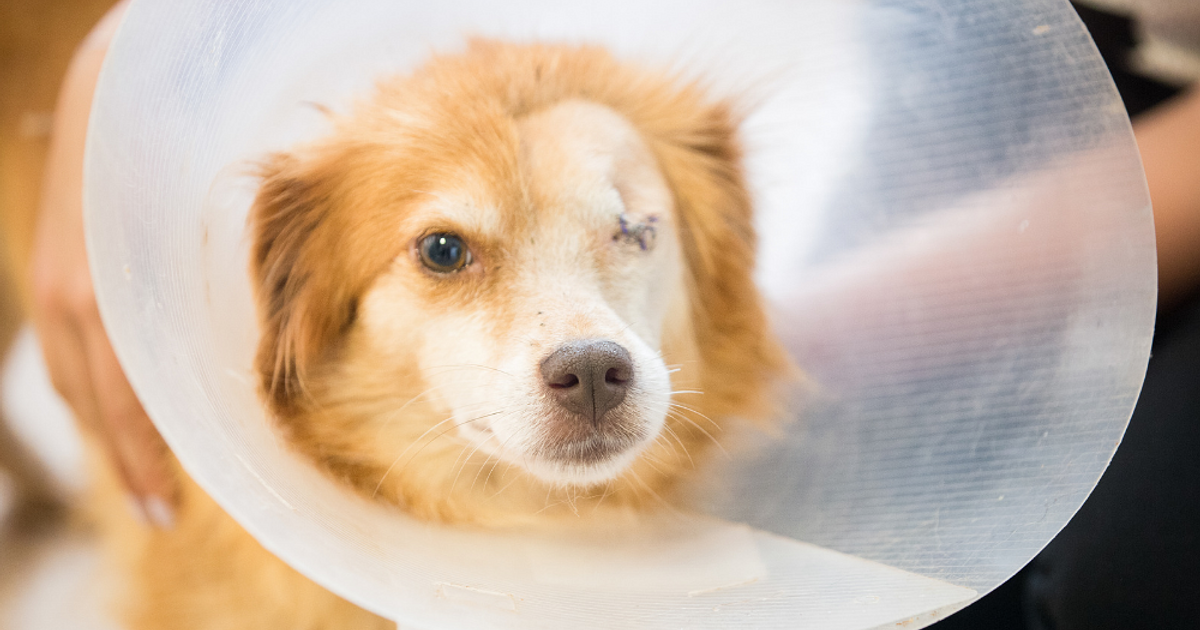
Elizabethan collars, or e-collars, stop dogs from touching their eyes. These collars fit around the neck like a cone. They block the dog’s face from reaching the eye. This prevents scratching or rubbing. E-collars come in many sizes and shapes. Use one that fits your dog well. Check it often to keep it clean and secure. Do not remove the collar until the vet says it is safe.
Preventing Rubbing Or Scratching
Dogs may try to rub or scratch the eye after surgery. This can hurt the healing tissue. Watch your dog closely to stop this behavior. You can gently redirect their attention with toys or treats. Keep their nails trimmed to reduce damage if scratching happens. Avoid letting your dog play rough or near sharp objects. Create a calm space for your dog to rest. This helps reduce stress and the urge to touch the eye.
Monitoring Healing Progress
Monitoring your dog’s healing after eye surgery is very important. Careful observation helps catch problems early. It also supports a smooth recovery. Watch your dog closely every day. Note any changes in behavior or appearance. Small signs can show how well healing goes.
Checking For Signs Of Infection
Look for redness or swelling around the eye. Discharge that is yellow or green is a warning. It may mean infection. Your dog might scratch or rub the eye often. This can irritate the wound. Also, watch for bad smells near the eye. Fever or lethargy can signal infection too. Call the vet if you see these signs. Early treatment prevents serious problems.
Tracking Changes In Vision
Notice if your dog bumps into objects or seems confused. Squinting or blinking more than usual may mean discomfort. Watch how your dog reacts to light. Sudden sensitivity or reluctance to open the eye needs attention. Keep a daily log of any changes. This helps the vet understand progress. Vision may improve slowly. Patience is key during recovery.
Adjusting Diet And Activity
After your dog’s eye surgery, changing diet and activity helps healing. Proper food supports recovery and keeps your dog strong. Activity needs control to avoid stress on the eyes. Both diet and movement affect healing speed and comfort.
Providing Nutritious Meals
Feed your dog fresh, healthy food. Include lean proteins like chicken or fish. These help rebuild tissues and fight infections. Add vegetables such as carrots or green beans for vitamins. Avoid salty or sugary treats that slow healing. Fresh water must always be available. Small, frequent meals are easier to digest and keep energy steady. Consult your vet about supplements that support eye health.
Limiting Physical Activity
Keep your dog calm and quiet after surgery. Avoid running, jumping, or rough play. These actions can strain the eyes and delay healing. Use a leash during bathroom breaks to control movement. Create a safe, cozy space for rest. Short, slow walks help prevent boredom without risk. Watch your dog closely for signs of discomfort or rubbing. Follow your vet’s advice on activity restrictions and timeline.
Scheduling Follow-up Visits
Scheduling follow-up visits after your dog’s eye surgery is crucial for a smooth recovery. These visits help the vet monitor healing and spot any problems early. Keeping these appointments ensures your dog’s eye gets the best care possible.
Importance Of Vet Checkups
Vet checkups allow the doctor to see how your dog’s eye heals. They check for signs of infection or swelling. Early detection of issues can prevent serious problems. Regular visits help adjust medications if needed. These checkups keep your dog comfortable and healthy.
What To Expect During Appointments
The vet will examine your dog’s eye closely. They might use special tools to check eye pressure. The vet will ask about your dog’s behavior and symptoms. Sometimes, they clean the eye or change bandages. These visits usually take a short time but are very important.
Handling Emergencies
Handling emergencies after your dog’s eye surgery is critical. Quick and calm action can protect your dog’s vision and health. Knowing what signs to watch for helps you act fast. Prepare to manage urgent situations with confidence.
Recognizing Urgent Symptoms
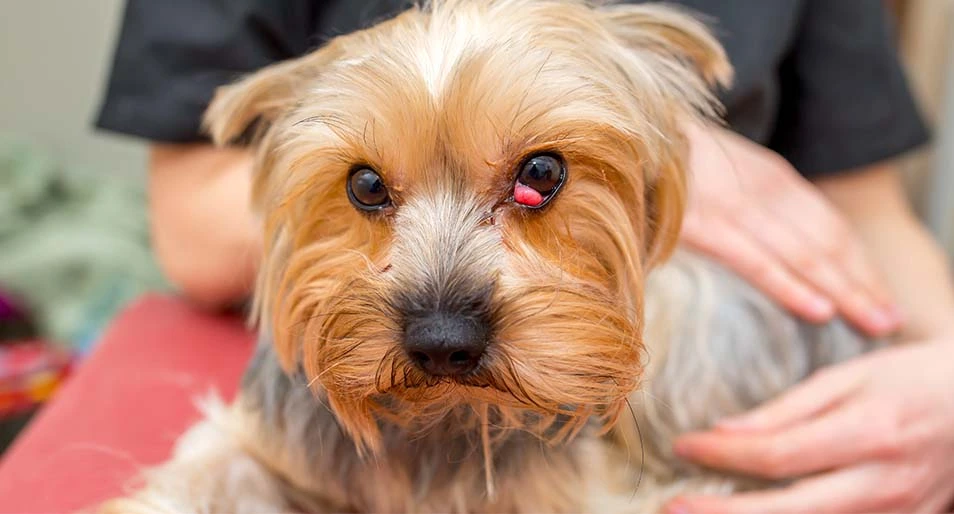
Watch for sudden changes in your dog’s eye. Swelling that grows fast is a warning sign. Excessive redness or bleeding needs attention. Look for your dog rubbing or pawing the eye nonstop. Cloudiness or discharge that smells bad can mean infection. If your dog squints or keeps the eye closed, it may hurt badly. Any sudden vision loss or bump on the eye surface is serious.
When To Contact Your Vet
Call your vet immediately if you see urgent symptoms. Do not wait to see if the problem improves. Your vet can give advice or arrange an emergency visit. Follow their instructions carefully to avoid worsening the injury. Keep your vet’s number handy for quick access. Early treatment saves your dog’s eye and comfort.
Credit: www.metlifepetinsurance.com
Frequently Asked Questions
How Long Is Dog Recovery After Eye Surgery?
Dog recovery after eye surgery usually takes 10 to 14 days. Follow your vet’s care instructions carefully. Avoid activities that may strain the eye. Monitor your dog for signs of discomfort or infection during this period.
What Are Signs Of Complications Post Eye Surgery?
Watch for redness, swelling, discharge, or excessive blinking. If your dog shows these, contact your vet immediately. Other signs include loss of appetite, lethargy, or pawing at the eye. Early detection of issues ensures faster treatment and recovery.
Can I Give Medication To My Dog After Eye Surgery?
Only give medications prescribed by your veterinarian. Administer eye drops or oral meds exactly as directed. Do not use human medications. Proper medication prevents infection and aids healing after eye surgery.
How To Prevent My Dog From Scratching The Eye?
Use an Elizabethan collar (cone) to prevent scratching. Distract your dog with toys or gentle petting. Keep nails trimmed to minimize injury risk. Preventing scratching protects the surgical site and promotes healing.
Conclusion
Caring for your dog after eye surgery takes patience and attention. Follow the vet’s instructions carefully each day. Keep your dog calm and avoid rough play. Watch for any signs of discomfort or infection closely. Clean the eye gently as advised to help healing.
Regular check-ups ensure your dog’s recovery stays on track. Your care makes a big difference in your dog’s health. Stay patient and kind; your dog needs your support now. Healing takes time, but your dog will feel better soon.


