

If you drive an F150, you know how important it is to keep your brakes in top shape. Worn-out brake rotors can affect your truck’s stopping power and safety.
But don’t worry—changing your brake rotors isn’t as hard as you might think. In this guide, you’ll learn simple, step-by-step instructions to replace your brake rotors quickly and confidently. By the end, you’ll save money, avoid costly repairs, and get your F150 back on the road with brakes that work like new.
Ready to take control of your truck’s maintenance? Let’s dive in.

Credit: www.oreillyauto.com
Tools And Materials Needed
Changing the brake rotors on your F150 needs the right tools and materials. Having everything ready makes the job easier and safer. This section explains what you need before starting.
Essential Tools
You need a few basic tools to remove and install brake rotors. A lug wrench helps take off the wheel. A socket set with ratchet fits the bolts holding the brake caliper and rotor. A C-clamp or brake caliper tool pushes the caliper piston back. A rubber mallet helps remove the old rotor if stuck. A jack and jack stands lift and support the truck safely.
Replacement Parts
Buy the correct brake rotors for your F150 model year. Consider getting new brake pads too. Using new pads with new rotors improves braking. You may also need new caliper bolts or clips if the old ones are worn. Brake cleaner spray helps clean the new rotor surface before installation.
Safety Gear
Safety is key when working on brakes. Wear safety goggles to protect your eyes from dust and debris. Gloves protect your hands from sharp parts and brake dust. Use a dust mask to avoid breathing brake dust. Make sure to work in a well-lit and ventilated area.
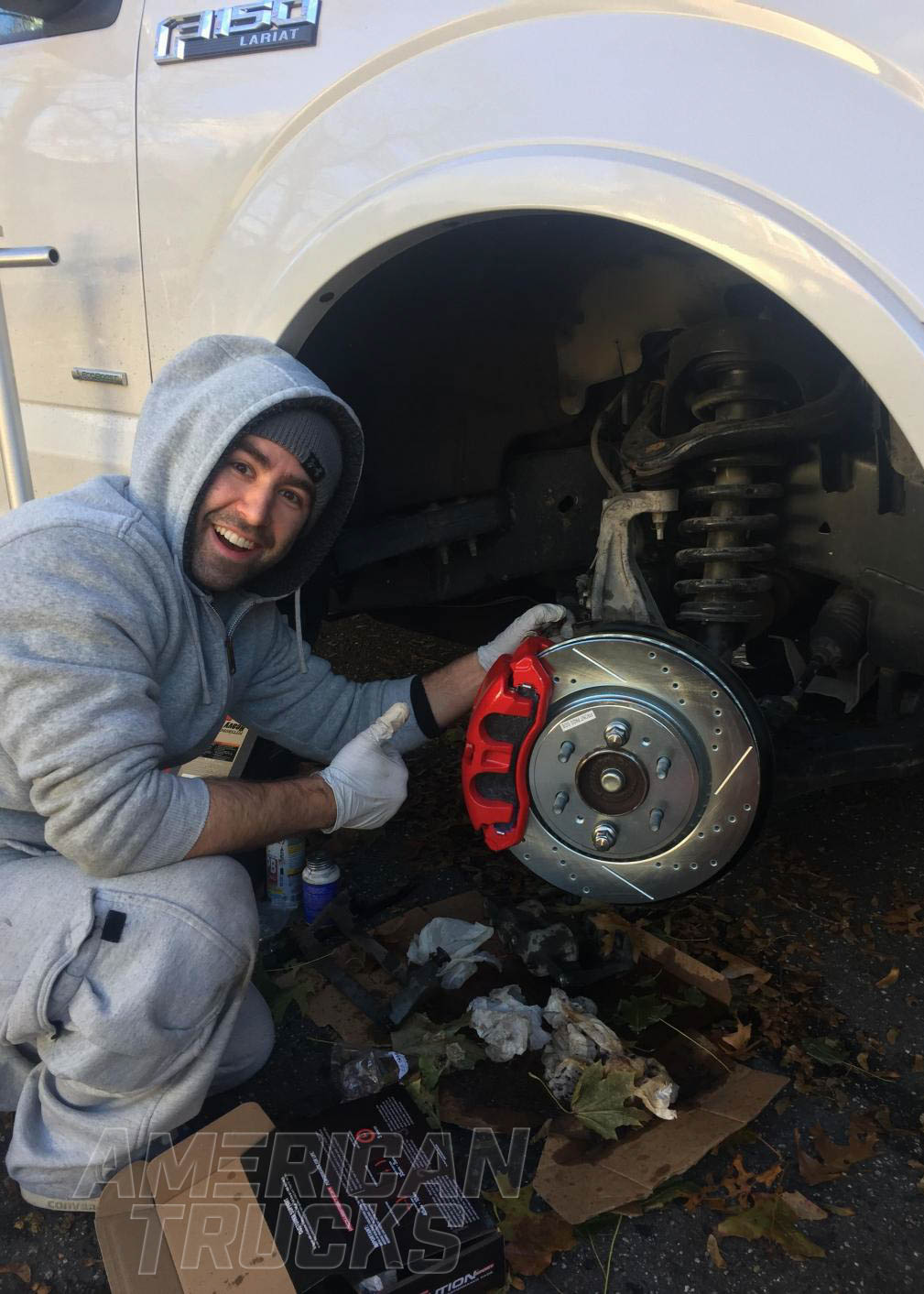
Credit: www.americantrucks.com
Preparing Your F150
Preparing your F150 correctly is the first step to changing brake rotors safely and easily. Taking time at this stage helps avoid problems later. It ensures the truck stays steady and you can work comfortably. Follow each step carefully to set up your workspace right.
Park And Secure Vehicle
Park your F150 on a flat, hard surface. Use the parking brake to keep it still. Place wheel chocks behind the wheels not being lifted. This stops the truck from rolling. Double-check that the vehicle is completely stable before moving on.
Loosen Lug Nuts
Use a lug wrench to loosen the lug nuts on the wheel. Do not remove them yet. Turn the nuts counterclockwise to break them free. This step is easier with the truck still on the ground. It prevents the wheel from spinning while you work.
Lift And Support Truck
Position a jack under the truck’s frame near the wheel. Lift the F150 until the tire clears the ground. Place jack stands under solid parts of the frame. Lower the truck onto the stands carefully. Never work under a vehicle supported only by a jack.
Removing Old Brake Rotors
Removing old brake rotors is a key step in changing brake rotors on your F150. This task needs care and the right tools. You will learn how to remove the wheel, detach the caliper and bracket, and then take off the old rotor. Follow each step carefully to avoid damage and ensure safety.
Remove Wheel
Start by loosening the lug nuts on the wheel. Use a lug wrench to turn them counterclockwise. Then, lift the truck with a jack and secure it with jack stands. Remove the lug nuts completely and take off the wheel. Set the wheel aside in a safe place.
Detach Caliper And Bracket
Locate the brake caliper attached to the rotor. Use a socket wrench to remove the bolts holding the caliper. Carefully lift the caliper away from the rotor. Do not let the caliper hang by the brake hose. Use a hook or rest it on a secure surface. Next, remove the bolts on the caliper bracket. Take off the bracket and place it aside.
Take Off Old Rotor
The rotor may be stuck due to rust or dirt. Tap the rotor gently with a rubber mallet to loosen it. Pull the rotor straight off the wheel hub. If the rotor does not come off, check for retaining screws. Remove any screws and try again. Clean the hub surface before installing the new rotor.
Installing New Brake Rotors
Installing new brake rotors on your F150 is a key step in maintaining safe brakes. New rotors ensure smooth stopping and reduce noise and vibration. Follow these steps carefully for the best results.
Clean And Inspect Components
Start by cleaning the hub and surrounding parts. Use a wire brush to remove rust and dirt. Check the hub for damage or wear. Clean the new rotor with brake cleaner to remove oils. Inspect brake pads and caliper for any signs of damage.
Mount New Rotor
Place the new rotor onto the hub. Make sure it sits flat and lines up with the bolt holes. Hand-tighten the rotor screws if your model has them. This keeps the rotor in place while you reattach other parts. Avoid touching the rotor surface with oily hands.
Reattach Caliper And Bracket
Put the caliper bracket back over the rotor. Tighten the bolts to the correct torque. Slide the brake caliper over the pads and rotor. Secure the caliper bolts firmly. Check that the caliper moves smoothly and does not bind.
Finishing Steps
After installing new brake rotors on your F150, some final steps remain. These ensure your vehicle is safe and ready to drive. Follow each carefully to complete the job.
Reinstall Wheel
Place the wheel back onto the hub. Align the holes with the lug studs. Push the wheel firmly to keep it in place. This step prevents the wheel from moving while tightening.
Lower Vehicle
Slowly lower the jack until the tire touches the ground. Remove the jack completely once the vehicle rests on the ground. This keeps the vehicle stable for the last step.
Tighten Lug Nuts
Use a wrench to tighten the lug nuts in a star pattern. This balances the pressure on the wheel. Tighten each nut firmly but avoid over-tightening. Proper torque keeps the wheel secure and safe.

Credit: www.youtube.com
Testing And Maintenance Tips
After changing the brake rotors on your F150, testing and maintenance are key. These steps help ensure safety and keep your brakes working well. Proper care can extend the life of your new rotors and avoid future problems.
Brake Function Test
Start by pressing the brake pedal slowly. Feel for any unusual vibrations or noises. The pedal should feel firm, not spongy. Test the brakes at low speed in a safe area. Check that the truck stops smoothly and straight. If anything feels off, do not drive further. Inspect the brakes again or seek help.
Rotor Break-in Procedure
New rotors need a break-in period. This helps them wear evenly and prevents damage. Drive your F150 gently at first. Avoid hard braking or high speeds. Use light, steady stops for the first 100 miles. This process helps the brake pads and rotors adjust. Proper break-in improves braking performance and rotor life.
Routine Checks
Regular inspections catch problems early. Look for cracks, grooves, or rust on the rotors. Check the brake pads for thickness and wear. Listen for squeaks or grinding sounds during braking. Keep an eye on brake fluid levels too. Clean the rotors and calipers if dirty. Routine care keeps your brakes safe and reliable.
Frequently Asked Questions
How Often Should I Change Brake Rotors On An F150?
Brake rotors on an F150 should be replaced every 50,000 to 70,000 miles. Check for signs like vibration or scoring to decide earlier replacement.
What Tools Are Needed To Change F150 Brake Rotors?
You need a lug wrench, socket set, C-clamp, jack, and screwdriver. These tools help safely remove and replace the brake rotors.
Can I Change F150 Brake Rotors Myself Safely?
Yes, with proper tools and instructions, changing F150 rotors is safe. Follow safety steps, work on a flat surface, and secure the vehicle.
How Long Does It Take To Change Brake Rotors On F150?
Changing brake rotors on an F150 typically takes 1 to 2 hours. Time varies based on experience and tools availability.
Conclusion
Changing brake rotors on your F150 is doable with basic tools. Take your time and follow each step carefully. Clean parts help brakes work better and last longer. Check your work before driving to stay safe. Regular brake care keeps your truck running smoothly.
You can save money by doing this yourself. Keep learning and practicing for better results. Your F150 will thank you with reliable stopping power.


