If your lawn mower isn’t running smoothly or seems to stall often, the fuel filter might be the problem. Changing your fuel filter is a simple step that can save you time and money while keeping your mower in top shape.
In this guide, you’ll learn exactly how to change the fuel filter on your lawn mower quickly and easily, even if you’ve never done it before. Stick with me, and you’ll have your mower running like new in no time.

Credit: www.youtube.com
Tools And Materials Needed
Changing the fuel filter on your lawn mower keeps the engine clean and running smoothly. Using the right tools and materials makes the job easier and faster. Prepare everything before you start to avoid delays and frustration.
Essential Tools
You will need a few simple tools. Start with a flathead screwdriver to loosen clamps. A pair of pliers helps remove old hoses carefully. Have a clean container ready to catch any leaking fuel. Use a wrench if the filter is held by bolts. Keep a rag nearby to wipe spills quickly.
Choosing The Right Fuel Filter
Select a fuel filter that fits your mower model. Check the owner’s manual for the exact part number. Filters differ by size and type, so choose carefully. Avoid cheap filters that clog easily. A quality filter improves fuel flow and engine life. Buy filters from trusted stores or official dealers.
Preparing Your Lawn Mower
Preparing your lawn mower for a fuel filter change is an important first step. It helps make the process smooth and safe. Taking the time to get ready can save you trouble later. Follow these simple guidelines to prepare your mower well.
Safety Precautions
Turn off the lawn mower and remove the key. This stops the engine from starting by mistake. Wait until the engine cools down before working on it. Fuel is flammable, so avoid sparks or open flames nearby. Wear gloves to protect your hands from fuel and dirt. Work in a well-ventilated area to avoid inhaling fumes. Keep a fire extinguisher nearby just in case.
Accessing The Fuel Filter
Locate the fuel filter on your lawn mower. It is usually near the fuel tank or along the fuel line. Clean the area around the filter to keep dirt out. Use a wrench or screwdriver to remove any covers or clamps. Be ready to catch any fuel that may leak when you disconnect the filter. Keep track of how the filter fits so you can install the new one correctly.
Removing The Old Fuel Filter
Removing the old fuel filter is an important step in maintaining your lawn mower. It helps keep the engine clean and running smoothly. Before you start, make sure the mower is off and cool. This will prevent any accidents or spills while working with fuel parts.
Take your time during this process. Careful handling avoids damage to the fuel lines and filter. Follow each step closely for the best results and a safer experience.
Disconnecting Fuel Lines
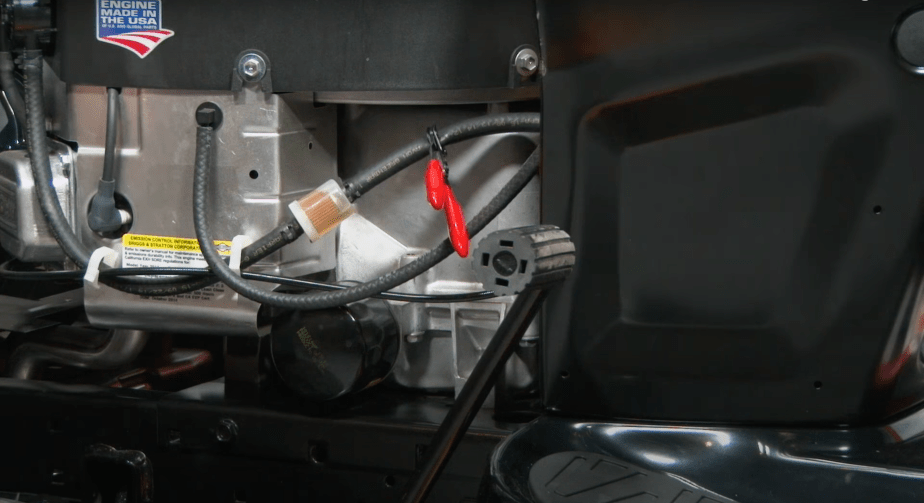
First, locate the fuel lines connected to the filter. They are usually small rubber hoses. Use pliers or your fingers to gently squeeze the clamps holding the lines. Slide the clamps away from the filter.
Pull the fuel lines off the filter carefully. Fuel may drip, so have a cloth ready. Avoid stretching or breaking the lines during removal. Keep the lines away from sharp edges.
Removing The Filter
Once the fuel lines are disconnected, remove any screws or clips securing the filter. Hold the filter firmly and pull it out of its bracket or holder. Take care not to spill fuel inside the mower.
Check the filter for dirt or damage. Dispose of the old filter properly. Clean the area around the filter mount before installing a new one.
Credit: www.motorbiscuit.com
Installing The New Fuel Filter
Installing the new fuel filter is a key step to keep your lawn mower running well. A clean fuel filter helps the engine get fresh fuel. This step requires care and attention to fit the filter correctly. Proper installation prevents leaks and keeps the mower safe.
Positioning The Filter
Place the new fuel filter in the same spot as the old one. Check the arrow on the filter. It shows the direction of fuel flow. The arrow must point toward the engine. Align the filter so the fuel lines will connect easily. Make sure the filter sits firmly in place.
Reconnecting Fuel Lines
Attach the fuel lines to the new filter. Push the lines firmly onto the filter’s ends. Secure them with clamps if needed. Check that the lines are tight and won’t slip off. Avoid twisting or bending the lines. This keeps fuel flow steady and safe.
Testing And Final Checks
After replacing the fuel filter, it is important to test the lawn mower. This ensures the mower runs smoothly and safely. Testing helps find any issues before serious problems occur. Follow these steps carefully to complete the process.
Starting The Engine
Turn the fuel valve on if your mower has one. Pull the starter cord or press the electric start button. Listen for the engine to run steadily. A smooth start means the fuel flows well. If the engine sputters or stalls, check the filter again.
Checking For Leaks
Look closely at the fuel filter and fuel lines. Watch for any drops of fuel or wet spots. Fuel leaks can be dangerous and waste fuel. Tighten clamps or connections if you see leaks. Run the engine for a few minutes and check again.

Credit: www.ifixit.com
Maintenance Tips
Proper maintenance keeps your lawn mower running smoothly. A clean fuel system improves performance and extends the engine’s life.
Changing the fuel filter is a key part of this care. It helps stop dirt and debris from clogging the engine. Follow these tips to keep your mower in good shape.
When To Replace The Fuel Filter
Check the fuel filter every season or after 25 hours of use. Replace it if you see dirt, rust, or damage. A clogged filter causes poor engine power and hard starts. Changing it on time saves you from costly repairs.
Keeping The Fuel System Clean
Use fresh, clean fuel to avoid buildup. Drain old fuel before storage. Clean the fuel tank and lines to stop blockages. Regular cleaning prevents engine problems and keeps your mower running strong.
Frequently Asked Questions
How Often Should I Change My Lawn Mower’s Fuel Filter?
Change the fuel filter every 25-50 hours of use or once a season. Regular replacement ensures smooth fuel flow and prevents engine issues.
What Tools Do I Need To Change The Fuel Filter?
You typically need a screwdriver, pliers, and a new fuel filter. Some models may require a wrench or socket set for removal.
Can I Change The Fuel Filter Myself Safely?
Yes, changing the fuel filter is a simple DIY task. Always work in a well-ventilated area and disconnect the spark plug for safety.
How Do I Know If My Fuel Filter Needs Replacing?
Signs include engine sputtering, difficulty starting, or reduced power. A clogged filter restricts fuel flow, causing poor mower performance.
Conclusion
Changing the fuel filter keeps your lawn mower running well. Clean fuel helps the engine work smoothly. Regular filter changes prevent clogs and damage. You save money by avoiding costly repairs. The process is simple and takes little time. Follow the steps carefully for best results.
A well-maintained mower cuts grass evenly and lasts longer. Keep your mower ready for every mowing job. Small care makes a big difference. Try changing the fuel filter yourself today.