If you want your engine to run smoothly and avoid costly repairs, changing your fuel water separator filter is a must. This simple step protects your fuel system from water and dirt that can cause serious damage.
But how do you know when it’s time to replace the filter? And more importantly, how do you do it right? In this guide, you’ll learn exactly what to do, with clear, easy steps that anyone can follow. Keep reading to save money, boost your engine’s performance, and avoid unexpected breakdowns.
Your engine will thank you!

Credit: www.youtube.com
Signs To Replace The Fuel Water Separator
The fuel water separator filter protects your engine from water and dirt in the fuel. Over time, this filter can get clogged or damaged. Recognizing the signs to replace it helps keep your engine running smoothly. Watch for changes in engine behavior and filter condition to know when it is time for a replacement.
Ignoring these signs can lead to engine problems and costly repairs. Early detection saves money and prevents breakdowns.
Common Symptoms Of A Clogged Filter
Fuel flow slows down when the filter clogs. The engine may start hard or stall often. You might notice black smoke from the exhaust. The filter bowl might show water or dirt buildup. These signs mean the filter blocks fuel and needs changing.
Impact On Engine Performance
A bad filter reduces engine power and speed. The engine may run rough or misfire. Fuel consumption can increase. The engine might overheat or stop working completely. Replacing the filter improves fuel flow and engine health.
Tools And Materials Needed
Before starting to change the fuel water separator filter, gather all necessary tools and materials. Having the right items at hand makes the process smooth and safe. Missing tools can cause delays or mistakes. Prepare everything in a clean, well-lit space. This helps avoid dirt entering the fuel system.
Essential Tools
- Wrench or socket set for loosening the filter housing
- Drain pan to catch any fuel or water spill
- Clean rag or paper towels for wiping spills
- Gloves to protect your hands from fuel
- Safety glasses to shield your eyes
- Container to dispose of old filter and waste fuel
Recommended Replacement Filters
Choose a filter that fits your engine model exactly. Check the owner’s manual for the correct part number. Use high-quality filters to ensure proper fuel cleaning. Avoid cheap or generic filters that may leak or fail. Some brands offer filters with added water separation features. These help extend engine life by keeping water out of fuel.
Preparing Your Vehicle
Start by parking your vehicle on a flat surface and turning off the engine. Gather the needed tools and wear gloves to protect your hands. Make sure the area around the fuel water separator filter is clean before you begin.
Safety Precautions
Start by parking your vehicle on a flat surface. Turn off the engine and remove the keys. Allow the engine to cool down to avoid burns. Wear gloves and safety glasses to protect your hands and eyes. Keep a fire extinguisher nearby in case of fuel spills. Work in a well-ventilated area to avoid inhaling fumes. Avoid open flames or sparks near the vehicle. These steps keep you safe throughout the process.
Locating The Fuel Water Separator
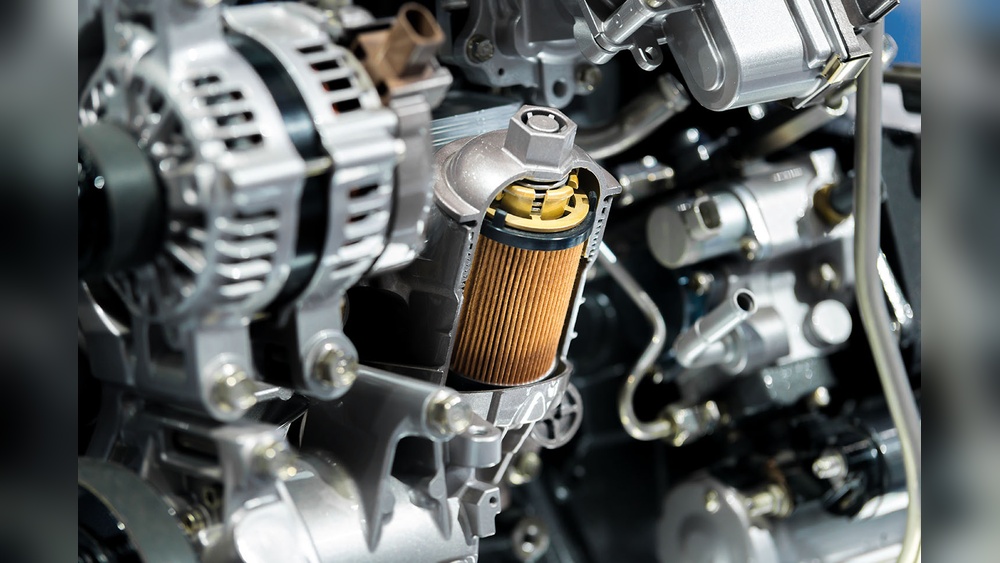
Open the vehicle’s hood and find the fuel system components. The fuel water separator usually sits between the fuel tank and the engine. Check the owner’s manual to locate it exactly. It often looks like a small canister with fuel lines attached. Some vehicles have it near the fuel filter or fuel pump. Make sure you identify the correct part before starting. Proper location helps avoid confusion and speeds up the job.
Draining Water From The Separator
Draining water from the fuel water separator is a key step to keep your engine running smoothly. Water in the fuel system can cause damage and reduce engine life. Removing this water regularly prevents rust, corrosion, and poor engine performance.
Water settles at the bottom of the separator, so draining it is easy. This process protects your fuel system and keeps the engine safe from harm. Follow these steps to drain water properly and maintain your vehicle or boat.
How To Drain Safely
Place a container under the drain valve to catch water and fuel mix. Open the valve slowly to let water flow out. Close the valve once only clear fuel appears. Avoid spills by working in a well-ventilated, flat area. Use gloves to protect your hands from fuel. Never smoke or use open flames near the drain area.
Disposing Of Contaminated Fuel
Collect the drained water and fuel mixture in a sealed container. Take the container to a local hazardous waste disposal center. Do not pour contaminated fuel down drains or on the ground. Proper disposal prevents pollution and protects the environment. Follow local rules for hazardous waste disposal carefully.
Removing The Old Filter
Removing the old fuel water separator filter is the first step in maintaining your engine’s fuel system. This part traps water and dirt to protect the engine. Over time, it clogs and loses efficiency. Proper removal prevents fuel spills and damage to the system.
Steps To Detach The Filter
Begin by turning off the engine and fuel supply. Locate the filter housing and use a wrench to loosen the filter. Turn the filter counterclockwise to unscrew it carefully. Keep a container or rag underneath to catch any fuel drips. Remove the filter completely and check for any leftover fuel inside the housing.
Handling Fuel Spills
Fuel spills can be dangerous and messy. Use absorbent cloths or pads to soak up any spilled fuel immediately. Avoid breathing in fumes or letting fuel touch your skin. Dispose of used cloths safely in a sealed bag. Clean the area well before installing a new filter to prevent contamination.
Installing The New Filter
Installing the new fuel water separator filter is a key step in maintaining your engine. It keeps fuel clean and protects the system from damage. Careful placement and a tight fit ensure the filter works properly. Follow these steps to install it right.
Proper Filter Placement
Place the new filter exactly where the old one was removed. Check the filter housing for any dirt or debris before installation. Align the filter so the inlet and outlet match the flow direction. The filter must sit straight to avoid leaks or poor filtration.
Ensuring A Secure Fit
Tighten the filter by hand until it feels snug. Use a wrench only if the filter requires extra tightening. Avoid over-tightening to prevent damage to the filter or housing. Double-check the seal to make sure it is even and secure. A loose filter can cause fuel leaks and engine problems.
Priming The Fuel System
Priming the fuel system is a key step after changing the fuel water separator filter. It helps remove air trapped in the fuel lines. Air in the system can cause engine problems. Proper priming ensures smooth fuel flow and engine start-up.
Removing Air From The Lines
Air can enter the fuel lines during filter replacement. This air blocks fuel flow and can stop the engine. To remove air, use the primer pump or hand pump on the filter. Pump slowly until you see fuel without bubbles. Check for leaks around the filter and connections. Tighten any loose fittings to avoid more air getting in.
Techniques For Effective Priming
Start by loosening the bleed screw on the filter housing. Pump the primer until fuel flows steadily from the bleed screw. Close the screw tightly to prevent air entry. Repeat pumping and checking the fuel lines for bubbles. Some engines have electric priming pumps; follow the manufacturer’s instructions carefully. Always prime in a clean area to prevent dirt contamination.

Credit: ibsg.org.do
Testing For Leaks And Performance
Testing for leaks and performance after changing the fuel water separator filter is key. It ensures your engine runs smoothly and avoids damage. Careful checks help spot issues early and keep your fuel system clean.
Inspecting Connections
Check all filter connections closely. Look for wet spots or fuel drips around the fittings. Tighten any loose clamps or bolts. Use a clean cloth to wipe away any spills. A dry connection means no leaks.
Monitoring Engine Response
Start the engine and watch how it runs. Listen for rough idling or stalling. Smooth running shows the filter works well. Note if the engine starts faster and runs steady. Poor response could mean air or fuel flow problems.
Maintenance Tips For Fuel Water Separators
Fuel water separators need regular care to work well. Proper maintenance helps avoid engine problems and costly repairs. Simple steps keep the filter clean and effective. This section shares easy tips to maintain your fuel water separator.
Regular Inspection Schedules
Check the fuel water separator often. Set a schedule based on your vehicle or machine use. Look for water or dirt buildup in the filter. Inspect seals and connections to prevent leaks. Early checks stop damage before it gets worse.
Extending Filter Life
Use clean fuel to protect the filter. Drain water from the separator regularly. Replace the filter element at the right time. Avoid running the engine on empty fuel. These habits help the filter last longer and work better.

Credit: www.qcc.edu
Frequently Asked Questions
What Is A Fuel Water Separator Filter?
A fuel water separator filter removes water and contaminants from diesel fuel. It protects the engine from damage and improves performance. Regular replacement ensures clean fuel supply and prevents costly repairs.
How Often Should I Change The Fuel Water Separator Filter?
Change the fuel water separator filter every 10,000 to 25,000 miles or as recommended by the manufacturer. Inspect it regularly for water buildup or dirt to maintain optimal engine function and fuel efficiency.
What Tools Do I Need To Replace The Filter?
You typically need a wrench, a new fuel water separator filter, a container for draining, and gloves. Some vehicles may require special tools; always check your owner’s manual before starting.
Can I Change The Fuel Water Separator Filter Myself?
Yes, most people can change it themselves with basic tools and instructions. Follow safety precautions, drain water properly, and ensure a tight seal to avoid leaks and engine issues.
Conclusion
Changing the fuel water separator filter keeps your engine running smoothly. It prevents water and dirt from damaging parts. Regular checks help avoid costly repairs. Follow the steps carefully for a safe change. Clean filters improve fuel efficiency and engine life.
Take your time and use the right tools. You can do this yourself with some practice. Stay safe and keep your vehicle in good shape. Simple care makes a big difference in performance.