

Is your car acting sluggish or struggling to start? A clogged fuel filter might be the hidden problem causing these issues.
Knowing how to check your fuel filter can save you time, money, and prevent bigger engine troubles down the road. You’ll learn simple steps to spot signs of a clogged fuel filter and how to inspect it yourself—no mechanic needed.
Keep reading to take control of your car’s health and avoid unexpected breakdowns.

Credit: www.autonationmobileservice.com
Signs Of A Clogged Fuel Filter
A clogged fuel filter can cause many problems in your vehicle. It blocks the flow of fuel to the engine. This makes your car run poorly or stop working. Knowing the signs helps you fix it early. Check for these common symptoms to spot a clogged fuel filter.
Engine Performance Issues
The engine may hesitate or stall during driving. It might feel weak or slow to respond. You may hear sputtering noises from the engine. These happen because the fuel supply is limited. The engine does not get enough fuel to run well.
Fuel Efficiency Drops
Your car may use more fuel than usual. The engine works harder to get the fuel it needs. This wastes fuel and lowers miles per gallon. A clogged filter makes the fuel flow uneven. This causes poor fuel burning and lower efficiency.
Starting Problems
The car may take longer to start or not start at all. The fuel pump struggles to send fuel past the filter. This leaves the engine starved of fuel at startup. You might hear the engine trying but failing to turn over. Starting problems often point to a clogged fuel filter.
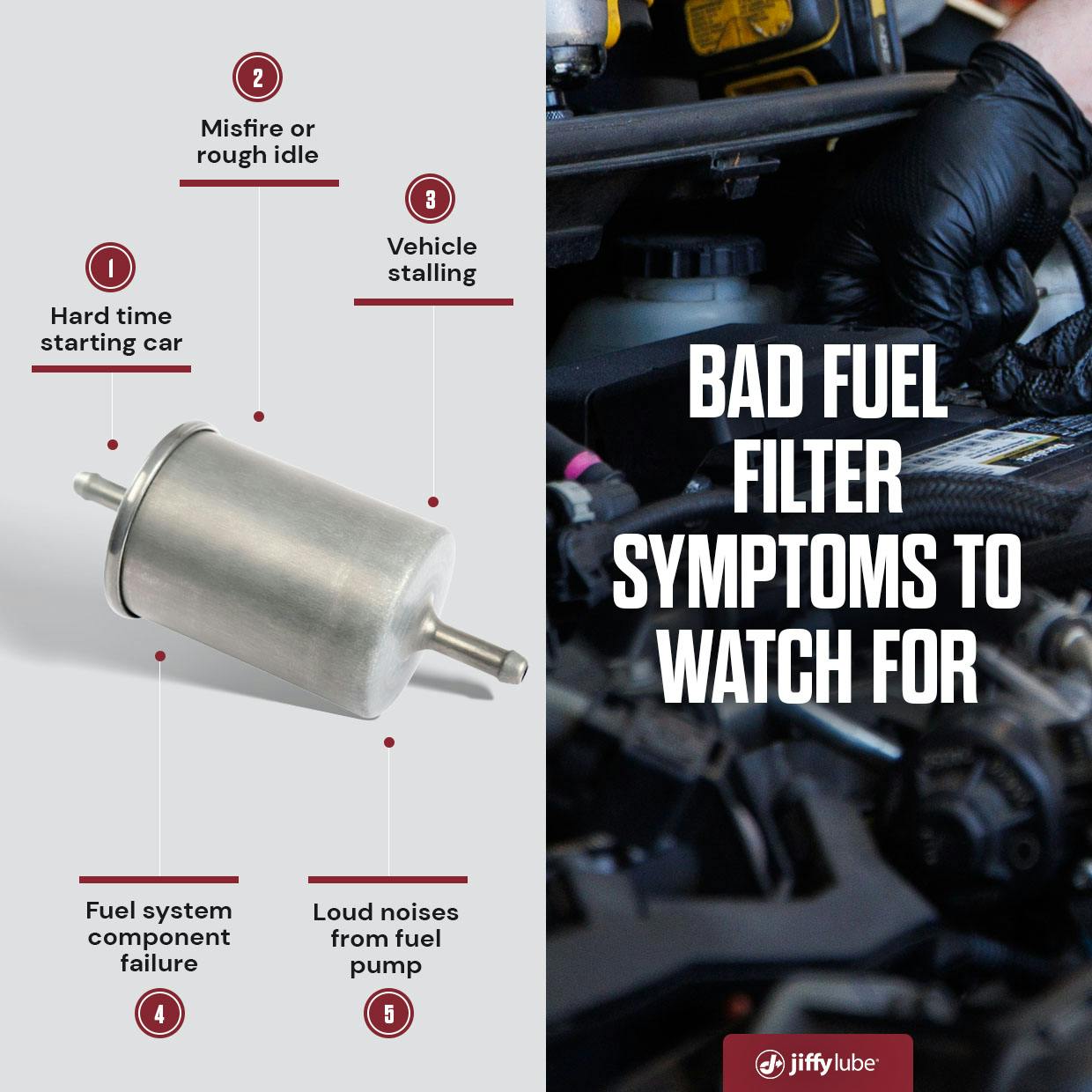
Credit: www.jiffylube.com
Tools Needed For Inspection
Checking for a clogged fuel filter requires a few simple tools. Having the right tools makes the inspection easier and safer. Gather everything before starting the job. This saves time and avoids frustration.
Basic Hand Tools
A set of basic hand tools is essential for this task. You will need a wrench or socket set to remove the fuel filter. A screwdriver helps in loosening clamps or screws. Pliers come in handy to disconnect fuel lines gently. Keep a clean rag or cloth nearby to catch any spilled fuel. These tools are easy to find and use.
Safety Equipment
Safety is very important when working with fuel. Wear safety glasses to protect your eyes from splashes. Use gloves to keep your hands clean and safe from chemicals. Work in a well-ventilated area to avoid breathing harmful fumes. Having a fire extinguisher nearby is smart, just in case. These precautions protect you during the inspection.
Preparing Your Vehicle
Preparing your vehicle is the first step to checking a clogged fuel filter. It helps you work safely and find the filter quickly. Take time to get ready before starting the check. This saves effort and avoids problems during the process.
Follow simple steps to prepare your vehicle. These steps keep you safe and make the job easier. A clear workspace and good lighting help a lot. Also, having the right tools nearby speeds up the task.
Ensure Safety Measures
Safety is the top priority before checking the fuel filter. Park your vehicle on a flat, stable surface. Turn off the engine and let it cool down. Avoid open flames or sparks nearby. Wear gloves and eye protection to guard against fuel spills. Keep a fire extinguisher close just in case. Safety steps prevent accidents and protect your health.
Locate The Fuel Filter
Finding the fuel filter is the next key step. Check your vehicle’s manual for the exact location. Most fuel filters are under the car near the fuel tank or engine. Some cars have filters inside the engine bay. Use a flashlight to see clearly. Knowing the location helps you work faster and avoid damage.

Credit: www.agcoauto.com
Visual Inspection Steps
Visual inspection is the first step to check a clogged fuel filter. It helps spot obvious issues fast. You do not need special tools. Just your eyes and good light. Careful observation can save you time and money.
Look closely at the fuel filter’s outer surface. Any signs of damage or dirt can show it needs cleaning or replacement. Follow these simple steps to inspect your fuel filter properly.
Check For Physical Damage
Start by examining the fuel filter for cracks or dents. These can stop fuel flow or cause leaks. Check the filter body and connectors carefully. Broken parts mean the filter cannot work well. Replace it right away if damaged.
Also, look for loose fittings or loose clamps. These can cause vibrations and worsen damage. Tighten or replace any loose parts you find.
Look For Rust Or Dirt
Rust on the fuel filter can block fuel and harm the engine. Check for brown or orange spots on metal parts. Dirt or mud on the surface can also cause clogging. Clean off dirt gently with a soft cloth.
If rust or dirt is heavy, the filter likely needs a change. A clean filter helps the engine run smoothly and saves fuel.
Testing Fuel Flow
Testing fuel flow helps find problems in your fuel system. It shows if fuel moves well through the filter. A slow or weak flow means a clogged filter. Checking fuel flow is simple and quick. It needs few tools and some care.
Use Of Pressure Gauge
A pressure gauge measures fuel pressure in the line. Attach it to the fuel line before the filter. Turn on the fuel pump and watch the gauge. Low pressure means the filter may be clogged. Compare the reading to your vehicle’s manual. Normal pressure means fuel flows well.
Manual Fuel Flow Check
Stop the engine and relieve fuel system pressure. Disconnect the fuel line after the filter carefully. Place a container under the line to catch fuel. Turn the ignition on briefly to pump fuel. Watch the fuel flow into the container. Weak flow or no fuel means the filter blocks fuel. Strong flow means the filter is clear.
When To Replace The Fuel Filter
Knowing when to replace the fuel filter is important for your vehicle’s health. The fuel filter stops dirt and debris from reaching the engine. Over time, it can get clogged and reduce fuel flow. This can cause engine problems and lower performance.
Replacing the fuel filter at the right time keeps your engine running smoothly. It also helps save fuel and avoid costly repairs. Watch out for certain signs and follow recommended intervals to know when to change it.
Signs Replacement Is Needed
Engine starts to stall or hesitate during acceleration.
Car has trouble starting or runs roughly.
Fuel efficiency drops without other clear reasons.
Check engine light comes on in some cases.
Unusual noises from the fuel pump or engine may occur.
Recommended Replacement Intervals
Most car makers suggest changing the fuel filter every 20,000 to 40,000 miles.
Check your vehicle’s manual for exact recommendations.
Older cars may need more frequent changes.
Driving in dusty or harsh conditions can require earlier replacement.
Regular maintenance prevents fuel system issues and extends engine life.
Preventing Future Clogs
Preventing future clogs in your fuel filter saves time and money. Clean fuel keeps your engine running smoothly. Small actions help avoid big problems later. Focus on fuel quality and maintenance routines.
Using Quality Fuel
Always choose fuel from trusted stations. Poor quality fuel often contains dirt and water. These impurities cause blockages in the fuel filter. Using clean fuel reduces the risk of clogging. Avoid cheap or unknown fuel brands. Check for clear fuel that does not smell bad. This simple step extends the life of your fuel filter.
Regular Maintenance Tips
Follow your vehicle’s maintenance schedule strictly. Change the fuel filter as recommended by the manufacturer. Inspect the fuel system for leaks or damage often. Clean fuel injectors help maintain proper flow. Keep an eye on engine performance signs, like rough idling or stalling. Early detection prevents severe filter problems. Regular check-ups keep your fuel system healthy and efficient.
Frequently Asked Questions
How Do I Know If My Fuel Filter Is Clogged?
Signs of a clogged fuel filter include engine misfires, reduced power, stalling, and difficulty starting the vehicle. Check for these symptoms to identify a problem early.
Can A Clogged Fuel Filter Cause Engine Problems?
Yes, a clogged fuel filter restricts fuel flow, leading to poor engine performance, stalling, and potential damage if not addressed promptly.
How Often Should I Check My Fuel Filter?
It is recommended to inspect the fuel filter every 20,000 to 30,000 miles or as specified in your vehicle’s manual for optimal performance.
Is It Possible To Clean A Clogged Fuel Filter?
Some fuel filters can be cleaned, but most are designed to be replaced. Cleaning depends on the filter type and manufacturer instructions.
Conclusion
Checking your fuel filter can save your engine from damage. Watch for signs like slow acceleration or engine stalling. A clogged filter blocks fuel flow and reduces performance. Regular checks keep your vehicle running smoothly and avoid costly repairs. Use simple tools and follow safety steps during inspection.
Keep your car healthy by staying alert to fuel system issues. Taking small steps now prevents bigger problems later. Stay proactive and enjoy a reliable, efficient ride every day.


