

Your car deserves the best care to keep it looking shiny and new. Knowing how to clean and wax a car properly can save you time, money, and frustration.
Imagine driving a car that turns heads because of its spotless finish and deep shine. You might think it’s hard, but with the right steps, you can achieve professional results right at home. In this guide, you’ll discover simple techniques that protect your car’s paint and make it look stunning.
Ready to learn how to make your car shine like never before? Keep reading—you’ll be surprised how easy it is!
Choosing The Right Cleaning Supplies
Choosing the right cleaning supplies makes a big difference in car care. Proper supplies protect your car’s paint and make cleaning easier. Using the wrong products can cause scratches or dull the finish. This section helps you pick the best items to clean and wax your car safely and effectively.
Selecting Car Wash Soap
Car wash soap differs from regular household soap. It is made to remove dirt without harming the paint. Look for soap that is pH balanced and gentle. Avoid dish soap or harsh detergents as they strip wax and damage paint. Choose a soap that creates foam to lift dirt away.
Picking Quality Microfiber Towels
Microfiber towels are soft and safe for car surfaces. They absorb water well and reduce scratches. Pick towels made for cars, not cleaning rags. Use separate towels for drying, waxing, and interior cleaning. Wash them without fabric softener to keep their softness.
Tools For Detailing
Detailing tools help reach small areas and clean deeply. Soft brushes clean wheels and vents without scratching. Foam applicators spread wax evenly on paint. Use a clay bar to remove contaminants before waxing. A good bucket with grit guard prevents dirt from returning to the car.

Credit: www.thedetailingmafia.com
Preparing Your Car For Cleaning
Preparing your car before cleaning is very important. It helps you get the best results. A clean car looks great and stays protected for longer. Taking time to prepare will make the cleaning process easier and more effective.
Start by removing dirt and debris from the car’s surface. Check the weather and pick a good spot to work on your car. These steps ensure your cleaning and waxing go smoothly.
Removing Loose Dirt And Debris
Use a soft brush or a leaf blower to remove loose dirt. This prevents scratches during washing. Pay attention to the wheels and under the mirrors. Remove leaves, twigs, and dust carefully. This step makes washing safer and more thorough.
Checking The Weather Conditions
Choose a day with mild weather. Avoid very hot or rainy days. Heat can dry soap too fast, leaving spots. Rain can ruin your cleaning work. A calm day helps the wax set properly on the car.
Setting Up A Shaded Workspace
Find a shaded area to clean your car. Direct sunlight can cause soap to dry quickly. This leaves streaks and spots on the paint. Shade keeps the car cool and the soap wet longer. It helps you see dirt better and get a perfect clean.
Step-by-step Car Washing Process
Cleaning your car properly starts with a good washing process. Follow each step carefully. This will help protect your car’s paint and keep it shiny. A clean car looks great and lasts longer.
Rinsing The Vehicle
Start by rinsing your car with water. Remove loose dirt and dust. Use a hose or a bucket of water. This prevents scratching during washing. Rinse the entire car well.
Using The Two-bucket Method
Fill two buckets with water. One for soapy water, one for clean water. Use a soft wash mitt. Dip the mitt in soapy water first. Wash a small section of the car. Rinse the mitt in clean water next. Repeat this process all over the car.
Cleaning Wheels And Tires
Use a separate brush for wheels and tires. They have heavy dirt and brake dust. Spray wheel cleaner on wheels. Let it sit for a few minutes. Scrub tires and wheels well. Rinse off all the cleaner carefully.
Drying Techniques
Dry the car immediately after washing. Use a clean microfiber towel or chamois. Pat the surface gently to avoid scratches. Dry all areas, including mirrors and windows. This helps prevent water spots from forming.

Credit: superglosssealant.com
Choosing The Right Wax
Choosing the right wax is key for a shiny and protected car. Wax shields the paint from dirt, sun, and water. Picking the right type helps the wax last longer and keeps the car looking fresh. Understanding the options makes the choice easier. Below, find details about the main types of car wax and their pros and cons.
Types Of Car Wax
There are mainly two types of car wax: natural and synthetic. Natural wax often uses carnauba, a plant-based ingredient. It gives a deep, warm shine that many car lovers prefer. Synthetic waxes are made from polymers and chemicals. They aim for a longer-lasting shine and better protection.
Natural wax usually lasts shorter but looks great. Synthetic wax lasts longer and is easier to apply. Some wax products mix both natural and synthetic elements for balanced results. Choosing depends on your needs for shine and protection.
Pros And Cons Of Synthetic Vs. Natural Wax
Natural wax offers a rich, glossy finish. It feels smooth and looks very natural. It protects well but usually lasts only a few weeks. It needs more frequent reapplication, especially in harsh weather.
Synthetic wax lasts longer, often months. It protects better against rain, sun, and dirt. Application is faster and easier. The shine may not be as deep or warm as natural wax. Some find synthetic wax less natural in appearance.
Natural wax is best for car shows or weekend cars. Synthetic wax suits daily drivers and rough conditions. Knowing these pros and cons helps pick the wax that fits your car care routine.
Applying Wax For Maximum Shine
Applying wax is a key step to make your car shine like new. Wax protects the paint and adds a deep, glossy finish. Doing it right gives your car a fresh, clean look that lasts longer.
Preparing The Surface
Start with a clean car. Wash off dirt and grime completely. Dry the car well to avoid water spots. Check for any paint damage or rough spots. Use a clay bar if needed to remove stubborn contaminants. A smooth surface helps the wax stick better.
Proper Wax Application Techniques
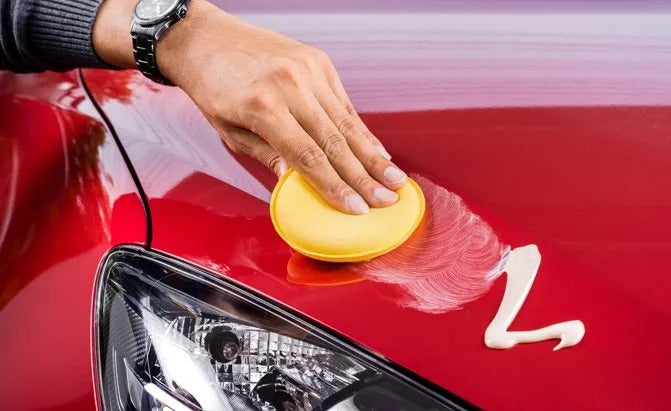
Use a soft foam applicator pad for waxing. Apply a small amount of wax to the pad. Spread the wax in thin, even circles on one section at a time. Avoid thick layers. Let the wax dry until it looks hazy or dull. This means it is ready to buff.
Buffing For A Glossy Finish
Use a clean microfiber cloth to buff the wax. Wipe in gentle, circular motions. Apply light pressure to bring out the shine. Flip the cloth to a clean side often. Buff until the haze disappears and the surface glows. The result is a smooth, glossy finish that protects your car.
Maintaining Your Car’s Shine
Maintaining your car’s shine keeps it looking fresh and new. A shiny car stands out on the road and protects the paint. Proper care helps avoid dullness and damage from dirt and weather. Small efforts over time make a big difference in appearance and value.
Regular Washing Schedule
Wash your car every two weeks to remove dirt and grime. Use a gentle car shampoo and soft sponge. Rinse well to avoid soap spots. Dry with a clean microfiber cloth to prevent streaks. Regular washing stops buildup that can dull paint.
Touch-up Tips
Fix small scratches quickly to keep the shine intact. Use touch-up paint that matches your car’s color. Apply carefully with a fine brush. Let it dry completely before waxing. This prevents rust and keeps the surface smooth.
Protecting Wax With Sealants
Wax adds shine but sealants offer extra protection. Apply a sealant after waxing to lock in the gloss. Sealants last longer and shield against rain and UV rays. Use a soft applicator and follow product instructions. This step keeps your car glossy for weeks.
Common Mistakes To Avoid
Cleaning and waxing your car is simple but easy to get wrong. Many make common mistakes that can harm the paint or reduce the shine. Avoiding these errors keeps your car looking its best for longer. Here are some common mistakes to watch out for.
Using Harsh Chemicals
Harsh chemicals can strip away the protective wax on your car. They may also damage the paint finish and clear coat. Use car-specific soaps and cleaners instead. These products are gentle and safe for your vehicle’s surface. Avoid household cleaners like bleach or ammonia. They may cause fading or staining.
Waxing In Direct Sunlight
Waxing your car under direct sunlight can cause problems. The heat makes the wax dry too fast, leaving streaks and spots. This makes it hard to buff the wax evenly. Work in a shaded area or during cooler parts of the day. This helps the wax spread and seal properly.
Neglecting Tire And Trim Care
Many focus only on the paint and forget tires and trim. Tires and trim can dry out and crack without care. Use tire and trim dressings to keep them shiny and protected. This improves the overall look of your car. It also prevents aging and damage to these parts.
Credit: ethoscarcare.com
Frequently Asked Questions
How Often Should I Clean And Wax My Car?
Clean your car every two weeks and wax it every three months. Regular cleaning removes dirt and debris. Waxing protects the paint and adds shine, extending your car’s life and appearance.
What Is The Best Way To Wash A Car?
Use a two-bucket method with car shampoo and clean water. Wash top to bottom with a soft mitt. Rinse thoroughly to avoid soap residue and water spots for a spotless finish.
Can I Wax My Car In Direct Sunlight?
Avoid waxing your car in direct sunlight. Heat causes wax to dry too fast, making it hard to buff. Choose a shaded, cool spot for the best waxing results.
What Tools Do I Need To Clean And Wax A Car?
You need car shampoo, microfiber wash mitt, two buckets, microfiber towels, wax applicator, and car wax. These tools ensure a thorough, scratch-free clean and a smooth, protective wax finish.
Conclusion
Cleaning and waxing your car keeps it shiny and protects the paint. Regular care stops dirt and damage from building up. Use gentle products and soft cloths to avoid scratches. Take your time with each step for the best results.
A clean, waxed car looks great and lasts longer. Small efforts now save big costs later. Enjoy driving a car that looks fresh and cared for. Simple habits make a big difference in car care.


