

If your Briggs and Stratton engine isn’t running smoothly, a dirty fuel filter might be the reason. You rely on your equipment to work when you need it most, and a clogged fuel filter can cause frustrating engine problems.
Cleaning it yourself can save you time and money, and keep your engine running strong. In this guide, you’ll learn simple, step-by-step instructions to clean your fuel filter quickly and safely. Keep reading to get your engine back to peak performance without hassle.
Fuel Filter Basics
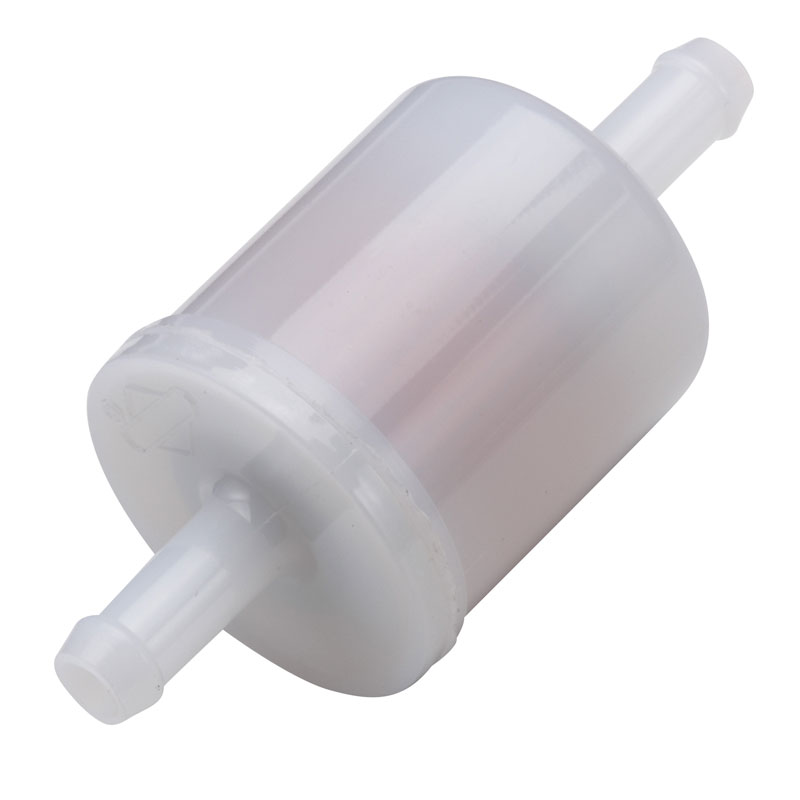
The fuel filter is a small but important part of your Briggs and Stratton engine. It cleans the fuel before it reaches the engine. Dirt, rust, and other particles can cause problems if they get inside. A clean fuel filter helps the engine run smoothly and last longer.
Checking and cleaning the fuel filter is a simple step. It keeps your engine healthy and avoids costly repairs. Knowing the basics about the fuel filter helps you understand why it matters.
Role In Engine Performance
The fuel filter stops dirt and debris from entering the engine. Clean fuel flows easily, helping the engine burn fuel well. This improves power and fuel efficiency. A blocked filter limits fuel flow. The engine may run rough or stall. Clean filters support steady engine speed and smooth operation.
Signs Of A Clogged Filter
A clogged fuel filter shows clear symptoms. The engine may hesitate or lose power. It might be hard to start or stall often. You may hear unusual engine sounds. Reduced fuel efficiency is common. Watching these signs helps you know when to clean the filter. Timely cleaning keeps your engine running strong.
Credit: www.briggsandstratton.com
Tools And Materials Needed
Cleaning the fuel filter on your Briggs and Stratton engine requires the right tools and materials. Having these ready makes the process smooth and safe. It helps you avoid delays and ensures the job is done correctly.
Essential Cleaning Supplies
- A clean container to catch fuel and dirt
- Fresh fuel or carburetor cleaner for rinsing
- A soft brush or old toothbrush for scrubbing
- A clean cloth or paper towels for drying
- A new fuel filter, if replacement is needed
- A small screwdriver or wrench for removing the filter
Safety Gear
- Protective gloves to keep your hands clean and safe
- Safety glasses to protect your eyes from splashes
- A well-ventilated area to avoid inhaling fumes
- Long sleeves to protect your skin from fuel spills
Preparing The Engine
Preparing the engine is the first step before cleaning the fuel filter on a Briggs and Stratton engine. This process makes sure you work safely and avoid damage. It also helps you find the fuel filter quickly.
Follow these simple steps to get the engine ready for cleaning the fuel filter.
Turning Off And Cooling Down
Always turn off the engine before starting any work. Let it cool down completely. Hot engine parts can cause burns. Wait at least 30 minutes after use. This step protects your hands and tools.
Locating The Fuel Filter
Find the fuel filter next. It is usually near the fuel line or fuel tank. Look for a small, clear or metal cylinder. Check your engine manual if you have trouble finding it. Knowing its location makes cleaning easier and faster.

Credit: www.youtube.com
Removing The Fuel Filter
Removing the fuel filter from your Briggs and Stratton engine is the first step in cleaning it. This process needs careful handling to avoid damage and fuel leaks. Follow simple steps to detach the filter safely and prepare it for cleaning or replacement.
Prepare a clean workspace and keep a container ready to catch any fuel drips. Wear gloves to protect your hands from fuel. The fuel filter is usually connected with fuel lines that need careful removal.
Detaching Fuel Lines
Locate the fuel lines connected to the filter. Use pliers or your fingers to gently squeeze the clamps holding the lines. Slide the clamps away from the filter to loosen the connections. Pull the fuel lines off the filter carefully. Avoid pulling too hard to prevent damage to the lines. Keep the fuel lines upright to stop fuel from spilling out.
Handling Fuel Spills
Fuel spills can happen during removal. Have a rag or paper towels ready to absorb any fuel drops. Work slowly to reduce spills. Clean any spilled fuel immediately to avoid fire hazards. Dispose of used rags safely. Avoid working near open flames or sparks to stay safe.
Cleaning Process
Cleaning the fuel filter on your Briggs and Stratton engine is important for smooth performance. Dirt and debris can block the filter and cause engine problems. The cleaning process helps remove these particles and keeps fuel flowing freely. Follow these simple steps to clean the fuel filter effectively.
Using Cleaning Solutions
Start by soaking the fuel filter in a cleaning solution. Use a mild solvent or a mixture of water and dish soap. Let it sit for 15 to 20 minutes. This softens and loosens dirt trapped inside the filter. Gently shake or tap the filter to remove stubborn particles. Avoid using harsh chemicals that can damage the filter material.
Drying And Inspecting
After cleaning, rinse the filter with clean water. Shake off excess water and let the filter air dry completely. Do not use compressed air as it may damage the filter. Once dry, inspect the filter for tears or holes. Replace the filter if it shows signs of damage. A clean and intact fuel filter ensures the engine runs smoothly and lasts longer.

Credit: www.youtube.com
Reinstalling The Fuel Filter
After cleaning the fuel filter of your Briggs and Stratton engine, reinstalling it correctly is key. A proper reinstall ensures your engine runs smoothly and avoids fuel leaks. Follow simple steps to place and secure the filter safely.
Proper Placement
Place the fuel filter exactly as it was before removal. The fuel flow direction should match the arrow on the filter. Position the filter between the fuel tank and the carburetor. Ensure it fits snugly without bending or twisting.
Securing Fuel Lines
Attach the fuel lines firmly to each end of the filter. Use clamps to hold the lines in place. Tighten clamps enough to stop leaks but avoid over-tightening. Check for any loose connections before starting the engine.
Testing After Cleaning
Testing after cleaning the fuel filter on your Briggs and Stratton engine is important. It helps confirm the filter works well and the engine runs smoothly. This step ensures no dirt or air blocks remain.
Careful testing also catches any fuel leaks early. You avoid bigger problems later by checking everything now. Follow these simple steps to test your engine after cleaning the fuel filter.
Starting The Engine
Turn on the engine carefully. Listen for smooth sounds without sputters or stalls. A steady idle means the fuel flows correctly through the cleaned filter. If the engine struggles to start, check the filter again or inspect fuel lines for air bubbles.
Checking For Leaks
Look closely around the fuel filter and fuel lines. Watch for any wet spots or fuel drips. Fuel leaks can cause poor engine performance and safety risks. Tighten connections or replace damaged parts if you spot leaks. Clean the area and observe again after running the engine for a few minutes.
Maintenance Tips
Maintaining the fuel filter on your Briggs and Stratton engine keeps it running smoothly. Proper care helps avoid engine problems and extends its life. Follow simple tips to keep your fuel filter clean and effective.
Regular Cleaning Schedule
Clean the fuel filter every 25 hours of engine use or once a season. This prevents dirt and debris from clogging the filter. Remove the filter carefully and rinse it with clean fuel or carburetor cleaner. Let it dry completely before reinstalling. Regular cleaning keeps fuel flowing freely and protects the engine.
When To Replace The Filter
Replace the fuel filter if it looks damaged or clogged beyond cleaning. Signs include reduced engine power, rough running, or difficulty starting. A worn filter cannot protect the engine well. Use a genuine Briggs and Stratton replacement part for best results. Changing the filter at the right time avoids costly repairs.
Frequently Asked Questions
How Often Should I Clean A Briggs And Stratton Fuel Filter?
Clean the fuel filter every 25 hours of use or at least once a season. Regular cleaning prevents clogging and ensures smooth engine performance.
What Tools Do I Need To Clean The Fuel Filter?
You only need a screwdriver, clean cloth, and carburetor cleaner. These tools help you safely remove and clean the fuel filter.
Can I Reuse A Cleaned Briggs And Stratton Fuel Filter?
Yes, you can reuse it if it’s not damaged. Cleaning removes dirt and debris, extending the filter’s life and maintaining engine efficiency.
What Are Signs Of A Dirty Briggs And Stratton Fuel Filter?
Signs include engine sputtering, hard starts, and loss of power. These symptoms indicate fuel flow is restricted and cleaning is needed.
Conclusion
Cleaning the Briggs and Stratton fuel filter keeps your engine running smooth. Regular care stops dirt from causing damage. You save money by avoiding costly repairs. The process is simple and takes little time. A clean fuel filter means better fuel flow and engine power.
Remember to check it often for best results. Keep your equipment ready for any job. Small steps make a big difference in performance. Take care of your engine, and it will last longer.


