If you want your engine to run smoothly and avoid costly repairs, keeping your inline fuel filter clean is a must. You might think cleaning it is complicated, but it’s easier than you expect.
In this guide, you’ll learn simple, step-by-step methods to clean your inline fuel filter quickly and safely. By the time you finish reading, you’ll have the confidence to maintain your vehicle’s fuel system like a pro. Ready to save money and boost your engine’s performance?
Let’s dive in!
Role Of Inline Fuel Filters
Inline fuel filters play a key role in keeping your engine healthy. They stop dirt and debris from reaching the engine. Clean fuel helps the engine run smoothly and last longer.
Understanding how these filters work shows why regular cleaning is important. It helps avoid engine problems and saves money on repairs.
Fuel Filter Function
The fuel filter catches small particles in the fuel line. Dirt, rust, and other debris can enter the fuel tank. The filter blocks these from reaching the engine. It protects the fuel injectors and carburetor from clogging. A clean filter ensures pure fuel flows to the engine.
Impact On Engine Performance
A dirty or clogged filter reduces fuel flow. The engine may run rough or stall. It can lose power and use more fuel. Cleaning the inline fuel filter improves fuel delivery. The engine runs smoother and more efficiently. It also lowers harmful emissions and extends engine life.
Signs Of A Clogged Fuel Filter
A clogged inline fuel filter can cause several problems in your vehicle. Recognizing the signs early helps avoid bigger issues. Watch for changes in how your engine runs, fuel use, and starting ability. These signals show your fuel filter may need cleaning or replacement.
Engine Performance Issues
A dirty fuel filter blocks fuel flow to the engine. This leads to poor acceleration and rough idling. The engine may hesitate or stall during driving. You might feel a loss of power, especially uphill or under load.
Fuel Efficiency Drop
A clogged fuel filter causes the engine to work harder. This wastes fuel and lowers miles per gallon. You may notice filling the tank more often than before. Reduced fuel efficiency is a clear sign of fuel delivery problems.
Starting Problems
Fuel struggles to reach the engine if the filter is clogged. This makes starting the vehicle difficult. The engine may crank longer or fail to start at all. Repeated starting issues often point to a blocked fuel filter.
Tools And Materials Needed
Cleaning an inline fuel filter requires the right tools and materials. Using proper items helps you finish the job quickly and safely. Prepare everything before starting the cleaning process to avoid interruptions.
Gathering tools and safety equipment ensures smooth work. Each item has a specific role in the cleaning task.
Essential Cleaning Tools
You need a few basic tools to clean the fuel filter properly. A pair of pliers helps remove the filter from the fuel line. A clean container catches fuel that may spill out. Soft brushes or cloths remove dirt from the filter surface. Some filters require replacement, so have a new filter ready. A screwdriver may be needed to loosen clamps or screws.
Safety Equipment
Safety comes first when handling fuel. Wear gloves to protect your hands from fuel and dirt. Safety glasses shield your eyes from splashes and debris. Work in a well-ventilated area to avoid inhaling fumes. Keep a fire extinguisher nearby as a precaution. Avoid open flames or sparks during the cleaning process.
Preparing For Fuel Filter Cleaning
Preparing to clean your inline fuel filter is an important step. It ensures safety and makes the process easier. Proper preparation helps avoid damage to your vehicle and keeps you safe. Follow simple steps before starting the cleaning.
Gather tools and materials. Wear gloves and safety glasses. Work in a well-ventilated area. These small steps protect you and your vehicle.
Vehicle Safety Measures
Turn off the engine and let it cool. This stops fuel from spraying. Disconnect the battery to avoid sparks. Keep a fire extinguisher nearby for safety. Avoid open flames or smoking near the vehicle. Safety first to prevent accidents.
Locating The Fuel Filter
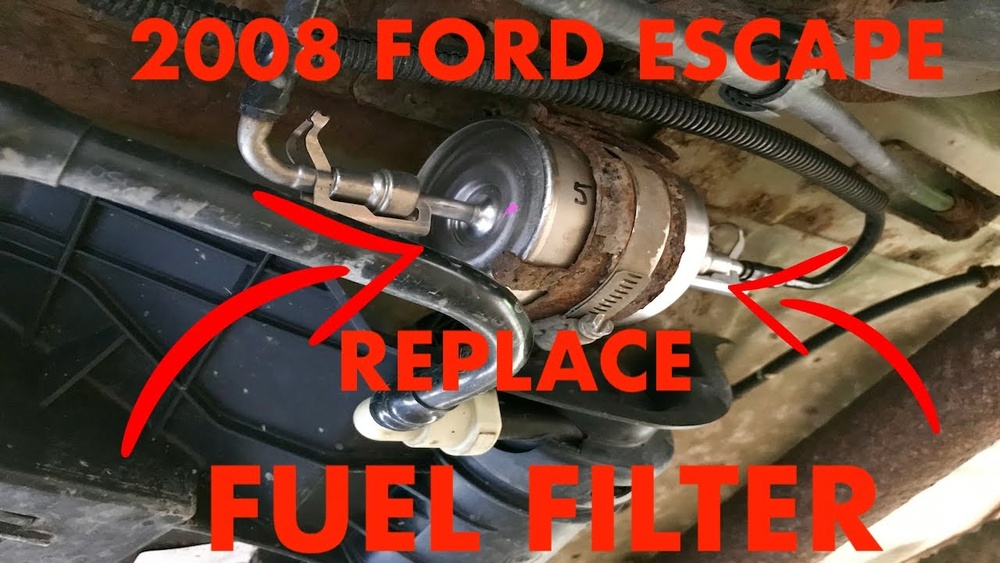
Check your vehicle manual for the fuel filter location. Usually, it is under the car near the fuel tank or engine. Look for a small canister with fuel lines attached. Clean the area around the filter before removal. This stops dirt from entering the fuel system.
Step-by-step Cleaning Process
Cleaning an inline fuel filter helps keep your engine running smoothly. Dirt and debris can block fuel flow. This step-by-step process shows how to clean your fuel filter safely and effectively. Follow these simple steps to maintain your vehicle’s performance.
Removing The Fuel Filter
Start by turning off the engine. Locate the fuel filter along the fuel line. Use gloves to protect your hands. Loosen the clamps or connectors holding the filter. Carefully remove the filter from the fuel line. Be ready to catch any fuel that may spill.
Cleaning Techniques
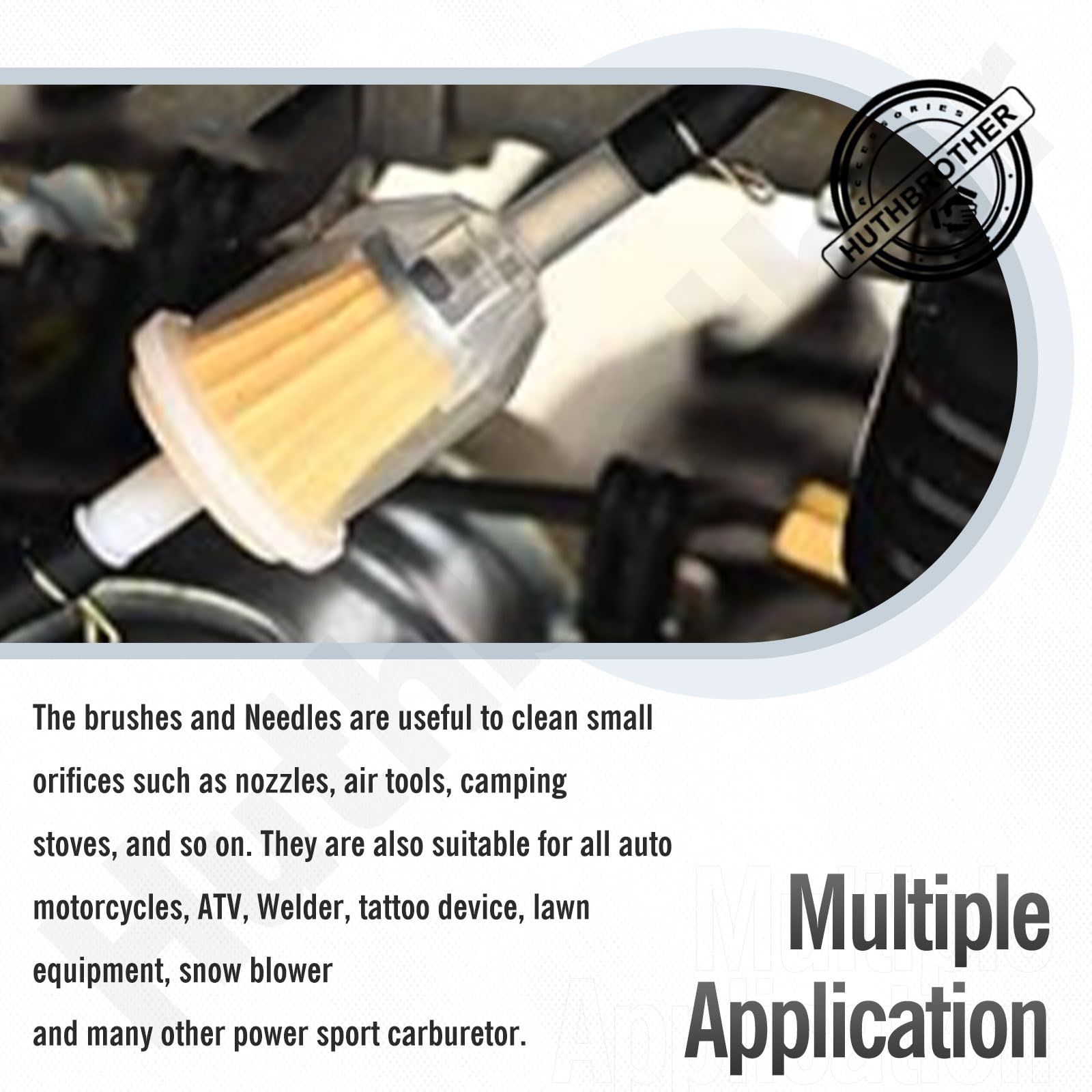
Use a clean container to soak the filter. Fill it with a fuel-safe cleaning solution. Submerge the filter completely and let it sit for 15 minutes. Gently shake the filter to loosen dirt. Use a soft brush to remove stubborn grime. Avoid using sharp tools that may damage the filter.
Drying And Inspecting
After cleaning, shake off excess liquid. Place the filter on a clean cloth to dry. Allow it to air dry completely before reinstalling. Check the filter for cracks or damage. Replace the filter if you find any defects. A clean, intact filter ensures better fuel flow and engine health.
Credit: yourpghlawyer.com
Reinstalling The Fuel Filter
Reinstalling the fuel filter is the final step after cleaning. This step ensures your engine runs smoothly. A correct installation prevents leaks and fuel flow problems. Take your time. Follow the steps carefully to avoid mistakes.
Proper Installation Tips
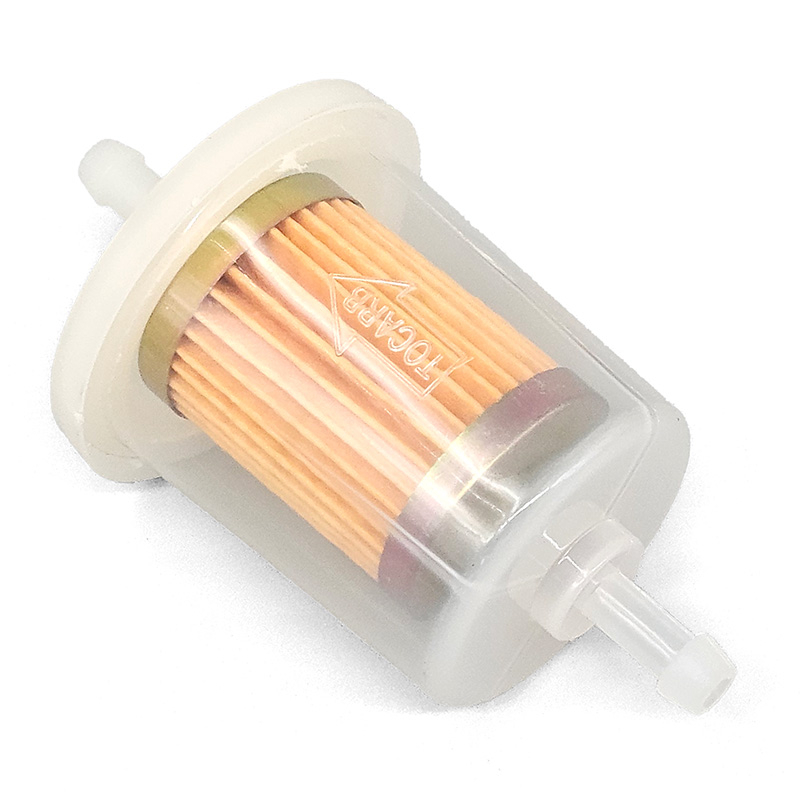
Place the fuel filter in the right direction. Most filters have an arrow showing fuel flow. Connect the fuel lines firmly to avoid slipping. Use new clamps if the old ones are weak. Tighten clamps just enough to hold the filter. Do not overtighten, as this can damage the filter. Make sure the filter sits securely in its holder. Check that no parts are loose before moving on.
Checking For Leaks
Start the engine and let it run for a few minutes. Watch the filter and fuel lines closely. Look for any signs of fuel dripping or wet spots. If you find leaks, turn off the engine immediately. Tighten the clamps or reconnect the fuel lines as needed. Repeat the check until no leaks appear. A leak-free filter keeps your vehicle safe and efficient.
Maintenance Tips For Fuel Filters
Keeping your fuel filter clean is very important for your engine’s health. A clean filter helps fuel flow smoothly and keeps dirt out of the engine. Regular care can prevent costly repairs and improve your vehicle’s performance.
Simple maintenance steps save money and extend the life of your fuel filter. Knowing when and how to clean or replace it keeps your vehicle running well.
Cleaning Frequency
Check your fuel filter every 10,000 miles or every six months. Clean it more often if you drive on dusty roads. A dirty filter slows fuel flow and hurts engine power.
Cleaning too often can damage the filter. Follow the car manual for the best schedule. Regular checks help spot problems early and keep fuel clean.
When To Replace Instead
Replace the fuel filter if cleaning does not improve fuel flow. Look for cracks, rust, or clogged parts that cleaning cannot fix. A worn filter lets dirt into the engine, causing damage.
Most manufacturers suggest replacing the fuel filter every 20,000 to 30,000 miles. Use a new filter to keep your engine safe and fuel system efficient.
Credit: northstarhotsy.com

Credit: www.ievilenergy.com
Frequently Asked Questions
How Often Should I Clean My Inline Fuel Filter?
Cleaning your inline fuel filter every 12,000 to 15,000 miles ensures optimal engine performance. Regular maintenance prevents clogging and fuel flow issues. Check your vehicle manual for specific intervals. Frequent cleaning extends filter life and protects your engine from dirt and debris.
What Tools Do I Need To Clean An Inline Fuel Filter?
You need basic tools like screwdrivers, pliers, and a container for fuel drainage. Safety gloves and eye protection are essential. A clean workspace and replacement filter, if needed, are helpful. Proper tools ensure safe and efficient filter cleaning without damage.
Can I Clean An Inline Fuel Filter Without Removal?
No, cleaning requires removal to access the filter element properly. Removing the filter prevents contamination and allows thorough cleaning. Attempting to clean it in place may damage the fuel system or cause leaks. Always follow safety steps during removal and cleaning.
What Cleaning Method Is Best For Inline Fuel Filters?
Use a gentle solvent or carburetor cleaner to remove dirt and debris. Soak the filter briefly, then rinse with clean fuel or solvent. Avoid harsh chemicals that damage filter material. Allow the filter to dry completely before reinstalling to prevent fuel contamination.
Conclusion
Cleaning your inline fuel filter keeps your engine running smooth. Dirt and debris can block fuel flow. Regular cleaning saves money and prevents engine problems. Use simple tools and follow safety steps carefully. Check the filter often to avoid surprises.
Clean filters help your vehicle last longer. Small effort, big results. Stay safe, take your time, and enjoy better performance.