

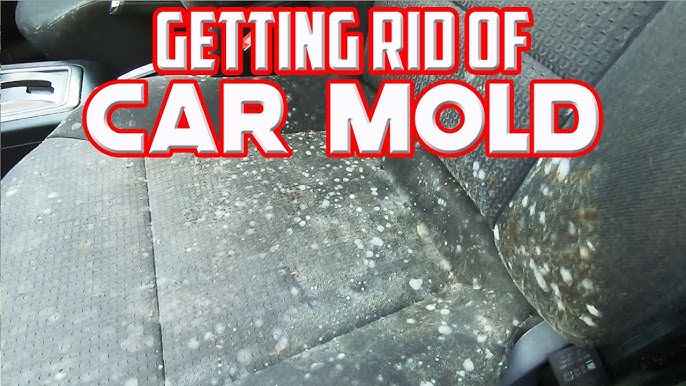
Is your car smelling musty or looking spotty with dark patches? That’s mould, and it can quickly damage your vehicle and affect your health.
But don’t worry—you can take control and clean mould from your car effectively. You’ll learn simple, step-by-step methods to get rid of mould for good. By following these easy tips, you’ll protect your car’s interior and breathe easier every time you drive.
Keep reading to discover how to make your car fresh and mould-free again.
Credit: www.youtube.com
Identify Mould Sources
Identifying the source of mould in your car is the first step to cleaning it effectively. Mould thrives in moist and hidden spots. Finding these areas helps stop mould from returning. Check common places where dampness gathers and air flow is limited. Use your senses to detect mould early before it spreads.
Check Damp Areas
Look under the seats and floor mats for wet patches. Damp carpets or upholstery often hide mould growth. Check inside door pockets and under the dashboard too. Water leaks from windows or doors cause moisture buildup. Dry these areas quickly to prevent mould.
Inspect Air Vents
Air vents can trap moisture and dust, creating mould spots. Turn on the air conditioning and smell for any musty odors. Remove vent covers and inspect inside for black or green spots. Clean vents with a soft brush and disinfectant to keep mould away.
Smell And Visual Signs
A strong musty smell inside the car signals mould presence. Watch for visible signs like black, white, or green patches on surfaces. Check the ceiling lining and seat seams carefully. Early detection lets you clean mould before it damages your car.
Credit: blog.halfords.com
Gather Cleaning Supplies
Gathering the right cleaning supplies is the first step to remove mould from your car. The right tools and agents make the job easier and safer. Prepare everything before you start cleaning. This helps avoid interruptions and ensures a thorough job.
Essential Cleaning Agents
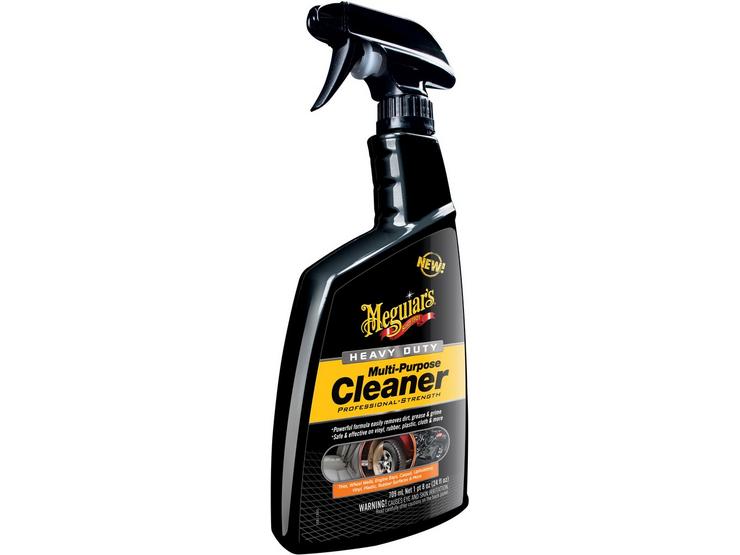
Choose cleaning agents that kill mould and remove stains. White vinegar is a natural, effective option. It kills mould spores and deodorizes. Baking soda works well for scrubbing surfaces and absorbing moisture. A mild detergent mixed with water helps lift dirt and grime. Avoid harsh chemicals that can damage car interiors.
Protective Gear
Wear protective gear to keep yourself safe. Use gloves to protect your skin from mould and cleaning agents. A mask prevents you from breathing in mould spores. Safety goggles shield your eyes from splashes. Dress in old clothes to avoid stains. Protection is important to avoid health risks.
Tools Needed
Gather tools that help you clean hard-to-reach spots. Soft brushes or old toothbrushes scrub mould gently. Microfiber cloths wipe surfaces without scratching. Spray bottles help apply cleaning agents evenly. A vacuum cleaner with a HEPA filter removes loose mould and dust. Having the right tools speeds up cleaning and improves results.
Prepare The Car Interior
Preparing the car interior is the first step to clean mould effectively. A clean, clear space helps you reach all affected areas. It also stops mould spores from spreading. Start by removing everything that doesn’t belong inside. Next, fresh air reduces moisture and helps dry out the car. Finally, vacuuming clears dust and loose mould. These steps make cleaning easier and safer.
Remove Personal Items
Take out all personal items from the car. This includes bags, clothes, and floor mats. Mould can hide on these objects. Removing them stops spores from spreading. Clean or toss items that have mould on them. Clearing the space helps you reach every corner.
Ventilate The Car
Open all doors and windows wide. Let fresh air flow through the car. Good airflow lowers moisture levels. Mould grows in damp places. Ventilation makes the car dry and less friendly for mould. Keep the car open for at least 30 minutes.
Vacuum Surfaces
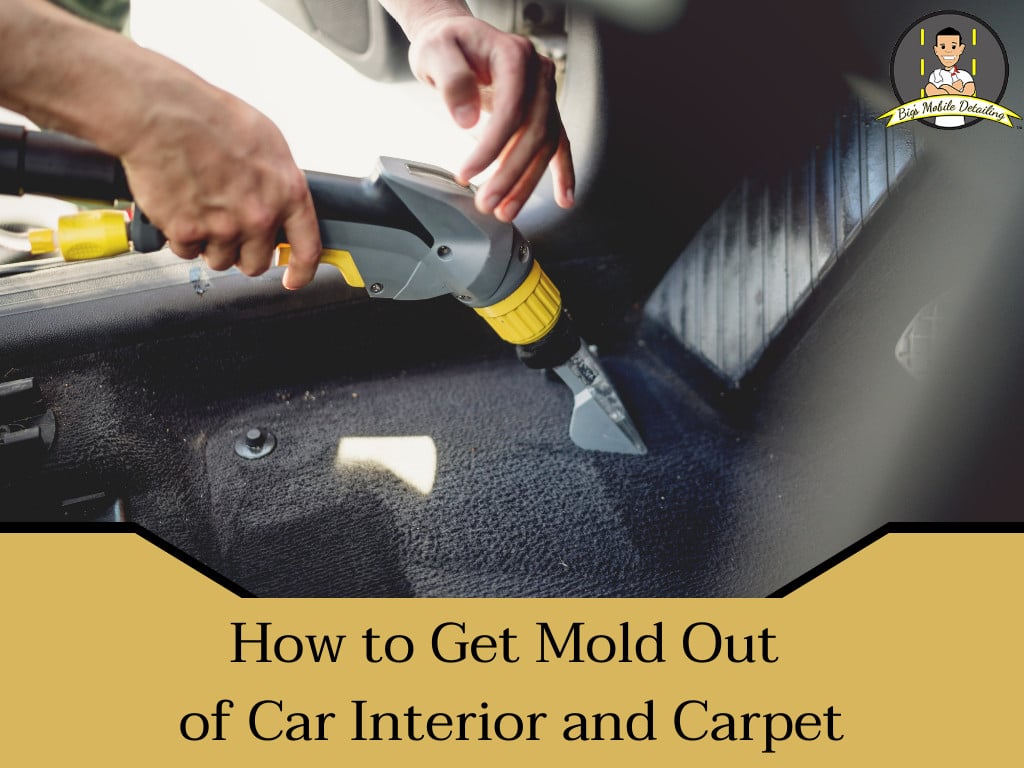
Use a vacuum cleaner with a brush attachment. Vacuum seats, carpets, and floor mats. This removes dust and loose mould spores. Move the vacuum slowly to catch all particles. Empty the vacuum bag or canister after use. This prevents mould spores from returning.
Credit: bigsmobile.com
Clean Mouldy Surfaces
Mould grows quickly in damp car interiors. Cleaning mouldy surfaces is key to a fresh, healthy car. Act fast to stop mould from spreading. Use the right methods for each surface type. This helps remove mould safely and thoroughly.
Treat Fabric And Upholstery
Start by vacuuming the fabric to remove loose spores. Mix water and mild detergent for cleaning. Lightly scrub the mouldy spots with a soft brush. Avoid soaking the fabric to prevent more mould. Let the fabric dry completely under sunlight if possible. Use a fabric-safe mould remover if stains persist.
Wipe Hard Surfaces
Hard surfaces like plastic and metal need wiping. Use a cloth dampened with a mix of water and vinegar. Wipe all mouldy areas thoroughly. For tough spots, apply a small amount of baking soda paste. Rinse with a clean damp cloth. Dry surfaces fully to avoid new mould growth.
Use Steam Cleaning
Steam cleaning kills mould spores effectively. Use a steam cleaner on fabric and hard surfaces. The high temperature destroys mould without chemicals. Move the steam cleaner slowly over mouldy areas. Allow the car interior to dry well after steam cleaning. This method helps prevent mould from coming back.
Dry And Deodorize
Drying and deodorizing are key steps after cleaning mould in your car. Moisture creates mould, so removing dampness stops mould from growing back. Deodorizing helps remove musty smells left by mould. This makes your car fresh and clean again.
Use Fans Or Dehumidifiers
Fans help move air and dry wet areas quickly. Place fans inside your car with windows open slightly. A dehumidifier pulls moisture from the air. Use it inside the car if possible. Both tools reduce humidity, making mould less likely to return.
Apply Odor Neutralizers
Odor neutralizers remove bad smells without covering them up. Spray or wipe them on affected areas. Choose products safe for car interiors. Natural options like baking soda can also absorb odors. Leave the car windows open after application to air it out.
Prevent Future Mould
Keep your car dry to stop mould growth. Avoid leaving wet clothes or towels inside. Fix leaks in windows or doors quickly. Use moisture absorbers or silica gel packs in the car. Regularly clean and air out your car to keep it fresh.
Maintain A Fresh Interior
Maintaining a fresh interior is key to preventing mould growth inside your car. A clean, dry, and well-ventilated space stops mould from finding a home. Simple habits help keep your car smelling fresh and looking good.
Regular Cleaning Routine
Clean your car interior often. Vacuum seats, carpets, and floor mats to remove dirt and moisture. Wipe down surfaces with a mild cleaner. This stops mould spores from settling and growing. Pay attention to hidden spots like under seats and in door pockets.
Keep Interior Dry
Dryness is the best defence against mould. Avoid leaving wet clothes or towels inside. Use absorbent mats or moisture absorbers to reduce humidity. Open windows or doors after driving to let fresh air in. This dries out any damp areas quickly.
Check For Leaks
Leaks can cause hidden damp spots in your car. Check door seals, windows, and sunroof for cracks or damage. Inspect the floor for wet patches after rain or washing. Repair leaks immediately to stop water from entering and causing mould growth.
Frequently Asked Questions
How Do I Remove Mould From Car Upholstery?
To remove mould from car upholstery, vacuum the area first. Then, use a mixture of water and vinegar to clean. Wipe with a clean cloth and let it dry completely to prevent mould from returning.
What Household Items Kill Mould In Cars Effectively?
White vinegar and baking soda are effective household items for killing mould. Vinegar kills mould spores, while baking soda absorbs moisture and deodorizes. Use them carefully on car surfaces to avoid damage.
Can Mould Damage My Car’s Interior?
Yes, mould can damage your car’s interior. It can stain fabrics, cause unpleasant odors, and degrade materials over time. Prompt cleaning is essential to protect your car and maintain a healthy environment inside.
How To Prevent Mould Growth In Cars?
Prevent mould by keeping your car dry and well-ventilated. Regularly clean spills, use moisture absorbers, and park in dry, shaded areas. These steps reduce humidity and prevent mould growth inside your car.
Conclusion
Cleaning mould in your car keeps it fresh and safe to drive. Act quickly to stop mould from spreading further. Use simple tools and natural cleaners for best results. Regularly check your car for damp spots and fix leaks fast.
Good airflow helps prevent mould growth inside your vehicle. A clean car means better health and comfort for everyone. Stay consistent with cleaning to avoid future mould problems. Your car will look better and smell nice again. Simple care makes a big difference every day.


