Your car’s undercarriage is one of the most overlooked parts when it comes to cleaning. But did you know that dirt, salt, and grime buildup there can cause serious damage over time?
If you want to keep your car running smoothly and looking great, knowing how to clean the undercarriage properly is a must. In this guide, you’ll discover simple and effective steps to get your car’s underside spotless and protected. Keep reading to learn how easy it is to give your car the care it truly needs.
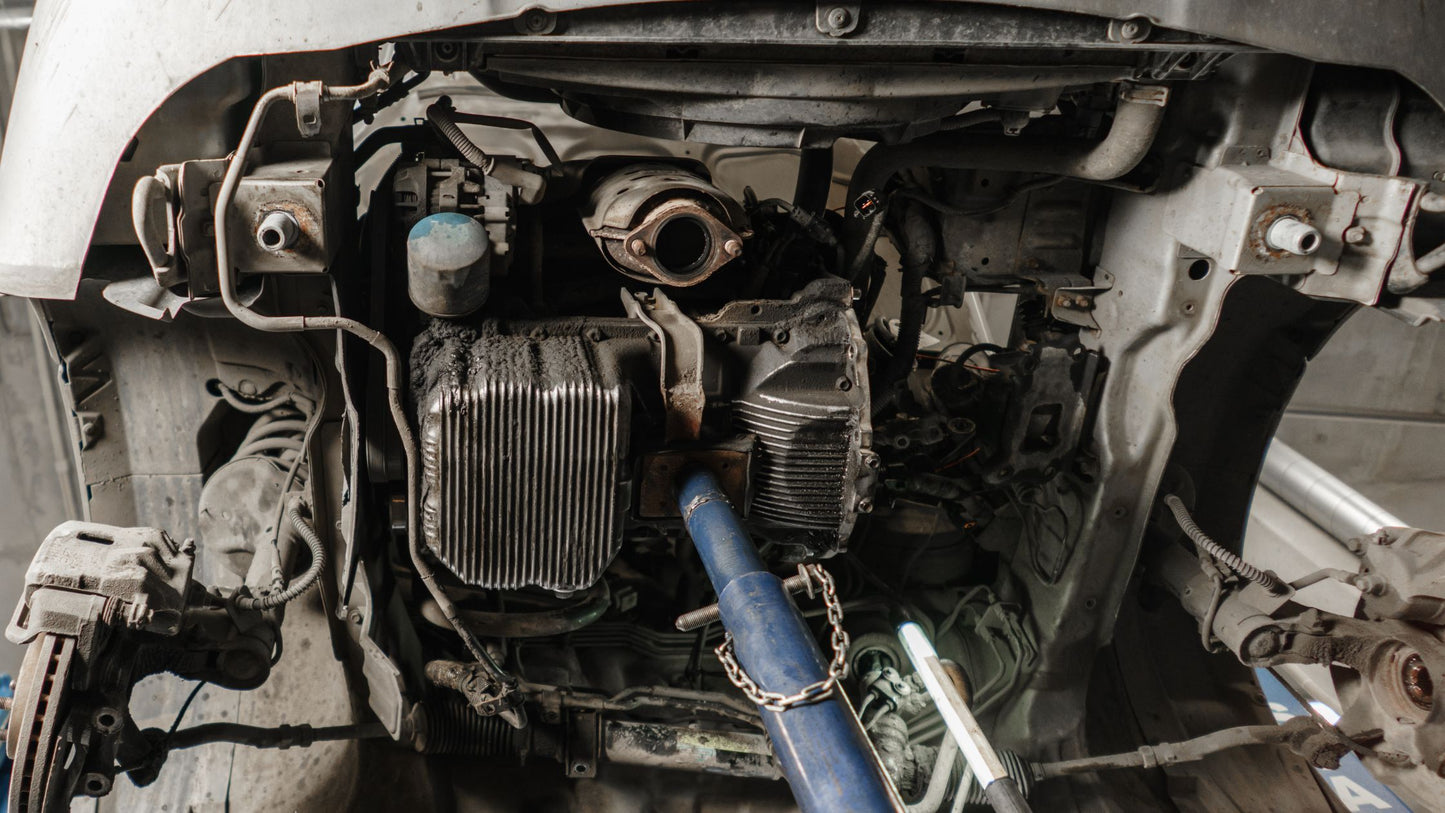
Credit: stonercarcare.com
Why Clean The Undercarriage
Cleaning the undercarriage of your car is often overlooked. Dirt, salt, and grime build up in hidden areas. This buildup can cause serious problems over time. Understanding why cleaning the undercarriage matters helps you keep your car in good shape.
Prevent Rust And Corrosion
Salt and moisture cause rust on metal parts under the car. Rust weakens the frame and other important parts. Washing away dirt and salt stops rust from forming. Regular cleaning protects the car’s structure for a longer life.
Improve Vehicle Performance
Dirt and debris can block important parts under the car. Blockages affect how the car runs and handles. A clean undercarriage keeps parts working smoothly. This helps the car drive better and saves money on repairs.
Enhance Safety
Rust or damage to undercarriage parts can cause failures. Brake lines, fuel lines, and suspension parts are at risk. Cleaning helps spot damage early and prevents accidents. A clean undercarriage contributes to safer driving conditions.
Tools And Materials Needed
Cleaning the undercarriage of your car needs the right tools and materials. These help remove dirt, grime, and rust effectively. Using proper equipment makes the job easier and safer. Prepare all items before starting to save time and effort.
Pressure Washer Or Hose
A pressure washer is best for deep cleaning the undercarriage. It blasts away mud and debris quickly. If you do not have one, use a strong garden hose. Aim the water at all corners under the car. Water helps loosen dirt and old grease.
Cleaning Brushes
Use stiff-bristled brushes to scrub tough spots. A long-handled brush reaches hard areas under the car. Smaller brushes help clean tight places like suspension parts. Brushes remove stuck dirt that water alone can’t clear.
Degreaser And Detergents
Choose a degreaser made for car parts. It breaks down oily and greasy buildup easily. Mix the degreaser with water as instructed. Use mild detergents to avoid damage to parts. These cleaners improve the overall cleanliness of the undercarriage.
Protective Gear
Wear gloves to protect your hands from chemicals and dirt. Safety glasses shield your eyes from splashes. Old clothes or coveralls keep your skin clean. Good footwear prevents slips on wet surfaces. Safety is important for a smooth cleaning process.
Preparing Your Vehicle
Preparing your vehicle is the first step to clean the undercarriage safely and well. Proper preparation helps avoid damage and makes cleaning easier. Follow these steps to get your car ready.
Park On A Flat Surface
Choose a flat, stable area to park your car. This stops the vehicle from rolling or shifting while you work. A level surface also makes lifting safer and more stable. Avoid slopes or uneven ground.
Lift The Car Safely
Use a reliable car jack to lift the vehicle. Place the jack under the correct lifting points. Check your car manual for these spots. Always use jack stands to support the car after lifting. Never rely only on the jack.
Remove Loose Debris
Before cleaning, clear out loose dirt, leaves, and mud. Use a brush or gloved hand to remove debris. This step prevents clogging and helps you see areas that need more cleaning. It also protects your tools from damage.
Step-by-step Cleaning Process
Cleaning your car’s undercarriage is important to keep it free from dirt and rust. The process involves a few clear steps. Follow them carefully for the best results. This guide breaks down the cleaning into simple tasks.
Rinse With Water
Start by rinsing the undercarriage with water. Use a hose with strong water pressure. This removes loose dirt and mud. Make sure to cover all areas beneath the car. A clean surface helps the cleaner work better.
Apply Degreaser
Next, spray a degreaser on the undercarriage. Choose one made for cars. It breaks down grease and oil easily. Let the degreaser sit for a few minutes. This loosens tough grime for easier cleaning.
Scrub Stubborn Areas
Use a brush to scrub dirty spots. Focus on parts with thick grime or rust. A stiff-bristled brush works best. Scrubbing removes dirt stuck deep in crevices. Take your time for a thorough clean.
Final Rinse
Finish by rinsing the undercarriage again. Wash away all the degreaser and loosened dirt. Use plenty of water to avoid residue. Check for any missed spots and rinse again if needed.
Drying And Inspecting
Drying and inspecting the car’s undercarriage is a key step after cleaning. Water can cause rust and damage if left on metal parts. Careful drying helps prevent these problems.
Inspection finds any issues early. It helps keep the undercarriage safe and extends the car’s life.
Use Compressed Air Or Cloth
Use compressed air to blow away water from hard-to-reach spots. It dries fast without touching the surface. If you do not have compressed air, use a clean cloth. Gently wipe the undercarriage to remove moisture. Make sure to dry all corners and crevices well. Avoid leaving any wet patches behind.
Check For Damage Or Rust
Look closely for any rust spots or damage. Rust appears as brown or orange patches on metal. Check for cracks, dents, or loose parts too. Early detection saves costly repairs later. Note any issues and plan to fix them soon. Regular inspections keep your car safe and in good shape.

Credit: www.youtube.com
Protecting The Undercarriage
Protecting the undercarriage is key to keeping your car in good shape. Dirt, salt, and water can cause rust and damage. Taking steps to shield this part helps your vehicle last longer. It also improves safety and performance. Simple treatments can block moisture and prevent corrosion. Here are two easy ways to protect the undercarriage.
Apply Rust Inhibitor
Rust inhibitors stop rust from forming on metal surfaces. Spray the product evenly on the undercarriage. Focus on areas prone to rust like seams and joints. Let the inhibitor dry before driving. Repeat this process every few months. Rust inhibitors create a protective barrier against moisture and salt. This simple step saves costly repairs later.
Use Undercarriage Coating
Undercarriage coatings add a thick, durable layer over the metal. This coating resists chips, scratches, and rust. Apply it with a brush or spray for full coverage. Check for cracks or peeling and reapply as needed. Coatings also reduce noise and vibration while driving. This extra protection keeps your undercarriage strong through all seasons.
Maintenance Tips
Maintaining the undercarriage of your car keeps it safe from rust and damage. Dirt, salt, and debris can build up and cause problems. Regular care helps your car last longer and perform better. Follow these simple tips to keep the undercarriage clean and healthy.
Regular Cleaning Schedule
Set a routine for cleaning the undercarriage. Aim to wash it every few weeks, especially after driving on rough or dirty roads. Use a hose or pressure washer to remove mud and grime. This prevents buildup that can cause rust over time. Regular cleaning keeps the metal parts strong and free from damage.
Seasonal Considerations
Adjust your cleaning habits with the seasons. In winter, salt and chemicals on roads can harm the undercarriage. Wash your car more often during this time to remove these harmful substances. During rainy seasons, mud and dirt can pile up quickly. Clean the undercarriage after heavy rains to avoid corrosion. Seasonal care protects your car all year long.
Avoiding Common Mistakes
Do not skip cleaning the undercarriage just because it is hard to reach. Ignoring it leads to rust and costly repairs. Avoid using harsh chemicals that can damage parts. Use mild soap and water instead. Do not spray water into sensitive areas like the engine or exhaust. Be gentle but thorough to keep your car safe and clean.

Credit: www.youtube.com
Frequently Asked Questions
How Often Should I Clean My Car’s Undercarriage?
Cleaning your car’s undercarriage every 3 to 6 months is ideal. Frequent cleaning prevents rust and removes dirt, salt, and debris. If you drive on salted roads or off-road, clean it more often to protect metal parts and maintain vehicle longevity.
What Tools Do I Need To Clean Undercarriage Effectively?
You need a pressure washer or hose with a spray nozzle, a stiff brush, and car-safe cleaning detergent. Protective gloves and eye protection are recommended. These tools help remove grime, mud, and road salt efficiently without damaging parts.
Can I Clean The Undercarriage At Home Safely?
Yes, cleaning at home is safe if you use proper equipment and avoid electrical components. Use a pressure washer or hose in a well-ventilated area. Avoid high-pressure water near sensitive parts to prevent damage and ensure thorough cleaning.
Why Is Cleaning The Undercarriage Important?
Cleaning removes dirt, salt, and debris that cause rust and corrosion. It improves vehicle safety by preventing damage to brakes and suspension. Regular cleaning also enhances your car’s resale value by maintaining its condition and appearance.
Conclusion
Cleaning your car’s undercarriage helps prevent rust and damage. Regular cleaning keeps your vehicle in good shape. Use simple tools and safe cleaners for best results. Take your time and follow safety steps carefully. A clean undercarriage improves your car’s performance and lifespan.
Keep this task part of your regular car care routine. Your car will thank you with better durability and safety. Simple effort, big benefits.