

Want to make your car shine like new without spending hours scrubbing? Using a pressure washer can be a game-changer for your car cleaning routine.
But if you’re unsure how to do it right, you might damage your paint or miss spots. In this guide, you’ll learn exactly how to clean your car with a pressure washer the smart way—saving time and getting impressive results.
Keep reading, and you’ll discover simple steps that protect your car while giving it a spotless finish.
Benefits Of Using A Pressure Washer
Using a pressure washer to clean your car saves time and effort. It removes dirt and grime quickly. The powerful spray reaches spots that are hard to clean by hand. This tool protects your car’s paint by using the right pressure.
Pressure washers use less water than a garden hose. They make washing your car more eco-friendly. The strong water flow helps avoid scrubbing, which can cause scratches. Your car looks cleaner and shinier after washing with a pressure washer.
Efficient Dirt Removal
The high-pressure water removes mud, dust, and road salt easily. It cleans tight spaces like wheel wells and undercarriages. This thorough cleaning keeps your car in better condition. Dirt that hides in corners does not stand a chance.
Time-saving Cleaning
A pressure washer cleans large surfaces fast. You spend less time washing your car. The quick rinse means you finish the job in minutes. More time for yourself, less time with a sponge.
Water Conservation
Pressure washers use water more efficiently than hoses. They deliver water directly to dirty spots. This reduces water waste during car washing. Saving water helps the environment and lowers bills.
Protects Your Car’s Paint
Pressure washers clean gently with the right setting. No harsh scrubbing that can damage paint. They remove dirt without scratching the surface. Your car’s paint stays smooth and bright longer.
Credit: porch.com
Choosing The Right Pressure Washer
Choosing the right pressure washer is key to cleaning your car effectively. The wrong machine can damage your paint or leave dirt behind. Knowing what to pick saves time and protects your vehicle. Focus on the power, nozzle types, and the type of pressure washer.
Pressure Levels To Consider
Pressure washers come with different pressure levels, measured in PSI. For cars, choose a washer with 1200 to 1900 PSI. This range cleans well without harming the paint. Too much pressure can cause scratches or peel the paint. Lower pressure is safer for delicate parts like decals and trim.
Nozzle Types And Uses
Nozzles change how water sprays from the washer. A 25-degree nozzle is good for general cleaning. It sprays water in a wider fan to cover more area. A 40-degree nozzle is gentler, perfect for rinsing soap off. Avoid the 0-degree nozzle; it sprays water in a strong, narrow jet that can damage your car’s surface.
Electric Vs Gas Pressure Washers
Electric washers are quiet and easy to use. They are lighter and need less maintenance. They work well for light to medium cleaning jobs. Gas washers are stronger and better for heavy dirt. They are louder and heavier but provide more power. For car cleaning, electric washers usually do the job well.
Preparing Your Car For Cleaning
Preparing your car for cleaning is an important step before using a pressure washer. This process helps protect your car’s surface and ensures a thorough clean. Taking time to prepare can prevent damage and make washing easier.
Removing Loose Dirt And Debris
Start by removing loose dirt and debris from your car. Use a soft brush or a handheld broom to sweep off leaves, dust, and small stones. This stops the dirt from scratching your car during washing. Focus on the wheels and lower parts of the car where dirt collects most.
Protecting Sensitive Areas
Cover sensitive areas like mirrors, exhaust tips, and electrical parts with plastic wrap or tape. This prevents water from entering and causing damage. Be gentle with these parts to avoid breaking or loosening them during cleaning.
Gathering Necessary Supplies
Collect all supplies before starting. You need a pressure washer, car soap, microfiber cloths, and a bucket. Having everything ready saves time and keeps the process smooth. Check that your pressure washer has the right nozzle for car cleaning.
Step-by-step Cleaning Process
Cleaning your car with a pressure washer can save time and effort. Follow a clear process to get the best results. Each step helps remove dirt and protect your car’s paint. Use gentle pressure and the right tools for a safe wash.
Rinsing The Car
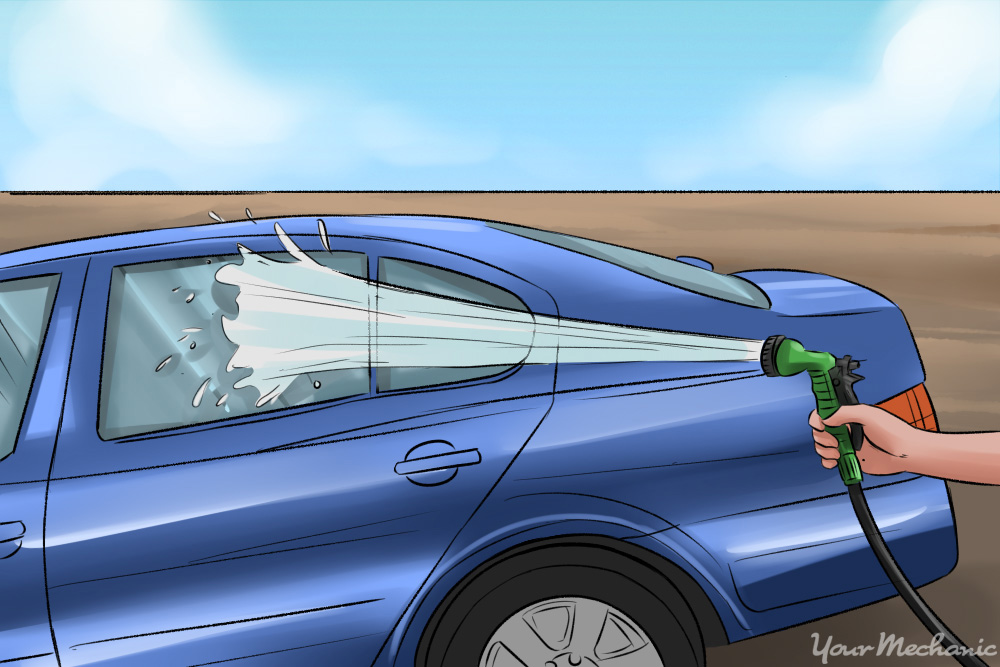
Start by rinsing your car with clean water. Use a wide spray to remove loose dirt and dust. Hold the nozzle 12 to 18 inches from the surface. Avoid spraying directly at sensitive parts like mirrors or windows.
Applying Detergent
Use a car-safe detergent for the next step. Attach a foam cannon or soap nozzle to the pressure washer. Spray the detergent evenly over the entire car. Let it sit for 5 minutes to break down grime. Do not let the soap dry on the surface.
Scrubbing Stubborn Spots
Some areas need extra attention. Use a soft brush or microfiber cloth for tough dirt. Gently scrub spots like wheels, bumpers, and undercarriage. Avoid harsh scrubbing to protect the paint. Rinse the brush often to prevent scratching.
Final Rinse And Drying
Rinse off all soap with clean water. Use a low-pressure setting and wide spray. Make sure no detergent remains on the car. Dry your car with a clean microfiber towel or chamois. This prevents water spots and streaks.
Safety Tips For Pressure Washing Cars
Cleaning your car with a pressure washer is quick and effective. Safety is very important. Using the right methods protects your car and yourself. Follow these safety tips for the best results.
Safe Distance And Pressure Settings
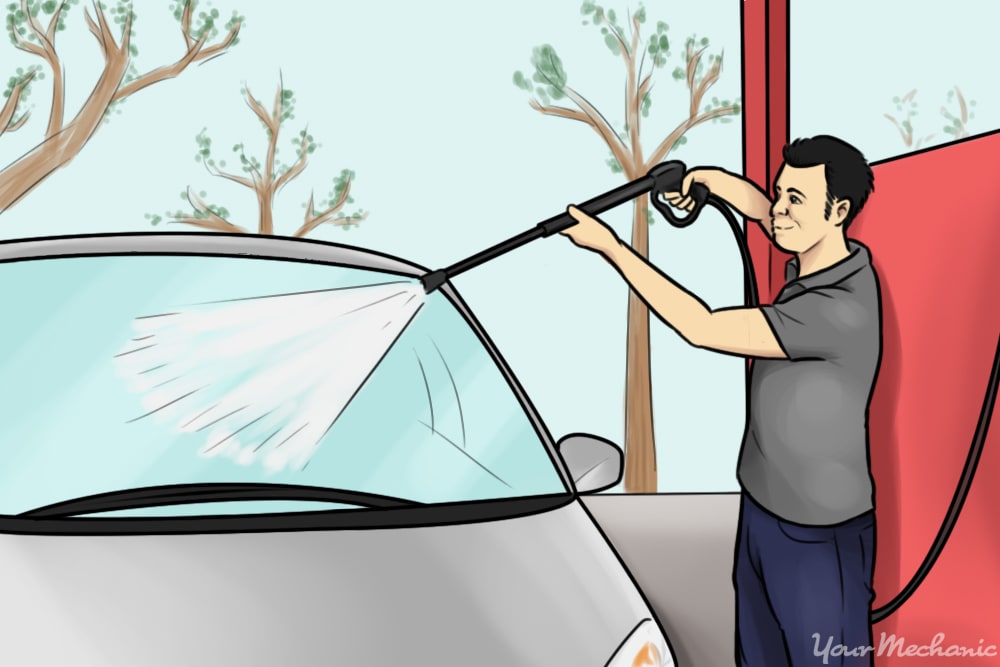
Keep the pressure washer nozzle at least 12 inches from the car’s surface. Closer distance can damage the paint and parts. Use a low pressure setting, about 1200 to 1900 PSI. High pressure can cause dents and scratches. Start with the lowest setting and increase only if needed.
Avoiding Paint Damage
Do not spray directly on weak spots like decals or trim. Avoid holding the nozzle still in one place. Move the spray in smooth, even strokes. Use a wide spray tip to spread the water pressure. Test on a small area first to check for damage.
Protecting Yourself
Wear safety glasses to protect your eyes from dirt and debris. Use gloves to keep your hands safe and dry. Avoid pointing the pressure washer at people or pets. Stand on stable ground to prevent slips or falls. Turn off the washer when not in use.
Maintaining Your Pressure Washer
Keeping your pressure washer in good shape helps it last longer and work better. Regular care stops clogs and damage. It also saves money on repairs. Simple steps make a big difference for your cleaning tool.
Cleaning Nozzles And Hoses
Nozzles and hoses can get dirty or blocked. Use a small brush to clear dirt from nozzles. Rinse them with clean water after each use. Check hoses for cracks or leaks. Replace damaged parts to keep water flow strong and steady.
Storage Tips
Store your pressure washer in a dry place. Avoid leaving it outside where rain can reach it. Drain water from hoses and pump before storage. This prevents freezing and damage in cold weather. Cover the machine to keep dust off.
Regular Maintenance Checks
Inspect your pressure washer often. Look for loose bolts or worn parts. Check oil levels and change oil as needed. Test the spray pressure to ensure it stays powerful. Fix small problems early to avoid big repairs.
Common Mistakes To Avoid
Cleaning your car with a pressure washer can save time and effort. Still, mistakes can cause damage or poor results. Avoiding common errors ensures a safe and effective wash. Follow simple tips to protect your car’s paint and parts.
Using Too High Pressure
High pressure can damage your car’s paint and trim. Use a setting below 2000 PSI for washing cars. Keep the nozzle at least 12 inches away. Test on a small area first to check the effect.
Not Pre-washing The Car
Dirt and debris can scratch the paint when sprayed directly. Rinse your car with water to loosen dirt. Use a foam cannon or soap to cover the surface before pressure washing.
Ignoring The Nozzle Angle
Spraying at a sharp angle can harm seals and paint. Hold the wand at a 45-degree angle for best results. Spray straight on flat surfaces, but avoid tight corners and edges.
Using The Wrong Detergent
Harsh chemicals can strip wax and damage paint. Use detergents made for cars only. Follow the instructions on how to dilute and apply the soap properly.
Skipping Rinse After Soap
Leaving soap on the car can leave marks or residue. Always rinse thoroughly after washing. Use clean water and check for soap spots before drying.
Not Drying The Car
Water spots form if the car air-dries. Use a microfiber towel to dry the surface gently. This step keeps the paint shiny and clean.
Credit: www.yourmechanic.com
Credit: porch.com
Frequently Asked Questions
How Do I Safely Use A Pressure Washer On My Car?
Use a low-pressure setting and keep the nozzle 12-18 inches away. Avoid spraying directly at sensitive areas like windows and seals to prevent damage.
What Detergent Is Best For Pressure Washing Cars?
Choose a car-specific, biodegradable detergent designed for pressure washers. It effectively removes dirt without harming the paint or environment.
Can Pressure Washing Damage My Car’s Paint?
Yes, using high pressure or incorrect techniques can chip or scratch paint. Always use recommended settings and maintain a safe distance to protect your car.
How Often Should I Clean My Car With A Pressure Washer?
Cleaning every 2-4 weeks is ideal to remove dirt and grime buildup. Frequent washing preserves your car’s finish and prevents corrosion.
Conclusion
Cleaning your car with a pressure washer saves time and effort. Use the right pressure to avoid damage. Start from the top and work downwards. Rinse off soap thoroughly to prevent streaks. Regular washing keeps your car looking fresh and protects the paint.
A pressure washer makes this job easier and faster. Try these simple steps for a clean, shiny car. Your car will thank you for the care.


