

Your steering wheel is one of the most used parts of your car, yet it often gets overlooked when it comes to comfort and style. Imagine gripping a smooth, leather-covered wheel every time you drive—feeling the difference instantly.
Covering your steering wheel with leather not only boosts its look but also improves your grip and driving experience. If you want to give your car’s interior a fresh, luxurious touch while protecting your wheel from wear and tear, this guide is made just for you.
Keep reading to discover simple, step-by-step tips that will help you transform your steering wheel quickly and easily.
Credit: delicate-leather.com
Benefits Of Leather Steering Covers
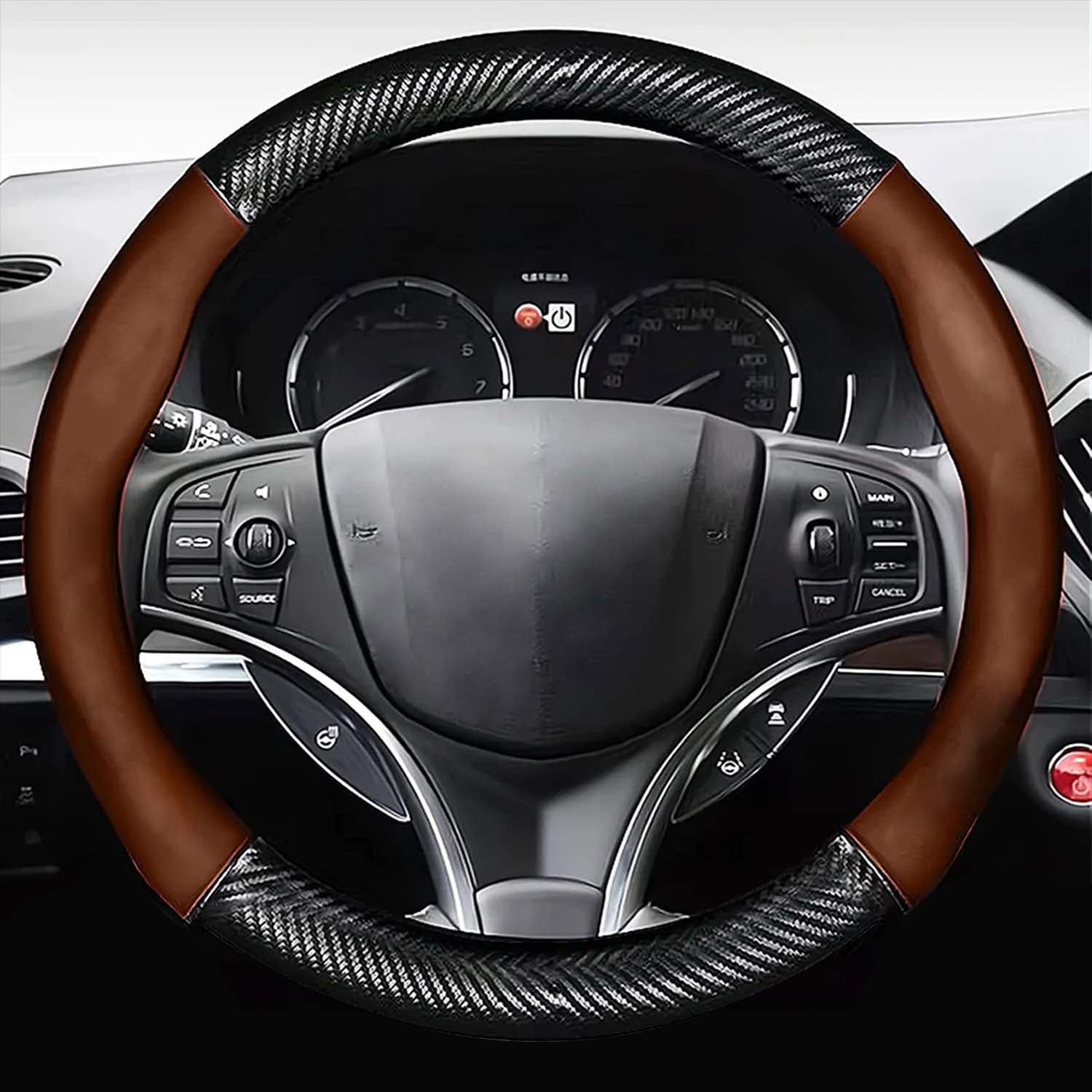
Leather steering covers bring many benefits to your driving experience. They improve how your hands feel on the wheel and add style to your car’s interior. Leather also protects the steering wheel from damage and wear. These advantages make leather covers a smart choice for any driver.
Improved Grip And Comfort
Leather offers a soft but firm grip. It helps prevent your hands from slipping. This makes driving safer and more comfortable. Leather also feels better in both hot and cold weather. You avoid sticky or cold steering wheels with a leather cover.
Enhanced Interior Appearance
Leather adds a touch of luxury to your car’s inside. It looks clean and stylish. A leather cover can match your car’s seats and trim. This small change improves the overall look of your vehicle.
Durability And Protection
Leather is strong and lasts a long time. It protects the steering wheel from scratches and sun damage. This keeps the wheel looking new for years. Leather covers also prevent dirt and sweat from harming the wheel.
Credit: leather-auto-seats.com
Materials Needed
Covering your steering wheel with leather requires specific materials. Using the right items ensures a smooth and lasting finish. Prepare everything before starting for the best results.
Choosing The Right Leather
Select leather that is soft and flexible. Thin leather works best for wrapping around curves. Genuine leather offers durability and a premium look. Synthetic leather can be easier to clean and maintain. Pick a color that matches your car’s interior.
Essential Tools And Accessories
You will need strong thread and a curved needle for sewing. Leather glue helps hold the edges in place. Scissors must be sharp for clean cuts. Use a ruler or measuring tape for accuracy. A seam roller can press seams flat. Lastly, have a pair of gloves to protect your hands.
Preparing The Steering Wheel
Preparing the steering wheel is the first step to a smooth leather cover installation. It sets the stage for a neat and long-lasting result. Take time to do it right.
Cleaning and measuring the wheel are key tasks. Dirt or old cover residue can stop the leather from sticking well. Measuring ensures the cover fits perfectly without wrinkles or gaps.
Cleaning And Removing Old Covers
Start by removing any old cover carefully. Pull it off slowly to avoid damage to the wheel. Use a cloth and mild soap to clean the wheel’s surface. Remove all dirt, oils, and sticky residues. Let it dry fully before moving on. A clean wheel helps the leather cover stay in place longer.
Measuring For A Perfect Fit
Use a flexible tape to measure the steering wheel’s circumference. Measure around the thickest part, not the thin edges. Also, check the diameter from one side to the other through the center. Write down these numbers. Compare them with your leather cover’s size. Proper measurement prevents loose or tight fitting covers.
Cutting The Leather
Cutting the leather is a key step in covering your steering wheel. It shapes the leather to fit perfectly around the wheel. Accurate cutting ensures a smooth fit and a neat look. Take your time and be precise. This section explains how to mark the leather and cut it with care.
Marking The Leather Pattern
Start by making a pattern for your leather piece. Use paper to create a template that matches your steering wheel’s size. Wrap the paper around the wheel and trace the outline. Add extra space for stitching and adjustments.
Transfer the paper pattern onto the leather. Use a pencil or chalk to mark the leather gently. Avoid pressing too hard to prevent permanent marks. Double-check your lines before cutting.
Techniques For Precise Cutting
Use a sharp utility knife or leather scissors to cut the leather. Sharp tools give clean edges and reduce mistakes. Cut slowly along the marked lines for accuracy.
Place the leather on a cutting mat to protect surfaces. Keep your hand steady and follow the pattern closely. Avoid cutting too fast or pushing too hard to prevent tears.
After cutting, check the leather piece against the steering wheel. Make small trims if needed for a perfect fit. Clean cuts help the leather wrap smoothly around the wheel.
Attaching The Leather Cover
Attaching the leather cover to your steering wheel is a key step. It gives the wheel a smooth, stylish finish. Take care during this process. Proper attachment ensures the cover fits tightly and lasts long. Follow simple steps to secure the leather firmly.
Aligning The Leather On The Wheel
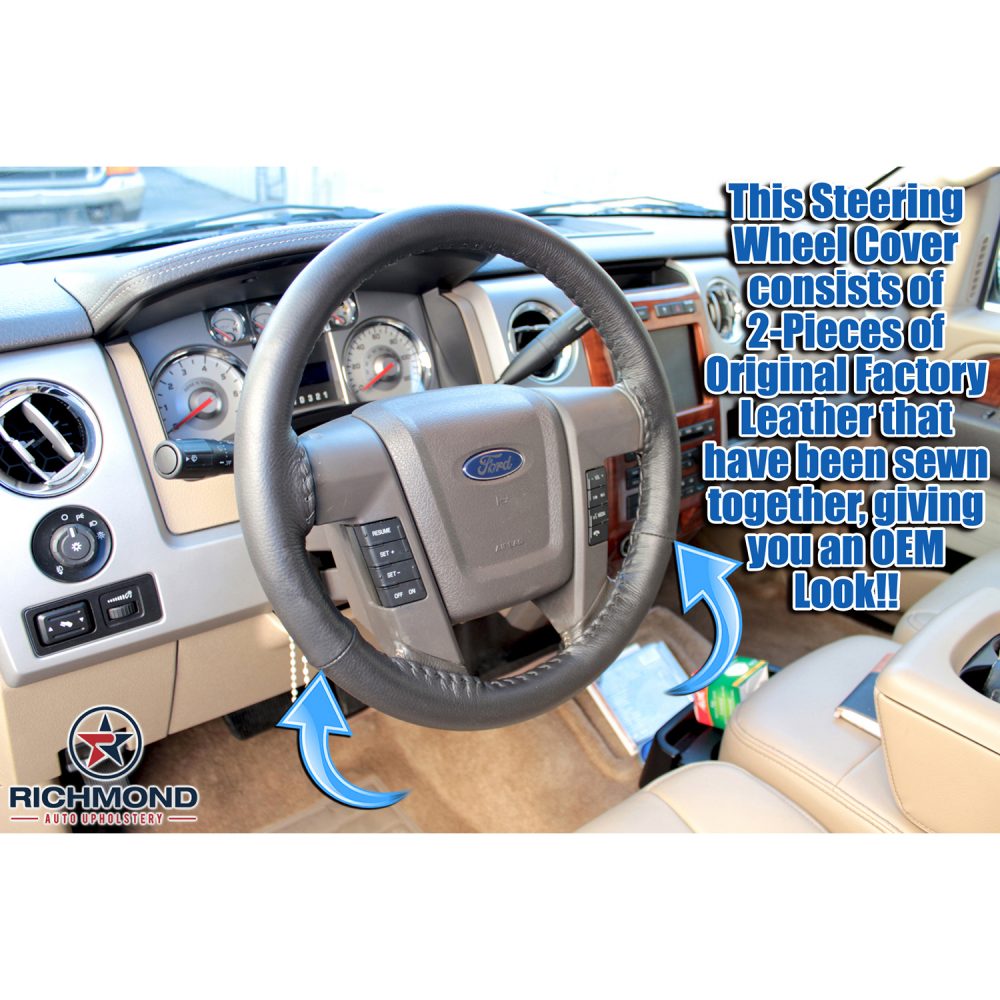
Start by placing the leather cover over the steering wheel. Check that the seams match the wheel’s shape. Smooth out wrinkles and folds carefully. Ensure the leather lies flat without stretching. Proper alignment avoids loose or tight spots later. Take your time to position the cover evenly all around.
Sewing Or Gluing Methods
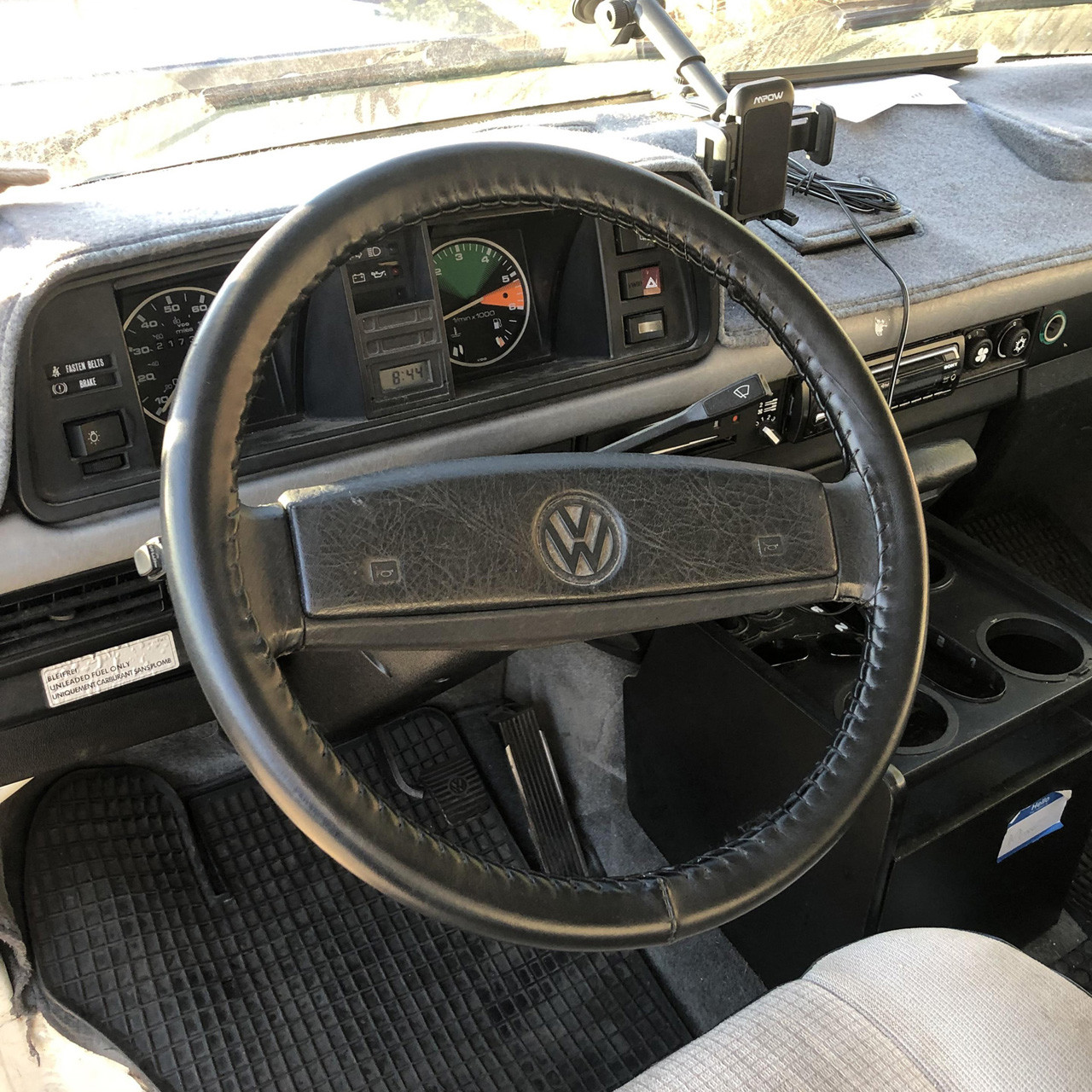
Two main ways attach the leather: sewing or gluing. Sewing uses strong thread to stitch the cover edges. Use a curved needle for better control. Sew tightly to hold the leather in place. Gluing involves applying adhesive on the wheel or cover. Press the leather firmly to bond the surfaces. Choose a glue made for leather and plastic. Both methods need patience and steady hands. Pick the one that suits your skills and tools best.
Credit: vancafe.com
Finishing Touches
Finishing touches make your leather steering wheel cover look neat and last longer. These final steps ensure the cover fits tightly and feels smooth. Taking time here improves both appearance and comfort.
Securing Loose Ends
Check the leather edges for any loose ends. Tuck them under the cover or trim carefully with scissors. Use a strong adhesive or double-sided tape to hold the ends firmly. This stops the leather from peeling or moving while driving.
Sewing the ends with a needle and thread adds extra strength. Choose thread color that matches the leather for a clean look. Pull stitches tight but not too tight to avoid wrinkles.
Conditioning The Leather
Apply a leather conditioner to keep the material soft and flexible. Use a small amount on a cloth and rub gently over the cover. This protects leather from drying out and cracking over time.
Let the conditioner soak in for a few minutes before wiping off any extra. Regular conditioning helps maintain the cover’s shine and durability. It also makes the steering wheel pleasant to touch every day.
Maintenance Tips
Maintaining your leather steering wheel cover keeps it looking fresh and lasting longer. Proper care prevents damage and keeps the leather soft. Follow these tips to keep your cover in top shape.
Cleaning The Leather Cover
Use a soft cloth to wipe the cover regularly. Avoid harsh chemicals that can dry out leather. Mild soap mixed with water works well for deeper cleaning. Gently rub the cloth on the cover and wipe it dry. Allow the leather to air dry naturally. Do not use a hairdryer or direct sunlight to speed drying.
Preventing Wear And Tear
Keep your hands clean before driving to avoid dirt buildup. Avoid sharp objects near the cover to prevent scratches. Use a leather conditioner every few months to keep the leather soft. Store your car in shade to protect the cover from sun damage. Regular care extends the life of your leather steering wheel cover.
Frequently Asked Questions
How Do I Choose The Right Leather For My Steering Wheel?
Select high-quality, durable leather that feels comfortable. Consider thickness and texture for grip and longevity. Genuine leather offers the best durability and appearance.
What Tools Are Needed To Cover A Steering Wheel With Leather?
You need leather, needle, strong thread, scissors, and adhesive. A stitching awl and pliers can help with tight stitching. Proper tools ensure a smooth, professional finish.
How Long Does It Take To Cover A Steering Wheel With Leather?
It usually takes 1 to 2 hours for beginners. Experienced individuals may finish faster with practice. Time varies depending on stitching complexity and leather type.
Can I Cover My Steering Wheel Without Removing It?
Yes, but removing the wheel makes the process easier and cleaner. Covering it on the car requires patience and careful handling to avoid damage.
Conclusion
Covering your steering wheel with leather adds comfort and style. It also protects the wheel from wear and tear. The process is simple and can be done at home. Take your time to fit the leather tightly for best results.
This small upgrade can improve your driving experience. Enjoy a better grip and a sleek look. Try it yourself and see the difference. A leather cover is a smart, easy way to refresh your car’s interior.


