

Are you worried someone might be secretly tracking your car? Finding a hidden GPS tracker can feel overwhelming, but it doesn’t have to be.
Knowing how to detect a GPS tracker on your car gives you control and peace of mind. You’ll learn simple, practical steps to spot these devices quickly and easily. Keep reading, because protecting your privacy starts with knowing exactly what to look for.

Credit: konnectgps.com
Signs Of A Hidden Gps Tracker
Hidden GPS trackers on cars are small and hard to find. They help others follow your car without your knowledge. Knowing the signs helps protect your privacy and safety.
Some clues may seem small but can reveal a hidden device. Check your car carefully for anything unusual or out of place.
Unusual Devices Under The Vehicle
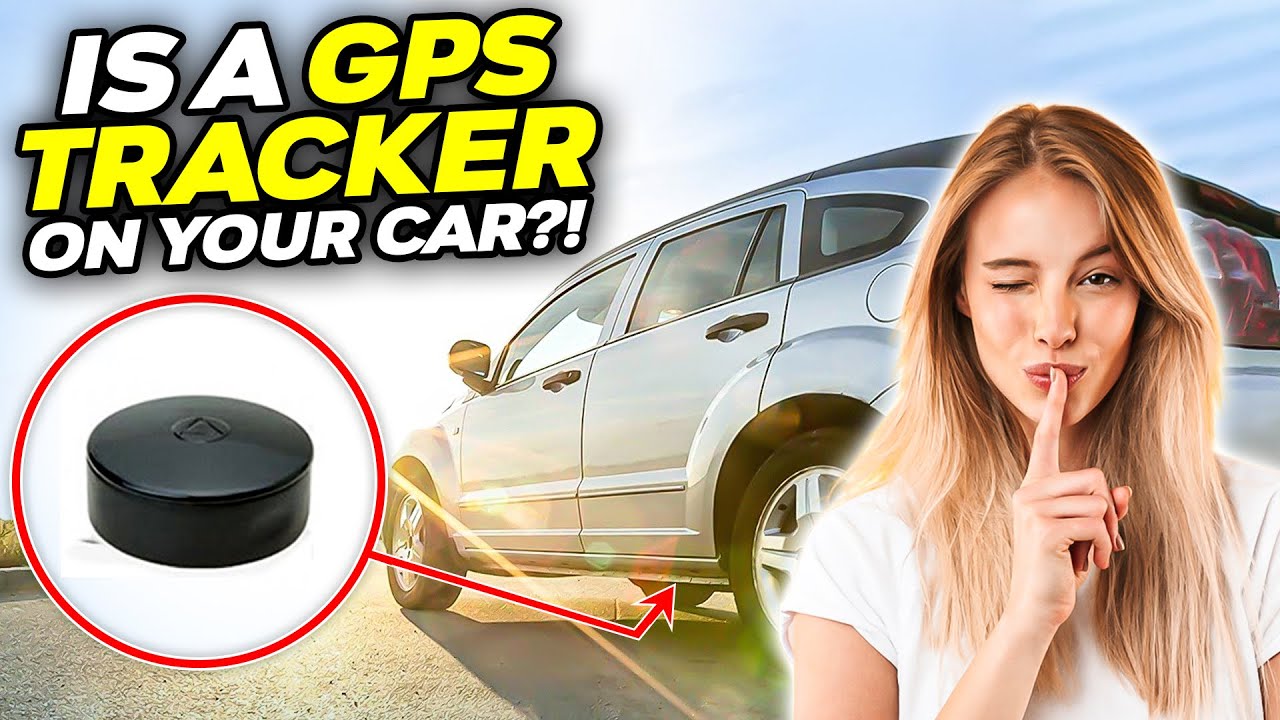
Look under your car for small boxes or gadgets stuck to the frame. GPS trackers are often hidden there. They may be black or dark-colored to blend in. Use a flashlight and mirror for a better view. Any device attached with tape or glue should raise suspicion.
Strange Wiring Or Magnets
GPS trackers need power to work. Notice any wires that do not belong to your car’s normal system. Loose or new wires near the battery or under the dashboard are suspicious. Many trackers use strong magnets to hold on. Feel for magnets on the metal parts under your car. Strange wiring or magnets could mean a tracker is present.
Unexpected Battery Packs
Some trackers have their own battery to stay hidden. Check for small battery packs that look out of place. These may be tucked behind panels or under seats. A fresh battery pack with no clear purpose is a red flag. Trackers with batteries can work for weeks without being noticed.
Credit: www.youtube.com
Using Technology To Find Trackers
Technology offers useful tools to find hidden GPS trackers on cars. These devices detect signals or frequencies that trackers emit. Using these tools helps spot trackers quickly and accurately. Understanding how each device works can save time and effort.
Gps Signal Detectors
GPS signal detectors scan for satellite signals used by trackers. They alert you if a strong GPS signal is nearby. Many models show signal strength on a screen. This helps narrow down the exact location of the tracker. These detectors are portable and easy to use.
Radio Frequency (rf) Scanners
RF scanners detect radio waves from active trackers. They pick up signals even if the tracker does not use GPS. These scanners can find hidden devices inside or outside the car. Some RF scanners have audible alarms or vibrations for alerts. Regularly scanning your car with an RF scanner can improve security.
Mobile Apps For Tracker Detection
Certain mobile apps can help find trackers using your smartphone. These apps scan for Bluetooth or Wi-Fi signals from trackers. Some apps also detect unusual network activity. While less powerful than dedicated devices, apps are convenient and budget-friendly. They provide a good first step for tracker detection.
Manual Inspection Tips
Manual inspection is a simple and effective way to find hidden GPS trackers on a car. It involves carefully checking the vehicle by hand. This method does not need special tools or technology. Anyone can do it with patience and attention to detail.
Focus on areas where trackers are easy to hide. Check the outside and inside of the car. Look for small devices that seem out of place. Trust your eyes and hands.
Checking Common Hiding Spots
Start by examining popular hiding spots for GPS trackers. Look under the bumpers and near the license plate. These places are easy to access and often used.
Check inside the wheel arches. Look behind panels or inside plastic covers. Trackers are usually small and blend in with car parts.
Use a flashlight to see dark areas clearly. Feel around with your fingers to find unusual bumps or shapes. Any object that looks odd should be checked closely.
Inspecting The Undercarriage And Wheel Wells
The undercarriage is a favorite spot for trackers. Look along the frame and near the exhaust pipe. Trackers here may be attached with magnets or tape.
Wheel wells hide devices well because they are hard to see. Run your hand around the edges and inside the wells. Look for anything that does not belong.
Shake or tap suspicious objects gently. A hollow sound might mean a tracker is inside. Take your time and be thorough.
Looking Inside The Vehicle
Check inside the car carefully. Common spots include under seats and inside seat cushions. Also, look inside the glove box and center console.
Examine the dashboard, especially near vents and panels. Trackers can be hidden inside small spaces or behind trim.
Remove floor mats and check beneath them. Small devices can be taped or stuck under these mats. Use your sense of touch to find anything unusual.

Credit: blog.eyespysupply.com
Preventive Measures To Avoid Tracking
Preventive measures help protect your car from unwanted GPS tracking. Taking steps to secure your vehicle reduces risks. These actions increase your privacy and peace of mind.
Parking In Secure Locations
Choose well-lit, busy parking areas. Private garages and secured lots are better. Avoid isolated or dark spots. These locations make it harder to place trackers.
Regular Vehicle Inspections
Check your car often for strange devices. Look under the chassis and inside wheel wells. Inspect the dashboard and seats carefully. Early detection stops tracking before it starts.
Using Gps Jamming Devices Legally
Research local laws before using GPS jammers. Some places allow jammers for personal privacy. Use only approved devices and settings. Misuse can cause legal trouble or fines.
What To Do If You Find A Tracker
Finding a GPS tracker on your car can be unsettling. Knowing the right steps can protect your privacy and safety. Act quickly but carefully to avoid any risks. Follow clear actions to handle the situation properly.
Documenting The Device
Take clear photos of the tracker from different angles. Note down its exact location on your car. Write down any numbers or labels on the device. Keep this information safe for future use. This helps provide proof if needed later.
Contacting Authorities
Report the tracker to local law enforcement immediately. Share the photos and details you recorded. Explain why you believe the device was placed without your permission. Authorities can investigate and guide you on the next steps. Do not try to handle legal matters alone.
Removing The Tracker Safely
Turn off your car’s engine before removing the device. Use gloves to avoid leaving fingerprints. Carefully detach the tracker without damaging your vehicle. Avoid destroying the device, as it may be evidence. Store it in a safe place until authorities advise you.
Frequently Asked Questions
How Can I Find A Hidden Gps Tracker On My Car?
Check common hiding spots like under the chassis, wheel wells, and inside the glove box. Use a GPS detector device to scan for signals. Inspect wiring for unusual additions and seek professional help if unsure.
What Tools Help Detect Gps Trackers In Vehicles?
Use GPS detector devices or RF signal detectors to find active trackers. A smartphone app can sometimes identify Bluetooth or Wi-Fi trackers. Physically inspect the vehicle for unfamiliar gadgets or wiring.
Can A Gps Tracker Be Found Without Professional Help?
Yes, by thoroughly inspecting your vehicle and using affordable GPS or RF detectors. Look for small devices hidden in common areas. However, professionals have advanced tools for more thorough detection.
How Often Should I Check My Car For Gps Trackers?
Regularly inspect your vehicle every few months or after parking in public places. Frequent checks help detect unauthorized trackers early and maintain your privacy and security.
Conclusion
Detecting a GPS tracker on your car is important for privacy. Check common hiding spots carefully. Use simple tools like a flashlight or signal detector. Trust your instincts if something feels unusual. Stay calm and act quickly if you find a tracker.
Protect your vehicle by doing regular checks. Small efforts can keep your location safe. Stay aware and keep control of your privacy.


