If you want your car to look smooth, shiny, and protected, clay waxing is one of the best things you can do. But maybe you’re wondering, how exactly do you do clay waxing of your car?
Don’t worry—you’re about to learn a simple, step-by-step way to make your car’s paint feel brand new. By the time you finish this article, you’ll know exactly how to remove dirt, grime, and impurities that washing alone can’t fix. Ready to give your car a professional finish that turns heads?
Let’s dive in and get your car shining like never before.
Benefits Of Clay Waxing
Clay waxing offers many benefits for car owners. It cleans and protects your car’s paint. This process makes the surface smooth and shiny. It also helps the wax stick better and last longer.
Enhancing Paint Smoothness
Clay waxing removes rough spots on your car’s paint. It glides over the surface, making it feel soft and smooth. This smoothness improves the car’s look and touch. A smooth surface also reduces dirt buildup.
Removing Contaminants
Clay bars pull out tiny dirt and grime stuck in the paint. These contaminants can’t be removed by washing alone. Removing them prevents damage like scratches and dullness. Clean paint means better protection and shine.
Improving Wax Adherence
Wax sticks better to a clean, smooth surface. Clay waxing creates the perfect base for wax application. This means your wax will last longer and protect better. Strong wax protection keeps your car looking fresh.

Credit: www.youtube.com
Tools And Materials Needed
Before starting clay waxing on your car, gather all necessary tools and materials. Having the right supplies makes the process smooth and effective. It ensures your car gets a clean, shiny finish without damage.
Choosing The Right Clay Bar
Pick a clay bar designed for automotive use. It should be soft enough to avoid scratching paint. Clay bars come in different grades: fine, medium, and heavy-duty. Fine clay works best for light contaminants. Medium suits regular dirt and pollution. Heavy-duty clay is for tough grime. Choose based on your car’s condition.
Selecting Quality Wax
Use wax made specifically for cars. Car wax protects paint and adds shine. Choose paste, liquid, or spray wax. Paste wax lasts longer but is harder to apply. Liquid wax spreads easily and dries fast. Spray wax offers quick touch-ups. Select wax with UV protection for extra defense.
Additional Supplies
Gather microfiber towels to avoid scratches. Use a spray bottle filled with clay lubricant. This keeps the clay bar slick and safe on paint. Have a bucket with clean water for rinsing towels. Wear gloves to keep hands clean and avoid oils on paint. Keep all supplies handy for an easy process.
Preparing Your Car
Preparing your car is the first step before clay waxing. Clean and dry the surface well. This helps the clay bar work better. Dirt and grime can cause scratches. A clean car makes the waxing process smooth and effective.
Take your time with each step. Proper preparation gives the best results. Here are key tasks to prepare your car correctly.
Thorough Washing
Start with washing your car carefully. Use car shampoo and water. Avoid household soaps that can damage paint. Wash from top to bottom. Rinse off all dirt and dust.
Use a soft sponge or mitt. Clean wheels and tires separately. Make sure no grime remains on the surface. This step removes loose dirt and contaminants.
Drying Techniques
Dry your car with a clean microfiber towel. Pat the surface gently to avoid scratches. Do not rub hard. Use several towels if needed.
Air drying can leave water spots. Towels help prevent this. Focus on areas where water collects, like door edges and mirrors.
Inspecting The Surface
Look closely at your car’s paint. Check for spots, stains, or rough patches. Use good lighting or sunlight. This helps find problem areas.
Run your hand over the surface. Feel for bumps or sticky spots. These spots show where the clay bar will work best. Note any areas with stubborn dirt or tree sap.

Credit: www.turtlewax.com
Clay Waxing Step-by-step
Clay waxing your car restores its smoothness and shine. It removes dirt and grime that regular washing misses. Follow these steps carefully for the best results. The process combines cleaning with protection to keep your car looking fresh.
Lubricating The Surface
Spray a clay lubricant or soapy water on the car’s paint. The surface must stay wet to avoid scratches. Work on small sections at a time. Apply enough spray to keep the clay bar moving smoothly.
Using The Clay Bar Properly
Take a piece of clay and shape it into a flat block. Gently rub the clay over the lubricated section. Use light pressure and move in straight lines. Stop if the clay picks up dirt; fold it to a clean side. Continue until the paint feels smooth to touch.
Applying Wax Evenly
Use a foam applicator or microfiber cloth for the wax. Apply a thin, even layer on the cleaned surface. Work in small circles or straight strokes. Let the wax dry to a haze before buffing. Use a clean microfiber towel to polish the surface to shine.
Tips For Best Results
Clay waxing your car can make its surface smooth and shiny. To get the best results, follow some important tips. These tips help protect your car’s paint and keep it looking fresh for longer. Small steps matter. They make a big difference in how well the clay wax works.
Avoiding Common Mistakes
Do not use clay bar on a dry car. Always wash and wet the car first. Use a lubricant spray to avoid scratches. Do not press too hard with the clay bar. Work in small sections for better control. Replace the clay if it feels rough or dirty. Avoid using clay on very hot surfaces. These mistakes can damage your car’s paint.
Maintaining The Finish
After clay waxing, apply a good quality wax or sealant. This protects the smooth surface and adds shine. Clean the car regularly to keep dirt away. Use soft cloths to wipe the surface gently. Park the car in shade to avoid sun damage. Avoid harsh chemicals that can remove the wax. Proper care keeps your car looking new.
Frequency Of Clay Waxing
Clay waxing should be done two to three times a year. This depends on your car’s exposure to dirt and weather. Overdoing it can wear out the paint. Too little clay waxing may not clean the surface well. Check the paint’s feel to decide when to clay wax again. Regular care keeps your car smooth and shiny longer.
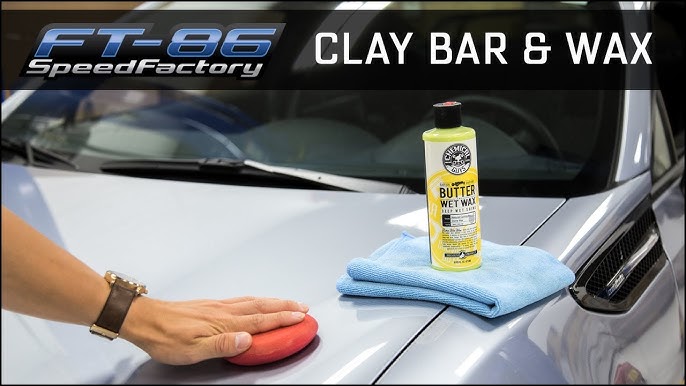
Credit: www.youtube.com
Troubleshooting Issues
Clay waxing your car can bring a smooth and shiny finish. Still, some problems may arise during the process. These issues can affect the look and feel of your car’s paint. Fixing them quickly helps keep your car in great shape.
Dealing With Stubborn Contaminants
Sometimes, clay bars cannot remove all dirt or tar. These contaminants stick tightly to the paint. Use a stronger clay lubricant or a specialized cleaner. Rub gently with the clay bar in small sections. Repeat until the surface feels smooth.
Fixing Uneven Wax Application
Uneven wax leaves patches and streaks on the car. Use a clean microfiber cloth to buff the wax. Apply wax in thin, even layers next time. Work in small areas to control the amount of wax. This ensures a consistent shine across the surface.
Handling Scratches
Light scratches may appear after clay waxing. Use a scratch remover or polish made for cars. Apply it carefully with a soft cloth. For deep scratches, consult a professional. Do not try to fix severe damage by yourself.
Aftercare And Maintenance
After completing the clay waxing process, your car needs proper care to keep its shine. Aftercare and maintenance help protect the smooth surface and extend the wax’s life. Following simple steps can keep your car looking fresh and clean for longer.
Washing Post Waxing
Wait at least two days before washing your car after waxing. This gives the wax time to harden and bond with the paint. Use a gentle car shampoo and soft sponge or cloth. Avoid harsh chemicals or strong detergents. Wash with cool water to protect the wax layer. Dry the car with a clean microfiber towel to avoid scratches.
Protecting The Shine
Park your car in shaded areas to avoid direct sunlight. Sunlight can fade the wax and paint over time. Use a car cover if parking outside for long periods. Avoid parking under trees that drop sap or bird droppings. Clean any contaminants quickly to prevent damage. Regularly inspect the surface for dirt or marks and remove them gently.
When To Reapply Wax
Check your car’s shine every few weeks. If water no longer beads on the surface, it’s time to reapply wax. Most waxes last about 6 to 8 weeks. Reapplying keeps the paint protected and shiny. Follow the same clay waxing process for best results. Regular waxing enhances the car’s look and protects the paint from dirt and weather.
Frequently Asked Questions
What Is Clay Waxing And Why Use It On Cars?
Clay waxing removes contaminants from your car’s surface. It smooths the paint and enhances wax adhesion. This process protects the paint and improves shine. It is essential for maintaining a clean, glossy finish on your vehicle.
How Often Should I Clay Wax My Car?
Clay waxing is recommended every 6 months or before waxing. Frequency depends on driving conditions and environment. Regular clay waxing keeps the paint smooth and contaminant-free. It helps maintain your car’s appearance and longevity.
Can I Clay Wax My Car At Home Safely?
Yes, clay waxing can be done safely at home. Use proper clay bars, lubricant, and gentle pressure. Avoid using too much force to prevent paint damage. Follow step-by-step instructions for the best results.
What Materials Do I Need For Clay Waxing?
You need a clay bar, lubricant spray, microfiber towels, and car wash supplies. Choose a high-quality clay bar suitable for your paint type. Having all materials ready ensures an effective and smooth process.
Conclusion
Clay waxing your car removes dirt and leaves a smooth surface. It helps the wax stick better and protects your paint. Take your time and use gentle pressure for best results. Regular clay waxing keeps your car looking clean and shiny.
Try this simple step to maintain your car’s finish easily. Your car will thank you with a fresh, polished look.