

You just finished washing your car, and it looks great. But what about drying it?
If you leave water spots or streaks, all your hard work could be ruined. Drying your car the right way not only keeps it shining but also protects the paint from damage. You’ll discover simple, effective steps to dry your car quickly and perfectly every time.
Keep reading to learn how to get that flawless finish you’ve been aiming for.

Credit: www.youtube.com
Choosing The Right Towel
Choosing the right towel is key to drying your car well. The right towel helps avoid scratches and water spots. It also saves time and effort. Picking the best towel depends on material, size, and thickness. Understanding these factors helps you dry your car quickly and safely.
Microfiber Vs Cotton
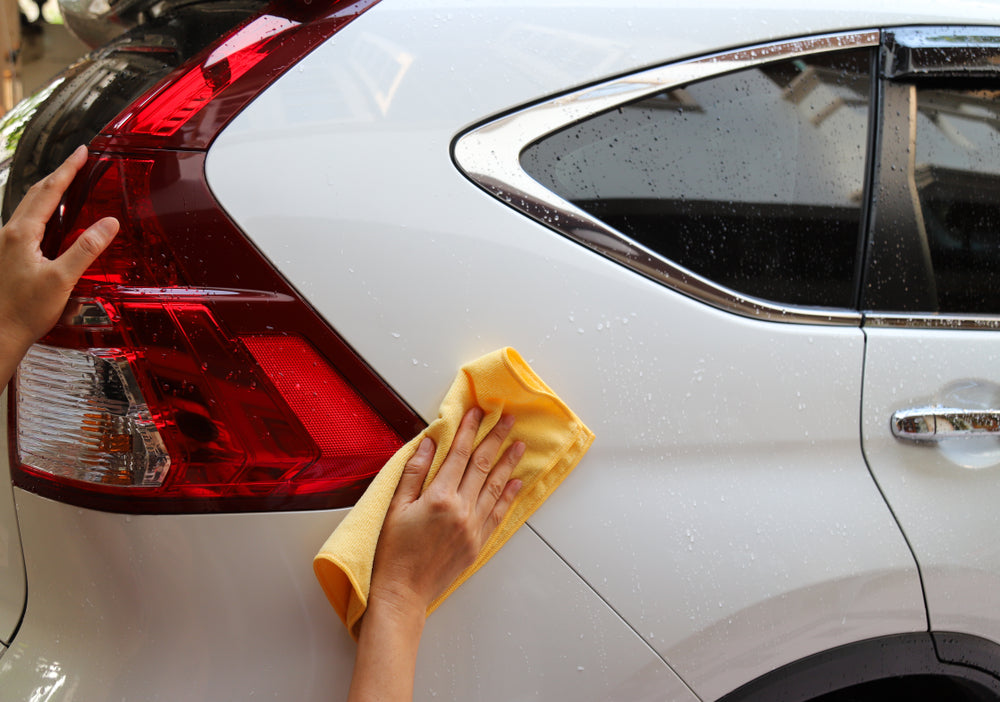
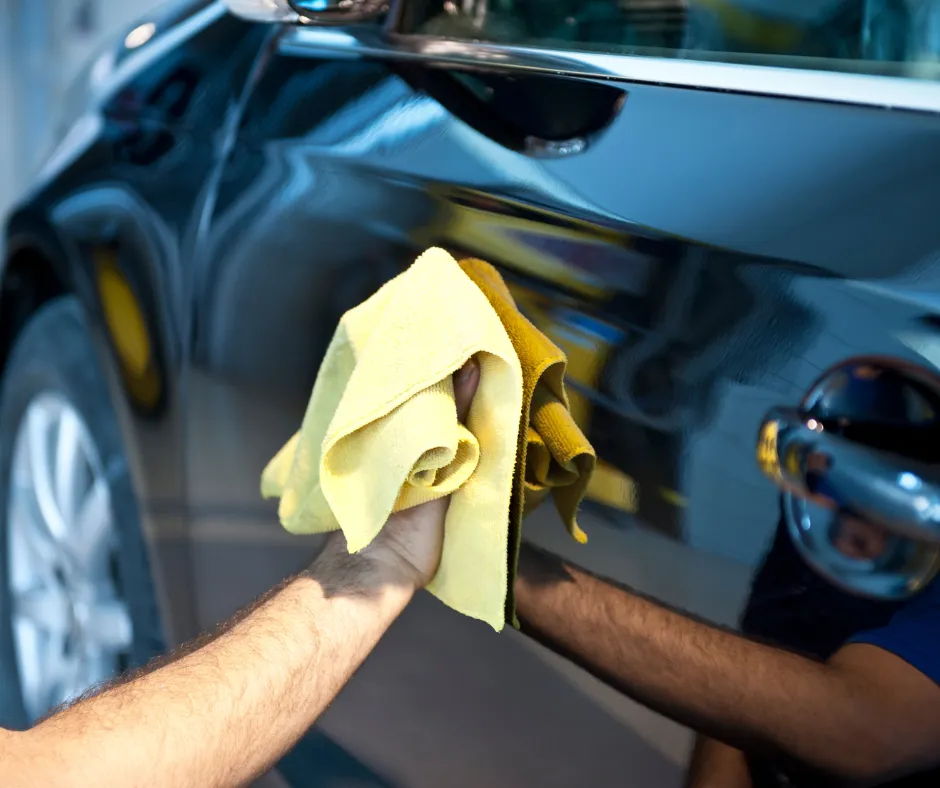
Microfiber towels hold more water than cotton ones. They are soft and gentle on car paint. Microfiber picks up dirt and dust without scratching. Cotton towels can absorb water but may leave lint behind. Microfiber dries cars faster and cleaner. Choose microfiber for better protection and quick drying.
Size And Thickness Matters
Bigger towels cover more surface and reduce drying time. Thick towels absorb more water but can be heavy when wet. Thin towels dry fast but may need more passes. Find a balance between size and thickness. A medium-thick, large towel works best for most cars.
Effective Drying Techniques
Drying a car properly after washing is important. It helps avoid water spots and streaks on the paint. Using the right drying techniques keeps your car looking shiny and new. Some methods work better for certain parts of the car. Understanding these techniques makes the process easier and faster.
Blotting Vs Wiping
Blotting means gently pressing a cloth on the wet surface. It absorbs water without pushing it around. This method reduces scratches on the paint. Wiping moves the cloth across the surface to remove water. It can cause tiny scratches if done too hard. Soft microfiber towels work best for both methods. Blotting is best for delicate or curved parts. Wiping works well on flat surfaces with less risk of damage.
Using A Leaf Blower
A leaf blower can dry a car quickly without touching the paint. It blows air to remove water from tight spots and crevices. This method prevents scratches and water spots. Use a blower with moderate air power to avoid damaging parts. Keep the blower moving to dry all areas evenly. It works well after washing with no need for towels. Using a leaf blower saves time and keeps your car safe from scratches.
Avoiding Water Spots
Water spots ruin a fresh car wash. They happen when water drops dry on your car’s surface. Minerals in water leave marks that look like stains. Avoiding water spots keeps your car shiny and clean longer. Quick drying helps stop these spots from forming. Use the right tools and methods to dry your car fast and well.
Timing Your Drying
Dry your car right after washing. Do not wait for water to dry on its own. Sunlight and heat cause water spots to appear fast. Choose a shaded area to wash and dry your car. Start drying while the car is still wet. This prevents minerals from sticking to the paint.
Using Quick Detailer Spray
Quick detailer spray helps remove water spots instantly. Spray it on wet areas before drying. It loosens mineral deposits and dust. Use a clean microfiber towel to wipe the surface. This method adds shine and protects paint. Quick detailer spray makes drying easier and faster.
Drying Hard-to-reach Areas
Drying hard-to-reach areas of your car after washing is important. These spots often hold water and dirt. If left wet, they can cause rust and stains. Using the right tools makes drying easier and faster.
Mirrors And Door Jams
Mirrors and door jams are small and tricky to dry. Use a microfiber cloth to gently wipe the mirror edges. For door jams, a soft brush or small towel works well. Open the doors wide to access every corner. Make sure no water is left trapped inside.
Wheels And Tires
Wheels and tires collect dirt and brake dust. Dry them with a thick towel or microfiber cloth. Use a smaller brush to reach inside spokes and crevices. Avoid letting water sit on metal parts to prevent rust. Drying tires also helps keep them clean longer.
Maintaining Your Towels
Maintaining your towels is key to drying your car effectively. Clean, soft towels dry faster and protect your car’s paint. Take good care of them to keep them working well. Proper care helps towels last longer and stay absorbent.
Proper Washing
Wash towels separately from other laundry. Use mild detergent and avoid fabric softeners. Fabric softeners reduce towel absorbency. Wash in warm water to remove dirt and oils. Rinse towels thoroughly to remove detergent residue. Do not use bleach, as it can damage fibers.
Storage Tips
Store towels in a dry, clean place. Avoid damp or humid areas that cause mildew. Fold towels neatly to prevent wrinkles and damage. Keep towels away from direct sunlight to avoid fading. Use a breathable container or shelf for storage. Fresh towels make drying your car easier and safer.
Credit: cleantools.net
Credit: rocketcarwash.com
Frequently Asked Questions
What Is The Best Way To Dry A Car After Washing?
The best way is to use a microfiber towel or a soft chamois. They absorb water quickly and prevent scratches. Start from the roof and work downwards. Avoid air drying to prevent water spots and streaks.
Can I Use A Regular Towel To Dry My Car?
Regular towels can cause scratches and swirl marks on your car’s paint. Use microfiber towels or specialized drying cloths. These materials are gentle and highly absorbent, protecting your vehicle’s finish while efficiently removing water.
How Do I Prevent Water Spots When Drying My Car?
Dry your car immediately after washing to avoid water spots. Use clean microfiber towels to soak up water quickly. Avoid drying under direct sunlight or hot conditions as they cause faster evaporation and leave spots.
Is It Necessary To Dry A Car After Washing?
Yes, drying is essential to prevent water spots, streaks, and mineral deposits. It also helps maintain the car’s paint condition and overall appearance. Skipping drying can lead to unsightly marks and potential paint damage over time.
Conclusion
Drying your car carefully keeps its paint safe and shiny. Use a soft towel or microfiber cloth for best results. Avoid letting water spots form by drying soon after washing. Pat or gently wipe the surface to prevent scratches. Take your time; rushing can cause damage.
Clean and dry cars look better and last longer. Simple steps make a big difference in car care. Keep your vehicle looking fresh with proper drying habits. A little effort goes a long way.


