

Are you ready to transform your car, laptop, or furniture with a sleek vinyl wrap but don’t know where to start? Fitting vinyl wrap might seem tricky at first, but with the right steps, you can achieve a smooth, professional finish all by yourself.
Imagine giving your belongings a fresh, eye-catching look without spending a fortune. In this guide, you’ll discover simple, clear instructions to help you master the art of vinyl wrapping. Keep reading, and soon you’ll be confident enough to wrap like a pro!
Preparing The Surface
Preparing the surface is the first and most important step to fit vinyl wrap. A clean and smooth surface helps the vinyl stick better. Dirt, dust, and old glue can cause bubbles and peeling. Taking time to prepare the surface will make the wrap look neat and last longer.
Cleaning And Drying
Start by washing the surface with soap and water. Use a soft cloth or sponge to remove dirt. Avoid harsh chemicals that can damage paint. Rinse the area well to remove soap residue. Dry the surface fully with a clean towel. Any moisture left can stop the vinyl from sticking properly.
Removing Old Wraps And Decals
Remove any old vinyl wrap or decals before applying new vinyl. Use a heat gun or hair dryer to warm the old wrap. This softens the adhesive for easy peeling. Pull the old wrap slowly to avoid damage. Clean leftover adhesive with a gentle adhesive remover. Make sure no sticky residue stays behind.
Smoothing The Surface
Check the surface for bumps, scratches, or rough spots. Sand these areas lightly with fine-grit sandpaper. This creates an even surface for the vinyl to cling. Wipe away dust after sanding. A smooth surface prevents air bubbles and wrinkles in the wrap.

Credit: yeswrap.com
Choosing The Right Vinyl
Choosing the right vinyl is key to a successful wrap project. The vinyl you select affects how your wrap looks and lasts. Understand the options before buying. This helps you avoid mistakes and get a smooth finish.
Types Of Vinyl Wraps
There are different types of vinyl wraps for various uses. Cast vinyl is flexible and lasts longer. It works great on curves and complex shapes. Calendered vinyl is thicker and less flexible. It suits flat surfaces and short-term use. Choose based on your vehicle’s shape and how long you want the wrap.
Color And Finish Options
Vinyl wraps come in many colors and finishes. Glossy vinyl gives a shiny and bright look. Matte vinyl offers a flat, smooth surface without shine. Satin finish is between glossy and matte. Some vinyl wraps have textures like carbon fiber or brushed metal. Pick a color and finish that matches your style and purpose.
Quality And Durability
Good quality vinyl lasts longer and resists damage. Look for vinyl with UV protection to avoid fading in sunlight. High-quality vinyl sticks well and peels off cleanly. Avoid cheap vinyl that wrinkles or tears easily. Durable vinyl saves money by needing fewer replacements.
Tools And Materials Needed
Fitting a vinyl wrap requires the right tools and materials. Having everything ready makes the process smoother. Proper tools help you apply the wrap evenly. This section covers the essential items you need to start.
Essential Tools
A good squeegee is a must for smooth application. Use a heat gun to shape the vinyl on curves. A sharp utility knife helps cut the wrap precisely. A measuring tape ensures accurate sizing. Clean microfiber cloths prepare the surface.
Safety Gear
Wear gloves to protect your hands from cuts and heat. Safety glasses shield your eyes from flying debris. A mask prevents inhaling fumes from adhesives or the heat gun. Dress in comfortable clothes that cover your skin.
Additional Supplies
Use isopropyl alcohol to clean the surface before wrapping. A spray bottle with water and soap helps reposition vinyl easily. Painter’s tape holds the wrap in place during fitting. A plastic razor blade removes air bubbles without damage.
Credit: www.cruxmoto.com
Measuring And Cutting
Measuring and cutting vinyl wrap correctly ensures a smooth, professional finish. It helps avoid waste and saves time. Careful measurement and precise cutting make the installation easier and neater.
Taking Accurate Measurements
Start by cleaning the surface well. Use a soft cloth to remove dust. Measure the area twice to avoid mistakes. Use a tape measure for straight lines. Write down each measurement clearly. Add a few extra inches for errors or adjustments.
Marking And Cutting Techniques
Lay the vinyl wrap flat on a clean surface. Use a fine-tip marker or pencil for marks. Draw cutting lines lightly to avoid permanent marks. Use a sharp utility knife or scissors for clean cuts. Cut slowly to keep straight edges. Replace blades often to avoid tearing the vinyl.
Handling Curves And Edges
Work slowly around curves to prevent wrinkles. Use small cuts to help the vinyl bend easily. Stretch the vinyl gently but do not overstretch. For edges, fold the vinyl neatly and trim excess. Use a squeegee to press the wrap firmly. Smooth out air bubbles carefully as you go.
Applying The Vinyl Wrap
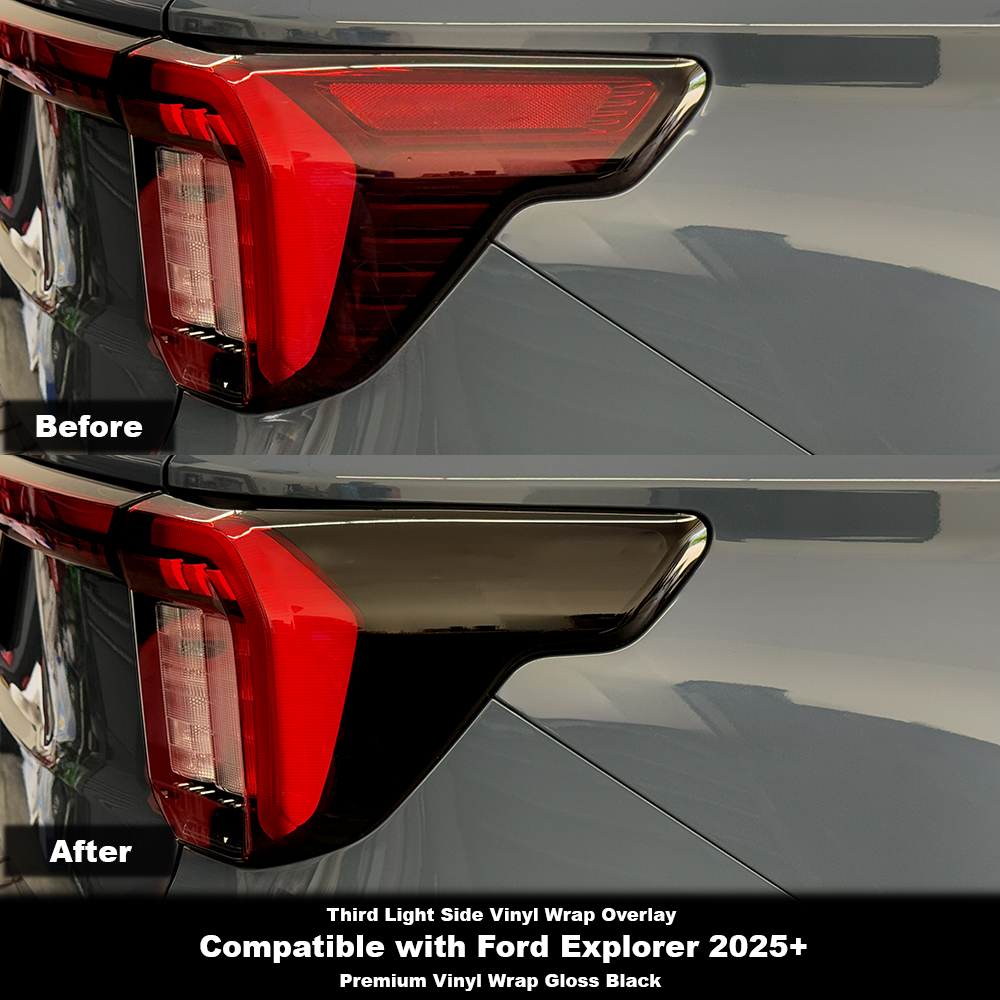
Applying vinyl wrap is a key step in changing your vehicle’s look. The process needs patience and careful handling. This section guides you through applying the vinyl wrap correctly. Follow each step for a smooth and clean finish.
Positioning The Vinyl
Start by aligning the vinyl sheet on the surface. Make sure it covers the area completely. Use masking tape to hold it in place. Check the fit from all angles. Adjust the vinyl to avoid wrinkles or folds. This step helps prevent mistakes later.
Using Heat For Flexibility
Heat softens the vinyl, making it easier to stretch. Use a heat gun or a hairdryer on low heat. Move the heat source evenly across the vinyl. Avoid staying too long in one spot. Heat allows the wrap to fit curves and edges smoothly.
Smoothing Out Bubbles And Wrinkles
Use a squeegee to push out air bubbles. Start from the center and move toward the edges. Work slowly to avoid tearing the vinyl. Small wrinkles can be fixed by reheating the area. Press firmly but gently for a flat surface.
Trimming And Finishing Touches
Trimming and finishing touches are the last steps in fitting a vinyl wrap. They make sure the wrap looks clean and stays in place. Proper trimming removes extra vinyl without damaging the surface. Finishing touches protect the edges and help the wrap last longer.
Precision Trimming
Use a sharp blade for clean cuts. Trim close to the edges but avoid cutting the surface. Cut slowly to keep the line smooth and straight. Small, careful cuts prevent peeling later. Trim excess vinyl around curves and corners carefully.
Sealing The Edges
Seal edges to stop dirt and water from getting under the wrap. Use a heat gun to warm the edges slightly. Press edges down firmly with a squeegee or your fingers. Edge sealant can be applied for extra protection. Well-sealed edges keep the wrap tight and neat.
Final Inspection
Check all edges and corners for loose vinyl. Look for air bubbles or wrinkles and smooth them out. Make sure the wrap is firmly attached everywhere. Fix any small issues before finishing. A clean, smooth finish shows good work and protects the wrap.
Maintenance Tips
Proper care keeps your vinyl wrap looking fresh and new. Maintenance is simple but important. Follow these tips to protect your investment and extend the wrap’s life.
Cleaning Wrapped Surfaces
Use a soft cloth or sponge to clean the wrap. Avoid rough materials that can scratch the surface. Wash with mild soap and water only. Do not use harsh chemicals or abrasive cleaners. Rinse thoroughly to remove all soap. Dry gently with a microfiber towel to prevent water spots.
Avoiding Damage
Keep sharp objects away from the wrap. Do not drag items across the surface. Avoid parking under trees to prevent sap and bird droppings. Use a car cover for extra protection. Avoid high-pressure washers directly on the edges. These can lift or peel the vinyl.
Repairing Minor Imperfections
Small scratches or bubbles can happen. Use a heat gun on low to smooth out bubbles. Gently push trapped air toward the edges with a soft tool. For scratches, a vinyl repair kit can help. Follow the kit instructions carefully for best results.

Credit: yeswrap.com
Frequently Asked Questions
What Tools Do I Need To Fit Vinyl Wrap Properly?
You need a squeegee, heat gun, utility knife, and cleaning cloth. These tools help smooth and trim the vinyl for a perfect fit. Using the right tools prevents bubbles and wrinkles during application.
How Do I Prepare The Surface For Vinyl Wrapping?
Clean the surface thoroughly with soap and water, then wipe with isopropyl alcohol. A clean surface ensures strong adhesion and a smooth finish. Remove all dirt, grease, and wax before applying the vinyl.
Can I Fit Vinyl Wrap On Curved Surfaces?
Yes, vinyl wrap is flexible and suitable for curves. Use a heat gun to soften the vinyl, making it easier to stretch and conform to curves. Take your time to avoid wrinkles or tears.
How Long Does Vinyl Wrap Last Once Applied?
High-quality vinyl wrap can last 5 to 7 years with proper care. Avoid harsh chemicals and excessive sun exposure to prolong its lifespan. Regular cleaning helps maintain its appearance and durability.
Conclusion
Fitting vinyl wrap takes patience and careful steps. Clean the surface well before starting. Use a heat gun to make the wrap flexible. Smooth out bubbles with a squeegee as you go. Take your time to avoid mistakes. Small wrinkles can be fixed by reheating and stretching.
Practice on small areas first to build confidence. A well-fitted vinyl wrap can change your vehicle’s look. Keep tools handy and work in a clean space. Enjoy the process and the fresh new style.


