

Have you ever felt your car’s brake pedal vibrating or noticed a strange noise when you stop? These are common signs of a warped brake rotor.
Ignoring this issue can lead to uneven braking, longer stopping distances, and even costly repairs. But don’t worry—you don’t have to be a mechanic to fix it. You’ll learn simple, step-by-step ways to identify and fix a warped brake rotor yourself.
Keep reading to get your brakes smooth and safe again, so you can drive with confidence.

Credit: www.youtube.com
Signs Of A Warped Brake Rotor
Warped brake rotors cause serious issues while driving. Detecting signs early helps prevent accidents and costly repairs. A warped rotor affects your vehicle’s braking performance.
Below are common signs to watch for. These signals show your brake rotors might need attention.
Vibrations While Braking
Feel shaking or vibration in the steering wheel during braking. The car may wobble slightly. This happens because the rotor surface is uneven. Vibrations increase with speed and braking force.
Squealing Or Grinding Noises
Listen for unusual sounds when you press the brake pedal. Squealing means the brake pads are rubbing unevenly. Grinding noise suggests metal is contacting metal. Both noises can point to warped rotors.
Uneven Brake Pad Wear
Check brake pads regularly. Uneven wear or thin spots can indicate rotor problems. Warped rotors cause pads to touch the surface inconsistently. This reduces braking efficiency and wears parts faster.
Credit: www.reddit.com
Causes Of Rotor Warping
Warped brake rotors cause vibrations and reduce braking power. Knowing what causes this problem helps to avoid it. Several common reasons lead to rotor warping. Understanding these can save money and improve safety.
Rotors are made of metal that expands and contracts with heat. Some conditions create uneven heating or pressure. This damages the rotor surface and bends it out of shape.
Overheating And Heat Spots
Brakes generate heat during use. Excessive heat causes the metal to warp. Hard braking or riding the brakes heats the rotors too much. Hot spots form where the rotor cools unevenly. These spots cause the rotor to bend or warp.
Improper Installation
Incorrect rotor installation can cause warping. If the rotor is not mounted evenly, it creates pressure points. Uneven pressure causes the rotor to wear badly. This leads to warping after some use. Proper installation ensures the rotor sits flat and secure.
Worn Brake Pads
Brake pads wear out over time. Thin or uneven pads cause uneven pressure on the rotor. This uneven contact heats the rotor unevenly. Over time, this causes the rotor to warp. Regularly replacing brake pads prevents this issue.
Tools Needed For Repair
Fixing a warped brake rotor requires the right tools. Having these tools ready makes the job easier and safer. This section lists the tools needed for repair. Use them carefully to get the best results.
Basic Hand Tools
Basic hand tools are essential for removing and reinstalling parts. You will need a wrench set to loosen bolts. A socket set helps reach tight spaces. Screwdrivers come in handy for prying and adjusting. A hammer may be needed to tap parts gently. Keep these tools clean and ready for use.
Brake Lathe Or Resurfacing Tools
A brake lathe smooths the rotor surface to fix warping. It removes small imperfections and restores flatness. Resurfacing tools help if you don’t have a lathe. These tools spin the rotor while a blade trims the surface. Using them requires some skill but improves brake performance.
Safety Equipment
Safety is important during brake repairs. Wear safety glasses to protect your eyes. Gloves keep your hands safe from sharp parts and dirt. Use a dust mask to avoid breathing brake dust. Ensure your workspace is well-lit and clean to prevent accidents.
Preparing For Repair
Preparing for repair is the first step to fixing a warped brake rotor. Proper preparation ensures safety and makes the job easier. Take your time to gather tools and work in a clean space. Follow each step carefully to avoid mistakes.
Lifting And Securing The Vehicle
Park the car on a flat surface. Engage the parking brake to stop movement. Use a jack to lift the vehicle at the right spot. Check your car manual for the exact jack points.
Place jack stands under the car to hold it up securely. Never rely on the jack alone. Test the car’s stability before starting work. Safety is the top priority.
Removing The Wheel And Brake Components
Loosen the lug nuts on the wheel before lifting the car. After lifting, remove the lug nuts completely and take off the wheel.
Locate the brake caliper and remove the bolts holding it. Gently lift the caliper off the rotor and hang it safely. Avoid putting stress on the brake line.
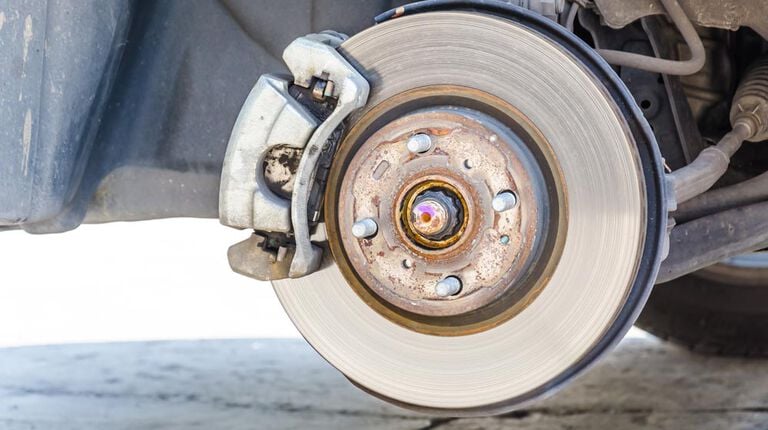
Next, remove the brake pads and set them aside. Finally, remove the rotor from the hub. Clean the hub surface before installing a new or repaired rotor.
Resurfacing The Rotor
Resurfacing the rotor helps fix warping and uneven brake performance. It smooths the surface, removing any bumps or grooves. This process restores the rotor’s shape, making brakes work better and last longer. Proper resurfacing can stop vibrations and noise during braking.
Using A Brake Lathe
A brake lathe spins the rotor while cutting its surface evenly. This tool removes a thin layer of metal, fixing warps and rough spots. Professionals use a brake lathe for precise and quick resurfacing. It ensures the rotor surface is flat and smooth again.
Manual Sanding Techniques
Manual sanding works for small warps or light damage. Use fine sandpaper and rub the rotor surface evenly. Sand in a circular motion to keep the surface flat. This method takes more time but can help in a pinch. Check the rotor often to avoid sanding too much.
Checking For Thickness And Flatness
After resurfacing, measure the rotor thickness with a micrometer. The rotor must meet the minimum thickness specified by the manufacturer. Check flatness using a dial indicator or straight edge. Uneven surfaces or thin rotors need replacement. Proper checks keep brakes safe and effective.
When To Replace Instead Of Repair
Knowing when to replace a warped brake rotor is very important for safety and performance. Repairing might seem cheaper, but some issues need a full replacement. This keeps your brakes working well and prevents accidents.
Excessive Rotor Thickness Loss
Rotors have a minimum thickness limit set by the manufacturer. If the rotor is too thin, it cannot be safely resurfaced. Thin rotors may crack or warp again quickly. Replacement is the best choice to ensure safe braking.
Deep Grooves Or Cracks
Deep grooves or cracks on the rotor surface affect braking power. These damages cannot be fixed by simple resurfacing. Cracks also increase the risk of rotor failure. In such cases, replacing the rotor is the safest option.
Repeated Warping Issues
Some rotors warp repeatedly even after repair. This may happen due to poor quality or overheating. Constant warping causes brake vibrations and reduces control. Replacing the rotor stops the cycle and restores smooth braking.
Reassembly And Testing
After fixing a warped brake rotor, reassembly and testing ensure safety and performance. This step puts all parts back together correctly. It also checks if the brakes work smoothly. Proper reassembly and testing help avoid future problems.
Reinstalling Brake Components
Start by placing the rotor back on the wheel hub. Tighten the screws or bolts that hold it firmly. Next, put the brake caliper in its place. Ensure brake pads sit properly inside the caliper. Use a torque wrench to tighten bolts to the correct setting. Check all parts for any signs of damage or wear. Clean any dirt or debris before final assembly.
Bed-in Procedures For New Or Resurfaced Rotors
Bed-in helps new or resurfaced rotors work well with brake pads. Drive slowly and apply brakes gently several times. Increase speed gradually while braking to heat the rotors evenly. Avoid hard stops or sudden braking during this process. This step creates an even layer of brake pad material on the rotor. Proper bed-in improves brake performance and extends rotor life.
Test Drive Tips
Choose a safe, open area for the test drive. Start with slow speeds and light braking. Listen for any strange noises or vibrations. Check if the brake pedal feels firm and responsive. Gradually increase speed and braking force. Stop the vehicle several times to ensure smooth operation. If any issues appear, recheck the brake components before driving again.
Credit: www.kaltire.com
Preventing Future Warping
Preventing future warping of brake rotors is key to safe driving. Warped rotors cause vibration and reduce brake efficiency. Taking simple steps can extend rotor life and keep brakes smooth.
Proper Brake Usage
Brake gently and avoid sudden stops. Hard braking heats rotors quickly, causing warping. Allow brakes to cool on long drives. Use engine braking on downhill roads to reduce rotor heat.
Regular Maintenance Checks
Inspect brake rotors every 6 months. Look for signs of wear, cracks, or uneven surfaces. Replace brake pads before they wear out. Worn pads can damage rotors and cause warping. Have a mechanic check rotor thickness and smoothness regularly.
Upgrading Brake Components
Choose high-quality brake pads and rotors. Some materials resist heat better and avoid warping. Consider vented or slotted rotors for better cooling. Upgrading brake parts helps maintain performance and rotor shape.
Frequently Asked Questions
What Causes A Brake Rotor To Warp?
Brake rotors warp due to excessive heat buildup during braking. This heat causes uneven expansion and contraction. Poor driving habits and low-quality rotors also contribute. Warped rotors lead to vibrations and reduced brake efficiency.
How Can I Fix A Warped Brake Rotor?
To fix a warped rotor, first inspect and remove the rotor. Then, use a lathe to resurface it evenly. If damage is severe, replacing the rotor is recommended for safety.
Can I Drive With A Warped Brake Rotor?
Driving with a warped rotor is unsafe. It causes vibrations, noise, and reduced braking power. This increases stopping distance and accident risk. Repair or replace warped rotors promptly.
How Do I Prevent Brake Rotor Warping?
Prevent warping by avoiding hard braking and allowing rotors to cool. Use high-quality rotors and brake pads. Regular maintenance and inspections help identify early wear or damage.
Conclusion
Fixing a warped brake rotor keeps your car safe and smooth. Start by checking the rotor for damage or wear. Use proper tools and follow steps carefully. Taking time to fix it yourself can save money. If unsure, seek help from a trusted mechanic.
Regular brake checks prevent future problems. Drive with confidence knowing your brakes work well. Simple care keeps your vehicle running longer and safer.

