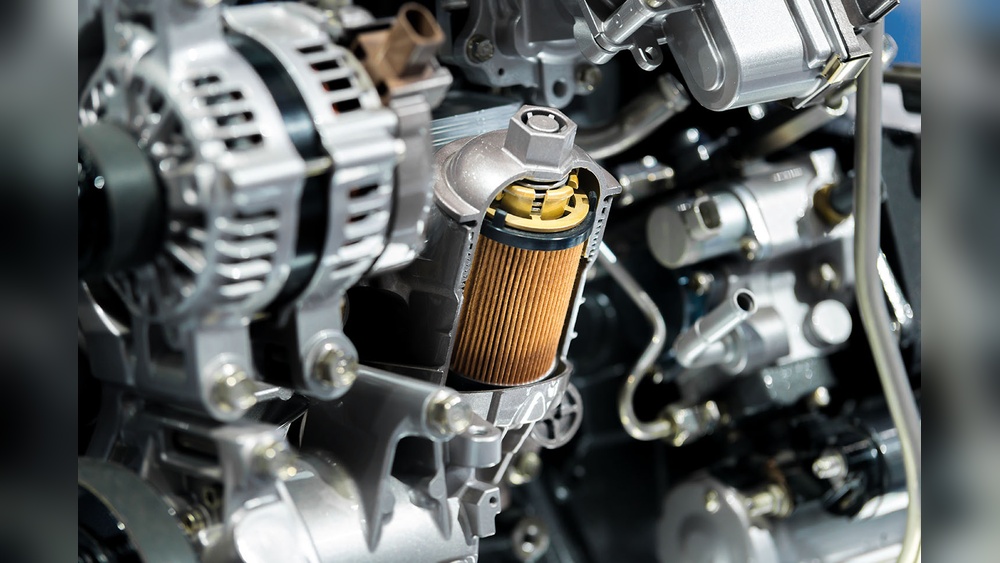
If you want your vehicle to run smoothly and avoid costly repairs, knowing how to install a fuel filter is essential. A clean fuel filter keeps dirt and debris from reaching your engine, saving you from breakdowns and poor performance.
In this guide, you’ll learn simple, step-by-step instructions that anyone can follow—even if you’re not a mechanic. By the end, you’ll feel confident handling this important task yourself, saving time and money. Ready to take control of your car’s health?
Let’s get started.
Credit: www.autozone.com
Role Of The Fuel Filter
The fuel filter plays a very important role in a vehicle’s fuel system. It cleans the fuel before it reaches the engine. Dirt, rust, and other tiny particles get trapped in the filter. This keeps the fuel clean and protects the engine parts. A clean fuel filter helps the engine run smoothly and last longer.
Without a fuel filter, these particles can damage the engine. The filter also helps the fuel flow correctly. This makes sure the engine gets the right amount of fuel to work well. Understanding the role of the fuel filter helps in knowing why it needs regular replacement.
Impact On Engine Performance
A clean fuel filter improves engine performance. It allows fuel to flow freely and cleanly. This helps the engine run with good power and speed. The engine uses fuel efficiently, saving fuel costs. A clogged fuel filter slows fuel flow. This can cause the engine to run rough or lose power. The vehicle might also have trouble starting. Keeping the fuel filter clean keeps the engine healthy and strong.
Signs Of A Clogged Fuel Filter
Watch for signs that show the fuel filter is clogged. The engine may hesitate or stall while driving. The car might have trouble starting or fail to start. You may notice a drop in fuel efficiency. The engine can run roughly or make strange noises. These signs mean the fuel filter needs checking. Replacing a clogged filter fixes these problems and protects the engine.

Credit: answers.jegs.com
Tools And Materials Needed
Installing a fuel filter requires the right tools and materials. These items make the job easier and safer. Preparing everything beforehand saves time and avoids frustration. Below are the essential tools and tips for choosing the right fuel filter.
Essential Tools
You will need a few basic tools to install a fuel filter. A wrench set helps loosen and tighten fuel lines. Screwdrivers are useful for clamps or brackets. A fuel line disconnect tool may be necessary for some vehicles. Gloves protect your hands from fuel and dirt. Safety glasses keep your eyes safe from splashes. A container can catch spilled fuel during removal. Clean rags help wipe any drips or messes.
Choosing The Right Fuel Filter
Select a fuel filter that matches your vehicle’s make and model. Check the owner’s manual or parts catalog for exact specifications. Using the correct filter ensures proper fit and function. Filters vary by fuel type, size, and flow rate. Buying a high-quality filter protects the engine from dirt and debris. Avoid cheap or generic filters that may cause damage or leaks.
Preparing Your Vehicle
Preparing your vehicle before installing a fuel filter is important. It makes the process safer and easier. Taking time to get ready can save you from mistakes and accidents.
Start with a clean, well-lit workspace. Make sure your car is parked on a flat surface. Turn off the engine and let it cool down. This reduces fire risk and avoids burns.
Safety Precautions
Wear safety glasses and gloves to protect your eyes and hands. Fuel is flammable and can irritate skin. Keep a fire extinguisher nearby. Avoid smoking or open flames around the vehicle.
Relieve fuel system pressure to prevent fuel spray. Consult your vehicle’s manual for the correct method. Disconnect the battery to avoid sparks. Work in a ventilated area to avoid inhaling fumes.
Locating The Fuel Filter
Find the fuel filter before starting the replacement. Check your vehicle’s manual for the exact location. Common places include near the fuel tank or along the fuel line under the car.
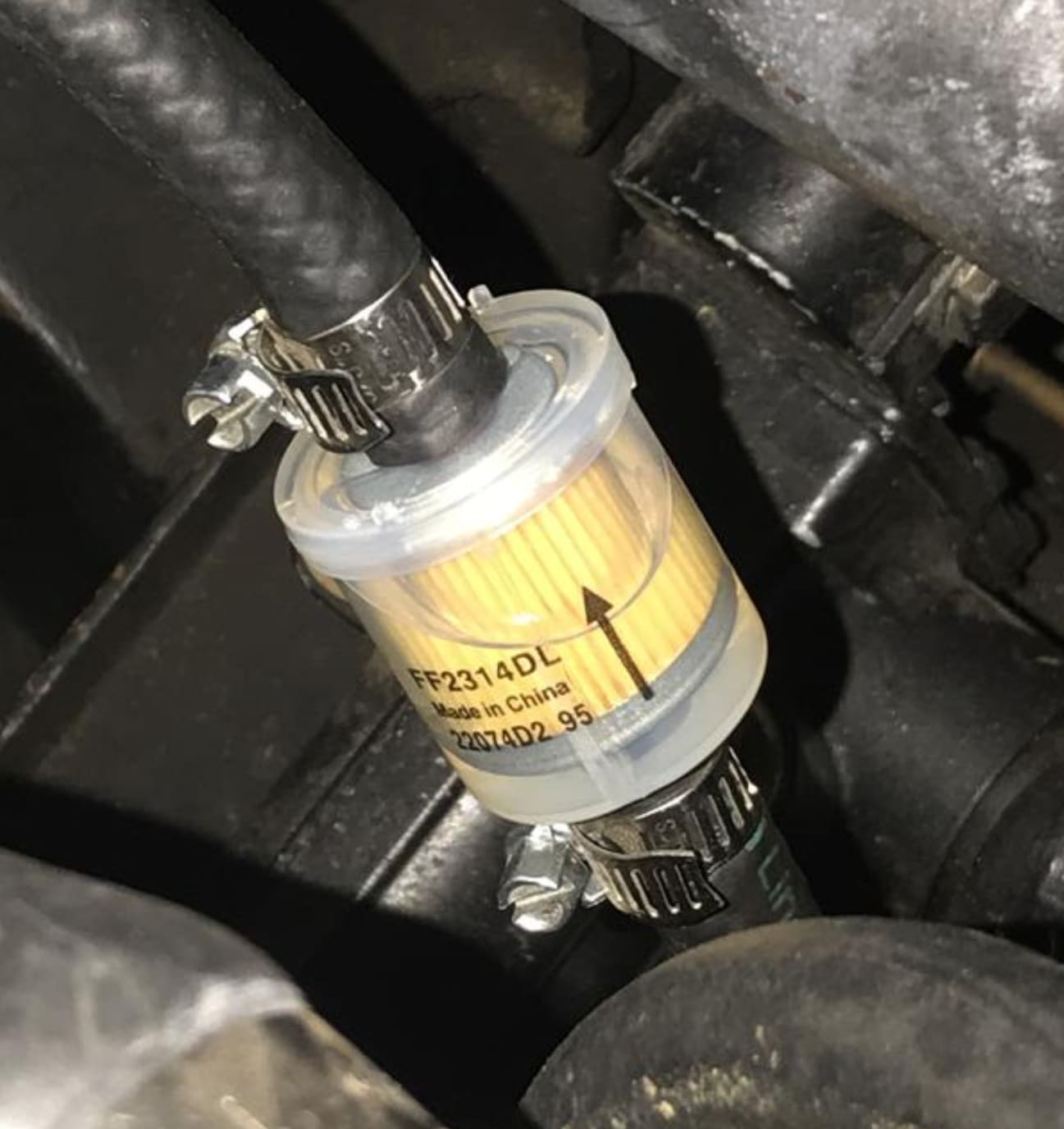
Look for a small, cylindrical part attached to the fuel line. It may have metal or plastic fittings. Clean the area around the filter to stop dirt from entering the fuel system.
Removing The Old Fuel Filter
Removing the old fuel filter is the first step in replacing it. Take care to avoid fuel spills and keep the work area clean. Follow safety steps to prevent accidents and ensure proper removal. This part often holds dirt and debris, so remove it carefully to avoid damage.
Relieving Fuel System Pressure
Fuel systems keep pressure even after the engine stops. Release this pressure before removing the filter. Locate the fuel pump fuse or relay and remove it. Start the engine and wait for it to stop. This action releases pressure in the lines safely. Wear safety glasses and gloves to protect yourself.
Disconnecting Fuel Lines
Fuel lines connect the filter to the engine and fuel tank. Use a wrench or special tool to loosen the fittings. Place a container or rag below to catch any fuel drips. Pull the lines gently to avoid damage. Mark the lines for easy reconnection later.
Installing The New Fuel Filter
Installing the new fuel filter is a crucial step in maintaining your vehicle’s engine. A correctly installed filter ensures clean fuel flow and better engine performance. This process requires attention to detail and proper handling of the parts.
Follow the steps carefully to avoid fuel leaks or damage. Take your time to position the filter correctly and secure it tightly.
Proper Orientation
Check the new fuel filter for an arrow or label showing fuel flow direction. This arrow must point toward the engine. Installing the filter backward can block fuel flow or cause damage. Align the filter so the fuel enters and exits in the right direction. Double-check this before moving to the next step.
Securing The Filter
Attach the filter using the clamps or brackets removed earlier. Tighten the clamps firmly but avoid over-tightening. Over-tightening can crack the filter or damage hoses. Make sure the filter is stable and does not move. A loose filter can cause fuel leaks and engine problems. After securing, inspect all connections to ensure they are tight and safe.
Final Checks
After installing the fuel filter, performing final checks is very important. These steps ensure the filter works well and the engine runs smoothly. Careful inspection helps avoid fuel leaks and engine problems.
Inspecting For Leaks
Check all connections around the fuel filter. Look closely for any signs of fuel dripping or wet spots. Tighten clamps or fittings if needed. A small leak can cause big problems later. Make sure the filter is secure and sealed tightly to the fuel lines.
Starting The Engine
Turn on the engine and listen carefully. The engine should start easily without hesitation. Watch for any fuel smells or noises that seem unusual. If the engine runs smoothly, the filter is working correctly. Stop the engine and do a quick final check for leaks again.
Maintenance Tips
Maintaining your fuel filter is key to keeping your vehicle running smoothly. Regular care helps avoid engine problems and saves money on repairs. Simple maintenance steps ensure your fuel system stays clean and efficient.
When To Replace The Fuel Filter
Check your vehicle’s manual for replacement schedules. Most fuel filters need changing every 20,000 to 40,000 miles. Signs of a clogged filter include engine hesitation, poor fuel economy, or trouble starting. Replace the filter promptly if you notice these issues. Timely replacement keeps fuel flowing freely and protects the engine.
Keeping Your Fuel System Clean
Use high-quality fuel to reduce dirt buildup. Avoid running on low fuel, which can stir up debris. Clean the fuel tank and lines during major service intervals. Regularly inspect for leaks or damage. A clean fuel system improves performance and extends engine life.

Credit: www.youtube.com
Frequently Asked Questions
What Tools Are Needed To Install A Fuel Filter?
You need a wrench, screwdrivers, pliers, and a container for fuel. Always wear safety gloves and goggles for protection. Having a replacement fuel filter specific to your vehicle model is essential.
How Often Should You Replace The Fuel Filter?
Replace the fuel filter every 20,000 to 40,000 miles or as recommended by your vehicle’s manual. Regular replacement ensures clean fuel flow and prevents engine damage caused by dirt and debris.
Can I Install A Fuel Filter Myself Safely?
Yes, you can install a fuel filter safely if you follow instructions carefully. Work in a well-ventilated area, relieve fuel system pressure first, and avoid open flames. Use proper tools and replace parts precisely.
What Are Signs Of A Clogged Fuel Filter?
Signs include engine misfires, poor acceleration, difficulty starting, and reduced fuel efficiency. If your engine stalls or hesitates, the fuel filter may be blocked and needs replacement.
Conclusion
Replacing the fuel filter keeps your engine clean and running well. It helps stop dirt and debris from reaching the engine. You save money by preventing costly repairs later. Regular changes improve fuel efficiency and car performance. Follow the steps carefully and take your time.
A clean fuel filter means a smoother drive every time. Simple maintenance goes a long way in car care. Keep your vehicle healthy with this easy task.