

Are you tired of your steering wheel feeling slippery or worn out? Installing a rubber steering wheel cover can give you a better grip and protect your wheel from damage.
Plus, it can make your driving experience more comfortable and stylish. If you’re wondering how to install one quickly and without hassle, you’re in the right place. Keep reading, and you’ll learn simple steps that anyone can follow to upgrade your steering wheel in no time.

Credit: www.youtube.com
Choosing The Right Cover
Choosing the right rubber steering wheel cover improves your driving comfort. It also protects your steering wheel from wear and tear. The right cover fits well, feels good, and matches your car’s style. Consider the material, size, and color before buying.
Material Options
Rubber covers come in different types of rubber. Some are soft and flexible. Others are firm and durable. Soft rubber offers a comfortable grip. Firm rubber lasts longer and resists damage. Choose a material that feels good to hold. Think about the weather in your area. Some materials work better in heat or cold.
Measuring Your Steering Wheel
Measure your steering wheel to find the right cover size. Use a tape measure around the wheel’s outer edge. Write down the measurement in inches or centimeters. Most covers list the sizes they fit. Pick a cover that matches your wheel’s size exactly. A loose cover can slip and feel unsafe. A tight one is hard to install and use.
Style And Color Choices
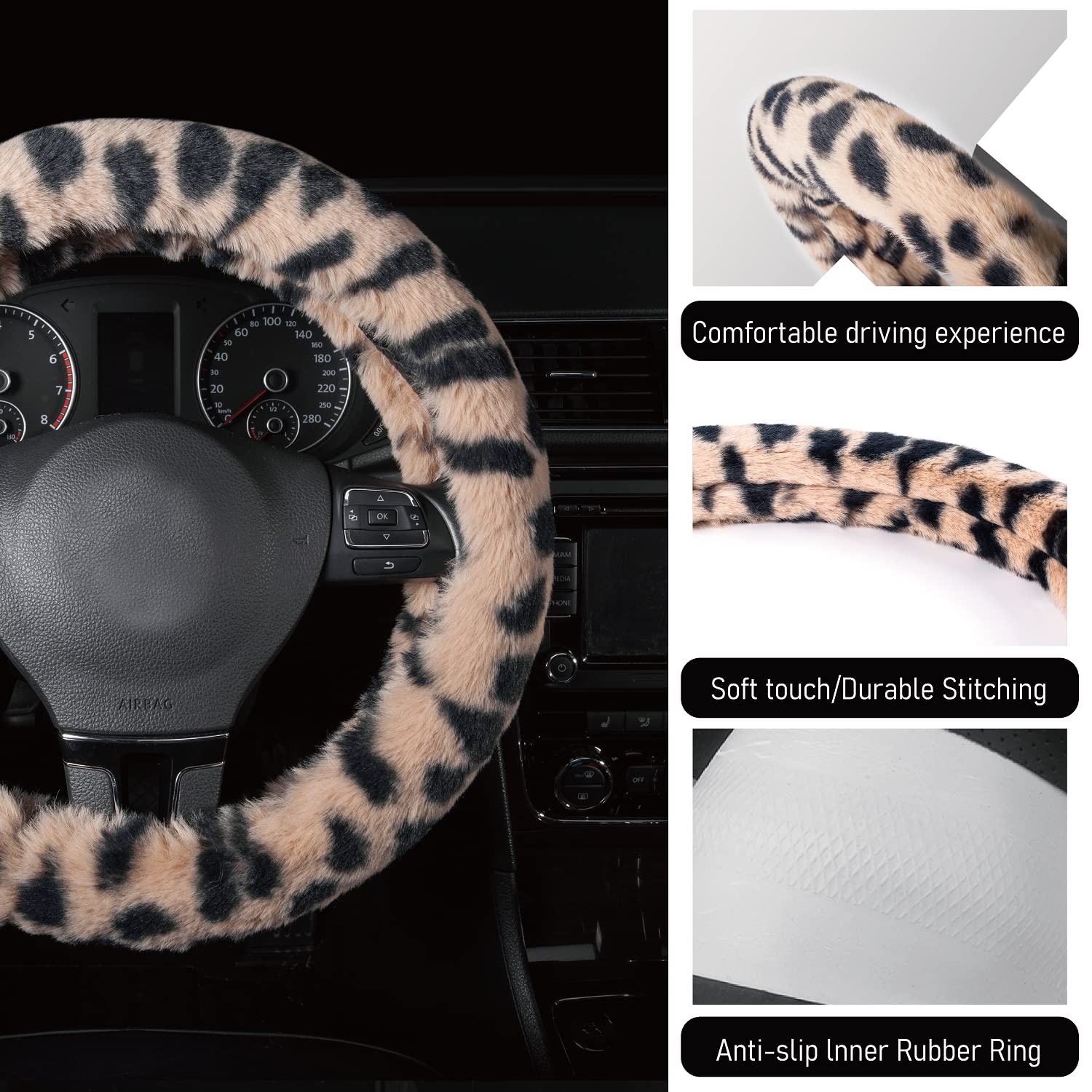
Steering wheel covers come in many colors and styles. Pick a color that matches your car’s interior. Neutral colors like black or gray fit most cars. Bright colors add personality to your car. Some covers have patterns or textures. These can improve grip or add style. Choose a look that you enjoy every day.
Credit: www.bee1.com.br
Preparing The Steering Wheel
Preparing the steering wheel is the first step in installing a rubber steering wheel cover. This step ensures the cover fits well and stays in place. A clean, smooth surface helps the cover grip firmly. Dirt, dust, or old covers can cause slipping or uneven fitting. Take your time to prepare the wheel properly for the best results.
Cleaning The Surface
Start by wiping the steering wheel with a damp cloth. Use mild soap and water to remove dirt and grease. Avoid harsh chemicals that could damage the wheel’s material. Dry the wheel completely with a clean cloth. A dry surface helps the cover stick better. This step improves the grip and makes the cover last longer.
Removing Old Covers
Check if there is an old cover on the steering wheel. Remove it carefully by pulling it off from one side. Avoid tearing the old cover as pieces can get stuck on the wheel. If the old cover is glued, use a scraper or cloth to remove any residue. A clean wheel without old cover remains ensures a snug fit for the new rubber cover.
Fitting The Rubber Cover
Fitting the rubber cover on your steering wheel is a key step. It ensures a snug fit and a comfortable grip while driving. This part requires patience and care. Follow each step carefully to avoid damage or a loose cover.
Aligning The Cover
Start by holding the rubber cover with both hands. Match the top of the cover with the top of the steering wheel. Make sure the textures and patterns line up correctly. A proper alignment helps the cover fit evenly all around. Check both sides before stretching the cover.
Stretching Techniques
Use slow, steady pressure to stretch the cover over the wheel. Begin by pulling the cover down from the top. Work your way around the wheel, pulling the cover evenly. Avoid sharp or quick tugs that could tear the rubber. Stretch only as much as needed to fit comfortably.
Securing The Cover
Press the edges of the cover firmly against the wheel rim. Tuck any loose parts under the rim to keep it tight. Run your fingers around the wheel to smooth out wrinkles. Check for any areas that feel loose or uneven. A well-secured cover stays in place during driving.
Troubleshooting Common Issues
Installing a rubber steering wheel cover can sometimes bring a few challenges. These common issues can make the process tricky and slow down your work. Knowing how to fix these problems helps you finish the job faster and with better results.
Many people find the cover hard to fit. Others see small air bubbles under the cover. Sometimes, the cover might not sit right and look off-center. The good news is that these problems are easy to solve with some simple steps.
Dealing With Tight Fits
A tight fit means the cover is hard to stretch over the steering wheel. Warm the cover in hot water or use a hairdryer to make it more flexible. Stretch the cover slowly and evenly. Avoid pulling too hard in one spot. Work your way around the wheel bit by bit. This method helps the cover slide on without damage.
Removing Air Bubbles
Air bubbles trap air between the cover and the wheel. Press the cover firmly with your hands to push the air out. Start from the center and move toward the edges. Use a soft cloth to smooth out small bubbles. This ensures the cover sticks well and feels smooth to touch.
Adjusting Misalignment
A misaligned cover looks uneven and can be uncomfortable to use. Loosen the cover slightly and reposition it carefully. Make sure the seams line up with the wheel’s shape. Check that all parts of the cover sit flat. Adjusting the cover step by step gives a neat and secure fit.
Maintaining Your Steering Wheel Cover
Maintaining your rubber steering wheel cover keeps it looking new and lasting longer. A clean cover feels good in your hands and helps you drive safely. Simple care steps prevent damage and wear. Knowing when to replace the cover keeps your steering wheel protected.
Cleaning Tips
Use a soft cloth and mild soap to clean the cover. Wipe it gently to remove dirt and sweat. Avoid harsh chemicals that can damage the rubber. Dry the cover with a clean towel. Clean regularly to stop grime build-up.
Avoiding Damage
Do not expose the cover to direct sunlight for long. Heat can make the rubber crack or fade. Avoid sharp objects near the cover to prevent cuts. Do not use abrasive brushes that scratch the surface. Keep the cover away from oils and chemicals.
When To Replace
Replace the cover if it feels sticky or cracked. Look for tears or worn spots that affect grip. A loose cover can slip while driving, causing danger. Check your cover often to ensure it stays safe. A new cover improves comfort and control.

Credit: global.microless.com
Frequently Asked Questions
How Do You Install A Rubber Steering Wheel Cover?
To install, first clean your steering wheel. Stretch the cover evenly around the wheel. Align the seams properly. Press firmly for a snug fit.
Can A Rubber Steering Wheel Cover Improve Grip?
Yes, rubber covers enhance grip by providing a non-slip surface. This increases driving safety and comfort, especially in wet conditions.
How Long Does A Rubber Steering Wheel Cover Last?
Typically, a rubber cover lasts 1 to 3 years. Its durability depends on usage, exposure to sunlight, and maintenance.
Will A Rubber Cover Fit All Steering Wheels?
Most rubber covers are designed to fit standard steering wheels. Check the cover’s size before purchase to ensure compatibility.
Conclusion
Installing a rubber steering wheel cover is simple and quick. Follow the steps carefully for a snug fit. A good cover improves grip and protects your wheel. It also adds comfort during drives. Take your time and stretch the cover evenly.
Avoid rushing to prevent damage or wrinkles. Enjoy a better driving experience with your new cover. Keep it clean to last longer. This small change makes a noticeable difference in your car. Easy to do, worth the effort.

