

Are you tired of your aftermarket wheel covers slipping off or rattling while you drive? Keeping them securely in place can be frustrating, but it doesn’t have to be.
Imagine your wheels looking sharp and staying firmly attached every time you hit the road. You’ll discover simple, effective ways to make sure your wheel covers stay put—saving you time, money, and hassle. Keep reading to learn the tricks that will keep your wheels looking great and working perfectly.
Choosing The Right Wheel Covers
Choosing the right wheel covers matters for both looks and function. The perfect wheel covers fit well, last long, and match your car’s style. This section helps you pick the best ones for your vehicle. Focus on material, size, and design to keep covers on securely and look great.
Material Types And Durability
Wheel covers come in plastic, metal, or composite materials. Plastic covers are light and cost-effective but may crack easily. Metal covers offer strong protection and resist damage better. Composite materials blend strength and lightness for longer life. Choose materials that suit your driving conditions and budget.
Size And Fit Considerations
Correct size ensures wheel covers stay firmly in place. Measure your wheel diameter before buying. Covers too big or small will fall off or damage the wheel. Check the number of clips or fasteners for a secure fit. Proper fit reduces noise and prevents covers from flying off.
Style And Design Factors
Wheel covers come in many styles and colors. Pick a design that matches your car’s look. Simple styles suit most cars and hide dirt well. Bold designs add personality but may need more care. Choose covers that balance style with ease of maintenance.

Credit: www.youtube.com
Preparing Your Wheels
Preparing your wheels is the first step to keep aftermarket wheel covers on securely. Clean and smooth surfaces help the covers fit tightly. Any dirt or damage can cause the covers to slip off easily. Spend time on this step for the best results.
Proper preparation makes a big difference. It helps the covers last longer and look better. Take a few simple actions before attaching the covers.
Cleaning And Drying The Surface
Start by washing your wheels with soap and water. Remove all dirt, brake dust, and grease. Use a soft brush to reach tight spots. Rinse the wheels well to remove soap residue.
Dry the wheels completely with a clean cloth. Water or moisture can cause the covers to slip. Make sure no wet spots remain before you place the covers.
Checking For Damage Or Irregularities
Look closely at your wheels for dents or scratches. Any uneven areas can stop the covers from fitting right. Small cracks or bends may also cause issues.
Fix minor damage before adding the covers. Smooth surfaces help the covers stay in place. Replace wheels with serious damage to avoid problems.
Installation Techniques
Proper installation is key to keeping aftermarket wheel covers in place. Using the right techniques prevents covers from falling off during driving. Small steps make a big difference in fit and hold. Focus on aligning, securing, and sometimes adding adhesive for best results.
Aligning The Covers Properly
Start by cleaning the wheel surface. Dirt stops covers from fitting well. Hold the cover close to the wheel. Match the cover’s clips with the wheel’s edges. Press gently but firmly to fit it evenly. Check all sides for proper contact.
Securing With Clips And Fasteners
Most covers use built-in clips. Push each clip over the wheel rim. Ensure each clip snaps tightly. Loose clips cause covers to wobble or fall off. Use extra fasteners if clips feel weak. Tighten fasteners without forcing to avoid damage.
Using Adhesive Solutions
Adhesive adds extra hold for tricky covers. Choose a strong but removable adhesive tape or glue. Apply a thin, even layer on the contact points. Press the cover onto the wheel and hold it steady. Let the adhesive set as per instructions. This helps covers stay secure on rough roads.

Credit: inkjournalism.org
Enhancing Grip And Security
Keeping aftermarket wheel covers firmly attached can be tricky. Enhancing grip and security helps prevent covers from slipping or falling off. Simple steps improve the hold and keep covers in place during driving. These methods also protect your wheels and enhance the look of your vehicle.
Applying Anti-slip Tapes
Anti-slip tapes add friction between the wheel cover and the rim. Cut the tape into small strips and apply them evenly around the inside edge of the cover. The tape’s sticky surface grips the wheel tightly. It reduces movement and stops the cover from spinning loose. Choose tapes designed for outdoor use for long-lasting hold.
Using Rubberized Coatings
Rubberized coatings create a soft but strong layer on the wheel cover’s contact points. Apply the coating carefully where the cover touches the wheel. This layer increases grip and absorbs vibrations from the road. It also protects the cover and wheel from scratches. Allow the coating to dry fully before fitting the cover.
Adding Locking Mechanisms
Locking mechanisms provide extra security for wheel covers. Clips, screws, or special locks attach the cover firmly to the wheel. These devices prevent accidental removal or theft. Check the fit regularly to ensure the locks remain tight. Using locking parts made for your cover model ensures the best fit and protection.
Maintenance Tips
Keeping aftermarket wheel covers on your vehicle needs some care. Proper maintenance helps the covers stay tight and look good. Small steps can stop them from falling off or getting damaged. Follow these tips to keep your wheel covers secure and lasting longer.
Regular Inspections
Check your wheel covers often. Look for cracks, loose clips, or scratches. Catch problems early to avoid losing a cover while driving. Make it a habit to inspect before and after trips. This helps spot issues fast and keeps your wheels safe.
Cleaning Without Loosening
Use gentle cleaning tools like soft cloths or sponges. Avoid high-pressure water near the edges. Harsh cleaning can loosen clips or damage the cover. Clean with mild soap and water for best results. Dry covers carefully to prevent rust on metal parts.
Replacing Worn Components
Replace broken clips or damaged parts right away. Worn pieces reduce how well the cover fits. Use parts designed for your specific wheel cover model. Fixing small issues keeps covers tight and prevents costly replacements later.
Common Issues And Fixes
Aftermarket wheel covers can enhance your car’s look. They also protect wheels from dirt and damage. Yet, they may cause problems if not fitted well. Common issues include loose covers, covers falling off, and noise or vibration. Fixing these problems helps keep covers in place and your ride smooth.
Loose Covers During Driving
Loose wheel covers can wobble or shift on the road. This happens when clips or fasteners wear out. Check clips for damage or bending. Replace broken clips with new ones. Clean the wheel surface before fitting covers. Dirt can stop covers from gripping tightly. Press covers firmly to snap them in place. Test by gently pulling covers after installation.
Covers Falling Off
Covers falling off cause safety risks and costs. The main cause is improper fitting. Use the right size covers for your wheels. Too small or too large covers do not fit well. Check the wheel cover’s back for missing or broken clips. Replace all damaged parts. Tighten lug nuts if covers use them for hold. Avoid hitting curbs or potholes hard. Such impacts can loosen covers.
Noise And Vibration Problems
Noise or vibration may come from loose or bent covers. Inspect covers for cracks or warping. Bent covers do not sit flush and cause noise. Use rubber pads or foam tape behind covers to reduce vibration. Tighten all fasteners evenly. Balancing wheels can also reduce vibrations. Drive slowly after fixing covers to check for noise. Repeat adjustments if needed.
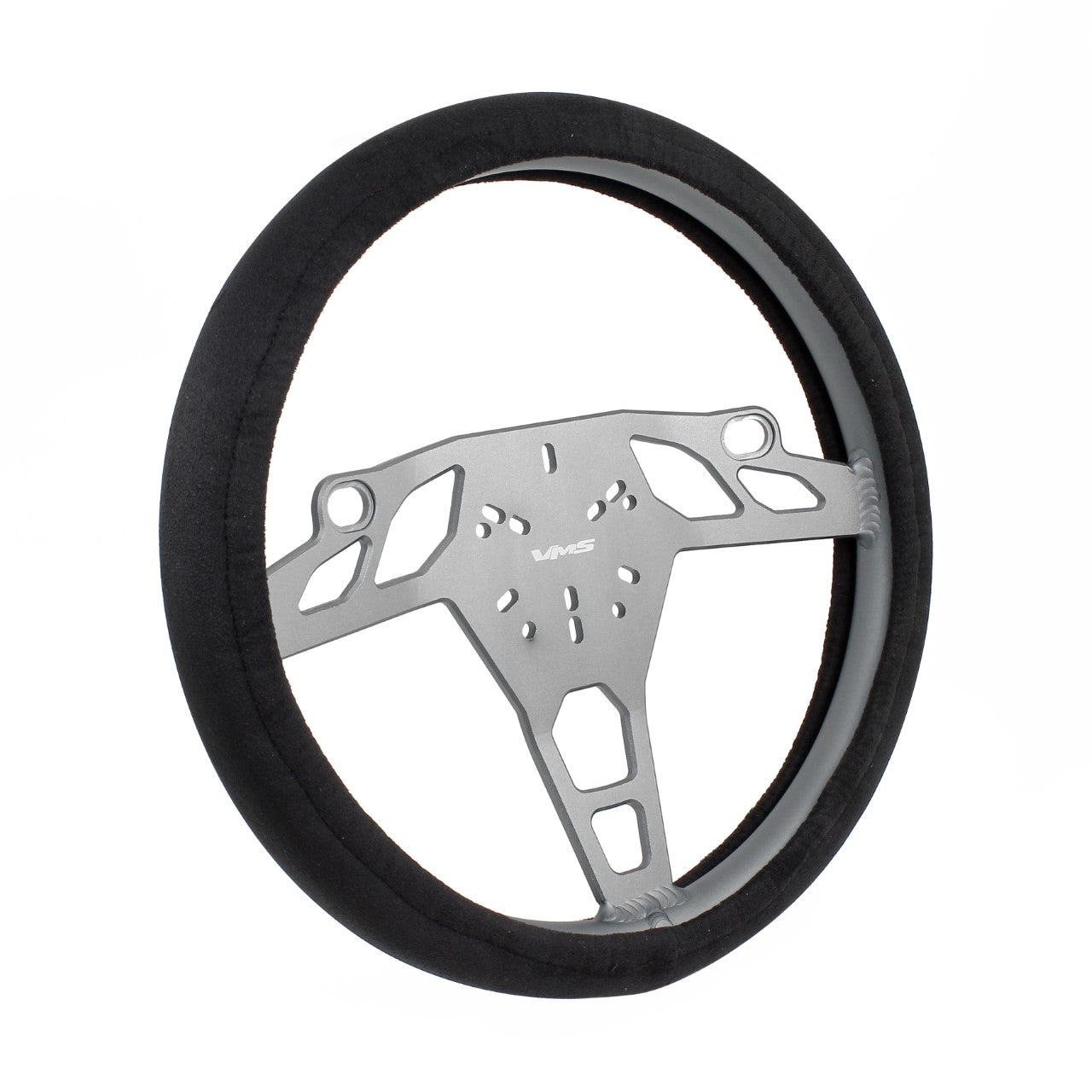
Credit: www.vmsracing.com
Frequently Asked Questions
How Do I Secure Aftermarket Wheel Covers Firmly?
Use proper clips or retaining rings provided with the covers. Ensure the wheel surface is clean and dry before installing. Press the cover evenly until it snaps into place. This prevents the cover from loosening during driving.
What Tools Help Keep Wheel Covers From Falling Off?
A rubber mallet gently taps the cover into position without damage. Screwdrivers or pliers may adjust clips if necessary. Using the right tools ensures a tight fit and prevents scratching or breaking the wheel cover.
Can Adhesive Help Keep Aftermarket Wheel Covers In Place?
Yes, automotive-grade double-sided tape or adhesive can add extra hold. Apply sparingly to avoid mess and ensure easy removal later. Adhesive improves grip on smooth or slightly worn wheels.
How Often Should I Check Wheel Cover Tightness?
Check wheel covers every month or after rough road trips. Frequent inspections ensure they remain secure and undamaged. Timely adjustments prevent loss and protect your wheels.
Conclusion
Keeping aftermarket wheel covers on takes some care and attention. Make sure the covers fit well and use the right clips or fasteners. Clean both the wheels and covers before installing them. Check the covers regularly for any signs of looseness or damage.
Tighten or adjust as needed to avoid losing them while driving. With these simple steps, wheel covers will stay secure and look great longer. A little effort goes a long way in keeping your wheels protected and stylish.


