Have you ever wondered if your car has ABS? Knowing this can be a game-changer for your safety on the road.
ABS, or Anti-lock Braking System, helps prevent your wheels from locking up during sudden stops, giving you better control. But how can you tell if your car is equipped with this feature? You’ll discover simple ways to find out if your vehicle has ABS and why it matters to you every time you hit the brakes.
Keep reading—your safety might depend on it.

Credit: www.youtube.com
What Is Abs?
Anti-lock Braking System, or ABS, helps keep your car safe on the road. It stops your wheels from locking during hard braking. Locked wheels can cause your car to skid and lose control.
ABS works by automatically pumping the brakes many times per second. This keeps the tires gripping the road. It helps you steer while braking hard.
How Abs Works
ABS uses sensors on each wheel to monitor speed. If a sensor detects a wheel is about to lock, the system lowers brake pressure on that wheel. It repeats this process quickly to prevent skidding.
Benefits Of Abs
ABS improves vehicle control during sudden stops. It helps reduce the risk of accidents on slippery roads. The system also shortens stopping distances in many situations.
Common Abs Indicators
Most cars have a warning light on the dashboard for ABS. The light turns on briefly when you start the car. If it stays on, the ABS may have a problem.
Check The Dashboard Indicators
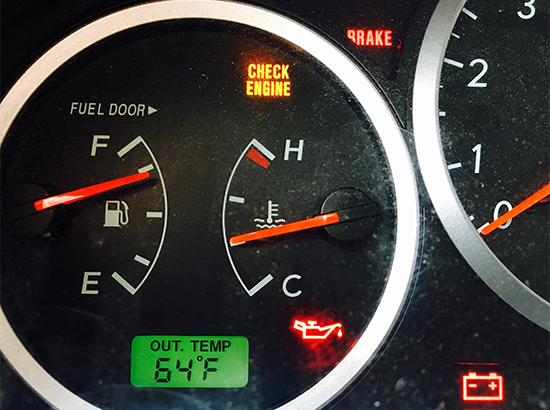
Checking your car’s dashboard indicators is a quick way to find out if it has ABS. The dashboard shows important signals about your car’s systems. These lights turn on when you start the engine and should go off after a few seconds. If the ABS light stays on, your car likely has an anti-lock braking system. It can also warn you if there is a problem with ABS.
Abs Warning Light
The ABS warning light looks like the letters “ABS” inside a circle. This circle often has parentheses around it. The light usually glows yellow or amber. It appears when you turn your car on. If the light stays on or flashes, it means the ABS is not working properly. Your brakes still work, but ABS may not help in an emergency. This light is the clearest sign your car has ABS.
Other Related Symbols
Some cars show additional brake-related symbols. A red brake warning light may appear, shaped like a circle with an exclamation mark. It signals a general brake problem, not just ABS. Another symbol looks like a car slipping or sliding. This relates to traction control, which often works with ABS. Spotting these symbols can also hint your car has ABS. Check your owner’s manual for exact meanings.
Look Under The Hood
Checking under the hood is a smart way to find out if your car has ABS. This method lets you see the actual parts that make ABS work. You do not need special tools, just a little patience and a basic understanding of car parts.
Locate The Abs Module
The ABS module is the brain of the system. It controls the anti-lock brakes by managing the brake pressure. Usually, the ABS module is near the brake fluid reservoir. It is a small box with several metal brake lines attached. The module often has an electrical connector plugged into it. Spotting this box confirms your car has ABS.
Identify Wheel Speed Sensors
Wheel speed sensors send data to the ABS module. They detect how fast each wheel spins. These sensors are near the wheels, often attached to the wheel hub or axle. Look for small round devices with wires running from them. Each wheel should have one sensor. Finding these parts means your car uses ABS technology.
Credit: blog.amsoil.com
Inspect The Vehicle’s Wheels
Inspecting your vehicle’s wheels is a simple way to check for ABS. The Anti-lock Braking System works by monitoring wheel speed. Each wheel has sensors that send signals to the car’s computer. These sensors help prevent the wheels from locking during sudden stops.
By examining the wheels closely, you can spot parts related to ABS. This step helps you understand if your car has this safety feature. Checking the wheels is easy and does not need special tools.
Signs Of Wheel Speed Sensors
Look near the brake rotors or inside the wheel hub. Wheel speed sensors are small devices attached close to these areas. They often look like tiny cylinders or discs with a wire connected. Sometimes, you can see a small metal ring with teeth near the sensor. This ring spins with the wheel and helps measure speed. If you find these parts, your car likely has ABS.
Check For Sensor Wiring
ABS sensors need wiring to send signals to the car’s computer. Trace the wires from the sensors toward the car’s frame. The wires are usually thin and covered in plastic. They run along the suspension or brake lines. If you find these wires connected to each wheel, your vehicle has ABS. No wires could mean the system is missing or broken.
Consult The Owner’s Manual
Consulting the owner’s manual is the first step to check if your car has ABS. This manual holds key details about your vehicle’s features. It explains safety systems clearly and simply.
The manual usually has a section on braking systems. This part will tell you if ABS is installed. It may also explain how ABS works and what warning lights to expect.
Using the manual saves time and confusion. It is the most reliable source for your car’s specifications. You do not need special tools or knowledge.
Locate The Section On Safety Features
Look for chapters or pages titled “Safety Features” or “Braking System.” This section often lists ABS among other safety technologies. It may include diagrams or symbols for ABS.
Check For Abs Warning Light Information
The manual will describe the ABS warning light on the dashboard. It explains its shape, color, and when it turns on. This light signals if ABS is active or malfunctioning.
Review Maintenance Tips Related To Abs
Some manuals provide advice on ABS care. It may cover brake fluid changes or sensor checks. Following these tips helps keep ABS working properly.
Test The Brakes Safely
Testing your brakes safely is important to find out if your car has ABS. ABS stands for Anti-lock Braking System. It helps stop your car without locking the wheels. This test needs a quiet, empty road. Make sure there is no traffic or obstacles around. Drive at a moderate speed to keep control.
Perform A Controlled Stop
Press the brake pedal firmly but not too hard. Try to stop quickly without skidding. Keep your hands steady on the steering wheel. If your car has ABS, you will feel the brakes working hard. The car should stop in a straight line. If the wheels lock and slide, your car may not have ABS.
Feel For Pulsation In Brake Pedal
During the stop, pay attention to the brake pedal. If your car has ABS, you will feel a rapid pulsing. It feels like the brake pedal is vibrating under your foot. This pulsing is the ABS system working to prevent wheel lock. If there is no pulsing, your car might not have ABS. This simple test can give you a good idea about your brakes.
Use An Obd2 Scanner
An OBD2 scanner is a useful tool to check your car’s systems. This device connects to your car’s diagnostic port. It reads data from the car’s computer. You can find out if your car has ABS by using this scanner. It helps detect problems and confirms ABS presence quickly.
Check For Abs Codes
Plug the OBD2 scanner into the car’s port. Turn on the ignition but do not start the engine. Follow the scanner’s instructions to begin a system scan. Look specifically for ABS-related trouble codes. These codes usually start with the letter “C.” If you find these codes, your car has an ABS system.
Interpreting Scan Results
Once the scanner shows codes, look up their meanings. ABS codes indicate issues with the anti-lock brake system. If no ABS codes appear, your car might not have ABS. Some scanners show clear text messages. Others need a code list for interpretation. Understanding these results helps you know your car’s brake system better.
Ask A Professional Mechanic
Ask a professional mechanic to check if your car has ABS. They have the tools and knowledge to find out quickly. A mechanic can inspect your vehicle safely and give clear answers. This helps avoid guesswork and ensures your car’s safety features work well.
Diagnostic Services
Mechanics use special diagnostic tools to check ABS systems. These tools read data from your car’s computer. They can detect ABS problems or confirm its presence. The process is fast and accurate. It saves time and gives peace of mind.
Benefits Of Expert Inspection
A professional inspection reveals hidden issues with ABS. Mechanics can spot worn parts or electrical faults. This prevents costly repairs later. Experts also explain how ABS works in your car. Their advice helps you drive safer every day.

Credit: www.reddit.com
Frequently Asked Questions
How Can I Tell If My Car Has Abs?
Check your dashboard for the ABS warning light when you start your car. Consult your owner’s manual for ABS info. Look for ABS sensors near the wheels or ask your mechanic for confirmation.
What Does The Abs Warning Light Look Like?
The ABS warning light usually appears as the letters “ABS” inside a circle or parentheses. It lights up briefly when you start your car. If it stays on while driving, it signals a problem with the ABS system.
Does Every Car Have Abs As Standard?
Most modern cars come with ABS as standard safety equipment. However, older models and some basic trims may lack it. Check your car’s specifications or owner’s manual to confirm if ABS is installed.
Can I Test Abs Functionality Myself?
You can test ABS by driving on a slippery surface and braking hard. If the wheels don’t lock and you feel pulsations in the brake pedal, ABS is working. Always perform this test safely in a controlled environment.
Conclusion
Knowing if your car has ABS helps you drive safer and smarter. Check the dashboard for an ABS light when you start the car. Listen for a clicking sound when braking hard. Look under the wheels for the ABS sensor rings.
These simple steps save time and give peace of mind. Stay aware of your vehicle’s features to avoid surprises. Safe driving depends on understanding your car’s systems well. Keep this guide handy next time you check your car.