

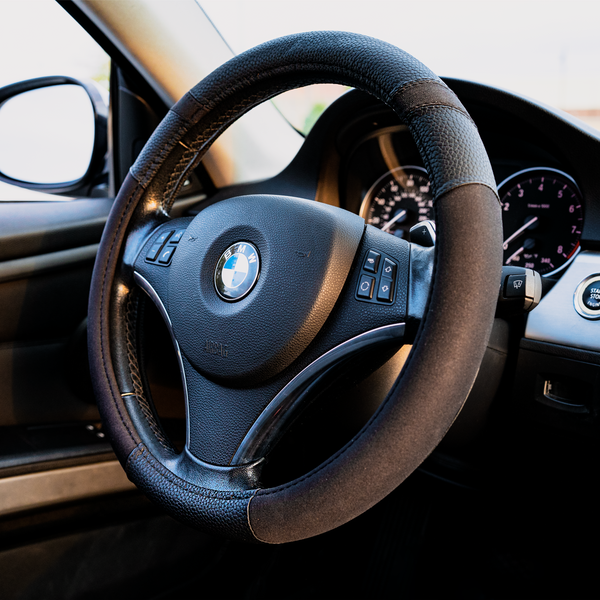
Your steering wheel is one of the most used parts of your car, so why not make it more comfortable and stylish? A neoprene steering wheel cover can protect your wheel, improve your grip, and give your car a fresh look.
Best of all, you can make one yourself without spending a fortune. In this guide, you’ll discover simple steps to create a custom neoprene cover that fits perfectly and feels great every time you drive. Ready to upgrade your driving experience?
Let’s get started!
Materials Needed
Gathering the right materials is the first step to making a neoprene steering wheel cover. Using quality materials ensures your cover fits well and lasts long. This section lists the essential items needed to start your project.
Choosing Neoprene Fabric
Select a neoprene fabric that is thick and flexible. About 3mm thickness works best for durability and comfort. Pick black or a color that matches your car’s interior. Look for neoprene with a smooth surface for easy sewing. Make sure the fabric is wide enough to wrap around your steering wheel.
Additional Supplies
Besides neoprene, you need strong thread, preferably nylon or polyester. A heavy-duty sewing needle helps stitch through thick fabric. Use scissors to cut the fabric accurately. A measuring tape is necessary for precise dimensions. You will also need chalk or fabric markers to mark your patterns. Optional items include elastic bands for a snug fit and Velcro strips for easy removal.
Measuring Your Steering Wheel
Measuring your steering wheel is the first step to making a perfect neoprene cover. Accurate measurements ensure the cover fits snugly and looks great. Take your time to measure carefully. This will help you avoid mistakes and wasted material.
Taking Accurate Dimensions
Start by measuring the diameter of your steering wheel. Use a flexible tape measure for best results. Wrap it around the wheel’s outer edge. Note the measurement in inches or centimeters.
Next, measure the thickness of the steering wheel. This is the width from one side to the other. Measure at different points to find the average thickness. Record this number as well. Accurate thickness helps the cover fit comfortably.
Marking The Fabric
Lay your neoprene fabric flat on a clean surface. Use a fabric marker or chalk to mark the dimensions. Draw a circle for the outer edge based on the diameter measurement. Then, draw an inner circle for the steering wheel’s inside diameter.
Add extra space around the circles for seam allowance. This space helps when sewing the cover. Double-check your marks before cutting. Clear markings make the sewing process easier and more precise.
Cutting The Neoprene
Cutting the neoprene is an important step in making a steering wheel cover. This part shapes the material to fit perfectly around your wheel. Accurate cutting helps the cover look neat and last longer. Take your time and follow the steps carefully to avoid mistakes.
Using Proper Tools
Use sharp scissors or a rotary cutter for clean cuts. Dull tools can cause jagged edges and damage the neoprene. A cutting mat protects your work surface and helps cut straight lines. Keep your tools close to avoid interruptions.
Creating A Template
Make a paper or cardboard template before cutting the neoprene. Trace the shape of your steering wheel with enough extra for seams. This guide helps you cut the neoprene accurately. Double-check the template size to match your wheel perfectly.
Credit: www.gorlagear.com
Sewing Techniques
Sewing a neoprene steering wheel cover needs special care. The material is thick and stretchy. This means the sewing method must hold strong but stay flexible. Proper sewing techniques help the cover last longer and fit well.
Understanding stitch types and seam allowance is important. These details affect the look and strength of your cover. Let’s explore the best ways to sew neoprene for a neat finish.
Stitch Types For Neoprene
Choose stitches that stretch with neoprene. A zigzag stitch works well. It allows the fabric to move without breaking the thread. Another good option is the stretch stitch. It is strong and flexible.
Use a polyester thread. It matches the stretch of neoprene better than cotton. Keep your stitches tight but not too close. This stops the fabric from puckering or tearing.
Seam Allowance Tips
Seam allowance is the extra fabric used to sew pieces together. For neoprene, use about ½ inch (1.3 cm). This gives enough space to sew without weakening the cover.
Trim the seam allowance slightly after sewing. This reduces bulk and helps the cover wrap smoothly. Press seams gently with a cool iron or hand press to avoid damage.
Assembling The Cover
Assembling the neoprene steering wheel cover is an important step. It shapes the cover to fit the wheel perfectly. Careful assembly makes the cover strong and neat. Follow these simple steps to put the pieces together correctly.
Aligning The Pieces
Place the neoprene pieces flat on a clean surface. Match the edges and curves carefully. The inside sides should face each other. Check that the holes or seams line up well. Pin the pieces together to hold them in place. This step ensures the cover fits the wheel snugly.
Sewing The Cover Together
Use a strong thread that matches the neoprene color. Start sewing from one edge, using small, tight stitches. Sew along the pinned edges slowly and steadily. Keep the fabric smooth to avoid wrinkles. Leave a small gap to turn the cover inside out. After sewing, turn the cover right side out through the gap. Close the gap with neat stitches. The cover should feel firm and fit well now.

Credit: www.amazon.com
Finishing Touches
Finishing touches make your neoprene steering wheel cover both practical and stylish. These final steps improve comfort and add a personal flair. Small details can make a big difference in how the cover feels and looks.
Adding Grip Enhancements
Grip is key for safe driving. You can sew small strips of rubber or silicone on the inside edge of the cover. These strips help prevent slipping and give you better control. Another option is using textured fabric patches on the cover’s surface. They add extra traction and make your hands feel steady. Ensure the grip materials stay comfortable and do not irritate your skin. Test the cover on the wheel before final stitching.
Optional Decorations
Decorations let you show your personality. Sew on colorful patches or small embroidered designs. Use fabric paint to add patterns or symbols. Choose simple shapes for easy painting. Avoid bulky decorations that may interfere with steering. Small beads or buttons can work but check they do not come loose. Keep decorations neat and secure for a clean look. These touches make your cover unique and fun.
Installing The Cover
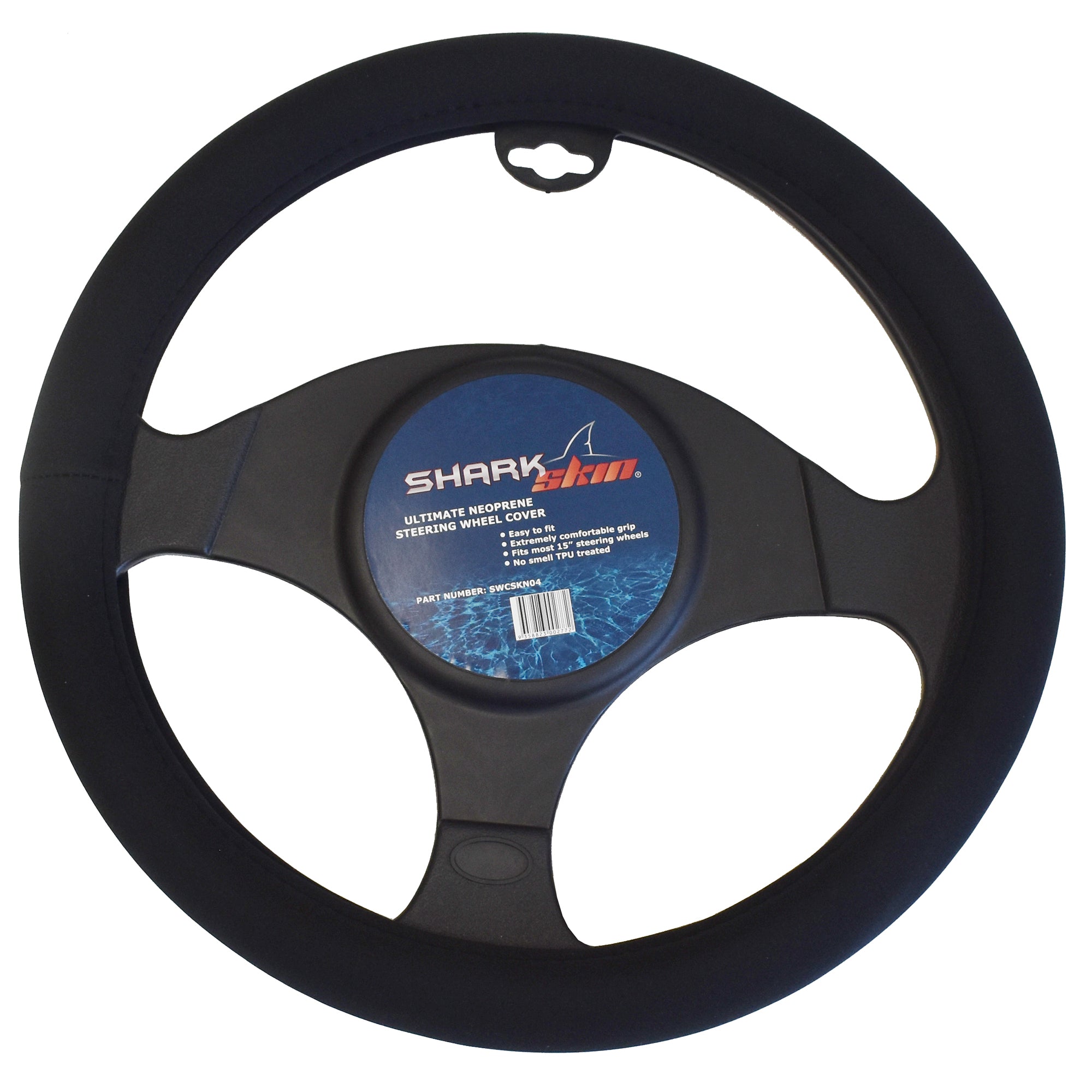
Installing a neoprene steering wheel cover is simple and quick. It protects your wheel and adds comfort while driving. Proper installation ensures the cover fits tightly and stays in place.
Fitting Tips
Start by warming the cover with your hands. This makes the neoprene more flexible. Align the cover with the top of the steering wheel first. Slowly pull the cover down over the sides. Stretch the material evenly around the wheel. Avoid pulling too hard to prevent tearing. Check for any loose spots or wrinkles. Adjust the cover until it fits snugly all around.
Maintaining The Cover
Keep the cover clean by wiping it with a damp cloth. Use mild soap for tougher stains. Avoid harsh chemicals that can damage neoprene. Let the cover air dry completely before use. Remove the cover occasionally to check for wear. Store it away from direct sunlight to prevent fading. Regular care helps the cover last longer and look new.
Credit: sharkskin.au
Frequently Asked Questions
What Materials Do I Need For A Neoprene Steering Wheel Cover?
You need neoprene fabric, scissors, sewing needle, thread, and measuring tape. These items ensure durability and a snug fit for your cover.
How Long Does It Take To Make The Cover?
It usually takes about 1 to 2 hours to complete. Time varies depending on your sewing skills and tools used.
Can I Customize The Size Of The Cover?
Yes, measure your steering wheel’s diameter accurately. Cut the neoprene fabric accordingly for a perfect, tailored fit.
Is Sewing Necessary For Making A Neoprene Cover?
Sewing is recommended for durability and a secure fit. However, strong adhesive can be used for no-sew options.
Conclusion
Making a neoprene steering wheel cover is simple and fun. It protects your wheel and adds comfort while driving. You only need a few materials and some basic steps. Sewing the cover by hand or machine works well. Take your time to fit it properly for best results.
Now, your steering wheel feels softer and looks better. Try this easy project and enjoy a cozy grip every time you drive.


