
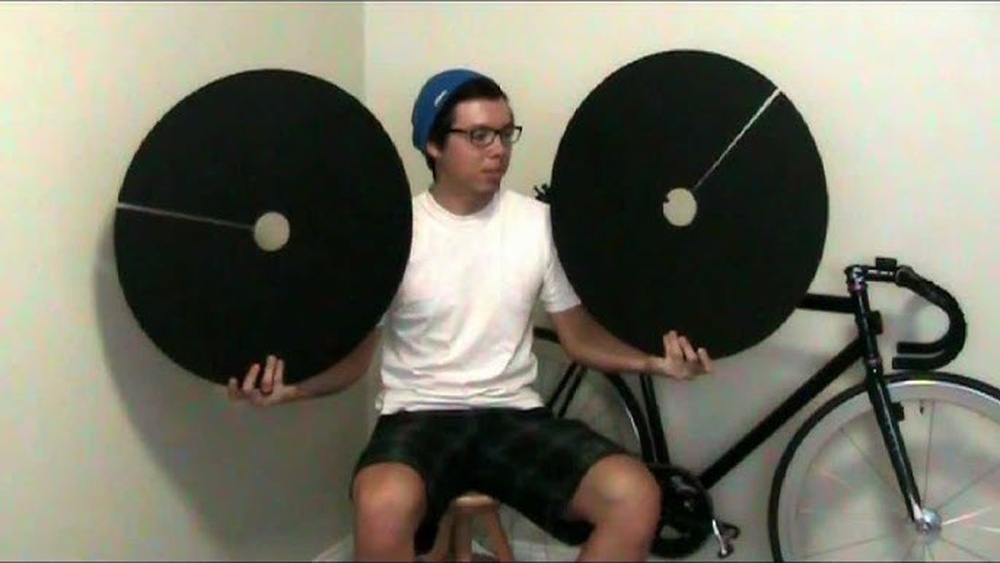
Are you looking to give your bike a fresh, unique look while protecting your wheels at the same time? Making your own bicycle wheel covers is easier than you might think.
With just a few simple materials and steps, you can create covers that not only add style but also keep dirt and debris away from your wheels. In this guide, you’ll discover how to make durable, eye-catching wheel covers that fit your bike perfectly.
Keep reading, and you’ll soon have a custom accessory that turns heads every time you ride.

Credit: mimaki.com
Materials Needed
Making bicycle wheel covers is a fun and creative project. The right materials make the process easy and the covers durable. Preparing the materials before starting saves time and helps avoid mistakes.
Focus on fabric and tools that are simple to use. Choose materials that last and protect your bicycle wheels well. This section explains what you need for the best results.
Choosing The Right Fabric
Select a fabric that is strong and water-resistant. Polyester and nylon are good choices. They protect the wheels from rain and dirt. The fabric should be easy to cut and sew. Avoid fabrics that stretch too much or tear easily. Pick colors or patterns that match your style.
Tools And Accessories
Gather basic tools like scissors and measuring tape. Use a fabric marker for clear lines. A sewing machine speeds up the process but hand sewing works too. Buy strong thread that matches the fabric color. Add elastic bands or Velcro strips for easy attachment. These tools and accessories make the cover fit tight and stay secure.
Preparing The Wheels
Preparing the wheels is the first step in making bicycle wheel covers. This stage ensures the covers fit well and last long. Taking time to prepare the wheels carefully makes the whole project easier and the results better.
Cleaning The Wheel Surface
Start by removing dirt and grease from the wheel surface. Use a soft cloth and mild soap with water. Wipe the rim and spokes gently but thoroughly. Dry the wheel completely before moving to the next step. A clean surface helps the cover stick or fit better.
Measuring For Accurate Fit
Measure the wheel diameter from one edge of the rim to the other. Check the width of the rim as well. Write down these numbers carefully. Measure twice to avoid mistakes. Accurate measurements help create wheel covers that fit snugly and look neat.
Cutting The Fabric
Cutting the fabric is a key step in making bicycle wheel covers. It shapes the fabric to fit the wheels perfectly. Accurate cutting saves time and effort later. Use the right tools and methods for clean edges and proper fit.
Creating A Template
Start by making a template for your wheel cover. Use paper or cardboard to trace the wheel size. Mark the exact dimensions, including extra space for seams. A well-made template ensures the fabric fits without stretching or sagging. Test the template by wrapping it around the wheel. Adjust if needed before cutting the fabric.
Cutting Tips For Precision
Choose a sharp pair of fabric scissors for clean cuts. Place the fabric on a flat surface to avoid wrinkles. Pin the template securely onto the fabric to keep it steady. Cut slowly and follow the edges of the template carefully. Avoid lifting the fabric while cutting to maintain straight lines. Double-check measurements before making the final cut.

Credit: kdfoundation.org
Sewing The Covers
Sewing the bicycle wheel covers is a key step in your project. It holds the fabric together and shapes the cover to fit your wheel. You will need a needle, thread, and some basic sewing skills. Taking your time helps make strong, neat seams. This part is simple, even for beginners.
Basic Stitching Techniques
Start with a running stitch for joining fabric pieces. Push the needle in and out evenly. Keep stitches about a quarter inch apart. This stitch is quick and holds well.
Use a backstitch for stronger seams. It loops back under the previous stitch. This makes the seam tight and durable. Good for parts that face stress.
Finish edges with a whip stitch. Wrap the thread around the fabric edge. This stops fraying and gives a clean look. Use this on raw fabric edges.
Adding Elastic Or Fasteners
Elastic helps the cover fit snugly around the wheel. Cut a strip the size of your wheel’s circumference. Sew the elastic ends together to form a loop. Attach the loop to the cover edge with small stitches.
Velcro strips make covers easy to remove. Sew one side of Velcro to the cover edge. Attach the matching side to the opposite edge. Press the cover around the wheel to close it firmly.
Snaps or buttons offer another fastening option. Sew buttons on one side of the cover. Make buttonholes or sew snap parts on the opposite side. This method keeps the cover secure and adjustable.
Attaching Covers To Wheels
Attaching covers to bicycle wheels needs care and precision. Proper attachment keeps the covers in place during rides. It protects the wheels and improves bike looks. This section explains how to secure covers firmly and remove them easily.
Securing Covers Firmly
Start by aligning the cover with the wheel. Use elastic bands or Velcro straps to hold it tight. Check all sides to avoid gaps or loose areas. Tight covers prevent flapping or slipping during movement. Double-check the fit by spinning the wheel slowly. Adjust straps if the cover shifts or feels loose.
Ensuring Easy Removal
Choose fasteners that open quickly, like Velcro or snap buttons. Avoid permanent glue or ties that damage the wheel. Leave some space to lift the cover without force. Mark the top edge to find the right spot for removal. Regularly clean the attachment points to keep covers easy to handle.

Credit: kdfoundation.org
Customizing Your Covers
Customizing your bicycle wheel covers lets you express your style and boost safety. Simple changes can make your covers unique and eye-catching. Personal touches also help protect your wheels from dirt and damage. This section shows easy ways to decorate and improve your covers.
Painting And Decorating
Choose paint made for plastic or metal surfaces. Use bright colors for a fresh, fun look. You can also add patterns, stripes, or shapes with tape or stencils. Let each layer dry well before adding the next. Seal the paint with a clear coat to protect it from weather.
Adding Reflective Elements
Attach reflective tape or stickers to your wheel covers. These reflect light and make you more visible at night. Place them evenly around the wheel for better safety. Small reflective dots or strips can catch headlights and streetlights. Secure them firmly to avoid peeling or falling off.
Maintenance And Care
Proper maintenance and care keep your bicycle wheel covers in good shape. Clean covers last longer and look better. Taking care of them saves money and effort in the long run.
Cleaning Tips
Use a soft cloth or sponge to clean the covers. Avoid harsh brushes that can scratch the surface. Mild soap and water work well for dirt and grime. Rinse with clean water to remove soap residue. Dry covers with a towel or let them air dry. Clean regularly to prevent buildup and stains.
Storage Recommendations
Store wheel covers in a cool, dry place away from sunlight. Avoid damp areas that cause mold or mildew. Keep them flat or hung to prevent bending or warping. Use a protective bag or box for extra safety. Proper storage helps maintain shape and color.
Frequently Asked Questions
How Do I Choose Materials For Bicycle Wheel Covers?
Select lightweight, durable, and weather-resistant materials like nylon or polyester. These ensure easy handling and long-lasting protection for your wheels.
What Tools Are Needed To Make Wheel Covers?
Basic tools include scissors, measuring tape, sewing needle or machine, and fabric markers. These help in accurate cutting and stitching of covers.
How Do I Measure Wheels For Perfect Cover Fit?
Measure wheel diameter and width precisely. Add extra allowance for seams to ensure a snug and secure fit on your wheels.
Can I Customize Bicycle Wheel Covers With Designs?
Yes, you can add paint, patches, or embroidery. Custom designs enhance aesthetics and make your covers unique and personalized.
Conclusion
Making bicycle wheel covers is simple and fun. You only need a few materials and some patience. These covers protect your wheels and add style to your bike. You can choose colors and designs you like. By following easy steps, anyone can create them at home.
Give it a try and enjoy your personalized bike look. Small efforts bring great results. Keep your bike safe and unique with custom wheel covers.


