
Your steering wheel is one of the most important parts of your car, and giving it a fresh, stylish look can make every drive more enjoyable. Imagine gripping a smooth, comfortable leather cover that not only feels great but also protects your wheel from wear and tear.
Making your own leather steering wheel cover might sound tricky, but it’s easier than you think—and the result is something you’ll be proud to show off. Keep reading, and you’ll learn simple, step-by-step tips to create a custom cover that fits perfectly and lasts long.
Ready to upgrade your driving experience? Let’s get started!
Materials Needed
Making a leather steering wheel cover requires specific materials. Having the right items helps create a neat and lasting cover. This section lists all essentials to get started.
Choosing The Right Leather
Select leather that feels soft and durable. Full-grain leather lasts longer and looks better. Avoid thin or stiff leather that can crack easily. The leather should be thick enough for a firm grip. Pick a color that matches your car’s interior or your style.
Essential Tools
Tools make the process smooth and precise. You need a sharp utility knife or rotary cutter for clean cuts. A leather needle helps with strong, even stitching. Use heavy-duty thread made for leather. A ruler or measuring tape ensures accurate sizing. A hole punch tool is useful for making stitch holes.
Additional Supplies
Other supplies improve the quality and ease of your work. Leather glue or contact cement helps hold pieces before sewing. Sandpaper smooths rough edges. Cloth or sponge cleans the leather surface. Clips or clamps keep leather in place while working. A leather conditioner keeps the cover soft after finishing.

Credit: www.amazon.com
Preparing The Steering Wheel
Preparing the steering wheel is the first step in making a leather cover. It helps the cover fit well and last longer. A clean and properly measured wheel gives a smooth finish. Take your time with this step.
Cleaning The Surface
Start by wiping the wheel with a dry cloth. Remove dust and dirt carefully. Use a mild soap solution and a soft cloth to clean the wheel. Avoid harsh chemicals that can damage the surface. Let the wheel dry completely before moving on.
Measuring The Wheel
Use a flexible tape measure to get the wheel’s circumference. Measure around the thickest part of the wheel. Note the diameter by measuring straight across the center. Write down these numbers. Accurate measurements help cut the leather correctly.
Cutting The Leather
Cutting the leather is a key step in making a leather steering wheel cover. It shapes the leather to fit perfectly around the wheel. Accurate cutting ensures the cover looks neat and fits well. Use the right tools and methods for clean, smooth edges. This helps the cover last longer and feel comfortable in your hands.
Creating A Template
Start by making a template for your leather piece. Use paper or thin cardboard. Wrap it around the steering wheel to match its size. Mark the exact length and width needed. Add a small allowance for stitching. Cut out the template carefully. This guide helps you cut the leather with precision.
Cutting Techniques
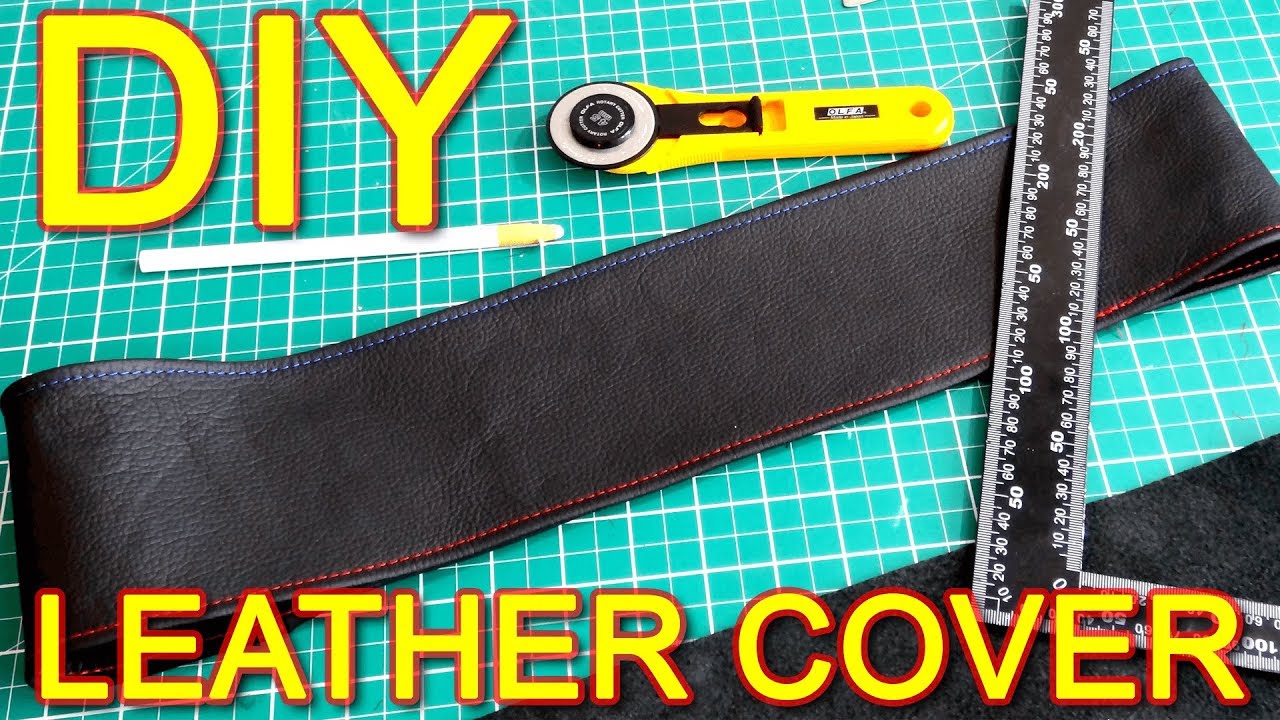
Place the leather flat on a cutting mat. Use a sharp utility knife or rotary cutter. Follow the template edges slowly and steadily. Avoid rushing to prevent jagged cuts. Keep your hand steady and apply even pressure. Cut in one smooth motion for the best results. Trim any rough edges with small scissors if needed.
Credit: www.etsy.com
Sewing The Cover
Sewing the leather cover is a key step in making a steering wheel cover. It holds the pieces together and shapes the cover to fit perfectly. This part needs care and the right tools. Choosing the right thread and needle makes sewing easier and stronger. Using the correct stitching method ensures the cover lasts a long time. Take your time to sew neatly and tightly for the best result.
Selecting Thread And Needle
Pick a strong thread made for leather, like polyester or nylon. These threads do not break easily. Choose a thick thread for better durability. Use a leather needle with a sharp point. It can pierce through the tough leather without damage. The needle size should match the thread thickness. This helps make clean and tight stitches. Preparing the thread with wax can make sewing smoother. It also stops the thread from tangling or breaking.
Stitching Methods
Use simple stitches like the saddle stitch for strength. This stitch uses two needles and locks each stitch tight. It stops the thread from unraveling. Another good option is the running stitch for quick work. Make sure stitches are even and close. Keep the tension firm but not too tight. Loose stitches can come apart; too tight can tear the leather. Sew slowly and check your progress often. This helps keep the cover neat and strong.
Fitting The Cover
Fitting the leather steering wheel cover is a key step in your project. It ensures the cover stays in place and looks neat. A proper fit improves comfort and grip while driving. This part requires patience and care. Follow the steps carefully for the best result.
Aligning With The Wheel
Start by placing the cover over the top of the wheel. Make sure the leather is facing outwards. Align the cover so it matches the wheel’s shape. Check that the seams line up evenly. This helps the cover fit snug and look good. Take your time to adjust the cover around the wheel. Avoid stretching it too much at this stage.
Securing The Edges
Once aligned, begin securing the edges of the cover. Pull the leather gently but firmly around the wheel. Use strong thread or lacing to stitch the edges together. Sew tightly to prevent the cover from slipping. Work slowly and evenly around the wheel. Check for any loose spots and tighten as needed. This step keeps the cover secure and durable.
Credit: www.youtube.com
Finishing Touches
Finishing touches make your leather steering wheel cover last longer and look great. These final steps protect the leather and keep it soft. Simple care routines help maintain its beauty and strength.
Conditioning The Leather
Apply a leather conditioner to keep the cover supple. Use a small amount on a soft cloth. Rub gently in circular motions over the entire surface. This prevents the leather from drying and cracking. Allow the conditioner to soak in for a few minutes. Wipe off any extra with a clean cloth. Conditioning adds a natural shine and extends the leather’s life.
Maintenance Tips
Keep the cover clean by wiping it weekly with a damp cloth. Avoid harsh chemicals or soaking the leather. Use a mild soap if needed, then dry immediately. Protect the cover from direct sunlight to stop fading. Check regularly for loose stitches or wear. Fix small problems early to avoid big repairs. Proper care keeps your steering wheel cover looking new for years.
Frequently Asked Questions
What Materials Are Needed For A Leather Steering Wheel Cover?
You need genuine or faux leather, strong thread, a needle, scissors, and adhesive. Measuring tape helps for accurate sizing. These materials ensure durability and a perfect fit.
How Do I Measure My Steering Wheel For The Cover?
Measure the steering wheel’s diameter and circumference using a flexible tape. Accurate measurements ensure a snug and secure leather cover fit. This prevents slipping during driving.
Can I Make A Leather Cover Without Sewing Skills?
Yes, you can use strong adhesive or leather glue instead of sewing. However, stitching provides more durability and a professional look. Choose the method based on your comfort level.
How Long Does It Take To Make A Leather Steering Wheel Cover?
It typically takes 2 to 4 hours, depending on your experience. Cutting, stitching, and fitting require patience for the best results. Rushing can lead to errors or a poor fit.
Conclusion
Making a leather steering wheel cover is simple and rewarding. You only need basic materials and some patience. This project saves money and adds a personal touch to your car. It also protects your steering wheel from wear and tear.
With clear steps, anyone can create a stylish cover. Try it yourself and enjoy the comfort and grip it brings. A small effort leads to a big difference in your driving experience. Give your car a fresh look with a handmade leather cover.
