

Want your car to look fresh and shine like new? Knowing how to polish and wax your car can make a huge difference.
It’s not just about appearance—this simple routine protects your paint and keeps your vehicle looking great for years. In this guide, you’ll learn easy steps that anyone can follow, even if you’ve never tried it before. Ready to give your car that showroom shine?
Let’s dive in and make your ride stand out on the road.
Credit: www.bobtylertoyota.com
Preparing Your Car
Preparing your car is the first step to a smooth polishing and waxing process. It sets the stage for the best shine and protection. Taking time to get your car ready can save effort later and improve results.
This preparation includes gathering the right tools, cleaning the car thoroughly, and checking the paint condition carefully. Each step helps the polish and wax stick better and last longer.
Gathering Supplies
Collect all needed materials before starting. This includes car shampoo, buckets, microfiber towels, polish, wax, and applicator pads. Using clean and proper tools ensures better work.
Get a hose or pressure washer for rinsing. Have separate cloths for drying and polishing. A good quality polish and wax designed for your car’s paint type is best.
Washing And Drying
Start by rinsing loose dirt and dust from your car. Use car shampoo and water with a soft sponge or mitt. Wash in sections to avoid soap drying on the surface.
Rinse well to remove all soap residue. Dry the car using clean microfiber towels. Drying stops water spots and prepares the surface for polishing.
Inspecting The Paint
Look closely at your car’s paint under good light. Check for scratches, swirl marks, or dull spots. This helps decide how much polishing is needed.
Make a note of problem areas. Polishing fixes minor paint issues. Deep scratches might need professional help.
Choosing The Right Products
Choosing the right products plays a big role in polishing and waxing your car. The right tools and materials protect your paint and make your car shine. Using poor quality products can cause damage or leave streaks. It is important to pick items that match your car’s needs and your skill level. This guide covers the main types of polish, wax, and tools to help you decide.
Types Of Polish
Polish removes small scratches and smooths the paint surface. There are three main types: abrasive, swirl remover, and finishing polish. Abrasive polish cuts deep scratches but needs careful use. Swirl remover targets light scratches and swirls left by washing. Finishing polish adds shine and prepares the paint for wax. Choose polish based on your car’s condition and paint type.
Wax Options
Wax protects the paint and adds a glossy finish. There are natural waxes and synthetic waxes. Natural wax, like carnauba, gives a deep shine but wears off faster. Synthetic wax lasts longer and offers strong protection. Paste, liquid, and spray waxes have different ease of use. Pick a wax that fits your time and finish preferences.
Tools And Applicators
Proper tools make polishing and waxing easier and better. Use soft microfiber cloths to avoid scratches. Foam or wool pads help apply polish and wax evenly. A dual-action polisher speeds up the job but requires practice. Hand application works well for beginners. Clean, good quality tools improve results and protect your car’s paint.
Polishing Techniques
Polishing your car improves its shine and removes small surface imperfections. It prepares the paint for waxing and protects it from damage. There are different ways to polish, depending on your tools and experience. Let’s explore effective polishing techniques for great results.
Applying Polish By Hand
Hand polishing gives you full control over the process. Use a soft foam or microfiber applicator pad. Apply a small amount of polish to the pad. Work on one small section at a time. Use gentle, circular motions to spread the polish evenly. Keep rubbing until the polish begins to clear. Wipe off excess polish with a clean microfiber cloth. Repeat on the entire car surface. Hand polishing is slower but very safe for delicate paint.
Using A Machine Polisher
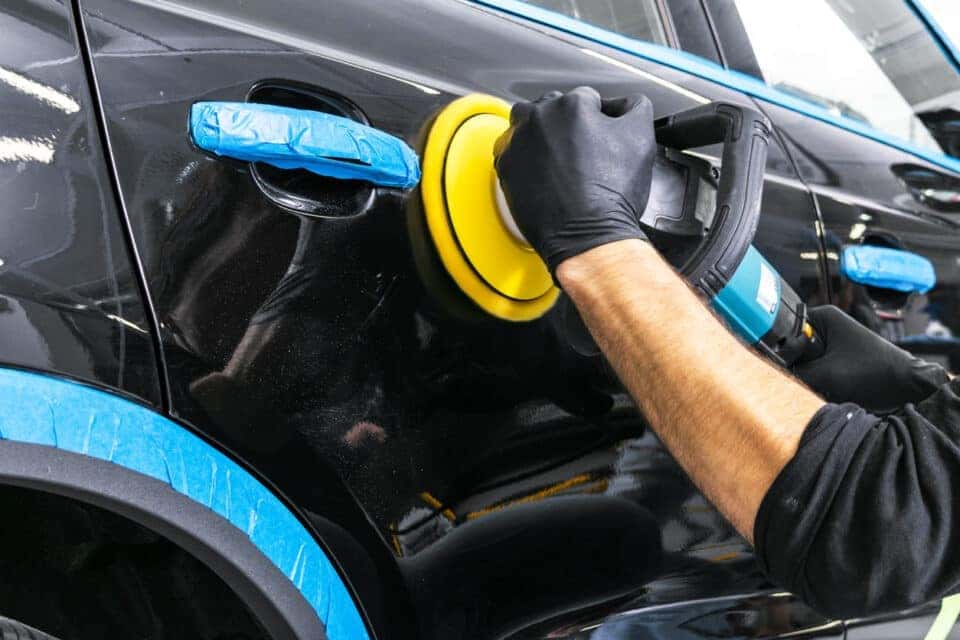
A machine polisher speeds up the work and gives uniform results. Choose a dual-action polisher for safety and easy use. Attach a polishing pad suited for your polish type. Spread polish on the pad before starting. Turn the machine on low speed and place it on the car. Move the polisher slowly in overlapping circles. Keep the pad flat against the surface. Increase speed slightly if needed but avoid pressing hard. Wipe off residue with a microfiber cloth after polishing each area.
Dealing With Scratches And Swirls
Scratches and swirls reduce your car’s shine. Use a polish with light abrasives to remove them. For deep scratches, consider a rubbing compound before polishing. Apply the product on the affected area only. Use a soft pad to avoid more damage. Polish gently until scratches fade. Check your progress often under good light. Finish by polishing the entire panel to blend the repaired area. Proper care prevents new scratches during polishing.
Waxing Methods
Waxing your car adds a shiny finish and protects the paint. Different waxing methods suit different needs and skill levels. Choosing the right method can save time and improve results. Explore simple hand waxing and faster machine waxing below. Learn how to apply wax properly for best protection and shine.
Hand Waxing Steps
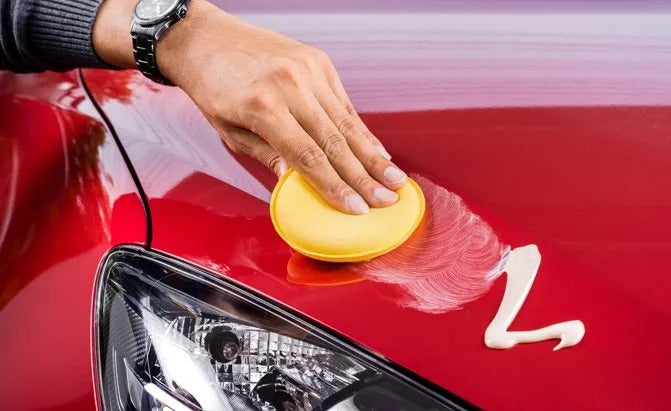
Start with a clean, dry car surface. Use a soft applicator pad to scoop a small amount of wax. Apply wax in small circular motions. Work on one section at a time. Let the wax dry to a haze, usually a few minutes. Buff the wax off with a clean microfiber cloth. Use gentle pressure for a smooth finish. Hand waxing gives good control and detail work.
Machine Waxing Tips
Choose a dual-action polisher for safety and ease. Attach a soft foam pad made for waxing. Spread wax evenly on the pad before turning on the machine. Work on small sections with slow, steady movements. Keep the machine flat to avoid swirl marks. Do not press too hard; let the machine do the work. Wipe off residue with a microfiber towel after each section.
Timing And Layering
Apply wax in thin, even layers for best results. Allow each layer to dry completely before adding more. Drying time varies by wax type and weather. Multiple layers increase protection and depth of shine. Avoid waxing in direct sunlight or on a hot surface. Regular waxing every few months keeps your paint safe and glossy.
Maintaining The Shine
Maintaining your car’s shine after polishing and waxing is key to keeping it looking fresh. A bright, glossy finish draws attention and protects your car’s paint. Small daily actions can extend the life of your wax and keep the surface smooth. Follow simple steps to keep that shine for weeks and months.
Regular Cleaning
Clean your car often using gentle soap and water. Dirt and dust can scratch the paint and dull the shine. Use a soft cloth or sponge to avoid scratches. Rinse well to remove all soap. Dry with a microfiber towel to prevent water spots. Regular cleaning stops grime buildup that breaks down wax.
Touch-up Tips
Fix small scratches or chips quickly. Use a scratch remover or touch-up paint to cover marks. These spots can catch dirt and ruin the smooth look. Check your car’s surface every week for damage. Treat problems early to keep the finish flawless. This care helps your wax last longer.
Protective Measures
Park in shaded or covered areas to protect from sun damage. UV rays fade paint and wax over time. Use a car cover if you park outside often. Avoid parking under trees to prevent sap and bird droppings. Wash off contaminants quickly to avoid stains. These steps keep your wax strong and your car shiny.
Credit: ethoscarcare.com
Common Mistakes To Avoid
Polishing and waxing your car can give it a fresh, shiny look. Many people make common mistakes that hurt the finish instead of helping it. Avoiding these errors saves time and protects your car’s paint. Learn what to watch out for below.
Over-polishing
Polishing too often wears down your car’s clear coat. This layer protects the paint and keeps it smooth. Use polish sparingly and only when needed. Overdoing it can cause dull spots or uneven color. Let the paint rest between polishing sessions.
Using Wrong Products
Not all products suit every car type or color. Some polishes and waxes are too harsh for certain finishes. Always check the label and choose products made for your car’s paint. Avoid household cleaners or cheap waxes. They can cause scratches or residue build-up.
Ignoring Environmental Factors
Heat, dust, and sunlight affect how polish and wax work. Applying these products under direct sun can dry them too fast. Dust or dirt can scratch the paint during application. Choose a cool, shaded area for polishing and waxing. Clean your car thoroughly before starting.
Enhancing With Additional Products
Enhancing your car’s shine goes beyond just polishing and waxing. Adding extra products can boost protection and make your car look newer for longer. These products work well together to keep your paint smooth and glossy. Using them correctly helps maintain your car’s beauty and value.
Sealants And Glazes
Sealants create a strong, protective layer on your car’s paint. They last longer than regular wax and resist dirt and water. Glazes fill tiny scratches and give the paint a deeper shine. Applying sealants and glazes after polishing can make your car look fresh and clean for weeks.
Ceramic Coatings
Ceramic coatings offer tough protection against scratches and chemicals. They bond with the paint to form a hard, glossy surface. This coating lasts for months or even years, cutting down on frequent waxing. It keeps the car cleaner by repelling dust and water effectively.
Detailing Sprays
Detailing sprays help keep your car shiny between washes. They remove light dust and fingerprints quickly. Use these sprays after washing or waxing to enhance the gloss. They are easy to apply and great for quick touch-ups, keeping your car looking polished daily.

Credit: bigsmobile.com
Frequently Asked Questions
How Often Should I Polish And Wax My Car?
Polish your car every 6 months to remove surface imperfections. Wax your car every 3 months to protect the paint and maintain shine. Regular polishing and waxing extend your car’s paint life and improve its appearance.
What Tools Do I Need To Polish And Wax My Car?
You need a dual-action polisher or microfiber applicator pads, car polish, wax, microfiber towels, and a bucket of water. These tools help you apply polish and wax evenly, ensuring a smooth finish and effective protection for your car’s paint.
Can I Wax My Car Without Polishing It First?
Yes, you can wax without polishing, but polish removes surface scratches and oxidation. Polishing enhances the paint’s smoothness and shine. Waxing alone only adds a protective layer, so polishing before waxing is ideal for best results.
How Long Does Car Wax Protection Last?
Car wax protection usually lasts 6 to 8 weeks. High-quality waxes may last up to 3 months. Environmental factors like rain and sun exposure can shorten wax durability, so reapply wax regularly for optimal protection.
Conclusion
Polishing and waxing your car keeps it shining and protected. It removes scratches and adds a smooth finish. Regular care helps your paint last longer. Take your time and follow each step carefully. Clean tools make the job easier and better.
A well-maintained car looks great and holds value. Enjoy the shine and pride in your work. Keep practicing to improve your skills. Your car will thank you with a fresh, bright look. Simple steps lead to great results every time.


