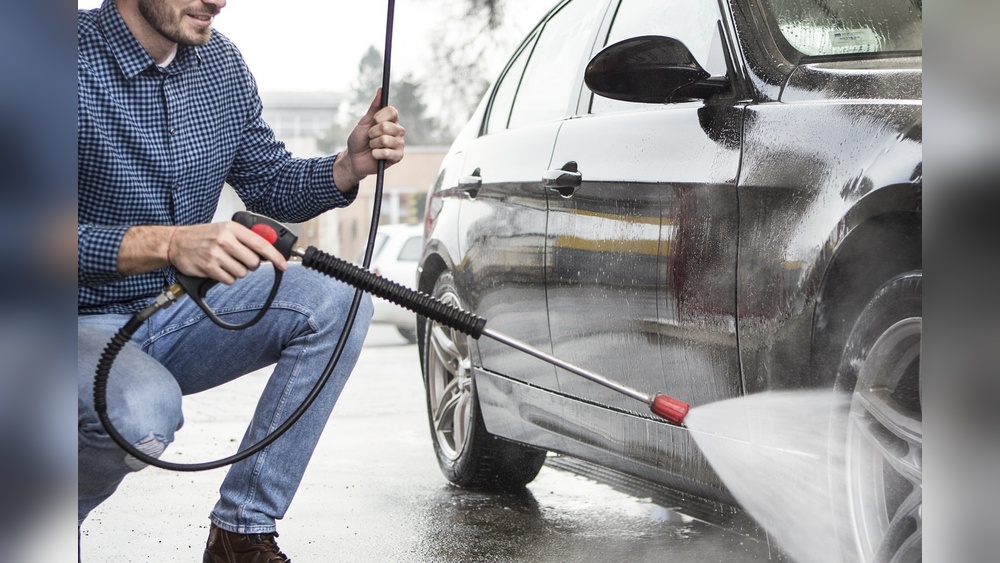
You want your car to look spotless, but scrubbing by hand takes too much time and effort. What if you could make your car shine like new without breaking a sweat?
Pressure washing is the secret weapon that can save you hours and deliver a deep clean that’s hard to beat. In this guide, you’ll discover simple steps to pressure wash your car safely and effectively. Stick with me, and you’ll learn how to get that showroom finish right in your own driveway.
Ready to transform your car cleaning routine? Let’s dive in.
Credit: www.torquedetail.com
Choosing The Right Pressure Washer
Choosing the right pressure washer is key to cleaning your car safely and well. A suitable pressure washer saves time and protects your car’s paint. Not all pressure washers work the same. Some are too strong and can damage your car. Others are too weak and take longer to clean. Understanding the types, pressure levels, and needed attachments helps you pick the best tool.
Types Of Pressure Washers
Pressure washers come in electric and gas models. Electric washers are lighter and quieter. They work well for cars and small jobs. Gas washers are stronger and for heavy tasks. They are louder and need more care. For cars, electric washers often fit best. They offer enough power without risking damage.
Recommended Psi For Cars
PSI means pounds per square inch. It shows how strong the water pressure is. Cars need a PSI between 1200 and 1900. Higher PSI can harm paint or parts. Lower PSI might not clean well. Choose a pressure washer that stays in this range. This range cleans dirt but keeps the car safe.
Essential Attachments And Nozzles
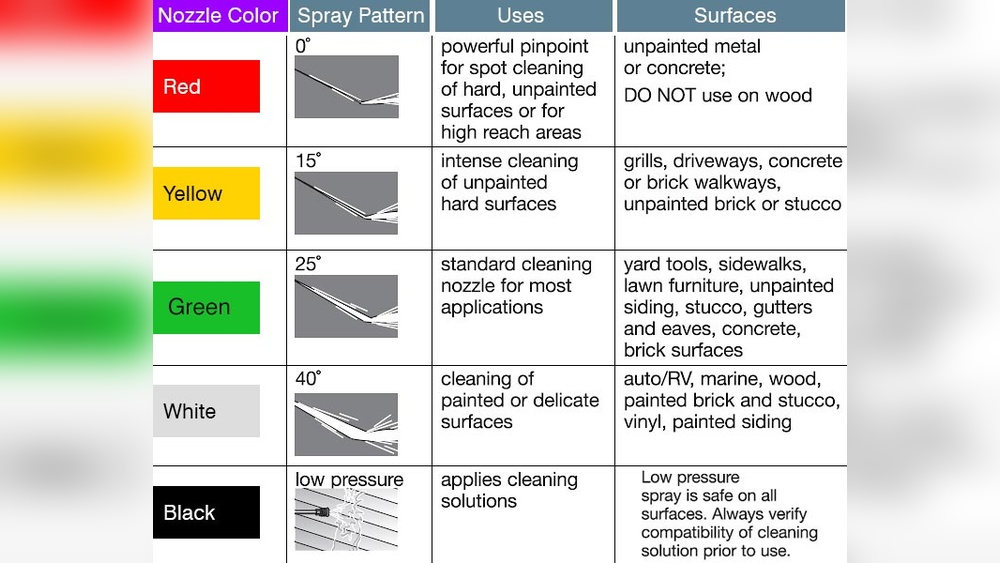
Attachments help control water flow and protect surfaces. A wide-angle nozzle spreads water gently. It covers more area and reduces risk. A soap nozzle adds cleaning solution easily. A turbo nozzle offers more power but use it carefully. Choose soft brushes or foam cannons for extra care. These tools improve cleaning and avoid damage.
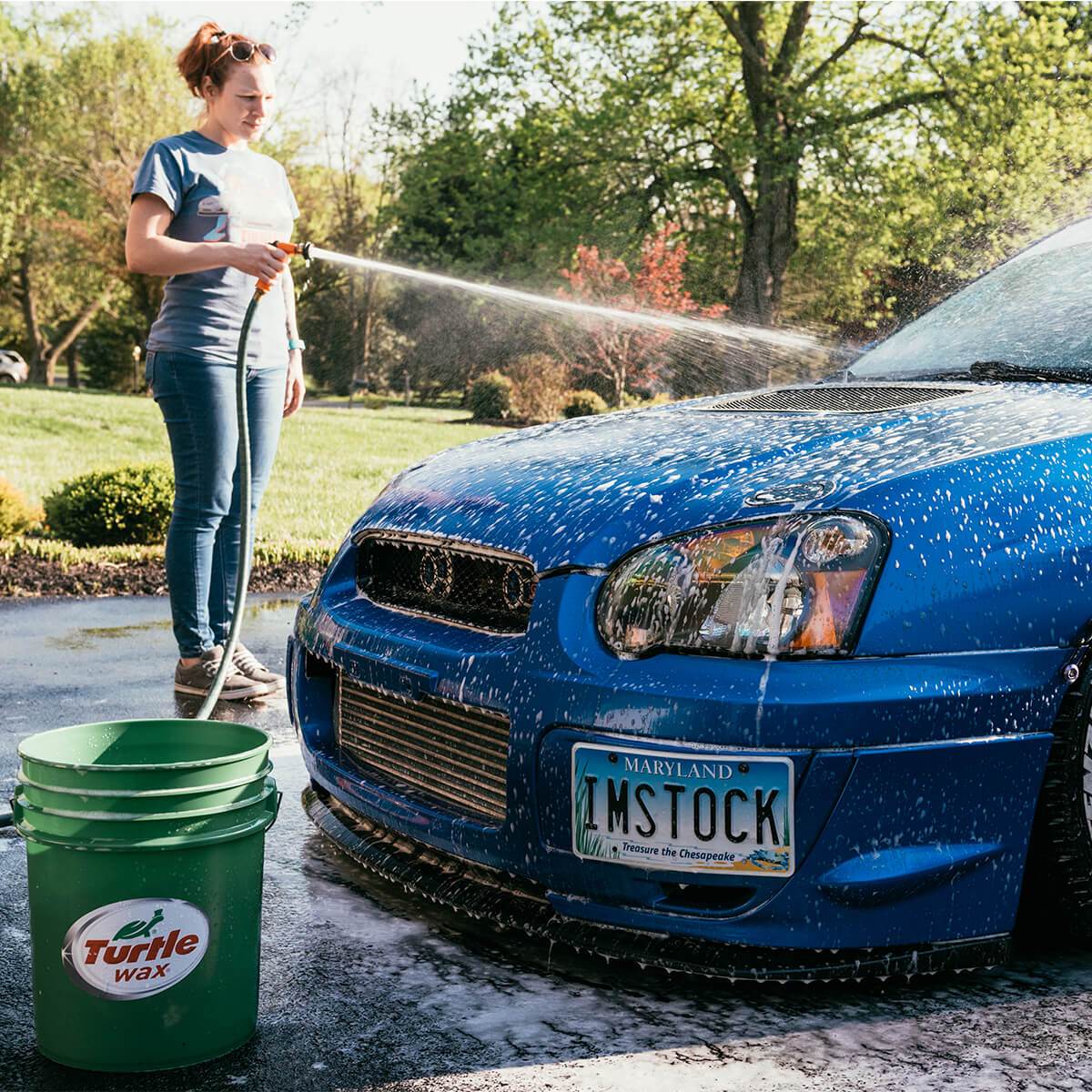
Credit: www.turtlewax.com
Preparing Your Car
Preparing your car before pressure washing is key to a good clean. It helps avoid damage and makes the process easier. Taking a few simple steps will protect your car and get it ready for washing. These steps save time and keep your car looking great.
Removing Loose Dirt And Debris
Start by removing loose dirt and debris from your car’s surface. Use a soft brush or cloth to wipe off dust and leaves. This stops dirt from scratching the paint during washing. Check the wheels and under the car for stuck mud or stones. Cleaning these areas first prevents damage and clogs.
Protecting Sensitive Areas
Cover sensitive parts like the engine, air intake, and electrical components. Use plastic bags or waterproof covers to shield these areas. Avoid spraying water directly on these parts. Protecting them stops water damage and keeps your car safe. Also, close windows and sunroofs tightly.
Selecting The Best Cleaning Products
Choose cleaning products made for cars and pressure washers. Use gentle soaps that do not harm the paint or finish. Avoid harsh chemicals and household cleaners. These can strip wax and damage surfaces. Pick products that rinse off easily and leave no residue.
Pressure Washing Techniques
Pressure washing your car is an effective way to clean dirt and grime quickly. Using the right techniques protects your car’s paint and parts. This section explains key pressure washing methods that ensure a safe and thorough clean.
Setting The Correct Distance
Keep the pressure washer nozzle 12 to 18 inches away from the car surface. Too close, and you risk damaging the paint. Too far, and the water pressure won’t clean well. Hold the nozzle steady and move slowly for even cleaning.
Using The Right Spray Pattern
Select a wide spray pattern for washing your car. A 25-degree nozzle is ideal for gentle but effective cleaning. Avoid narrow, high-pressure streams that can scratch or chip paint. Sweep the spray side to side to cover all areas evenly.
Washing Order For Best Results
Start washing the car from top to bottom. The roof, windows, and hood come first. Then clean the doors and sides. Finish with the wheels and lower parts. This order prevents dirty water from running onto cleaned areas.
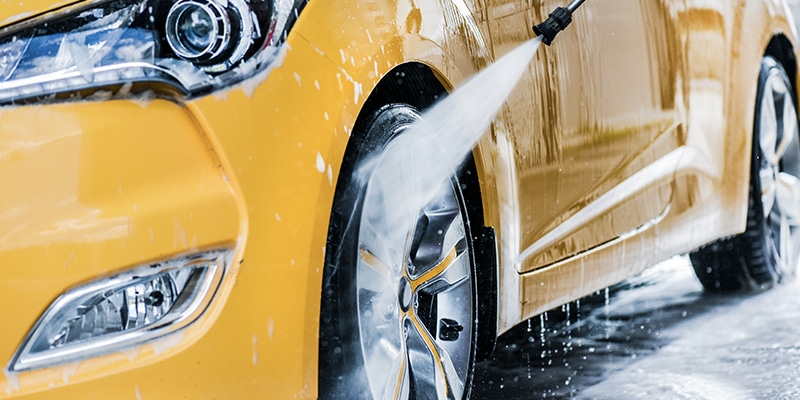
Credit: washh.com
Avoiding Common Mistakes
Pressure washing a car can save time and effort. Mistakes can cause damage and waste water. Avoid common errors to keep your car safe and shiny. Follow simple tips for a smooth cleaning experience.
Preventing Paint Damage
High pressure can chip or peel paint. Keep the nozzle at least 12 inches from the car. Use a wide spray pattern to spread force. Test on a small area first. Avoid direct spraying on scratches or weak paint.
Handling Delicate Parts
Avoid spraying directly on lights, mirrors, and antennas. These parts can break under strong pressure. Cover sensitive areas with plastic or cloth. Use low pressure around vents and seals. Take care around badges and decals to keep them intact.
Safe Pressure Settings
Set the washer between 1200 and 1900 PSI for cars. Use a 25-degree nozzle for balanced cleaning. Lower pressure for older or delicate paint. Never use the highest setting on any part of the car. Adjust settings based on the dirt and area size.
Post-wash Care
After pressure washing your car, proper care protects your paint and finish. Post-wash care keeps your car looking fresh and clean longer. It prevents water spots and damage from dirt or chemicals left behind. Follow these simple steps to maintain your car’s shine and condition.
Drying Your Car Properly
Start by drying your car immediately after washing. Use a clean microfiber towel or chamois to absorb water. Avoid air drying, which causes water spots and streaks. Pat the surface gently instead of rubbing to prevent scratches. Check areas like mirrors, door handles, and crevices for trapped water.
Applying Wax Or Sealant
Apply wax or a paint sealant to protect your car’s paint. These products create a barrier against dirt, UV rays, and moisture. Use a soft applicator pad to spread a thin, even layer. Allow it to dry to a haze before buffing with a microfiber cloth. Regular waxing extends the life of your paint and keeps it shiny.
Maintaining A Sparkling Shine
Keep your car shining by washing it regularly and avoiding harsh chemicals. Use gentle car shampoos and soft cloths during washes. Park in shaded areas to reduce sun damage. Clean bird droppings and tree sap quickly to prevent stains. Small, consistent efforts preserve your car’s fresh look over time.
Troubleshooting Tips
Troubleshooting during pressure washing helps keep your car looking its best. Some problems can happen even if you follow steps carefully. Knowing how to fix these issues saves time and effort.
Dealing With Stubborn Stains
Stubborn stains need a stronger approach. Spray the area with a car-safe detergent before pressure washing. Let it sit for five minutes. Use a lower pressure setting to avoid paint damage. Lightly scrub with a soft brush if needed. Rinse thoroughly to remove residue.
Fixing Water Spots
Water spots appear after washing if water dries fast. Use a microfiber cloth to dry your car right after washing. For existing spots, apply a mixture of vinegar and water. Spray gently and wipe with a soft cloth. This removes minerals without harming paint.
When To Seek Professional Help
Some issues need expert care. Deep stains or paint damage require professional cleaning. If your car has delicate finishes, professionals use safe methods. Persistent water spots or scratches also call for expert attention. Trust specialists to protect your car’s look.
Frequently Asked Questions
How Much Pressure Is Safe For Washing A Car?
Use a pressure washer with 1200 to 1900 PSI for cars. Higher pressure can damage paint and trim. Always test on a small area first to avoid harm.
Can I Use A Pressure Washer On All Car Surfaces?
Avoid using pressure washers on delicate areas like windows and mirrors. Use a wide spray nozzle for paint and rims to prevent damage.
What Detergent Is Best For Pressure Washing Cars?
Use car-specific detergents designed for pressure washers. Avoid harsh chemicals as they can strip wax and damage paint finishes.
How Far Should The Pressure Washer Nozzle Be From The Car?
Keep the nozzle at least 12 to 18 inches away from the car surface. Closer distances risk paint damage and water intrusion into seals.
Conclusion
Pressure washing your car keeps it clean and shiny. Always use the right pressure to avoid damage. Start from the top and work down carefully. Use soap designed for cars to remove dirt well. Rinse thoroughly to avoid spots and streaks.
Regular washing protects your car’s paint and finish. Take your time and be gentle with the nozzle. Clean cars look better and last longer. Try these steps to keep your car fresh and bright. Simple care goes a long way.