
You want your car to look its absolute best, right? Polishing and waxing your car isn’t just about making it shine—it protects your paint, keeps your car looking new, and even boosts its value.
But if you don’t do it the right way, you could end up with streaks, scratches, or a dull finish. In this guide, you’ll learn simple, step-by-step tips to polish and wax your car like a pro. By the end, your car will turn heads everywhere you go.
Ready to make your ride shine? Let’s dive in.
Preparing The Car Surface
Preparing the car surface is the first step to a smooth polish and wax job. A clean, dry, and contaminant-free surface helps polish and wax stick better. This preparation protects your car’s paint and improves the shine. Follow these simple steps carefully before starting the polishing process.
Washing And Drying
Begin by washing your car thoroughly. Use a car shampoo and a soft sponge. Avoid household detergents, as they can strip wax and damage paint. Rinse well with clean water to remove all soap. Dry the car using a microfiber towel or chamois cloth. This prevents water spots and prepares the surface for polishing.
Removing Contaminants
After washing, check for contaminants like tar, sap, or iron particles. Use a clay bar or a detailing spray to remove these. Gently rub the clay bar over the paint in straight lines. This process clears the surface and makes it smooth. Clean surfaces help polish and wax work more effectively.
Inspecting For Imperfections
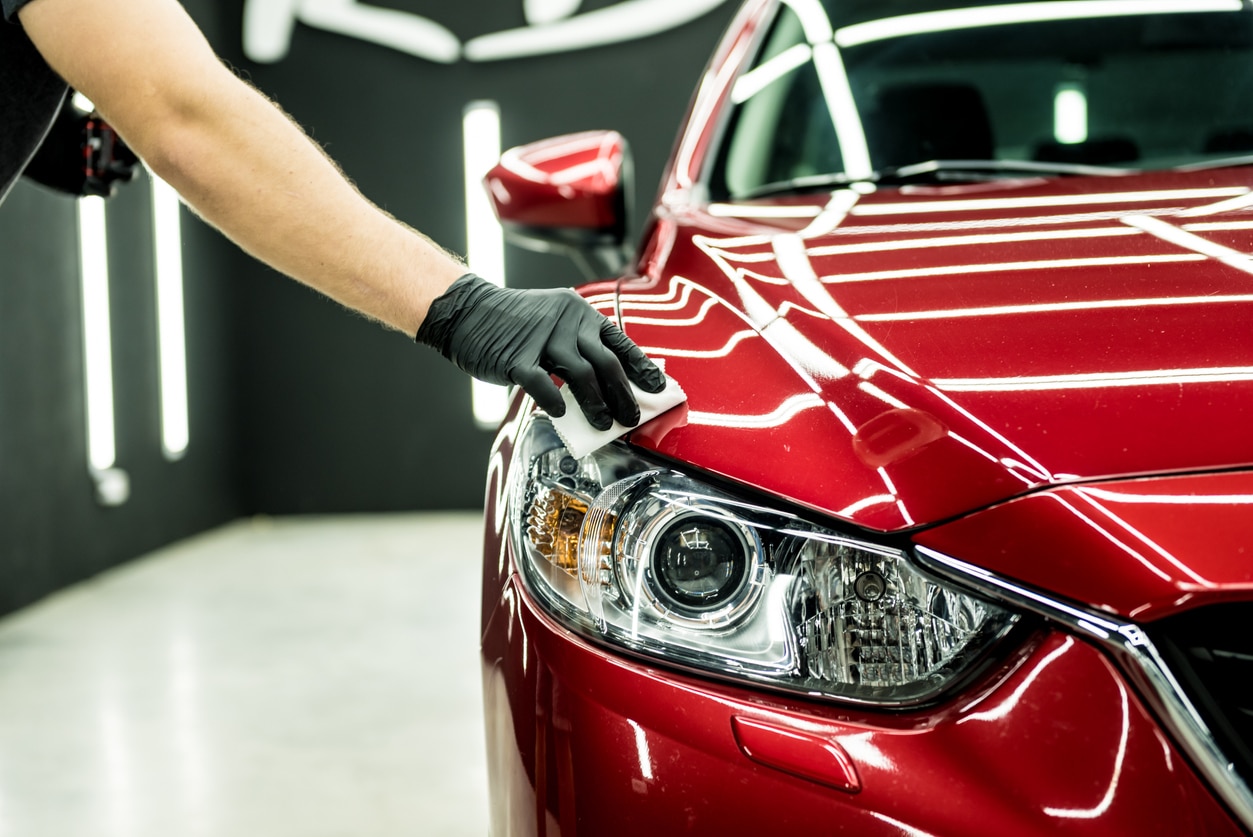
Look closely for scratches, swirl marks, or oxidation. Use good lighting or sunlight for a clear view. Mark problem areas with a small piece of tape. This helps focus polishing on spots that need attention. Knowing the imperfections allows for better polishing results.
Credit: www.simoniz.uk
Choosing The Right Products
Choosing the right products is key to polishing and waxing your car well. The right polish and wax protect your car’s paint and make it shine. Using poor-quality products can harm the paint or leave a dull finish. This section helps you pick the best items for a smooth, clean result.
Selecting Polishes
Choose a polish that matches your car’s paint condition. A mild polish works for light scratches and swirl marks. For deeper scratches, pick a more abrasive polish. Check the polish type: liquid, paste, or cream. Liquids are easy to apply and remove. Pastes offer stronger cutting power but need more effort. Creams are gentle and good for older paint. Always test the polish on a small area first.
Picking The Best Wax
Wax protects the car and adds a glossy shine. Carnauba wax gives a warm, natural shine but lasts shorter. Synthetic wax lasts longer and resists water better. Choose wax based on your climate. For hot or rainy areas, synthetic wax may be better. Wax comes in paste, liquid, or spray form. Paste wax offers the best protection. Liquids and sprays are easy to use. Match the wax type to your polish for best results.
Tools And Accessories Needed
Good tools make polishing and waxing easier. Use soft microfiber cloths to apply and remove products. Foam or wool applicator pads help spread polish and wax evenly. A dual-action polisher can speed up the work and improve results. Avoid rough or dirty tools that can scratch paint. Always have clean towels for buffing. Gather all tools before starting to keep the process smooth and safe.
Polishing Techniques
Polishing a car gives the paint a smooth, shiny look. It removes small marks and restores the surface. Using the right polishing techniques keeps the car’s finish healthy and bright. This section explains easy ways to polish your car well.
Hand Polishing Tips
Start with a clean, dry surface. Use a soft foam or microfiber pad. Apply a small amount of polish on the pad. Work in small sections, moving in circular motions. Keep gentle pressure to avoid paint damage. Wipe off polish residue with a clean cloth. Repeat if needed for better shine.
Using A Polisher Machine
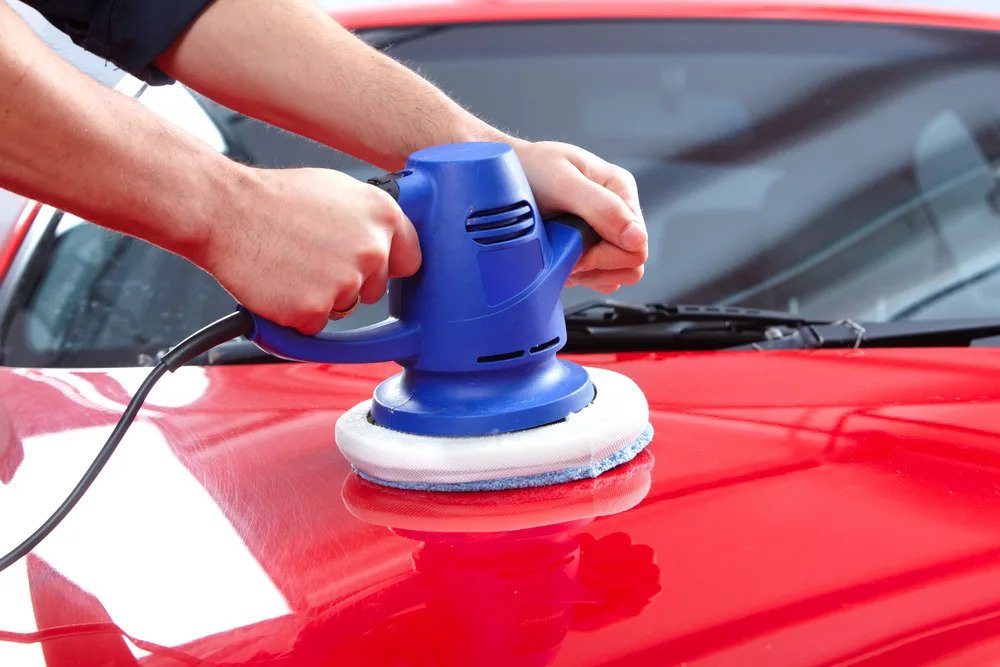
Choose a dual-action polisher for safer use. Attach a foam polishing pad to the machine. Spread polish evenly on the pad before starting. Turn on the machine at low speed first. Move the polisher slowly over the surface in overlapping passes. Do not stay too long in one spot. Finish by wiping off leftover polish with a soft cloth.
Dealing With Scratches And Swirls
Identify the depth of scratches first. Use a polish with light abrasives for minor swirls. For deeper scratches, use a compound before polish. Apply the product carefully to avoid more damage. Test on a small area to check results. Repeat polishing gently until imperfections fade. Always finish with a clean cloth wipe.

Credit: www.youtube.com
Waxing Methods
Waxing a car protects its paint and gives it a shiny finish. There are different ways to apply wax. Choose the method that suits your needs and tools. Each method has its benefits and steps to follow. Understanding these methods helps you keep your car looking great longer.
Applying Wax By Hand
Applying wax by hand is simple and affordable. Use a soft foam or microfiber applicator. Apply a small amount of wax on the applicator. Spread it evenly on the car’s surface in circular motions. Work on one section at a time. Let the wax dry to a haze before buffing it off with a clean cloth. Hand waxing gives you control and avoids damaging the paint.
Using An Orbital Buffer
An orbital buffer speeds up the waxing process. It uses a spinning pad to spread and polish wax. Attach a foam pad to the buffer. Apply wax to the pad or car surface. Turn on the buffer and move it slowly over the paint. Keep the buffer flat to avoid swirl marks. Buff until the wax haze appears, then wipe it off. This method is good for large cars or frequent waxing.
Timing And Layering Wax
Timing is key to good waxing results. Wait for the car to be clean and dry before waxing. Apply wax in thin layers for better coverage. Let each layer dry completely before adding the next. Layering wax adds extra protection and depth to the shine. Avoid waxing in direct sunlight or on a hot surface. This helps the wax bond well and last longer.
Maintaining The Shine
Keeping your car’s shine bright takes some care after polishing and waxing. The shine fades if the paint is not protected. Regular care helps maintain that fresh, glossy look. Small steps every week make a big difference over time.
Regular Washing Tips
Wash your car often to remove dirt and grime. Use a soft sponge or cloth to avoid scratches. Choose a car shampoo that is gentle on wax. Rinse with clean water and dry with a soft towel. Avoid washing in direct sunlight to stop water spots.
Touch-up Waxing
Apply a thin layer of wax every few weeks. This adds extra protection and keeps the shine strong. Use a foam applicator to spread wax evenly. Let it dry for a few minutes, then buff with a clean cloth. Small wax touches help protect the paint from fading.
Protecting The Finish
Park in shaded areas or use a car cover. Sunlight and rain can damage the finish over time. Avoid parking near trees to prevent sap and bird droppings. Clean any spots quickly to stop stains. Following these tips helps your car look great longer.
Credit: ethoscarcare.com
Common Mistakes To Avoid
Polishing and waxing a car can make it shine beautifully. Avoiding common mistakes keeps your car’s paint safe and looking great. These errors can cause damage or reduce the polish and wax effect. Knowing what to avoid helps you get the best results.
Over-polishing Risks
Polishing too much can wear down the paint. Thin paint layers expose the metal underneath. It leads to rust and costly repairs. Stop polishing once the surface looks smooth and shiny. Use gentle pressure and avoid repeated passes.
Waxing On Dirty Surfaces
Applying wax on dirty or dusty paint traps grime inside. Dirt scratches the paint during waxing. Always wash and dry the car fully before waxing. A clean surface helps wax stick better and shine longer.
Using Wrong Products
Using products not made for your car’s paint can cause damage. Some polishes and waxes contain harsh chemicals. Check product labels for compatibility with your car type. Choose products designed for automotive use only.
Frequently Asked Questions
How Often Should I Polish And Wax My Car?
Polishing and waxing should be done every 3 to 6 months. Polishing removes minor scratches, while waxing protects the paint. Regular application keeps the car shiny and prevents damage from UV rays and dirt.
What Tools Are Needed For Car Polishing And Waxing?
You need a dual-action polisher or polishing pads, microfiber cloths, polish, and car wax. A clean workspace and proper lighting help achieve the best results. Using quality products ensures a smooth finish without damaging the paint.
Can I Polish And Wax My Car In Direct Sunlight?
It is best to avoid polishing and waxing in direct sunlight. Heat can cause products to dry too quickly, making them hard to remove. Work in a shaded area or garage for even application and better results.
What Is The Difference Between Polishing And Waxing A Car?
Polishing removes surface imperfections like scratches and oxidation. Waxing adds a protective layer that enhances shine and repels dirt. Both steps together restore and protect the car’s paint effectively.
Conclusion
Polishing and waxing your car keeps its paint smooth and shiny. Clean the surface well before you start. Use gentle, circular motions while polishing. Apply wax evenly and let it dry. Buff the wax with a soft cloth for a bright finish.
Regular care protects your car from dirt and damage. A shiny car looks fresh and well-kept. Taking time to polish and wax saves money on repairs. Enjoy the pride of a clean, polished vehicle every day. Simple steps, great results.


