

Are you worried about the harmful gases your car releases every time you drive? Nitrogen oxides, or NOx emissions, are a big problem for the environment and your health.
But here’s the good news—you have the power to cut down these dangerous pollutants from your vehicle. You’ll discover simple, effective ways to reduce NOx emissions in your car. By making a few smart changes, you can protect the air you breathe and even save money on fuel.
Keep reading to learn how easy it is to make a real difference with your car.
Sources Of Nox Emissions In Cars
Cars produce nitrogen oxides, or NOx, during engine operation. These gases form mainly due to high heat inside the engine. NOx harms air quality and human health. Knowing where NOx comes from helps reduce emissions effectively.
Several factors inside a car’s engine influence NOx levels. Engine design and type of fuel play key roles. Understanding these sources is vital to control pollution.
Combustion Process And Nox Formation
NOx forms during the combustion of fuel and air in the engine. High temperatures cause nitrogen and oxygen in the air to react. This reaction creates nitrogen oxides. The hotter the combustion, the more NOx is produced. Fast burning and high pressure also increase NOx formation. Reducing peak temperatures can lower NOx emissions.
Role Of Engine Type And Fuel
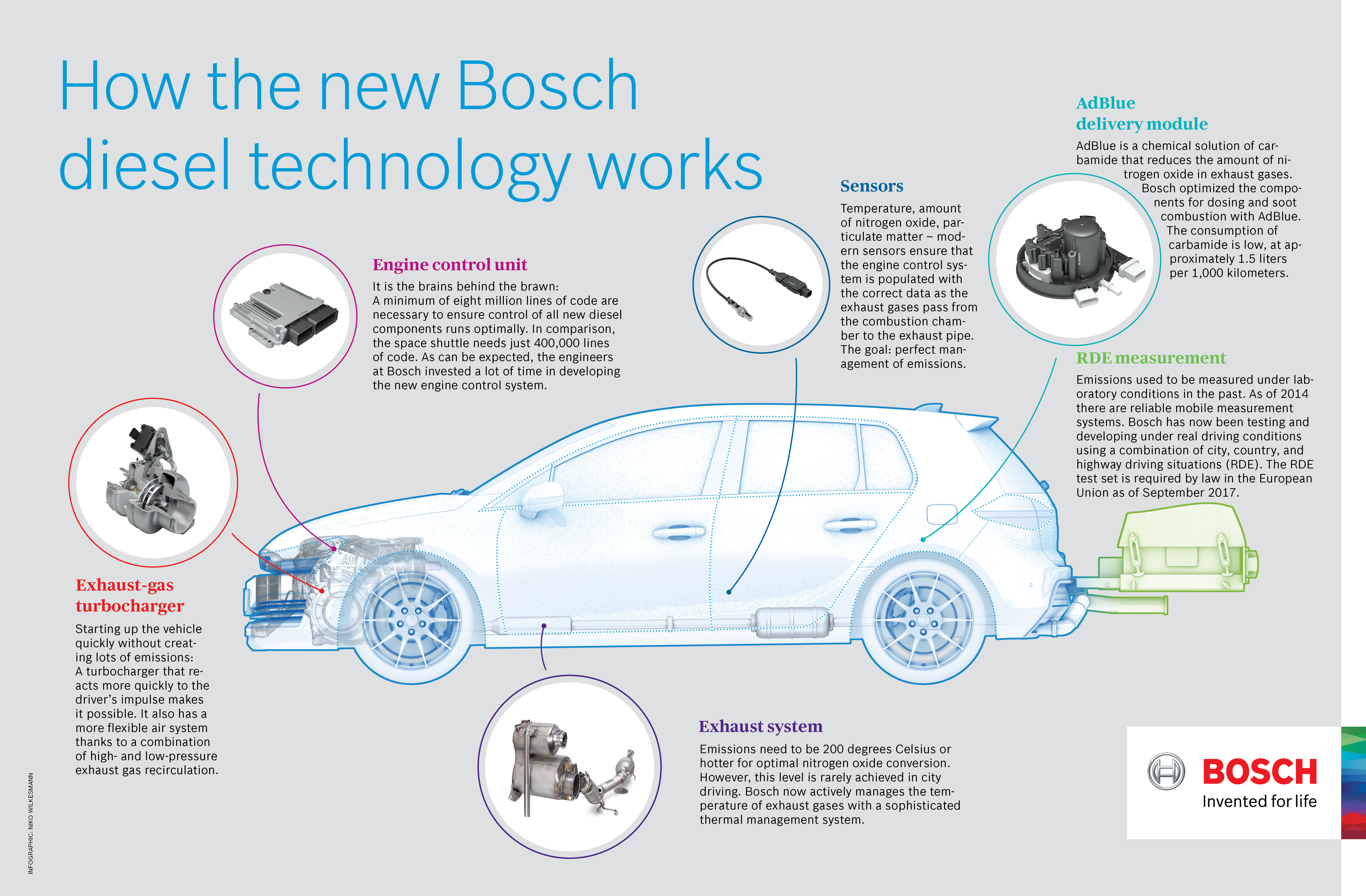
Different engines produce different amounts of NOx. Diesel engines usually emit more NOx than gasoline engines. This happens because diesel engines run hotter and under higher pressure. Fuel quality also affects NOx levels. Fuels with high nitrogen content can increase emissions. Cleaner fuels and engine designs help reduce NOx output.
Credit: www.bosch-presse.de
Engine Maintenance For Lower Emissions
Engine maintenance plays a key role in reducing NOx emissions in cars. A well-maintained engine runs cleaner and uses fuel more efficiently. This lowers harmful gases released into the air. Simple steps like tune-ups and cleaning can make a big difference.
Regular Tune-ups
Regular tune-ups keep the engine running smoothly. Mechanics check spark plugs, ignition timing, and other parts. This helps the engine burn fuel better. Cleaner burning means fewer NOx emissions. Tune-ups also catch small problems early before they grow.
Air Filter Replacement
A clean air filter improves airflow to the engine. Good airflow helps fuel mix well with air. This balance reduces NOx production during combustion. Dirty filters block air and cause incomplete burning. Replace air filters as recommended to keep emissions low.
Fuel System Cleaning
Fuel system cleaning removes deposits from fuel injectors and intake valves. These deposits can cause poor fuel spray and uneven burning. Cleaning restores proper fuel flow and spray pattern. Better fuel delivery cuts NOx emissions and improves engine performance.
Driving Habits That Cut Nox Output
Changing how you drive can lower NOx emissions significantly. Small adjustments in daily driving habits make a big difference. These changes help engines burn fuel more cleanly. Cleaner burning means fewer harmful gases released into the air.
Simple habits like easing on the gas and brake pedals protect the environment. Avoiding long waits with the engine running saves fuel and cuts pollution. Driving at the right speed also helps engines work efficiently.
Smooth Acceleration And Braking
Press the gas pedal gently. Sudden acceleration increases fuel use and NOx emissions. Slow, steady changes keep the engine calm. The same rule applies to braking. Hard stops waste energy and create more pollution. Smooth driving lowers emissions and improves fuel economy.
Avoiding Idling
Turn off your engine when stopped for more than a minute. Idling burns fuel without moving the car. This releases unnecessary NOx into the air. Restarting the engine uses less fuel than idling long. Save fuel and reduce emissions by switching off the engine.
Optimal Speed For Emission Reduction
Drive at moderate speeds. High speeds cause engines to work harder. This increases NOx emissions and fuel use. Most cars run best between 45 and 65 mph. Staying within this range helps reduce pollution. It also improves fuel efficiency and saves money.

Credit: www.compoundchem.com
Using Cleaner Fuels And Additives
Using cleaner fuels and additives plays a key role in reducing NOx emissions from cars. Cleaner fuels burn more completely and produce fewer harmful gases. Additives improve fuel quality and help engines run more efficiently. Together, they lower the amount of nitrogen oxides released into the air. This method supports better air quality and protects health.
Low-sulfur Fuels
Low-sulfur fuels contain much less sulfur than regular fuels. Sulfur in fuel causes harmful emissions and engine deposits. Using low-sulfur fuel reduces these emissions significantly. It also helps catalytic converters work better. This type of fuel is available for both gasoline and diesel engines. Switching to low-sulfur fuel is a simple way to cut down NOx emissions.
Fuel Additives That Reduce Emissions
Fuel additives are chemicals added to fuel to improve performance. Some additives lower NOx emissions by helping fuel burn cleaner. Others reduce engine deposits, making the engine more efficient. Certain additives also improve combustion temperature, which lowers NOx formation. Using the right additives regularly keeps engines cleaner and emissions lower. They offer an easy, affordable way to help the environment.
Aftertreatment Technologies In Cars
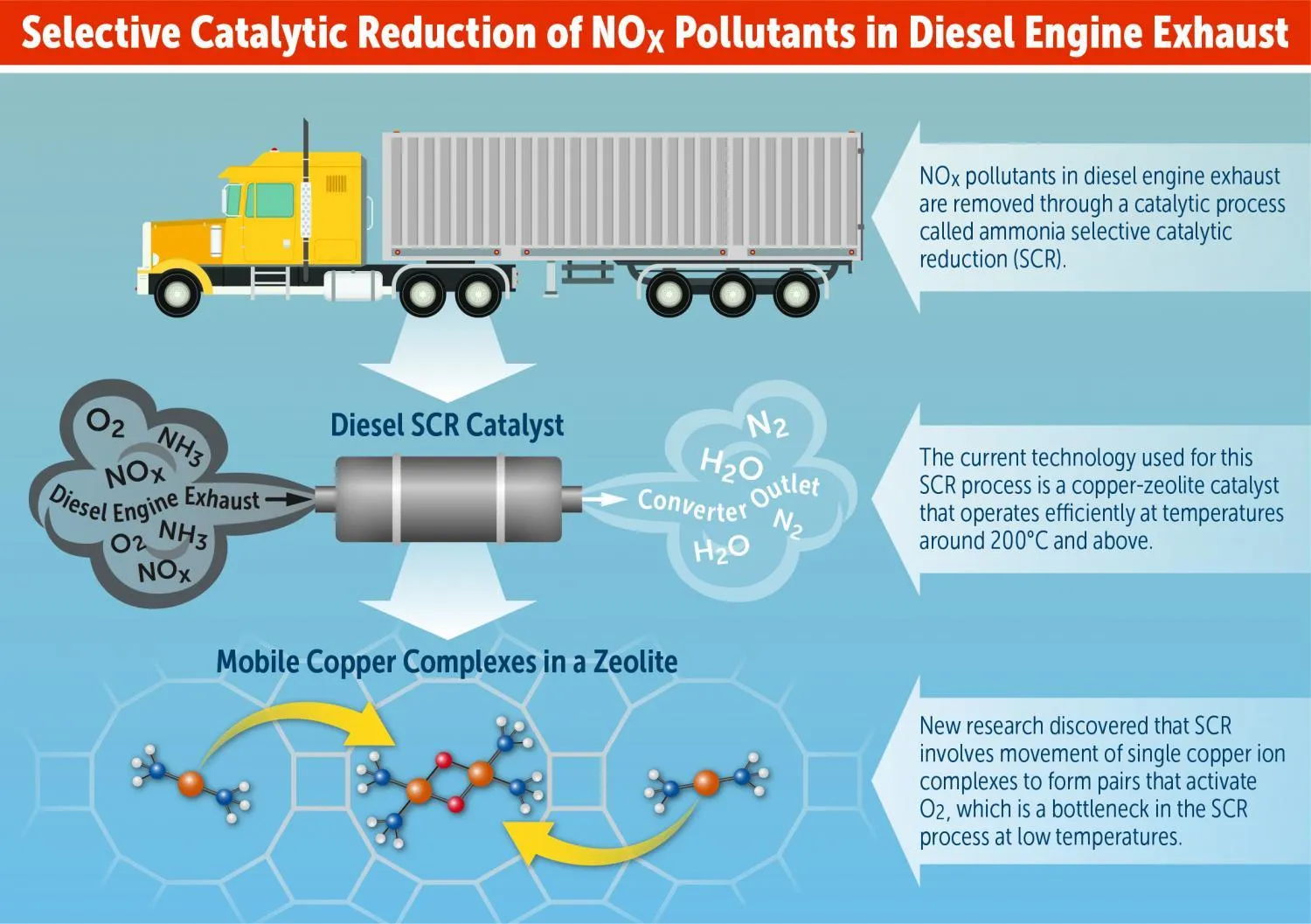
Aftertreatment technologies help reduce harmful nitrogen oxides (NOx) from car exhaust. These systems treat the emissions after combustion. They lower pollution and improve air quality. Car makers use several methods to meet emission standards. Two key technologies are Selective Catalytic Reduction and Exhaust Gas Recirculation.
Selective Catalytic Reduction (scr)
SCR uses a special fluid called urea or DEF (Diesel Exhaust Fluid). The fluid sprays into the exhaust stream. It reacts with NOx gases and turns them into nitrogen and water. This process happens inside a catalyst. SCR can reduce NOx emissions by up to 90%. It works best on diesel engines. The system needs regular refills of DEF to function properly.
Exhaust Gas Recirculation (egr)
EGR lowers combustion temperature by recirculating some exhaust gases back to the engine. This reduces the formation of NOx during burning. EGR systems vary but all mix exhaust gases with fresh air. This cools the combustion process. It helps lower NOx emissions effectively. EGR is common in both gasoline and diesel engines. It improves engine efficiency and reduces pollution.
Upgrading To Low-emission Vehicles
Upgrading to low-emission vehicles is a smart way to reduce NOx emissions. These vehicles produce less harmful gases that pollute the air. They use cleaner technology and fuels. This helps protect the environment and improve air quality.
Switching to a low-emission car lowers the amount of nitrogen oxides released. It also saves money on fuel and maintenance. Many options are available to suit different needs and budgets.
Hybrid Cars
Hybrid cars combine a gasoline engine with an electric motor. The electric motor helps reduce fuel use and emissions. Hybrids run on electricity at low speeds and switch to gas for longer drives. This reduces NOx emissions significantly compared to regular cars.
These cars are easy to find and work well in cities. They do not need to be plugged in often. Hybrid technology offers a practical step toward cleaner driving.
Electric Vehicles
Electric vehicles (EVs) run fully on electricity. They produce zero tailpipe emissions, meaning no NOx gases. EVs are quiet and smooth to drive. Charging stations are increasing, making EVs easier to use every day.
EVs help cut pollution and save fuel costs. They work well for short and medium trips. Choosing an EV is a strong choice for clean air.
Alternative Fuel Vehicles
Alternative fuel vehicles use fuels like natural gas, propane, or hydrogen. These fuels burn cleaner than gasoline or diesel. They produce fewer nitrogen oxides and other pollutants.
Many trucks and buses use alternative fuels to reduce emissions. Some cars are also available with these options. Alternative fuels help lower the impact of driving on air quality.
Government Regulations And Incentives
Governments play a key role in reducing NOx emissions from cars. They set rules that limit harmful gases. These rules help protect air quality and public health. They also encourage car makers to build cleaner vehicles.
Besides rules, governments offer rewards to encourage cleaner cars. These rewards make it easier for people to choose low-emission vehicles. Together, regulations and incentives push the auto industry toward a greener future.
Emission Standards
Emission standards set limits on how much NOx cars can release. These limits get stricter every few years. Automakers must design engines that burn fuel cleaner. They also use special filters to cut emissions. These standards reduce pollution and help cities breathe easier.
Incentives For Cleaner Cars
Many governments provide financial help to buy clean cars. This help can be tax credits, rebates, or discounts. It lowers the cost of electric and hybrid vehicles. Some places also offer free parking or toll discounts. These benefits make clean cars more popular and affordable.
Credit: www.emission-index.com
Frequently Asked Questions
What Causes High Nox Emissions In Cars?
High NOx emissions mainly result from high combustion temperatures and excess oxygen in engines. These conditions promote nitrogen and oxygen reaction, forming nitrogen oxides. Poor engine tuning and inefficient fuel combustion also increase NOx levels. Modern engines use technologies like EGR and catalytic converters to reduce NOx emissions effectively.
How Does Egr Reduce Nox Emissions In Vehicles?
Exhaust Gas Recirculation (EGR) lowers NOx by recirculating a portion of exhaust gases back into the engine. This process reduces combustion temperature and oxygen concentration, minimizing nitrogen oxide formation. EGR is a cost-effective and widely used method to control NOx emissions in gasoline and diesel engines.
Can Regular Car Maintenance Help Lower Nox Emissions?
Yes, regular maintenance improves engine efficiency and reduces NOx emissions. Properly tuned engines burn fuel cleaner, lowering combustion temperature and NOx formation. Regular oil changes, air filter replacements, and timely spark plug servicing ensure optimal engine performance and help minimize harmful nitrogen oxide emissions.
Are Catalytic Converters Effective In Reducing Nox Emissions?
Catalytic converters are highly effective in reducing NOx emissions by converting them into harmless nitrogen and oxygen gases. They use catalysts like platinum and rhodium to trigger chemical reactions. Most modern cars are equipped with catalytic converters as a standard emission control device to meet environmental regulations.
Conclusion
Reducing NOx emissions helps protect the air we breathe. Cars need regular checks and good maintenance. Using cleaner fuels and modern technology lowers pollution. Simple driving habits can also reduce harmful gases. Every small step makes a big difference. Cleaner air means healthier people and a better planet.
Start making changes today for a cleaner tomorrow.


