If you’ve ever wondered how to remove the airbag cover on your steering wheel safely and correctly, you’re in the right place. Whether you need to replace the airbag, fix a wiring issue, or just want to understand your car better, knowing the right steps is crucial.
Removing the airbag cover might sound tricky, but with the right guidance, you can do it without stress or damage. Keep reading, and you’ll learn exactly what you need to do to handle this task with confidence and care.
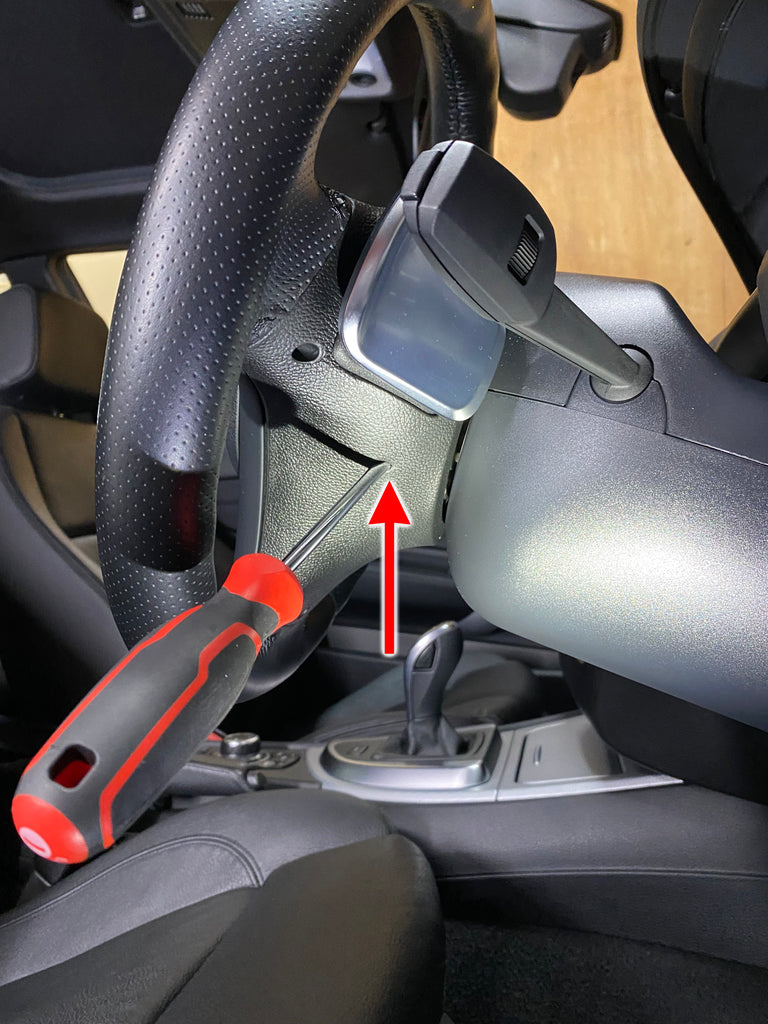
Credit: onlyeuro.com.au
Tools Needed
Removing the airbag cover on a steering wheel requires some basic tools. These tools help you work safely and carefully. Using the right tools makes the job easier and prevents damage to your car.
Always gather all tools before starting. This saves time and avoids interruptions.
Flathead Screwdriver
A flathead screwdriver helps to pry open clips or covers gently. It fits into small gaps and lifts parts without scratching.
Torx Screwdriver
Many steering wheels use Torx screws to hold the airbag cover. A Torx screwdriver fits these star-shaped screws perfectly.
Socket Wrench
A socket wrench removes bolts that secure the airbag module. Choose the right socket size for your car model.
Trim Removal Tool
A plastic trim removal tool protects the steering wheel from scratches. It helps to remove covers and panels smoothly.
Safety Gloves
Wear safety gloves to protect your hands. They also improve grip on tools and parts.

Credit: www.youtube.com
Safety Precautions
Removing an airbag cover on a steering wheel requires careful attention to safety. Airbags are powerful devices designed to protect during accidents. Mishandling them can cause serious injury. Follow safety steps to avoid harm and damage.
Always work in a safe environment. Make sure you understand the risks before starting. Taking safety seriously protects you and your vehicle.
Disconnect The Car Battery
Start by disconnecting the car battery. This stops electricity from triggering the airbag. Wait at least 10 minutes after disconnecting. This lets the system fully power down. Never skip this step. It is the first and most important safety action.
Wear Safety Gear
Use safety glasses and gloves. This protects your eyes and hands from sharp parts. Gloves also help avoid static electricity. Static can accidentally set off the airbag. Safety gear reduces injury risk while working.
Handle The Airbag Module Carefully
Always handle the airbag module with care. Hold it away from your body. Do not place it face down on hard surfaces. Avoid dropping or hitting the airbag. Rough handling can cause accidental deployment. Treat the module as fragile and dangerous.
Follow Manufacturer Instructions
Read the vehicle’s manual before you begin. Each car model has specific steps. Using the right method ensures safety and success. Manufacturer instructions show where screws and clips are. Follow their advice closely for safe removal.
Disconnecting The Battery
Disconnecting the battery is the first and most important step before removing the airbag cover. It prevents accidental airbag deployment, which can cause injury. Always work carefully around the airbag system.
Start by turning off the vehicle and removing the key from the ignition. This ensures no power flows through the system while you work.
Locate The Battery
Find the car battery, usually under the hood on one side of the engine bay. Some vehicles have the battery in the trunk or under the rear seats. Check your owner’s manual if unsure.
Use The Right Tools
You need a wrench or socket set to disconnect the battery terminals. A 10mm wrench is common for most car batteries. Make sure your tools fit well to avoid stripping bolts.
Disconnect The Negative Terminal
Always remove the negative terminal first. It is usually marked with a minus sign (-) or black cover. Loosen the nut and carefully lift the cable off the battery post.
Secure The Cable Away
After disconnecting, move the cable away from the battery. This prevents accidental contact with the terminal. Wrap it with electrical tape for extra safety.
Wait Before Proceeding
Wait at least 10 minutes to let the car’s electrical system fully power down. This reduces the risk of the airbag deploying while you work on the steering wheel.
Locating Airbag Mounting Points
Start by finding the airbag mounting points on the back of the steering wheel. These points hold the airbag cover securely in place. Carefully releasing them helps you remove the cover safely without damage.
Understanding The Importance Of Airbag Mounting Points
Locating the airbag mounting points is a key step before removing the airbag cover. These points secure the airbag module to the steering wheel. Knowing their exact location helps avoid damage to the airbag system.
The mounting points vary by car model and make. They are often hidden behind small panels or slots on the back of the steering wheel. Identifying these spots ensures a safe and smooth removal process.
Tools To Help Find The Mounting Points
Use a flashlight to see into tight spaces behind the steering wheel. A thin, flat tool like a trim remover can gently open small covers. Avoid using sharp tools that might scratch or damage the plastic.
Consult your car’s manual for diagrams showing the exact location of airbag mounts. This guide provides clear instructions for your specific vehicle model. It reduces guesswork and saves time.
Common Locations Of Airbag Mounting Points
Most vehicles have mounting points on the rear side of the steering wheel. They may appear as small holes, slots, or tabs. Some cars use screws, while others use clips or bolts.
Check for covers that can be pressed or pried open carefully. The airbag module is often held by two or more mounting points. Removing these releases the airbag cover safely.
Removing Airbag Screws
Removing the airbag screws is a key step in taking off the airbag cover on a steering wheel. These screws keep the airbag tightly fixed to the wheel. You must handle them carefully to avoid damage or injury.
Before starting, disconnect the car battery. This stops the airbag from accidentally deploying. Wait a few minutes after disconnecting to ensure safety.
Locate The Airbag Screws
Look behind the steering wheel. Most airbag screws sit inside holes or slots. Use a flashlight to see clearly. Different car models may have different screw positions.
Use The Correct Tools
Use a screwdriver or socket wrench that fits the screws well. Using the wrong tool can strip the screw heads. A good fit makes removing screws easier and safer.
Remove The Screws Slowly
Turn the screws counterclockwise to loosen them. Do it gently and steadily. Avoid forcing the screws to prevent damage to the steering wheel or airbag unit.
Keep Screws Safe
Place the screws in a safe container. Losing them can delay your work. Keep track of each screw’s position for easy reassembly.
Detaching The Airbag Cover
Detaching the airbag cover is a careful task. It requires attention and safety. The airbag is a sensitive part inside the steering wheel. Removing the cover allows access for repairs or replacements.
Before starting, always disconnect the car battery. This step avoids accidental airbag deployment. Wait a few minutes after disconnection for safety. Use the right tools to prevent damage to the cover and steering wheel.
Locate The Release Mechanism
Most steering wheels have hidden screws or clips. These hold the airbag cover in place. Look behind the wheel or near the spokes. Use a flashlight if needed to see clearly.
Use Proper Tools
A small screwdriver or a trim removal tool works best. Avoid using sharp or large tools. They can scratch or break the cover. Gently press or unscrew the fasteners holding the cover.
Carefully Remove The Cover
Once fasteners are loose, pull the cover gently. Do not force it out. The cover may still be connected by wires. Slowly detach the cover while watching the wires.
Disconnect The Airbag Connector
Look for the airbag electrical connector behind the cover. Press the release tab to unplug it carefully. Do not pull on the wires themselves. Set the cover aside on a soft surface.
Handling Airbag Connectors
Handling airbag connectors requires care and attention. These connectors link the airbag to the car’s electrical system. Disconnecting them safely prevents accidental deployment or damage.
Always disconnect the car battery first. Wait at least 10 minutes before touching the airbag connectors. This step releases stored electrical energy inside the system.
Locate The Airbag Connectors
Airbag connectors sit behind the steering wheel cover. Gently pull the cover to reveal the connectors. They usually have a plastic clip or tab holding them in place.
Release The Connector Clips
Use your fingers or a small tool to press the clip. Do not force the connector out. Pressing the clip unlocks the connector safely.
Disconnect The Airbag Connectors
Pull the connectors straight out after releasing the clip. Avoid twisting or pulling at an angle. This protects the wiring and connector pins.
Handle Connectors With Care
Keep connectors clean and dry. Do not touch the metal pins inside. Store connectors away from dust and moisture until reassembly.
Storing The Airbag Safely
Storing the airbag safely after removal is very important. Airbags contain explosive materials. Careless handling can cause serious injury. Proper storage keeps you and others safe. Follow these simple steps to store your airbag correctly.
Choose A Safe Location
Select a dry, cool, and clean area. Avoid places with heat or moisture. Keep the airbag away from direct sunlight. A stable environment prevents damage and accidents.
Place The Airbag Facing Up
Always put the airbag with the cover facing up. This position reduces the risk of accidental deployment. Use a flat surface that will not move or shake.
Keep It Away From Electrical Sources
Do not store near batteries or electrical devices. Electric sparks can trigger the airbag. Maintain a safe distance to avoid accidents.
Use Protective Packaging
Wrap the airbag in a soft cloth or bubble wrap. This protects it from dust and impacts. Avoid tight wrapping that may cause pressure on the unit.
Mark The Airbag Clearly
Label the package with a warning about the airbag. Clear marking alerts others to handle with care. This step reduces the chance of mishandling.
Reinstalling The Airbag Cover
Reinstalling the airbag cover is a key step after any steering wheel work. This step requires care and attention to ensure safety and proper function. A poorly installed airbag cover can cause issues with airbag deployment. Follow these simple steps to put the cover back correctly.
Aligning The Airbag Cover Properly
Start by checking the alignment of the airbag cover. Match the cover’s tabs with the slots on the steering wheel. Make sure it fits snugly without forcing it. Proper alignment prevents damage and ensures the airbag works well.
Securing The Airbag Cover
Once aligned, press the cover gently but firmly. You should hear a click or feel it lock in place. Avoid pressing too hard to prevent breaking clips. Use the screws or bolts you removed earlier to secure it tightly.
Reconnecting The Electrical Connectors
Reconnect the electrical connectors carefully. These connectors power the airbag system and horn. Ensure they fit securely without loose wires. Double-check connections to avoid any faults or warning lights.
Testing The Airbag Cover Installation
After reinstalling, test the steering wheel functions. Turn on the ignition and watch the airbag warning light. It should turn off after a few seconds. If the light stays on, check connections and cover placement again.
Final Safety Checks
Before removing the airbag cover, disconnect the car battery to prevent accidental airbag deployment. Double-check that all tools are ready and the steering wheel is secure. Safety is key to avoid injury during this process.
Check The Battery Connection
Ensure the car battery is fully disconnected. This stops accidental airbag deployment.
Wait at least 10 minutes after disconnecting the battery. This lets the system power down safely.
Inspect The Airbag Cover And Steering Wheel
Look for any cracks or damage on the airbag cover. Damaged parts can cause problems later.
Make sure the steering wheel is clean and dry. Dirt or moisture can affect the airbag’s fit.
Verify Tools And Workspace Safety
Use the right tools for the job to avoid damage. Wrong tools can harm the airbag system.
Work in a well-lit, calm area. This helps prevent mistakes and keeps you safe.
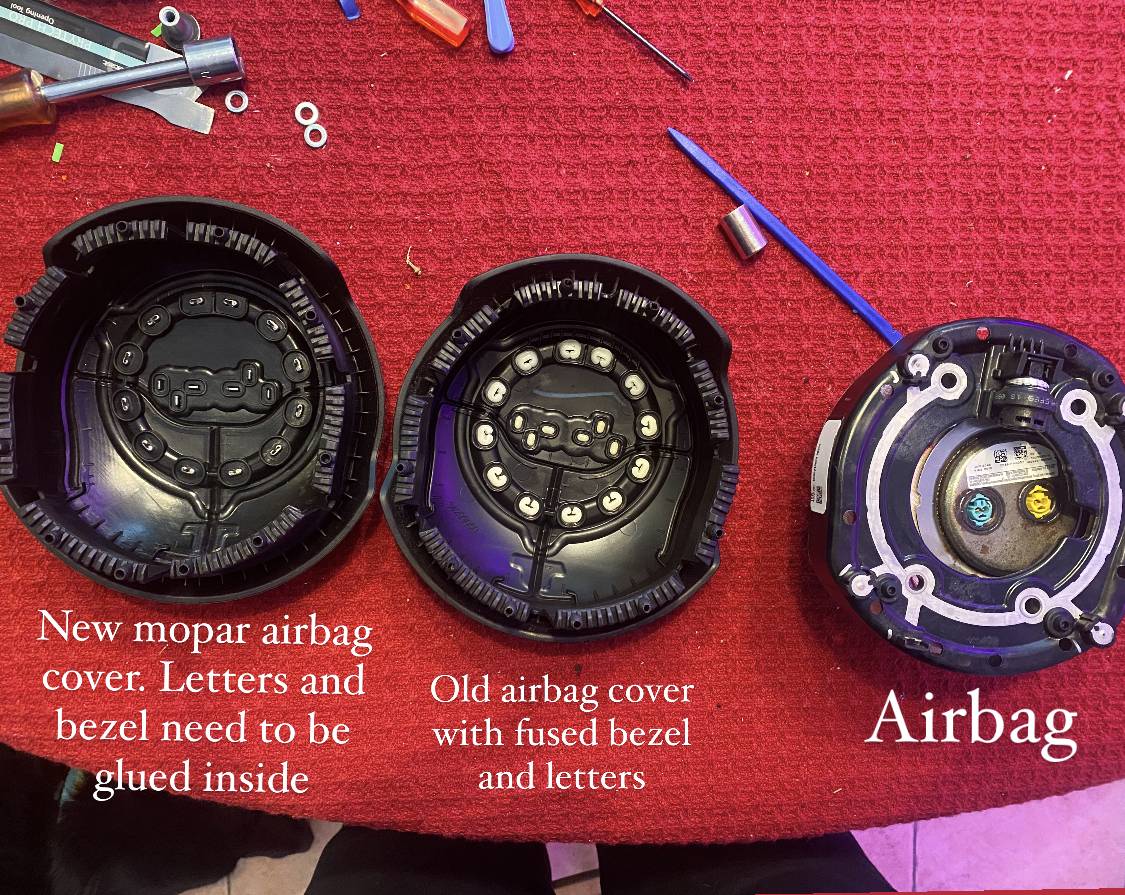
Credit: www.jlwranglerforums.com
Frequently Asked Questions
How Do I Safely Remove An Airbag Cover?
First, disconnect the car battery to prevent accidental deployment. Locate and remove the screws behind the steering wheel. Gently pry the airbag cover using a plastic tool. Avoid using metal tools to prevent damage or injury.
What Tools Are Needed To Remove The Airbag Cover?
You will need a screwdriver, usually a Torx or Phillips. A plastic pry tool helps prevent damage. Disconnecting the car battery with a wrench is essential for safety. Always check your car manual for specific tool requirements.
Can I Remove The Airbag Cover Without Professional Help?
Yes, if you follow safety steps carefully. Disconnect the battery and wait 10-15 minutes before starting. Use proper tools and handle the airbag module gently. If unsure, seek professional assistance to avoid risks.
How Long Does It Take To Remove An Airbag Cover?
Removing an airbag cover typically takes 10 to 20 minutes. Time varies based on car model and experience level. Proper preparation and safety precautions can speed up the process.
Conclusion
Removing the airbag cover on your steering wheel requires care and the right steps. Always disconnect the car battery first to stay safe. Use proper tools and follow instructions closely. Avoid rushing to prevent damage or injury. With patience, you can complete the task successfully.
Remember, safety comes before everything else. Taking your time helps ensure a smooth process. Now you know how to remove the airbag cover safely and correctly.