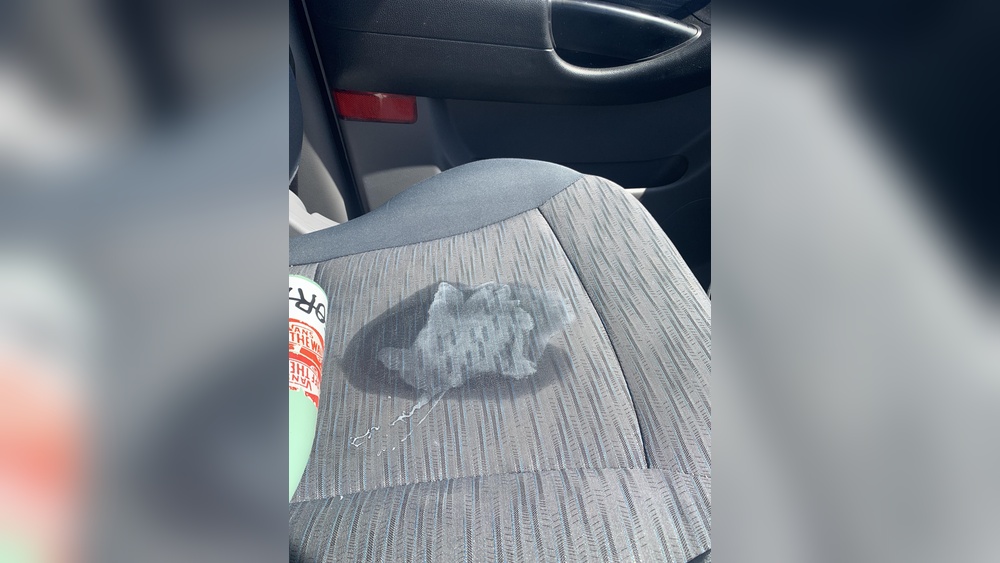
Have you ever stuck a sticker or a decal on your car, only to find a sticky, stubborn glue residue left behind when you try to remove it? That annoying mess can ruin your car’s sleek look and feel frustratingly impossible to clean.
But don’t worry—getting rid of glue residue from your car doesn’t have to be a headache. You’ll discover simple, effective methods to restore your car’s smooth finish quickly and safely. Keep reading to learn how to make your car look spotless again without damaging the paint.

Credit: www.amazon.com
Common Glue Types On Cars
Glue residue on cars comes from different types of adhesives. Knowing the common glue types helps in choosing the right removal method. Each glue type sticks differently and needs care during cleaning. Here are the main glue types found on car surfaces.
Sticker And Decal Adhesives
Stickers and decals use pressure-sensitive adhesives. These glues stay sticky even after the sticker is removed. They leave a thin, sticky film on the paint. This residue can attract dirt and dust. It is often soft and can dissolve with gentle solvents.
Super Glue Residues
Super glue dries very hard and bonds quickly. It creates a strong, tough residue on the car’s surface. This glue is not easy to remove with water. It often needs special glue removers or acetone. Be careful, as acetone can harm car paint if used wrongly.
Epoxy And Sealant Residues
Epoxy and sealants are used for heavy-duty repairs. They form a very hard and thick layer. This glue type sticks deeply to metal and plastic parts. Removing epoxy requires scraping or chemical solvents. It is best to test any remover on a small area first.

Credit: www.youtube.com
Safety Precautions
Removing glue residue from your car can be tricky. Chemicals or scrubbing might harm the paint. Safety is important to protect yourself and your car. Follow simple steps before starting the cleaning process.
Protective Gear
Wear gloves to keep chemicals off your skin. Use goggles to protect your eyes from splashes. Long sleeves help prevent irritation on your arms. Always work in a well-ventilated area to avoid breathing fumes. Safety gear limits risks and keeps you safe.
Testing On Small Areas
Try the cleaning product on a small spot first. Wait a few minutes to check for damage or discoloration. This test protects your car’s paint from harm. If the area looks fine, continue with the full cleaning. Testing saves your car from unexpected damage.
Tools And Materials Needed
Removing glue residue from your car requires the right tools and materials. Using proper items makes the job easier and protects your car’s paint. Some tools are common household items. Others are special commercial products. Both types can work well, depending on the situation.
Household Items
Many household items can help remove glue residue safely. Warm soapy water softens the glue. A sponge or soft cloth helps wipe it away gently. Cooking oil or peanut butter breaks down sticky glue effectively. Rubbing alcohol or nail polish remover also dissolves glue. Use cotton balls or swabs to apply these liquids carefully. A plastic scraper or old credit card removes glue without scratching. Always test these items on a small car area first.
Commercial Products
Special commercial products target glue residue quickly. Adhesive removers designed for cars work well. They dissolve glue without harming paint or plastic. WD-40 is a popular spray that loosens sticky glue. Goo Gone is another product made for sticky messes. Use these products following the instructions on the label. Wear gloves to protect your skin. Test any product on a hidden area before full use.

Credit: www.loctite-consumer.com.au
Step-by-step Removal Methods
Removing glue residue from a car requires patience and the right method. Different types of glue need different approaches. The following step-by-step methods help clean your car’s surface safely. These techniques use common household items and simple tools. Pick the method that suits your situation best.
Using Warm Soapy Water
Start by mixing warm water and mild dish soap. Dip a soft cloth in the solution. Gently rub the glue residue in small circles. Let the soapy water sit on the glue for a few minutes. This softens the glue, making it easier to remove. Rinse the area with clean water and dry it with a clean towel.
Applying Rubbing Alcohol
Pour a small amount of rubbing alcohol on a cotton ball. Dab the glue residue carefully. Alcohol breaks down the glue’s stickiness. Wait for a minute to let it work. Rub the area softly with a cloth. Repeat until the glue disappears. Clean the spot with water afterward to remove alcohol traces.
Using Vinegar And Baking Soda
Make a paste using vinegar and baking soda. Spread the paste over the glue residue. Let it sit for 10 to 15 minutes. The mixture loosens the glue’s hold on the surface. Use a soft cloth or sponge to rub the area gently. Rinse well with water and dry thoroughly.
Employing Commercial Adhesive Removers
Choose a commercial adhesive remover designed for cars. Apply a small amount on the glue spot. Follow the product instructions carefully. Usually, you let it sit for a few minutes. Use a soft cloth to wipe away the glue residue. Wash the area with soap and water afterward.
Using Heat To Soften Glue
Use a hair dryer or heat gun on low setting. Hold it a few inches away from the glue. Heat softens the glue, making it easier to remove. Use a plastic scraper or old credit card to lift the glue gently. Avoid high heat to prevent paint damage. Clean the area with soap and water after.
Preventing Damage To Car Paint
Removing glue residue from a car requires care to protect the paint. Car paint is delicate and can scratch easily. Using the wrong tools or methods can cause damage. Protecting the paint keeps your car looking new and shiny. Follow these tips to prevent paint damage during glue removal.
Avoiding Abrasive Tools
Never use rough or sharp tools like metal scrapers. These can scratch or chip the paint. Avoid steel wool or hard brushes. Soft materials like microfiber cloths work best. Use plastic scrapers made for car surfaces. Gentle tools prevent scratches and keep the paint smooth.
Proper Cleaning Techniques
Start with warm, soapy water to soften the glue. Use a soft cloth to gently wipe the area. Apply a small amount of adhesive remover designed for cars. Let it sit briefly to loosen the glue. Wipe gently in a circular motion. Rinse the area with clean water. Dry with a soft towel to avoid water spots.
Post-removal Care
After removing glue residue from your car, proper care helps protect the paint and finish. Post-removal care ensures your car stays clean and shiny. It also prevents damage from leftover glue or cleaning products.
Taking the right steps after glue removal keeps your car looking its best. The paint surface needs gentle treatment and inspection. This process avoids future problems and maintains your car’s value.
Washing And Waxing
Start by washing the treated area with mild soap and water. Use a soft cloth or sponge to avoid scratching the paint. Rinse well to remove all soap and residue.
After drying, apply a quality wax to the cleaned area. Wax protects the paint from dirt and weather. It also restores shine and smoothness to the surface.
Inspecting For Residue Or Damage
Check the area carefully for any leftover glue spots. Use a bright light to spot small residue patches. If you find any, remove them gently with a safe product.
Look for paint damage like scratches or dull spots. Early detection helps prevent bigger problems. Take action quickly to fix or protect damaged areas.
Frequently Asked Questions
How Do I Safely Remove Glue Residue From My Car?
To safely remove glue residue, use a gentle adhesive remover or rubbing alcohol. Apply with a soft cloth and rub gently. Avoid harsh chemicals to protect your car’s paint. Always test on a small area first to ensure no damage occurs.
What Household Items Can Remove Car Glue Residue?
Common household items like vinegar, baking soda paste, or peanut butter can help remove glue residue. Apply gently and wipe off with a clean cloth. These natural solutions are safe for car surfaces and effective for light adhesive removal.
Can Wd-40 Remove Glue Residue From Car Surfaces?
Yes, WD-40 can effectively dissolve glue residue on car surfaces. Spray a small amount, let it sit for a minute, then wipe with a soft cloth. It loosens adhesive without harming paint, making it a popular choice for glue removal.
How To Prevent Glue Residue When Applying Car Decals?
To prevent residue, use high-quality decals with easy-peel adhesive. Remove decals slowly and heat with a hairdryer before peeling. This softens glue and reduces residue left on your car’s surface, making cleanup easier.
Conclusion
Removing glue residue from your car does not have to be hard. Use gentle methods and common household items. Always test on a small spot first. Take your time and be patient. Clean surfaces look better and keep your car safe.
Regular care helps maintain your car’s shine. Now, you can easily handle glue residue yourself. Save money and avoid damage. Keep your car looking neat and fresh every day. Simple steps make a big difference. Try these tips and see the results.