

Have you ever noticed those stubborn black spots on your car’s paint that just won’t come off? That’s pitch—sticky, messy, and frustrating to remove.
If you want your car to look spotless and protect its shine, you need to get rid of pitch the right way. In this guide, you’ll learn simple, effective steps to remove pitch without damaging your paint. Keep reading to discover how to restore your car’s flawless finish quickly and easily.
Causes Of Pitch On Car Paint
Pitch on car paint is a common issue for many drivers. It appears as sticky black spots or smudges. Understanding the causes of pitch helps protect your car’s finish. Dirt and tar can easily stick to your paint and cause damage over time.
Knowing where pitch comes from and how it affects your car paint is key to keeping your vehicle looking new. The following sections explain the main sources of pitch and its impact on paint surfaces.
Sources Of Pitch
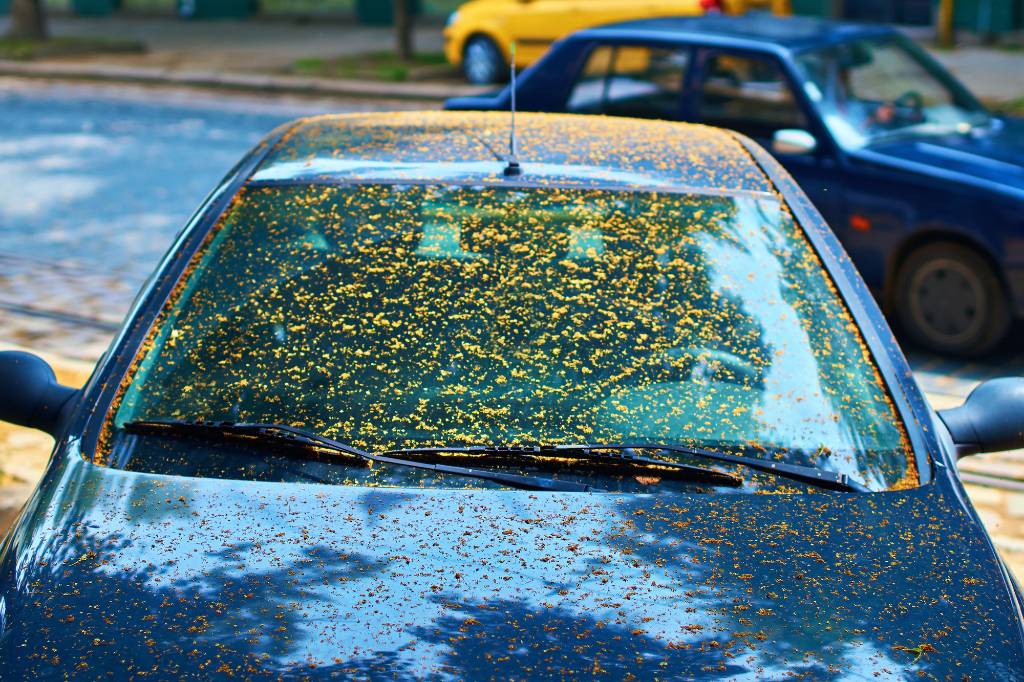
Pitch usually comes from road tar and tree sap. Construction areas often have fresh tar on roads. Driving through these spots can leave tar on your car. Tree sap drops from branches, especially in parking lots or under trees.
Other sources include industrial pollution and bitumen used in paving. These substances stick to the paint and harden. Dust and dirt mixed with pitch make the problem worse. Pitch can also come from old repairs or poor washing habits.
Impact On Paint Surface
Pitch sticks tightly to the paint surface. It blocks light and makes the paint look dull. Over time, pitch can eat into the clear coat. This causes stains and rough patches on the paint.
Left untreated, pitch leads to permanent paint damage. It can cause discoloration and peeling. Removing pitch quickly prevents these issues. Clean paint protects the car’s value and keeps it shiny.
Credit: bigsmobile.com
Preparation Before Removal
Removing pitch from car paint needs careful preparation. Taking the right steps first helps protect your car’s finish. Preparation saves time and avoids damage during cleaning.
Gathering Necessary Materials
Start by collecting all needed items. Get a soft cloth or microfiber towel. Find a bug and tar remover or a special pitch remover. Have some warm water and car soap ready. Use gloves to protect your hands. Make sure you have a bucket for mixing soap and water. Prepare a small sponge or applicator pad for applying the remover.
Ensuring Proper Work Environment
Choose a shaded area to work on your car. Direct sunlight can make the remover dry too fast. Work in a cool, dry place to avoid streaks or spots. Make sure the car surface is cool to touch. Avoid windy spots to keep dust away. Keep pets and children away to prevent accidents. Have enough space around the car to move freely.
Home Remedies For Pitch Removal
Pitch stains on car paint can be tough to remove. Many home remedies work well and save money. These methods use common household items to clean pitch safely. They help protect your car’s paint while removing sticky pitch spots.
Using Warm Soapy Water
Start with warm soapy water to soften the pitch. Mix dish soap with warm water in a bucket. Use a soft cloth or sponge to apply the solution on the pitch. Let it sit for a few minutes. Gently rub the area in small circles. Rinse with clean water and dry with a soft towel. This method works best for fresh or small pitch stains.
Applying Rubbing Alcohol
Rubbing alcohol helps dissolve pitch without harming paint. Dampen a soft cloth with rubbing alcohol. Test on a small, hidden area first. If safe, gently rub the pitch stain. Avoid using too much pressure. Wipe away loosened pitch with a clean cloth. Rinse the area with water afterward. This method removes stubborn pitch spots effectively.
Utilizing Vegetable Oil Or Wd-40
Vegetable oil or WD-40 can loosen sticky pitch. Apply a small amount on a cloth. Rub the pitch stain lightly in circular motions. Let it sit for a few minutes to break down the pitch. Use a clean cloth to wipe away the softened pitch. Wash the area with soapy water to remove oil residue. This method is gentle and safe for most car paints.
Commercial Products For Pitch Removal
Removing pitch from car paint needs the right product. Commercial products made for pitch removal work well. They clean the sticky tar without hurting the paint. These products are easy to use and save time. Choosing the best one helps protect your car’s shine. Using them correctly gives the best results and keeps the paint smooth.
Choosing The Right Cleaner
Pick a cleaner that is safe for car paint. Look for products made for tar and pitch removal. Check the label for paint-safe ingredients. Avoid harsh chemicals that can damage the surface. Some cleaners come with added wax for extra protection. Choose a product that matches your car’s paint type. Test the cleaner on a small spot first. This prevents any unexpected damage or discoloration.
Application Techniques
Apply the cleaner with a soft cloth or sponge. Rub gently in a circular motion to lift the pitch. Let the product sit for a few minutes if needed. Avoid scrubbing hard to protect the paint. Wipe the area with a clean, damp cloth. Repeat the process for tough spots. Finish by washing the car to remove residue. Dry the area to keep the paint shiny and smooth.
Step-by-step Removal Process
Removing pitch from car paint needs care and patience. Follow clear steps to protect your car’s finish. This process helps avoid damage and restores your paint’s smooth look.
Cleaning The Affected Area
Start by washing the car with soap and water. Remove dirt and dust around the pitch spot. Dry the area with a soft cloth to prepare for treatment.
Applying Removal Agents
Use a special tar or pitch remover. Apply a small amount to a clean cloth. Gently rub the pitch spot in a circular motion. Let the remover sit for a few minutes to soften the pitch.
Wiping And Rinsing
Wipe away the softened pitch with a clean cloth. Rinse the area with water to remove residue. Dry the spot carefully to check if more removal is needed.
Post-removal Care
After removing pitch from your car’s paint, taking care of the surface is very important. The paint might look dull or uneven. Proper post-removal care helps restore shine and protect the paint from future damage. This process keeps your car looking fresh and new for longer.
Polishing The Paint
Polishing smooths out small scratches left by pitch removal. It also removes dullness and brings out the paint’s natural shine. Use a soft cloth and a gentle polish made for cars. Work in small sections with light pressure. Avoid harsh rubbing to protect the paint layer. Polishing refreshes the surface and prepares it for waxing.
Waxing For Protection
Waxing adds a protective layer over the polished paint. It shields the surface from dirt, water, and UV rays. Apply a thin, even coat of car wax with a clean cloth or applicator. Let it dry to a haze, then buff with a soft towel. Waxing enhances shine and makes future cleaning easier. Regular waxing keeps your paint safe and looking great.
Preventing Future Pitch Build-up
Preventing future pitch build-up on your car paint keeps your vehicle looking fresh and clean. Pitch is sticky and hard to remove once it settles. Taking simple steps stops it from sticking to your car surface again. These habits protect your paint and save time on cleaning.
Regular Washing
Wash your car often to remove dirt and pitch early. Use gentle soap made for cars to avoid damage. Clean the wheels and lower parts carefully, where pitch collects fast. Dry your car with a soft cloth to stop water spots. Regular washing keeps the paint smooth and less sticky.
Using Protective Coatings
Apply a wax or sealant to your car paint. These coatings create a shield that pitch cannot stick to easily. Reapply the protective layer every few months for best results. Protective coatings also make washing easier and keep your paint shiny. This simple step helps your car stay clean longer.

Credit: stonercarcare.com
When To Seek Professional Help
Removing pitch from car paint can be tricky. Sometimes, the damage is too severe for a DIY fix. Knowing when to seek professional help can save your car’s paint job.
Professionals have the right tools and products to handle tough pitch stains. They reduce the risk of further damage. Understanding the signs of paint damage helps decide when to call an expert.
Signs Of Paint Damage
Paint damage can appear as dull spots or discoloration. Scratches or peeling around pitch spots are warning signs. Sticky residue that won’t come off easily may harm the paint. If the pitch seems to have etched into the surface, damage is likely. Noticeable changes in texture or shine also suggest paint problems. These signs show professional care is needed.
Professional Removal Options
Experts use safe solvents made for automotive paint. They carefully remove pitch without harming the surface. Techniques include clay bar treatment and specialized polishing. Professionals also inspect the paint for hidden damage. They can fix scratches or dull areas after pitch removal. This ensures your car’s finish looks smooth and new. Trusting a professional reduces risk and saves time.

Credit: www.shiny.ca
Frequently Asked Questions
How Can I Safely Remove Pitch From Car Paint?
Use a gentle tar remover or rubbing alcohol on a microfiber cloth. Apply carefully and avoid scrubbing hard to prevent paint damage. Always test on a small area first.
What Household Items Remove Pitch From Car Paint?
Vegetable oil, peanut butter, or WD-40 can help dissolve pitch. Apply gently, let sit a few minutes, then wipe off with a clean cloth. Rinse thoroughly afterward.
Is It Necessary To Wax After Pitch Removal?
Yes, waxing protects the paint and restores shine after pitch removal. It creates a barrier against future contaminants and helps maintain your car’s finish.
Can Pitch Damage My Car’s Paint Permanently?
If left untreated, pitch can harden and damage paint. Prompt removal prevents staining and makes cleaning easier. Always address pitch spots quickly to avoid lasting harm.
Conclusion
Removing pitch from car paint takes patience and the right tools. Start gently to avoid damaging the paint. Use safe cleaners and soft cloths for best results. Regular care helps keep your car’s surface clean and shiny. Small steps make a big difference in maintaining your vehicle’s look.
Keep your car pitch-free for longer by cleaning it often. A clean car always looks its best and lasts longer. Simple actions protect your car paint and keep it smooth.


