

Are you struggling to remove your wheel covers without damaging them or your wheels? You’re not alone.
Many car owners find this task tricky and worry about causing scratches or breaks. But don’t worry—removing wheel covers can be simple and safe when you know the right steps. In this guide, you’ll discover easy, effective methods to take off your wheel covers quickly.
Keep reading, and you’ll save time, protect your wheels, and gain confidence to handle this task like a pro.
Tools Needed
Removing wheel covers requires a few simple tools. These tools help you safely and easily take off the covers without damage. Using the right tools saves time and effort. Below are the common tools and some protective gear you might consider.
Common Tools For Removal
A flathead screwdriver is very useful for prying off wheel covers. It fits under the edge to gently lift the cover. A plastic trim removal tool works well too. It prevents scratching the wheel or cover.
Sometimes, a rubber mallet helps tap covers loose if they are stuck. Gloves improve your grip on tools and covers. Keep a cloth handy to protect the wheel surface during removal.
Optional Protective Gear
Wear gloves to protect your hands from sharp edges. Safety glasses guard your eyes from dust or debris. Knee pads can make the job more comfortable when working low to the ground. Protective gear keeps you safe and makes removal easier.
Preparing Your Vehicle
Preparing your vehicle is the first step to safely remove wheel covers. This step ensures the vehicle stays still and you can work without risks. Taking a few safety measures helps prevent accidents and makes the process smoother.
Park On A Flat Surface
Choose a flat and stable surface to park your vehicle. Avoid slopes or uneven ground. This stops the car from rolling or shifting while you remove the wheel covers. A flat surface keeps everything steady and safe.
Engage Parking Brake
Set the parking brake firmly before you start. This adds extra security by locking the wheels in place. It prevents any movement, especially on slight inclines. Always check the brake is fully engaged before working on the wheels.
Gather Your Tools
Collect all tools needed for removing wheel covers. Common tools include a flathead screwdriver or a wheel cover removal tool. Having tools ready saves time and avoids interruptions. Use tools gently to avoid damage to the covers or wheels.
Locating The Wheel Cover Clips
Locating the wheel cover clips is the first step to remove wheel covers safely. These clips hold the cover tightly to the wheel. Knowing where they are helps avoid damage to the cover or the wheel itself. Each car model may have a different clip style or placement. It is important to spot these clips before starting the removal process. This section explains how to find and identify the clips easily.
Types Of Fasteners
Wheel covers often use plastic or metal clips. Some have snap-on clips that fit into holes on the wheel. Others use spring clips that hold the cover firmly. Some covers may have a ring of clips around the edge. Fasteners can also be small hooks or tabs. Each type needs a different approach to remove. Knowing the type helps to use the right tool and method. This reduces the risk of breaking the clips or scratching the wheel.
Checking For Hidden Screws
Some wheel covers have hidden screws under the cover or the rim. These screws secure the cover tightly in place. Look carefully around the edges for small holes or covers hiding screws. Use a flashlight if needed to see clearly. Removing screws first makes it easier to take off the wheel cover. Skipping this step may cause damage or require extra force. Always check thoroughly for any hidden fasteners before pulling the cover off.

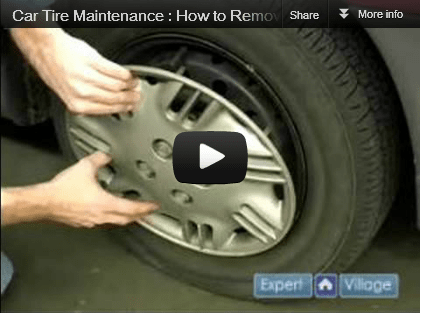
Credit: www.youtube.com
Removing The Wheel Covers
Removing wheel covers is a simple task. It helps when you want to clean or replace them. You need some basic tools and care to avoid damage. Follow these steps to remove wheel covers safely and easily.
Using A Flathead Screwdriver
Find a flathead screwdriver that fits under the edge of the wheel cover. Gently insert the screwdriver between the cover and the wheel. Twist the screwdriver slowly to pry the cover loose. Move around the cover, lifting it bit by bit. Avoid forcing it to prevent breaking the cover.
Leveraging A Pry Tool
A pry tool works well to remove wheel covers without scratches. Place the tool’s tip under the cover’s edge. Push the tool carefully to lift the cover away from the wheel. Work your way around the cover evenly. This method reduces the risk of damage to both cover and wheel.
Applying Gentle Pressure
Use your hands to press gently on the wheel cover’s edge. Try to pull the cover outward with steady, soft force. Avoid sudden or harsh movements that could break clips or the cover. If the cover feels stuck, use a tool for a safer removal. Patience and care make the process smooth and safe.
Handling Stubborn Wheel Covers
Sometimes, wheel covers stick tight and refuse to budge. This can make removal tricky and frustrating. Stubborn wheel covers need gentle care and the right approach. Rushing or using force can cause damage. A few simple tips help to loosen them safely. Patience and the correct tools work best.
Using Lubricants
Lubricants can help loosen stuck wheel covers. Spray a small amount around the edges. Let it sit for a few minutes. This softens the grip and makes removal easier. Use WD-40 or a similar product. Avoid soaking the area too much. Wipe off excess lubricant before trying again. This reduces slipping and keeps the process clean.
Avoiding Damage To Rims
Protect your rims while removing wheel covers. Use plastic pry tools instead of metal ones. Metal tools can scratch or dent the rim surface. Work slowly and gently around the cover edges. Apply even pressure to avoid bending the cover. Keep the wheel clean to spot any damage early. Taking time prevents costly repairs later.

Credit: www.wikihow.com
Post-removal Tips
After removing wheel covers, some steps help keep your wheels and covers in good shape. These tips make sure you avoid damage and keep parts ready for future use.
Inspecting Wheel And Cover
Check the wheel for any scratches or dents. Look closely at the cover for cracks or broken clips. Small damages can cause bigger problems later. Clean both parts with a soft cloth. Dirt or grime can hide issues. Early spotting saves time and money.
Storing Wheel Covers Safely
Store wheel covers in a dry, cool place. Avoid stacking them directly on each other. Use a soft cloth or bubble wrap between covers. This prevents scratches and cracks. Keep them away from heavy objects. Proper storage keeps covers in good condition for longer.
Credit: www.ezautoremote.com
Frequently Asked Questions
How Do I Safely Remove Wheel Covers At Home?
Use a flathead screwdriver or a pry tool to gently lift the wheel cover. Work slowly around the edges to avoid damage. Always wear gloves to protect your hands and ensure the car is parked securely.
What Tools Are Needed To Remove Wheel Covers?
A flathead screwdriver or a specialized wheel cover removal tool is ideal. Gloves and a cloth can protect your hands and the wheel cover during removal. Avoid using excessive force to prevent damage.
Can I Remove Wheel Covers Without Damaging Them?
Yes, by carefully prying them off with the right tools and patience. Avoid using metal tools that can scratch. Working slowly around the edges helps maintain the cover’s condition.
How To Remove Stuck Or Tight Wheel Covers?
Spray a lubricant like WD-40 around the edges and let it sit for a few minutes. Then, gently pry the cover with a flathead screwdriver. Repeat if necessary, but avoid excessive force to prevent damage.
Conclusion
Removing wheel covers is easier than it seems. Use the right tools and stay gentle. Avoid rushing to prevent damage. Take your time and follow the steps carefully. Doing it yourself saves money and builds confidence. Now, you can change or clean wheel covers anytime.
Keep this guide handy for future use. Simple tasks can bring great satisfaction. Why not give it a try today?


