

Are you tired of your steering wheel feeling worn out or slipping from your hands? A well-made steering wheel cover can fix that instantly, and sewing your own cover lets you customize it just the way you want.
In this guide, you’ll discover simple, step-by-step instructions on how to sew a steering wheel cover that fits perfectly and lasts long. You don’t need fancy skills or expensive tools—just a bit of patience and the right tips. Keep reading, and you’ll be driving with comfort and style in no time!
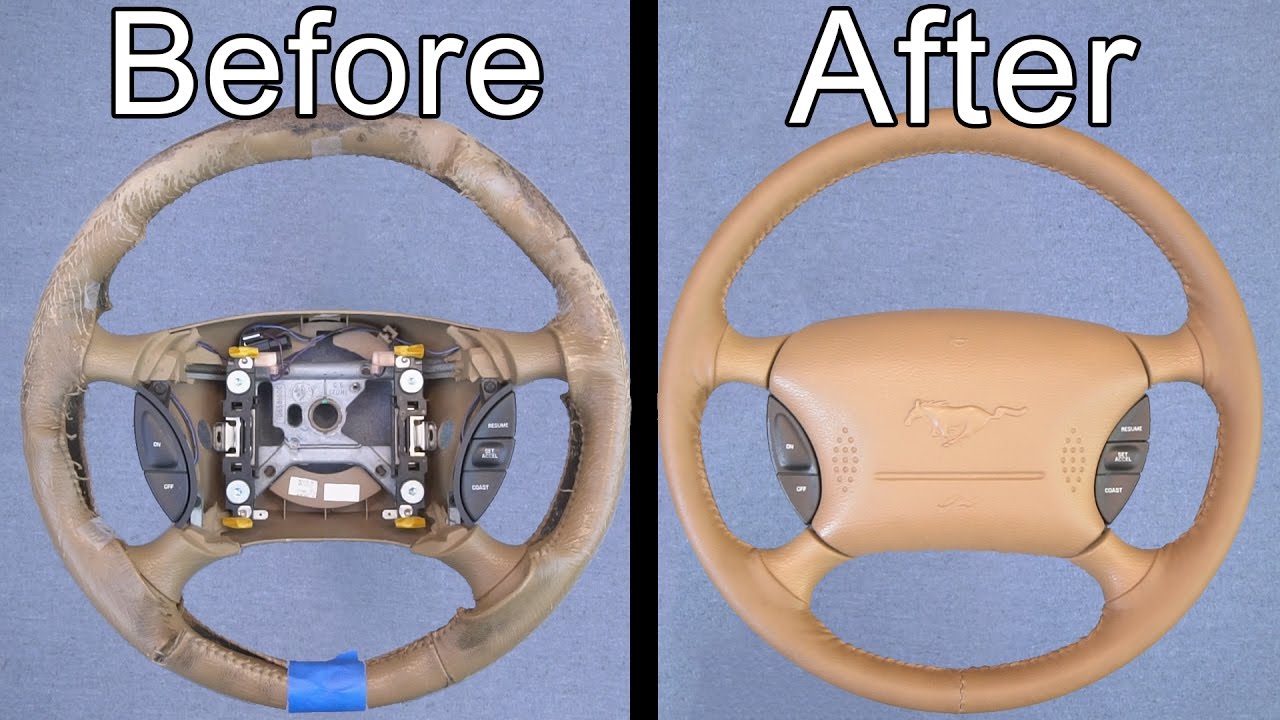
Credit: www.youtube.com
Materials Needed
Sewing a steering wheel cover for your Chrios Fix requires the right materials. Choosing proper supplies makes the project easier and the result better. Prepare everything before starting to save time and avoid mistakes. Below, find the key materials needed to sew a sturdy and attractive cover.
Choosing The Right Fabric
Select a fabric that feels good to touch and lasts long. Leather or faux leather works well and looks stylish. Cotton is soft and easy to sew but may wear faster. Avoid very thin or slippery fabrics. Pick a material with good grip for safe driving.
Essential Sewing Tools
A strong needle suits thick fabrics like leather. Use heavy-duty thread that won’t break easily. Scissors must be sharp to cut fabric cleanly. A sewing machine helps speed up the process but hand sewing also works. Have pins or clips to hold fabric pieces together.
Additional Supplies
Measure tape ensures the cover fits your steering wheel perfectly. Chalk or fabric markers help mark cutting lines. A zipper or elastic band may be needed for a snug fit. Consider foam padding for extra comfort. Keep a ruler handy for straight lines.
Preparing The Steering Wheel
Preparing the steering wheel is the first step in sewing a cover. A clean and well-measured wheel ensures the cover fits perfectly. This preparation saves time and effort later.
Take your time here. A smooth surface helps the fabric stick well. Accurate measurements prevent the cover from being too tight or loose.
Cleaning The Surface
Start by wiping the steering wheel with a damp cloth. Remove all dust, dirt, and oils. Use mild soap if needed to clean stubborn spots. Dry the wheel completely to avoid moisture inside the cover. A clean surface helps the cover stay in place longer.
Measuring The Wheel
Use a flexible tape measure for best results. Measure the wheel’s diameter from edge to edge. Note the thickness of the wheel as well. Write down these numbers clearly. Proper measurements ensure your cover fits just right.
Cutting The Fabric
Cutting the fabric is the first step in making a steering wheel cover. It shapes the material to fit your steering wheel perfectly. Accurate cutting saves time and effort later. Use clean, sharp scissors for the best results. Take your time to measure and cut carefully.
Creating A Pattern Template
Start by making a pattern template. Use a piece of paper or cardboard. Wrap it around the steering wheel to get the right size. Mark the length and width needed for the cover. Add a small extra margin for sewing. This template guides your fabric cutting.
Marking And Cutting
Place the pattern template on the fabric. Use a fabric marker or chalk to trace around it. Double-check the marks before cutting. Cut slowly and follow the lines exactly. Keep the fabric flat to avoid uneven edges. Clean cuts help the cover look neat and fit well.

Credit: www.amazon.com
Sewing Techniques
Sewing techniques are key to making a durable steering wheel cover. Using the right stitches helps the cover last longer. It also makes the cover look neat and fit well. Understanding basic stitches and how to sew seams properly is important. Adding reinforcements can prevent the cover from tearing. These steps improve both strength and appearance.
Basic Stitches To Use
Use simple stitches that hold the fabric firmly. The running stitch is easy and quick for beginners. It works well for most parts of the cover. The backstitch is stronger and good for areas that need more support. The whip stitch helps close edges neatly. Choose stitches that match your fabric thickness.
Sewing The Seams
Align fabric edges carefully before sewing. Keep stitches even and close to the edge. Use a tight stitch to avoid gaps in seams. Turn the cover inside out after sewing to hide stitches. Press the seams flat with an iron for a smooth finish. Take your time to sew straight lines.
Adding Reinforcements
Add extra stitches at stress points like corners. Double stitch these areas to prevent ripping. Use small fabric patches inside the cover for more strength. Reinforcements make the cover last longer under daily use. Strong seams and reinforcements keep the cover secure on the wheel.
Fitting The Cover
Fitting the steering wheel cover is an important step to ensure comfort and safety. A proper fit makes driving more enjoyable. It also keeps the cover from slipping off. Taking your time during this step helps achieve a neat, secure fit.
Aligning The Cover
Start by placing the cover over the steering wheel. Match the seams of the cover with the wheel’s shape. Make sure the cover is centered evenly around the wheel. Check that the material lies flat without wrinkles. Adjust the cover until it feels balanced on the wheel.
Securing The Fit
Next, pull the cover tight to remove any slack. Hold the cover firmly in place while you sew. Use a strong thread and tight stitches for durability. Stitch carefully along the edges to lock the cover in place. Double-check the cover for any loose spots. Make sure the cover does not shift during use.
Finishing Touches
Finishing touches bring your steering wheel cover to life. They make your work look clean and neat. Small details help the cover last longer and feel better. Pay close attention now. These steps are simple but important.
Trimming Excess Threads
Cut off all extra threads close to the stitches. Use sharp scissors for a clean cut. Loose threads can catch on clothes or objects. Removing them keeps the cover tidy and safe. Check all around the cover for any leftover threads. Trim carefully without cutting the stitches.
Optional Embellishments
Decorate your cover if you want a personal touch. Add small patches, beads, or fabric paint. Choose items that will not scratch your hands or damage the wheel. Embellishments make your cover unique and stylish. Keep decorations simple to avoid bulkiness. Make sure everything is securely attached before use.
Maintenance Tips
Proper care keeps your steering wheel cover in top shape. Small steps protect it from wear and tear. Follow these easy tips to maintain your cover’s look and feel for a long time.
Cleaning The Cover
Use a soft cloth to wipe dirt and dust off the cover. Mild soap and water work well for most materials. Avoid harsh chemicals that can damage fabric or leather. Let the cover air dry before using it again. Regular cleaning prevents buildup and keeps the cover fresh.
Repairing Minor Damages
Check for small tears or loose threads often. Use a needle and matching thread to fix minor holes. Pull the stitches tight but do not cut the thread too short. For leather covers, apply a small amount of leather conditioner after repair. Quick fixes stop damage from growing and save money.

Credit: stitchingcover.com
Frequently Asked Questions
How Do I Start Sewing A Steering Wheel Cover?
Begin by measuring your steering wheel’s circumference and diameter. Cut fabric and padding accordingly. Pin pieces together before sewing for accuracy.
What Materials Are Best For Sewing Steering Wheel Covers?
Choose durable, flexible materials like leather, faux leather, or neoprene. Use strong, heavy-duty thread to ensure longevity and a snug fit.
How Can I Fix Sewing Mistakes On The Cover?
Unpick the stitches carefully using a seam ripper. Re-align the fabric properly, then sew again with even, tight stitches.
How Long Does It Take To Sew A Steering Wheel Cover?
Typically, sewing a cover takes 1 to 2 hours depending on your sewing skills and the cover’s complexity.
Conclusion
Sewing a steering wheel cover Chrios fix is simple and useful. You save money and add comfort to your drive. Follow the steps carefully and take your time. Practice makes your sewing look neat and strong. This project helps you learn new skills easily.
Enjoy a better grip and style while driving. Try making covers for friends or family next. Keep your steering wheel safe and cozy always.

