
Are you thinking about starting an elderly care business but don’t know where to begin? You’re not alone.
Many people want to make a difference while building a successful business, and caring for seniors is one of the most rewarding ways to do both. But how do you turn that good intention into a thriving company? This guide will walk you through the essential steps you need to take, from understanding your market to setting up your services.
By the end, you’ll have a clear path to launch your elderly care business with confidence. Keep reading to discover how you can make a real impact and create a business that lasts.
Choosing Your Niche
Choosing your niche is a key step in starting an elderly care business. It helps focus your efforts and meet specific needs. Picking the right niche can make your service stand out. It also guides your marketing and operations.
Understanding different care options will help you decide. Think about your skills, interests, and local demand. Each niche serves a unique group of elderly clients.
Home Care Services
Home care services offer help to seniors in their own homes. This includes daily tasks like cooking, cleaning, and personal care. It allows seniors to stay independent longer. Many families prefer this option for comfort and safety.
Starting home care requires hiring trained caregivers. You must follow health and safety rules. Building trust with families is very important.
Assisted Living Facilities
Assisted living facilities provide housing with support services. Residents get help with meals, medication, and activities. These facilities create a social environment for seniors. They combine independence with necessary care.
Opening such a facility needs proper licensing and staff. Location and amenities play a big role in success. It suits seniors who need daily support but want freedom.
Specialized Care Options
Specialized care focuses on seniors with specific needs. Examples include memory care for dementia or physical therapy support. These services require special training and equipment. They meet a growing demand in elderly care.
Choosing this niche means working closely with medical professionals. It offers deeper care for clients with unique challenges. Specialized care can build a loyal client base.

Credit: caryfy.ai
Legal Requirements
Starting an elderly care business requires careful attention to legal rules. These rules protect clients and ensure your business runs smoothly. Understanding and following legal requirements is key to success. This section explains the main legal steps you need to take.
Licensing And Certification
You must get proper licenses to operate an elderly care business. These licenses vary by state and country. Check local laws to know which licenses apply. Certification shows your skills and builds trust with clients. Staff may also need special training certificates. Keep all licenses and certificates up to date to avoid fines.
Insurance Needs
Insurance protects your business from risks and claims. General liability insurance covers accidents or injuries. Professional liability insurance protects against care-related mistakes. Worker’s compensation insurance covers your employees if they get hurt. Talk to an insurance agent to find the right coverage. Insurance helps your business stay safe and secure.
Compliance With Regulations
Your business must follow health and safety rules. These rules cover hygiene, medication handling, and emergency plans. Privacy laws protect client information. Follow rules from agencies like the Health Department. Regular inspections may check if you comply. Staying compliant avoids legal trouble and keeps your clients safe.
Business Plan Essentials
Creating a solid business plan is the first step to starting an elderly care business. It helps you organize your ideas and prepare for challenges. A good plan guides your decisions and shows investors that you are serious. Focus on key parts like market research, budgeting, and setting clear goals.
Market Research
Market research helps you understand your customers and competitors. Learn about the needs of elderly people in your area. Find out what services are in demand. Study other care providers and see what they offer. This information helps you find a niche and offer better services.
Budgeting And Funding
Estimate how much money you need to start and run your business. Include costs for staff, equipment, and marketing. Plan for monthly expenses like rent and utilities. Look for funding options such as loans, grants, or investors. A clear budget prevents money problems later.
Setting Goals And Objectives
Set specific, measurable goals for your business. Examples include the number of clients or revenue targets. Define short-term and long-term objectives. Goals keep you focused and motivated. Review and adjust them as your business grows.

Credit: caryfy.ai
Building Your Team
Building a strong team is essential for a successful elderly care business. Your staff will provide daily support and comfort to clients. Hiring the right people ensures trust and quality service.
A great team makes your business reliable and respected. Focus on skills, kindness, and dedication. Proper training and keeping employees happy will keep your team strong and motivated.
Hiring Qualified Staff
Choose staff with experience in elderly care or healthcare. Look for certifications in nursing or caregiving. Check references and background to ensure safety. Hire people who show patience and good communication skills. Qualified staff provide better care and build client trust.
Training Programs
Offer clear and simple training for all new hires. Teach safety, hygiene, and emergency procedures. Include lessons on respect and empathy. Regular training updates keep skills fresh. Well-trained staff handle challenges calmly and professionally.
Employee Retention Strategies
Keep your team happy to reduce turnover. Provide fair wages and benefits. Recognize hard work and celebrate achievements. Create a friendly and supportive work environment. Offer growth opportunities and listen to staff feedback. Loyal employees improve care quality and business reputation.
Marketing Strategies
Marketing is key to growing your elderly care business. You must reach the right people with clear messages. A strong marketing plan helps build trust and brings clients to your service.
Focus on who needs your services most. Use both online and offline ways to spread the word. Connect with other businesses and groups to grow your network.
Target Audience Identification
Know who your ideal clients are. Most elderly care clients are seniors or their family members. Learn their needs and concerns. This helps you create messages that speak directly to them. Use surveys or talk to people to gather this information. Tailor your services to fit their expectations.
Online And Offline Promotion
Create a simple website showing your services and contact details. Use clear pictures and easy words. Share helpful articles about elderly care to attract visitors. Use social media to connect with local families. Join community groups online to spread your message.
Offline methods matter too. Hand out flyers at local clinics and senior centers. Attend community events to meet people face to face. Place ads in local newspapers or newsletters. Use direct mail to reach households near your service area.
Networking And Partnerships
Build relationships with doctors, hospitals, and senior centers. These places can refer clients to you. Join local business groups to meet other service providers. Partner with home health agencies or pharmacies. Collaborate on events or workshops about senior care. This helps you gain trust and new clients.
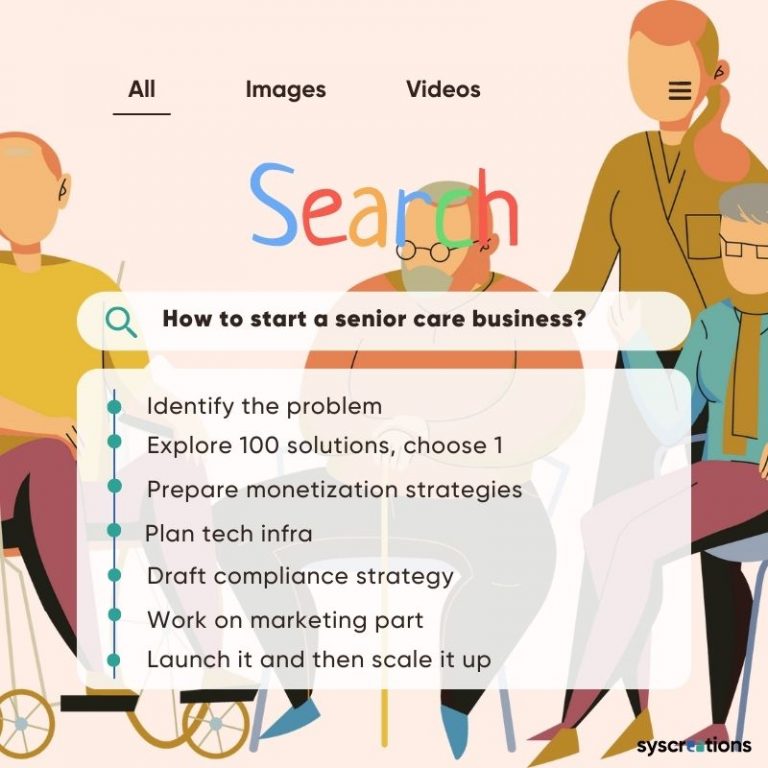
Credit: www.syscreations.com
Operational Management
Operational management is the backbone of any elderly care business. It ensures smooth daily functioning and high-quality service. Proper management helps meet client needs and keeps staff motivated.
Efficient operations create a safe, caring environment for seniors. Focus on clear processes and strong communication. This section explores key areas to manage your business well.
Scheduling And Staffing
Good scheduling matches staff availability with client needs. Use software to organize shifts and avoid overlaps. Keep enough staff for emergencies and busy times.
Hire caregivers with proper training and compassion. Regularly update their skills to improve care quality. Clear roles and fair hours boost job satisfaction.
Quality Control
Check service quality regularly to ensure safety and comfort. Use client feedback to find areas to improve. Set clear standards for care and hygiene.
Train staff on best practices and monitor their work. Quick action on problems keeps clients happy. Document all care activities for transparency.
Client Relationship Management
Build trust through open and honest communication. Listen to clients and families with respect. Respond quickly to questions or concerns.
Create personal care plans tailored to each senior’s needs. Regular updates keep families informed and involved. Strong relationships lead to long-term clients and referrals.
Technology Integration
Technology plays a big role in starting an elderly care business. It helps manage tasks and improves care quality. Using the right tools can save time and reduce errors. Technology also makes communication easier between staff, clients, and families.
Care Management Software
Care management software helps organize client information and care plans. It stores medical records, schedules, and daily notes in one place. This software improves accuracy and keeps data up to date. It helps staff follow care routines and track progress. Choosing user-friendly software is key for smooth operations.
Communication Tools
Clear communication is vital in elderly care. Tools like messaging apps and video calls connect caregivers with families. These tools provide instant updates and feedback. They help reduce misunderstandings and keep everyone informed. Simple communication tools save time and build trust.
Data Security
Protecting client information is a top priority. Use strong passwords and encryption to keep data safe. Regularly update software to fix security issues. Train staff to handle data carefully and follow privacy rules. Good data security builds confidence with clients and families.
Financial Management
Financial management is key to running a successful elderly care business. It ensures you stay profitable and can provide quality care. Managing money well helps you plan for growth and handle unexpected costs. Clear financial processes build trust with clients and employees.
Pricing Models
Choosing the right pricing model affects your business success. Common models include hourly rates, flat fees, or package deals. Hourly rates charge clients based on time spent. Flat fees cover specific services regardless of time. Package deals offer combined services for one price. Understand local market rates to stay competitive. Set prices that cover costs and leave profit. Transparent pricing keeps clients confident and informed.
Billing And Invoicing
Accurate billing and invoicing keep cash flow steady. Use simple, clear invoices with all service details. Include dates, hours worked, rates, and total amount. Send invoices promptly after service delivery. Offer multiple payment options for client convenience. Track unpaid invoices and follow up quickly. Use software tools to automate billing and reduce errors. Proper billing avoids confusion and delays in payment.
Financial Reporting
Regular financial reporting helps monitor your business health. Create monthly reports to track income, expenses, and profits. Compare actual numbers with your budget plans. Spot trends or issues early for quick action. Use reports to make better financial decisions. Share key reports with partners or investors if needed. Keep records organized for easy access and tax purposes. Financial reports provide a clear view of your business progress.
Frequently Asked Questions
What Are The First Steps To Start An Elderly Care Business?
Begin by researching local regulations and licensing requirements. Develop a clear business plan, including services offered. Secure funding and find a suitable location. Hire trained staff and create marketing strategies to attract clients.
How Much Does It Cost To Start Elderly Care Business?
Startup costs vary based on location and services. Expect expenses for licensing, equipment, staff salaries, and marketing. Initial investment typically ranges from $50,000 to $150,000. Budget carefully to ensure smooth operations and quality care.
What Qualifications Are Needed For Elderly Care Providers?
Care providers should have CPR certification and relevant caregiving training. Experience in elderly care or healthcare is essential. Some states require specific licenses or certifications. Ongoing training ensures up-to-date skills and compliance with regulations.
How To Attract Clients For Elderly Care Services?
Use online marketing, social media, and local advertising. Build relationships with healthcare professionals and community centers. Offer free consultations and testimonials to build trust. Provide excellent care to encourage referrals from satisfied clients.
Conclusion
Starting an elderly care business takes clear steps and real care. Know your community’s needs and plan well. Build trust with families and hire kind, skilled staff. Focus on quality service every day. Stay organized and follow all legal rules.
Small efforts grow into a strong business. Helping seniors brings purpose and rewards. Take one step at a time and keep learning. Success comes from patience, hard work, and heart.


