Are you tired of your worn-out steering wheel ruining the look and feel of your car? Imagine giving your steering wheel a fresh, stylish makeover with just a needle and thread.
In this step-by-step tutorial video, you’ll learn exactly how to stitch your own steering wheel cover—no fancy tools or experience needed. By the end, you’ll have a custom cover that fits perfectly and feels great every time you drive. Keep reading, and let’s transform your driving experience together!

Credit: www.youtube.com
Materials Needed
Before stitching your steering wheel cover, gather all necessary materials. Proper preparation makes the process smooth and enjoyable. Choose the right fabric and tools to ensure a neat finish. Having the right items ready saves time and effort.
Types Of Fabric
Select a fabric that feels comfortable and lasts long. Leather or faux leather works well for durability. Microfiber offers a soft grip and is easy to clean. You can also use cotton or canvas for a casual look. Pick fabric that fits your style and car interior.
Essential Tools
Basic tools help you stitch with ease and precision. A strong needle designed for thick fabric is a must. Use polyester or nylon thread for strength and flexibility. Scissors should be sharp to cut fabric neatly. A measuring tape helps get the right size. A seam ripper is useful for fixing mistakes.
Optional Accessories
Extras can improve your stitching experience and final look. Thimble protects your finger while pushing the needle. Clips or pins hold fabric pieces together before sewing. A fabric marker helps mark stitch lines clearly. You may want a small pair of pliers to pull the needle through tough spots.
Preparing The Cover
Preparing the steering wheel cover is the first step to a neat finish. This phase ensures your cover fits perfectly and looks great. Take your time here to avoid mistakes later. Accurate measuring and marking save effort and material.
The process involves three key parts: measuring, cutting, and marking. Each step builds on the last to create a smooth sewing experience. Let’s explore these parts closely.
Measuring Your Steering Wheel
Start by measuring the steering wheel’s circumference. Use a flexible tape for accuracy. Wrap it around the wheel tightly but without stretching. Note the measurement in inches or centimeters. Next, measure the width of the wheel. This helps decide how wide your fabric should be. Add an extra inch to both measurements. This allows space for stitching and a snug fit.
Cutting The Fabric
Choose a durable fabric that feels comfortable to hold. Place the fabric flat on a clean surface. Use sharp scissors for clean edges. Cut the fabric according to your measurements. Remember the extra inch added for seams. Cut slowly to keep the edges straight. Avoid jagged or uneven cuts. A well-cut piece makes stitching easier and looks better.
Marking Stitching Lines
Mark stitching lines on the wrong side of the fabric. Use a fabric chalk or washable marker. Draw two parallel lines along the fabric edges. These lines guide your sewing and keep it straight. Space the lines about half an inch from the edge. Double-check the lines match your measurements. Clear marking prevents sewing errors and puckering.
Stitching Techniques
Stitching techniques are key to making a strong and neat steering wheel cover. Good stitches keep the cover tight and last long. They also give the cover a nice, finished look. Below are simple ways to sew your cover with care and skill.
Basic Stitch Types
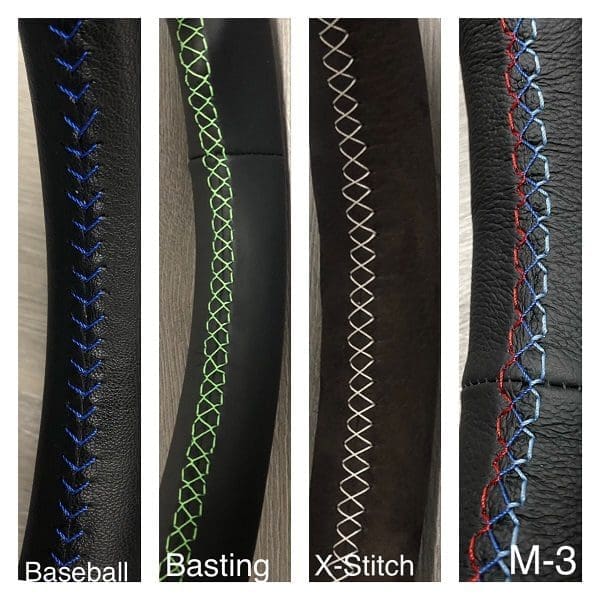
Start with simple stitches like running stitch and backstitch. Running stitch is fast and easy, good for holding fabric edges. Backstitch is stronger and better for parts that need extra strength. Use a whipstitch to join the edges around the wheel. These stitches help the cover fit snugly and stay secure.
Using A Sewing Machine
A sewing machine speeds up the work and makes even stitches. Set the machine to a straight stitch for durability. Use heavy-duty thread made for leather or thick fabric. Sew slowly to keep the cover from shifting. Make sure the needle is sharp to avoid holes or breaks.
Hand Stitching Tips
Hand stitching needs patience and steady hands. Use a strong, thick needle and waxed thread to prevent slipping. Keep stitches close together for better hold. Pull the thread tight but not too tight to avoid puckering. Take breaks to rest your hands during long stitching.

Credit: okiegirlblingnthings.com
Assembling The Cover
Assembling the steering wheel cover is a key step in this project. This stage brings all parts together for a perfect fit. Careful work here ensures the cover looks neat and lasts long.
Aligning Fabric Pieces
Place the fabric pieces on a flat surface. Match the edges carefully to avoid gaps. Pin the pieces together to hold them in place. Check the shape matches your steering wheel size.
Starting The Stitching
Begin stitching at one end of the cover. Use even stitches for a strong seam. Keep the thread tight but not too tight. Stitch slowly to maintain control and accuracy.
Finishing The Edges
Secure the end of your thread with a knot. Trim any loose fabric or thread ends. Fold the edges inside for a clean look. Double-check the cover fits snugly around the wheel.
Installing The Cover
Installing the steering wheel cover is the final step in this easy project. This step makes sure the cover fits well and stays in place. Follow the steps below to install your cover perfectly.
Fitting Over The Wheel
Start by placing the cover over the top of the steering wheel. Pull it down slowly around the sides. Stretch the cover evenly to cover the whole wheel. Take your time to avoid tears or wrinkles.
Adjusting For Tightness
Check the cover’s tightness by holding the wheel and moving the cover. It should feel snug but not too tight. Pull the cover more if it feels loose. A tight fit helps the cover stay in place and feel comfortable.
Securing The Cover
Use the stitching or laces to lock the cover on the wheel. Start from one side and sew or lace through the holes. Pull the thread or lace tight as you go. This stops the cover from slipping while driving.
Credit: craftcustoms.com
Maintenance And Care
Proper maintenance and care keep your steering wheel cover looking fresh and lasting longer. A well-maintained cover protects your steering wheel and enhances driving comfort. Simple steps can make a big difference in keeping the cover clean and intact.
Cleaning Instructions
Use a soft cloth to wipe the cover regularly. Mild soap and water work best for cleaning. Avoid harsh chemicals that may damage the material. Dry the cover completely after cleaning to prevent mold. Clean stains gently by dabbing, not scrubbing. Regular cleaning stops dirt from building up.
Repair Tips
Check the stitching for loose threads often. Use a strong needle and thread to fix small tears. Match the thread color with the cover for a neat look. Avoid pulling too hard on the cover while driving. Repair minor damage quickly to avoid bigger problems. Keep a repair kit handy in your car.
Extending Cover Life
Protect the cover from direct sunlight to prevent fading. Remove the cover during extreme weather if possible. Avoid sharp objects near the steering wheel. Store the car in a shaded area or use a sunshade. Rotate the cover occasionally to reduce wear in one spot. Proper care helps your cover last for years.
Frequently Asked Questions
How Do I Start Stitching A Steering Wheel Cover?
Begin by aligning the cover’s edges around the wheel. Secure it with clips or pins. Then, thread a sturdy needle with strong thread to start stitching from the bottom center. Follow the tutorial video for detailed step-by-step guidance.
What Materials Are Needed For Stitching Steering Wheel Cover?
You need leather or fabric cover material, a heavy-duty needle, strong thread, scissors, and clips or pins. Optional tools include a thimble and measuring tape. These materials ensure durability and a professional finish as shown in the tutorial video.
How Long Does It Take To Stitch A Steering Wheel Cover?
Stitching a steering wheel cover typically takes 1 to 2 hours. The duration depends on your stitching speed and experience. Watching the tutorial video before starting helps reduce mistakes and saves time during the process.
Can I Use Any Thread For Steering Wheel Cover Stitching?
No, it’s best to use strong, durable thread like nylon or polyester. These threads resist wear and tear from frequent use. The tutorial video recommends specific thread types for a long-lasting cover.
Conclusion
Stitching your own steering wheel cover saves money and adds style. The steps are simple and easy to follow. Take your time and enjoy the process. You will feel proud of your finished cover. This skill can help you fix or customize covers anytime.
Practice makes perfect, so don’t worry about mistakes. Keep your tools ready for future projects. Now, drive with a fresh, comfortable grip every day.