

Winter can be tough on your classic car. If you want to keep it in perfect shape until spring, how you store it matters a lot.
You might think just parking it in the garage is enough, but there’s more to it. Imagine starting your car after winter and finding it ready to roar, with no surprises or costly repairs. This guide will show you simple, effective steps to protect your classic car from cold, moisture, and damage.
Keep reading to learn exactly what you need to do to keep your prized possession safe all winter long.
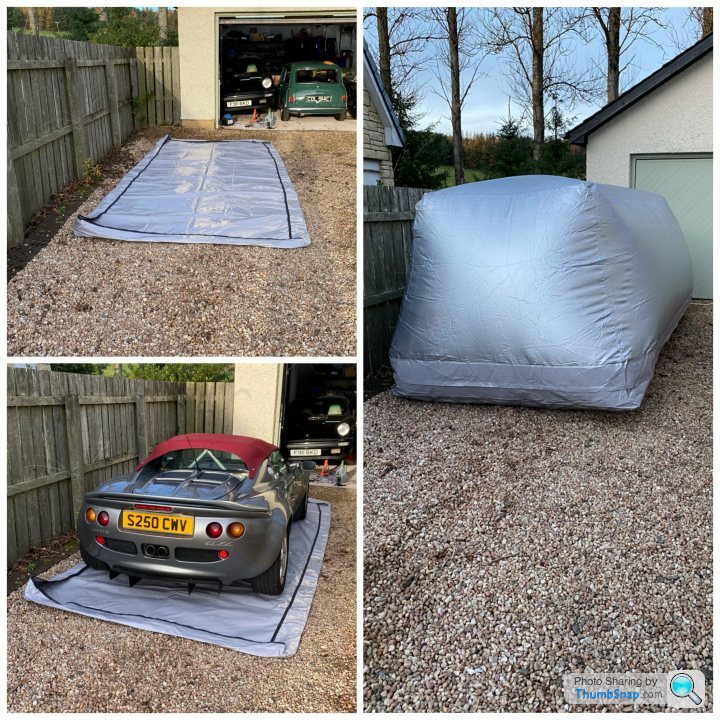
Credit: www.pistonheads.com
Prepare The Car
Preparing your classic car for winter storage is key to keeping it safe and in good shape. Taking the right steps now avoids damage and costly repairs later. Focus on cleaning, protecting, and readying your car before putting it away.
Clean And Wax Exterior
Start by washing your car thoroughly. Dirt and grime can cause rust over time. Use a gentle soap made for cars. After washing, dry the car well to stop water spots.
Apply a quality wax to protect the paint. Wax creates a shield against moisture and dust. This layer helps your car stay shiny and safe all winter long.
Detail Interior
Clean the inside carefully. Remove all trash and personal items. Vacuum seats, carpets, and floor mats to remove dust and dirt.
Wipe down all surfaces with a soft cloth and mild cleaner. Use a protectant on leather or vinyl to stop cracking. Good care inside prevents mold and bad smells.
Check Fluids And Fill Up
Check all fluid levels before storage. Oil, coolant, brake fluid, and windshield washer fluids need attention.
Fill the gas tank almost full to avoid moisture buildup inside. Add a fuel stabilizer to keep gas fresh. This step helps your engine stay ready for spring.
Protect The Engine
Protecting the engine is key to storing a classic car for winter. Cold and inactivity can harm engine parts. Taking simple steps keeps the engine ready for spring. It stops rust and damage inside the engine.
Change Oil And Filter
Old oil can cause engine damage during storage. Change the oil and filter before storing the car. Fresh oil protects engine parts from corrosion. It also removes dirt and acids that build up over time.
Add Fuel Stabilizer
Gasoline breaks down and loses quality when left unused. Add fuel stabilizer to the gas tank. It keeps fuel fresh and prevents gum and varnish buildup. Run the engine for a few minutes to spread the stabilizer through the system.
Flush Cooling System
Coolant can become acidic and cause rust inside the engine. Flush the cooling system before storage. Replace old coolant with a fresh mix of antifreeze and water. This protects the engine from freezing and corrosion during winter.
Prevent Battery Drain
Preventing battery drain is key to storing a classic car over winter. A drained battery can stop your car from starting. It can also shorten the battery’s life. Taking steps to protect the battery keeps your car ready for spring.
Disconnect The Battery
Disconnecting the battery stops power from running through the car. This prevents slow discharge from electronics and systems. Use a wrench to loosen the negative terminal first. Remove the cable and secure it away from the battery. This simple step reduces battery drain during long storage.
Use A Battery Tender
A battery tender keeps the battery charged without overcharging it. Plug the tender into a power source and connect it to the battery terminals. The tender monitors and maintains the battery’s charge automatically. This method is safe and effective for winter storage. It keeps the battery healthy and ready to use.

Credit: americancollectors.com
Choose Storage Location
Choosing the right place to store a classic car during winter is very important. The location affects the car’s condition and protection. A good storage spot helps stop rust, paint damage, and mechanical problems. Think about safety, weather, and space before deciding where to keep your car.
Indoor Vs Outdoor Options
Indoor storage offers better protection from rain, snow, and wind. Garages or storage units keep the car safe from dirt and pests. Outdoor storage is less expensive but exposes the car to weather changes. Cover the car well if storing outside. Indoor spots reduce risks of damage and keep your car cleaner.
Control Temperature And Humidity
Stable temperature stops metal parts from expanding or contracting. High humidity causes rust on metal and mold inside the car. Use a dehumidifier or moisture absorbers in the storage space. Avoid areas that get very hot or very cold. A dry, cool place keeps your car in better shape.
Avoid Direct Sunlight
Sunlight fades paint and cracks rubber parts. UV rays damage the dashboard and seats. Choose a shaded spot or use a car cover that blocks UV rays. Keeping the car out of direct sunlight preserves its look. Protect your classic car from sun damage during winter storage.
Use Proper Covers
Using the right cover is key to protecting your classic car during winter. A good cover guards against dust, moisture, and temperature changes. It keeps your car safe from scratches and fading. Choosing the proper cover helps maintain your car’s value and appearance.
Select Breathable Covers
Breathable covers let air pass through. This stops moisture buildup under the cover. Moisture can cause rust and damage the paint. Look for covers made from cotton or special fabric. Avoid plastic covers that trap humidity. Breathable covers keep your car dry and fresh.
Cover Tires And Windows
Covering tires helps prevent flat spots during long storage. Use tire covers or wrap them with cloth. This protects rubber from cracking and drying out. Windows also need protection from dust and dirt. Use soft cloth or a window-specific cover. Covering these parts extends the life of your car.
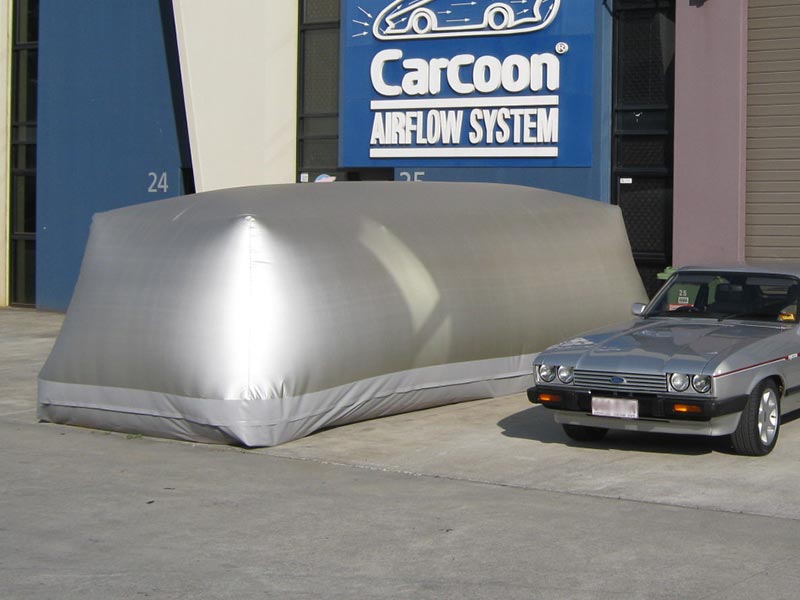
Credit: www.hagerty.co.uk
Protect Tires And Suspension
Protecting the tires and suspension is vital for storing a classic car over winter. Cold weather and long inactivity can damage these parts. Proper care helps keep your car ready to drive when spring arrives.
Inflate Tires Correctly
Check the tire pressure before storage. Inflate tires to the recommended level. This stops flat spots from forming on the tires. Under-inflated tires can cause damage over time. Use a quality pressure gauge for accuracy. Check tires again after a few weeks if possible.
Use Tire Supports Or Ramps
Keep tires off the ground to avoid flat spots. Use tire supports or ramps to lift the car slightly. This reduces pressure on the tires and suspension. It also helps keep suspension parts from compressing too long. Tire supports are easy to use and protect your car better.
Prevent Rodents And Pests
Preventing rodents and pests is critical when storing a classic car over winter. Small animals can cause serious damage. They chew wires, build nests, and leave droppings. This harms your vehicle’s electrical system and interior. Protect your car by keeping pests out of your storage area. Taking simple steps can save you from costly repairs and headaches.
Seal Entry Points
Check your storage space for small holes and gaps. Rodents can squeeze through openings as small as a quarter. Use weather stripping, steel wool, or caulk to block these entry points. Pay close attention to vents, doors, and windows. A well-sealed space keeps pests from entering and nesting inside your car.
Use Natural Deterrents
Certain smells repel rodents and insects naturally. Place cotton balls soaked in peppermint oil around your car. Mothballs also work but use them carefully. Cedar chips in the storage area deter many pests. These natural scents keep your classic car safe without harmful chemicals.
Periodic Maintenance
Periodic maintenance keeps your classic car healthy during winter storage. Cars can develop problems if left unused too long. Small checks and actions help avoid damage and costly repairs. It also keeps the engine and other parts ready for use when spring arrives.
Simple tasks done regularly prevent rust, mold, and mechanical issues. These steps protect your investment and keep your classic car in good shape. Pay close attention to moisture and engine condition. Both can cause serious problems if ignored.
Start Engine Occasionally
Start the engine every two weeks during storage. Let it run for 10 to 15 minutes. This warms up the engine and oil. It helps keep parts lubricated and prevents seals from drying out. Avoid revving the engine. Just keep it running smoothly at idle.
Running the engine also charges the battery. A charged battery avoids starting problems later. This simple step keeps your car ready to drive at any time.
Check For Moisture And Mold
Moisture causes rust and mold in stored cars. Check inside the car for damp spots or a musty smell. Use a dehumidifier or moisture absorber inside the vehicle. Keep windows and doors slightly open to allow air circulation.
Inspect the trunk and storage compartments. Remove any wet items or old rags that hold moisture. Clean any visible mold with mild soap and water. Dry the area well before closing the car again.
Frequently Asked Questions
How Do I Prepare A Classic Car For Winter Storage?
Clean your car thoroughly, change the oil, and fill the gas tank. Use a fuel stabilizer and disconnect the battery. Inflate tires to the recommended pressure and cover the car with a breathable cover.
What Is The Best Storage Environment For Classic Cars?
Store your classic car in a dry, temperature-controlled garage. Avoid damp or humid spaces to prevent rust and mold. Ensure good ventilation to keep moisture levels low and protect the vehicle’s interior and exterior.
How Often Should I Start My Classic Car In Winter?
Start your classic car every two weeks during winter storage. Let it run for 10 to 15 minutes to circulate fluids and keep the engine healthy. This practice prevents battery drain and mechanical issues.
Should I Use A Car Cover For Winter Storage?
Yes, use a high-quality, breathable car cover. It protects your car from dust, moisture, and scratches. Avoid plastic covers as they trap moisture and can damage the paint.
Conclusion
Storing a classic car over winter takes some care and planning. Keep the car clean and dry to avoid rust. Use a good cover to protect it from dust and moisture. Check the tires and fluids before storing. Start the engine occasionally to keep parts working well.
A well-stored car will look great and run smoothly in spring. Simple steps now save time and money later. Enjoy your classic car for many years to come.


