

If you have a salt pool, you already know how refreshing and gentle it feels compared to traditional pools. But keeping your salt pool clean and balanced isn’t always simple.
You might wonder how to maintain the perfect salt level, avoid corrosion, and keep the water crystal clear without spending hours on upkeep. This guide will show you exactly how to take care of your salt pool with easy steps that save you time and money.
By the end, you’ll feel confident managing your pool like a pro—and enjoy every swim without worry. Let’s dive in and make your salt pool shine!
Benefits Of Salt Pools
Salt pools offer many advantages over traditional chlorine pools. They use salt to create chlorine naturally. This makes pool care easier and the swimming experience better.
Many people choose salt pools for their gentle water and low maintenance needs. The benefits go beyond comfort and convenience.
Improved Water Quality
Salt pools have softer water that feels better on skin and eyes. They avoid the harsh smell and irritation of regular chlorine pools. The water stays clear and clean for longer.
Lower Chemical Use
Salt pools produce chlorine on their own. This means fewer chemicals are needed overall. It reduces the risk of chemical burns and allergic reactions. Salt pools are safer for swimmers and the environment.
Cost Savings Over Time
Salt systems cost more at first. But they save money on buying chlorine and other chemicals. Salt pools also need less frequent cleaning and maintenance. This lowers long-term pool care expenses.
Less Maintenance Required
Salt pools need fewer tests and adjustments. The salt chlorine generator controls chlorine levels automatically. This reduces the time and effort needed to keep the pool balanced.
Better For Sensitive Skin
Salt water is gentler on skin, hair, and eyes. It helps prevent dryness and irritation. Salt pools are a good choice for swimmers with sensitive skin or allergies.
Choosing The Right Salt Chlorinator
Choosing the right salt chlorinator is key for a healthy salt pool. This device keeps your pool water clean by turning salt into chlorine. Picking the right one saves time and money. It also keeps the pool safe for swimmers.
Understanding Pool Size And Chlorinator Capacity
First, know your pool’s size in gallons. The chlorinator must match this size. Too small won’t clean well. Too big wastes electricity and salt. Check product labels for capacity limits.
Types Of Salt Chlorinators
There are different types: in-line, off-line, and floating. In-line models connect to pool plumbing. Off-line units sit outside and pump water through. Floating ones move in the pool. Choose based on your pool setup and ease of use.
Durability And Materials
Look for chlorinators made with strong materials. Salt water can corrode cheap parts fast. Titanium plates last longer and resist corrosion. A sturdy build means less repair and replacement costs.
Ease Of Installation And Maintenance
Pick a chlorinator that is easy to install. Some need professional help, others you can do yourself. Also, check how often you must clean the cell. Simple maintenance saves effort and avoids problems.
Energy Efficiency And Cost
Energy-efficient models reduce electricity bills. They use less power but still clean well. Compare prices and running costs. A cheap unit may cost more in the long run.
Maintaining Proper Salt Levels
Maintaining proper salt levels is key for a healthy salt pool. Salt keeps the chlorine generator working well. It helps keep the water clean and safe. Too much salt can harm the pool’s parts. Too little salt stops chlorine from forming. Checking and adjusting salt levels often is important. This keeps your pool clear and balanced.
Testing Salt Concentration
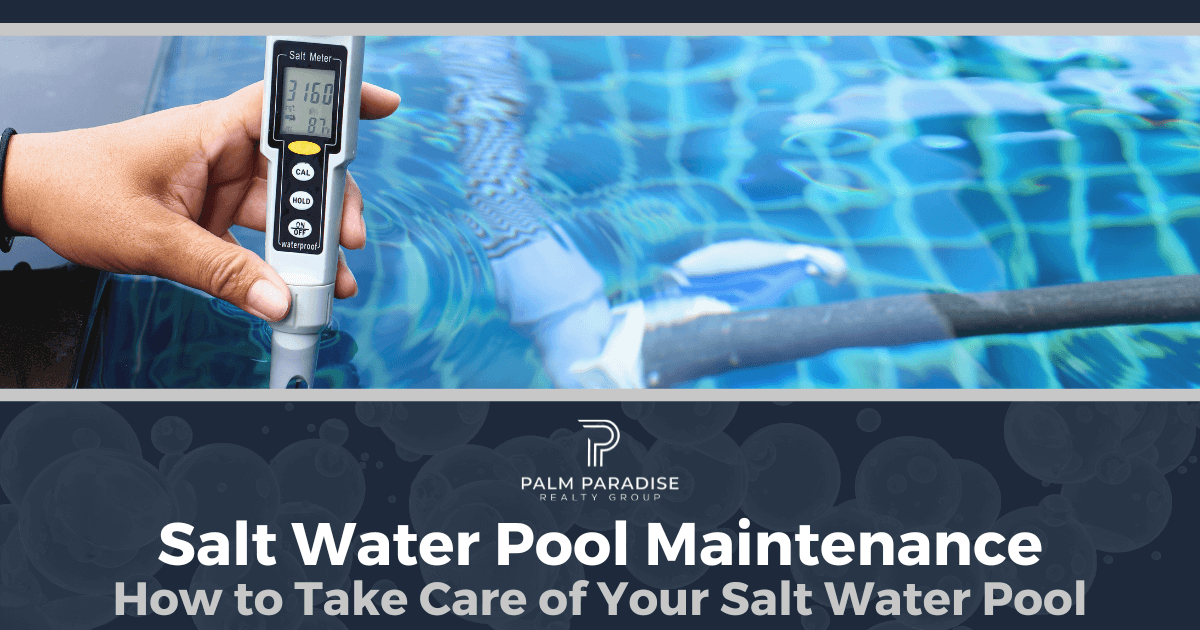
Use a salt test kit to check salt levels. Test the water at least once a week. Follow the kit instructions carefully. Take water from mid-pool for best results. Compare your reading with the recommended range. Most pools need salt between 2700 and 3400 ppm. Record the results to track changes over time.
Adding Salt Safely
Choose high-quality pool salt with no additives. Spread salt evenly around the pool edge. Avoid dumping salt in one spot. Run the pump to mix salt with water. Wait a few hours before retesting salt levels. Add salt slowly to prevent sudden changes. Always wear gloves to protect your hands.
Credit: www.palmparadiserealty.com
Balancing Pool Chemistry
Balancing pool chemistry is key for a clean and safe salt pool. Proper chemical levels keep the water clear and protect pool equipment. Regular testing helps spot problems early. Adjusting chemicals prevents algae and skin irritation. Follow simple steps to maintain the perfect balance.
Ph Level Control
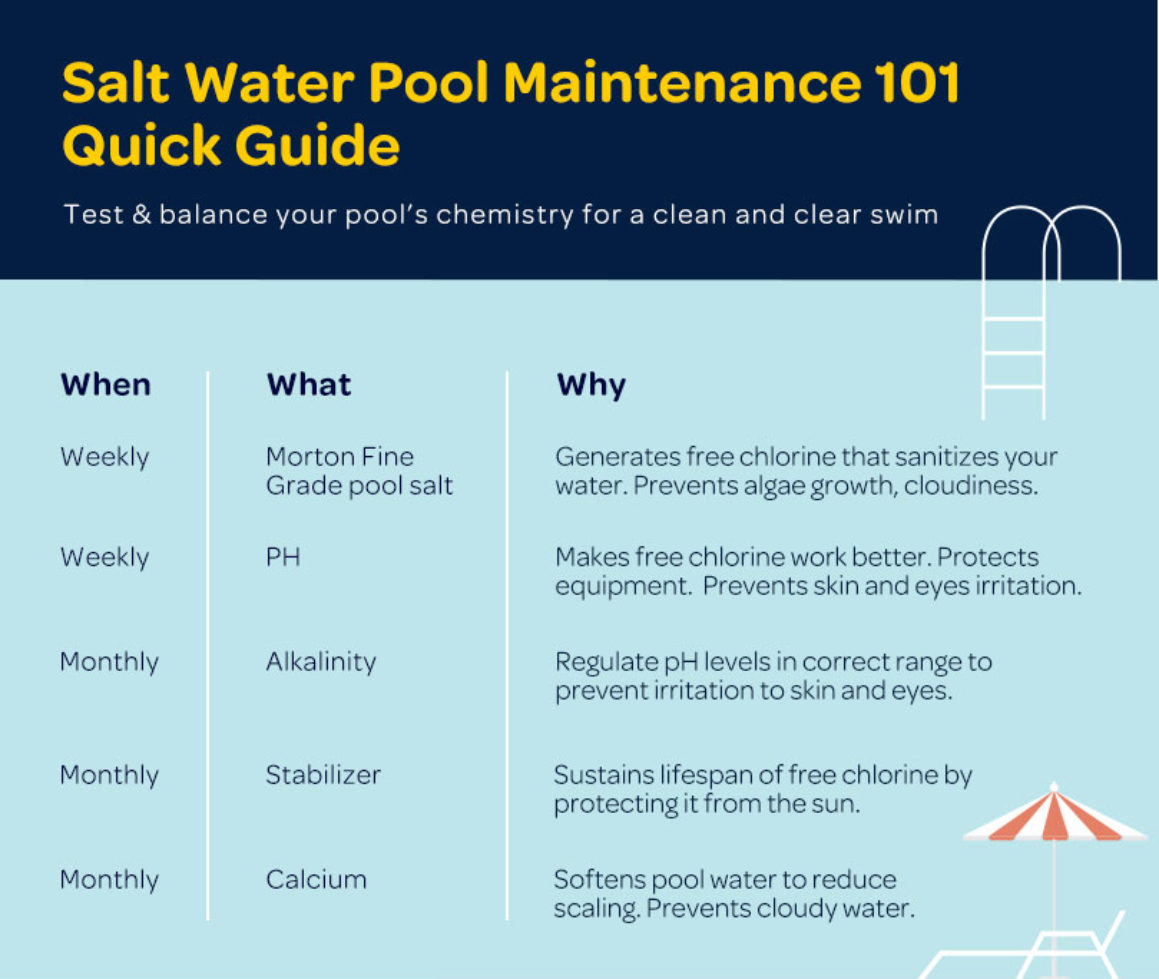
pH measures how acidic or basic your pool water is. The ideal pH range is 7.2 to 7.8. Low pH causes corrosion and eye irritation. High pH leads to cloudy water and scaling. Test pH twice a week. Use pH increaser or decreaser to adjust levels.
Managing Alkalinity
Total alkalinity acts as a buffer for pH levels. It helps keep pH stable. The recommended range is 80 to 120 ppm. Low alkalinity causes pH to swing wildly. High alkalinity can cause cloudy water. Add alkalinity increaser or acid to correct levels.
Calcium Hardness Adjustment
Calcium hardness protects pool surfaces and equipment from damage. Ideal levels range from 200 to 400 ppm. Low calcium causes water to become corrosive. High calcium leads to scaling and deposits. Use calcium chloride to raise hardness. Dilute water or drain pool to lower it.
Cleaning And Filter Care
Cleaning and filter care keep your salt pool clear and safe. Dirt, leaves, and debris can clog the system. A clean filter helps water flow smoothly and stays fresh longer.
Regular attention to cleaning and filter maintenance saves money. It also extends the life of your pool equipment. Simple steps prevent costly repairs and keep your pool inviting.
Regular Skimming And Vacuuming
Skim the pool surface daily. Remove leaves, bugs, and floating debris. Use a pool net for easy cleaning. Vacuum the pool floor once a week. This removes dirt that sinks to the bottom. Clean water looks better and feels more pleasant.
Backwashing The Filter
Backwash the filter to clear trapped dirt. This process reverses water flow inside the filter. It pushes out dust and grime. Backwash when the pressure gauge shows high pressure. Usually, this is once every one to two weeks. Clean filters keep water flowing well.
Inspecting And Replacing Filter Media
Check the filter media regularly. Look for wear or damage. Sand, cartridge, or DE filters need different care. Replace sand every three to five years. Cartridge filters last about two years. DE grids may need yearly cleaning. Fresh filter media improve water clarity and filter efficiency.
Credit: www.mortonsalt.com
Protecting Pool Equipment
Protecting pool equipment is vital for a salt pool’s health. Salt water can be tough on metal parts and machinery. Taking steps to shield your equipment can extend its life and keep your pool running smoothly.
Preventing Corrosion
Salt causes corrosion on metal surfaces. Use corrosion-resistant materials for pumps and filters. Rinse equipment with fresh water after use. Check seals and fittings for wear. Replace damaged parts quickly to avoid bigger problems.
Routine Equipment Checks
Inspect pool equipment regularly. Look for leaks, cracks, and rust. Clean filters and pumps often to keep them working well. Test electrical connections to prevent shorts. Early detection saves money and effort later.
Seasonal Maintenance Tips
Taking care of a salt pool changes with the seasons. Each season brings different tasks to keep the water clean and safe. Following seasonal maintenance tips helps the pool last longer and stay enjoyable. This section covers key steps for summer and winter.
Preparing For Summer
Start by checking the salt levels in the pool water. Salt should be balanced for the system to work well. Clean the pool filter to remove any debris. Test the water’s pH and chlorine levels daily. Adjust the levels to keep the water clear and healthy. Remove leaves and dirt regularly. Run the pool pump for at least 8 hours a day. This keeps the water moving and clean. Use a pool cover at night to reduce evaporation and keep dirt out.
Winterizing Your Salt Pool
Lower the water level to below the skimmer. This prevents damage from freezing water. Drain water from the pump, filter, and heater. Salt cells should be cleaned and stored as recommended. Add winter chemicals to prevent algae growth. Cover the pool tightly with a winter pool cover. Check the cover for tears or holes regularly. Remove snow and debris to avoid damage. Run the pump for a few hours weekly if temperatures stay above freezing.

Credit: www.palmparadiserealty.com
Troubleshooting Common Issues
Troubleshooting common issues in a salt pool keeps the water clean and safe. Small problems can affect water quality and equipment. Quick fixes save time and money. Knowing simple solutions helps maintain your pool efficiently.
Cloudy Water Solutions
Cloudy water happens from poor filtration or low sanitizer levels. Check the filter and clean or backwash it if needed. Test salt and chlorine levels to ensure balance. Use a pool clarifier to clear small particles. Regular brushing removes dirt and stops buildup.
Algae Prevention And Removal
Algae grows in warm, sunny pools with low chlorine. Keep chlorine levels steady using the salt system. Brush pool walls and floor to stop algae spores. Shock the pool with extra sanitizer if algae appears. Use an algaecide designed for salt pools for tough cases.
Salt Cell Cleaning
Salt cells get dirty from calcium and debris. Turn off the pool system before cleaning. Remove the cell and soak it in a mild acid solution. Rinse thoroughly with water to remove buildup. Clean cells regularly to keep salt chlorine production strong.
Frequently Asked Questions
How Often Should I Check Salt Levels In My Salt Pool?
Check salt levels weekly to maintain proper balance. Ideal salt concentration is 2700-3400 ppm. Proper salt levels ensure efficient chlorination and water safety.
What Is The Best Way To Clean A Salt Pool Filter?
Clean the salt pool filter monthly by backwashing or rinsing. Regular cleaning removes debris and maintains water flow. A clean filter improves water clarity and system efficiency.
How Do I Prevent Salt Corrosion Around My Pool?
Rinse pool surfaces regularly with fresh water to prevent salt buildup. Use corrosion-resistant materials for pool fixtures. Proper maintenance helps avoid damage from salt exposure.
Can I Use Regular Chlorine In A Salt Pool?
Regular chlorine can be used, but salt chlorinators reduce the need. Salt systems generate chlorine naturally, providing consistent sanitation. Use chlorine supplements only when necessary for shock treatments.
Conclusion
Taking care of a salt pool keeps it clean and safe to swim. Test the water often to keep salt and pH levels balanced. Clean the pool filter regularly for better water flow. Remove debris like leaves and dirt to avoid problems.
Check equipment to ensure everything works well. Small efforts each week lead to a healthy pool. Enjoy your salt pool all season long with simple care. Simple steps make a big difference in pool maintenance. Your salt pool will stay inviting and fresh with these tips.


