You just finished waxing, and your skin feels smooth and fresh. But what comes next?
How you care for your skin right after waxing can make all the difference. If you want to avoid irritation, redness, or bumps, it’s important to follow the right steps. You’ll discover simple and effective tips to keep your skin healthy and glowing after waxing.
Keep reading to learn how to protect your skin and enjoy long-lasting smoothness.
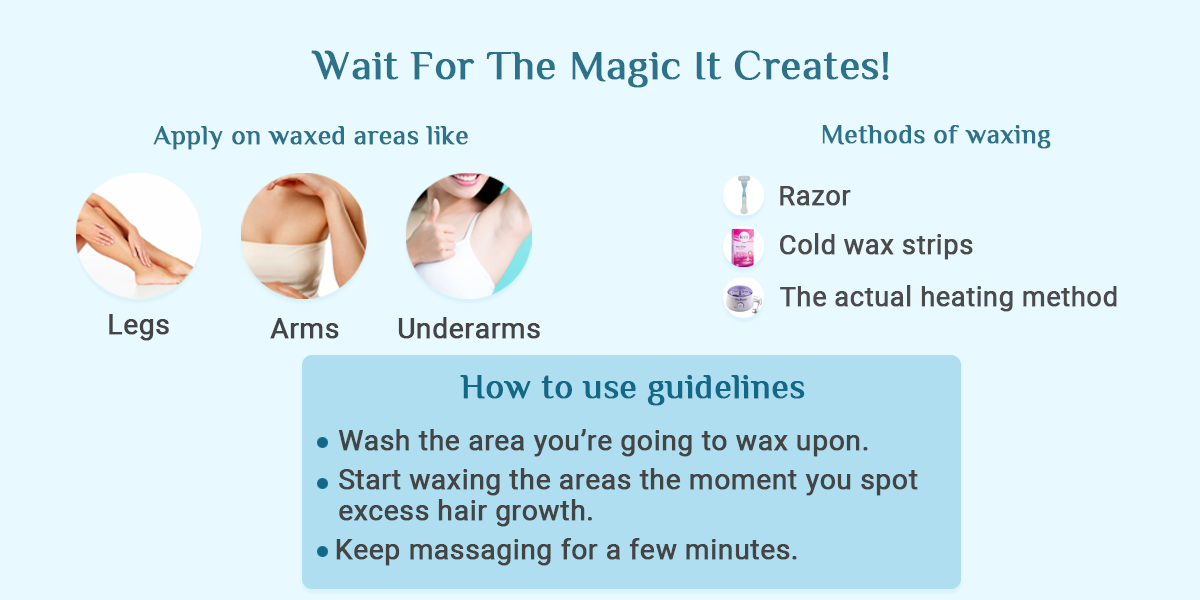
Credit: vedicline.com
Immediate Aftercare Steps
Taking care of your skin right after waxing is very important. The skin is sensitive and needs gentle treatment. Following these immediate aftercare steps helps reduce redness and irritation. It also keeps your skin smooth and healthy.
Cleanse Gently
Use a mild cleanser with cool water to wash the waxed area. Avoid hot water, harsh soaps, or scrubbing. Pat the skin dry with a soft towel. This removes dirt without causing extra irritation.
Apply Soothing Lotion
Choose a lotion made for sensitive skin. Aloe vera or chamomile lotions work well. Apply a thin layer to calm and hydrate the skin. This helps reduce redness and prevents dryness.
Avoid Touching The Area
Keep your hands away from the waxed skin. Touching can transfer bacteria and cause infections. Also, avoid scratching or picking at the area. Let your skin heal naturally.

Credit: www.susannekaufmann.com
Managing Redness And Irritation
After waxing, the skin often feels red and irritated. This is normal because waxing pulls hair out from the root. Managing this redness and irritation helps the skin heal faster. It also keeps the skin comfortable and smooth.
Use Cold Compresses
Cold compresses calm the skin immediately. They reduce swelling and redness by shrinking blood vessels. Apply a clean, cold cloth or ice pack wrapped in a towel. Use it for 10-15 minutes at a time. Avoid putting ice directly on the skin to prevent damage.
Try Natural Remedies
Natural remedies soothe the skin gently. Aloe vera gel cools and moisturizes irritated skin. Coconut oil helps reduce inflammation and hydrates deeply. Green tea bags, cooled and placed on the skin, can also calm redness. These remedies work well for sensitive skin types.
Choose Anti-inflammatory Products
Anti-inflammatory creams or gels ease discomfort after waxing. Look for products with ingredients like chamomile or calendula. These help reduce redness and itching. Avoid products with alcohol or strong fragrances. They can worsen irritation and dry out the skin.
Preventing Ingrown Hairs
Ingrown hairs can cause discomfort and spoil smooth skin after waxing. They happen when hair curls back into the skin. This leads to bumps, redness, and sometimes infection. Preventing ingrown hairs keeps skin healthy and looking great. Follow these simple steps to reduce their chance.
Exfoliate Regularly
Exfoliation removes dead skin cells that block hair growth. Use a gentle scrub or exfoliating glove two to three times a week. This helps hair grow out straight and not curl under the skin. Avoid harsh scrubs that can irritate sensitive skin after waxing.
Moisturize Daily
Moisturizing softens skin and prevents dryness. Dry skin can trap hairs under the surface. Choose a lotion with soothing ingredients like aloe or chamomile. Apply it every day, especially after showering, to keep skin smooth and hydrated.
Wear Loose Clothing
Tight clothes can press hair back into the skin. Choose loose, breathable fabrics after waxing. This reduces friction and irritation. Loose clothing helps skin heal faster and lowers the risk of ingrown hairs.
Sun Protection After Waxing
After waxing, your skin becomes very sensitive. It needs extra care from the sun. The skin is open and can burn easily. Protecting your skin helps avoid redness and irritation. Follow these simple steps for sun protection after waxing.
Avoid Direct Sunlight
Stay out of direct sunlight for at least 24 to 48 hours after waxing. The skin is delicate and more likely to get sunburned. Try to stay indoors or in the shade during peak sun hours. This reduces the risk of pain and damage.
Apply Broad-spectrum Sunscreen
Use a broad-spectrum sunscreen with at least SPF 30. Apply it gently on the waxed area before going outside. Reapply sunscreen every two hours or after swimming or sweating. This protects your skin from harmful UVA and UVB rays.
Wear Protective Clothing
Wear loose, light clothing that covers the waxed skin. Clothes act as a barrier against the sun’s rays. Hats and sunglasses help protect your face and eyes. Choose breathable fabrics to keep your skin cool and comfortable.
Long-term Skin Care Tips
Taking care of your skin after waxing is important for smooth, healthy skin. Long-term care helps avoid irritation, bumps, and dryness. It also keeps your skin soft and glowing over time. Follow simple tips to protect your skin after each waxing session.
Maintain A Consistent Routine
Create a daily skin care routine that soothes and protects your skin. Use gentle cleansers and moisturizers to keep the skin hydrated. Avoid harsh scrubs or products with strong chemicals. Clean and moisturize your skin twice a day for best results.
Exfoliate the skin gently two times a week. This removes dead skin cells and prevents ingrown hairs. Use a soft exfoliating scrub or brush made for sensitive skin. Consistency in care helps your skin recover faster and stay smooth.
Choose The Right Products
Select skin care products made for sensitive or post-waxing skin. Look for ingredients like aloe vera, chamomile, or tea tree oil. These ingredients calm inflammation and reduce redness. Avoid products with alcohol, fragrance, or harsh chemicals that cause irritation.
Use sunscreen daily to protect your skin from sun damage. Waxed skin is more sensitive to UV rays. A broad-spectrum sunscreen with SPF 30 or higher works best. Protecting your skin helps maintain its tone and health over time.
Schedule Regular Waxing Sessions
Keep a regular waxing schedule to prevent skin issues. Frequent waxing weakens hair growth and makes skin smoother. Wait at least three to four weeks between sessions. This gives your skin time to heal and hair to grow evenly.
Regular waxing reduces irritation and ingrown hairs. It also helps your skin adjust to the process. Stick to your schedule for long-lasting smooth skin and fewer problems.
When To Seek Professional Help
Knowing when to seek professional help after waxing is important. Waxing can cause skin issues that need expert care. Early action can prevent serious problems. Watch your skin closely after waxing.
Signs Of Infection
Redness that spreads beyond the waxed area is a warning. Swelling and warmth at the site may signal infection. Pus or unusual discharge is another clear sign. Fever with skin changes needs urgent attention. Do not ignore these symptoms. A doctor can provide the right treatment.
Persistent Irritation
It is normal to feel some redness and itch after waxing. But if irritation lasts more than a few days, get help. Constant burning or pain is not normal. Skin that peels or cracks needs care from a skin expert. Persistent irritation can lead to more damage.
Allergic Reactions
Allergic reactions can appear as rashes or hives. Swelling of the face or lips is serious. Difficulty breathing requires immediate medical attention. Itching that spreads beyond the waxed area should be checked. Allergies need proper diagnosis and treatment.

Credit: www.pullandpluck.com
Frequently Asked Questions
How Soon Can I Shower After Waxing?
You should wait at least 24 hours before showering. This prevents irritation and infection. Use lukewarm water and avoid scrubbing the waxed area.
What Products Soothe Skin After Waxing?
Use aloe vera gel or a cold compress to reduce redness. Avoid scented lotions and harsh chemicals. Moisturizers with calming ingredients help heal the skin quickly.
Can I Exfoliate My Skin After Waxing?
Avoid exfoliating for 48 to 72 hours post-waxing. Exfoliation can irritate sensitive skin. After this period, gentle exfoliation helps prevent ingrown hairs and keeps skin smooth.
How To Prevent Ingrown Hairs After Waxing?
Keep the skin clean and moisturized. Exfoliate gently after 3 days. Avoid tight clothing and shaving between waxing sessions to reduce ingrown hair risks.
Conclusion
Taking care of your skin after waxing helps it heal faster. Keep the area clean and avoid tight clothes. Use gentle moisturizers to soothe and protect your skin. Avoid direct sun and hot water for a day or two. Remember, good aftercare reduces irritation and keeps skin smooth.
Small steps make a big difference in your skin’s health. Stay consistent and patient for the best results. Your skin will thank you with a soft, glowing look.