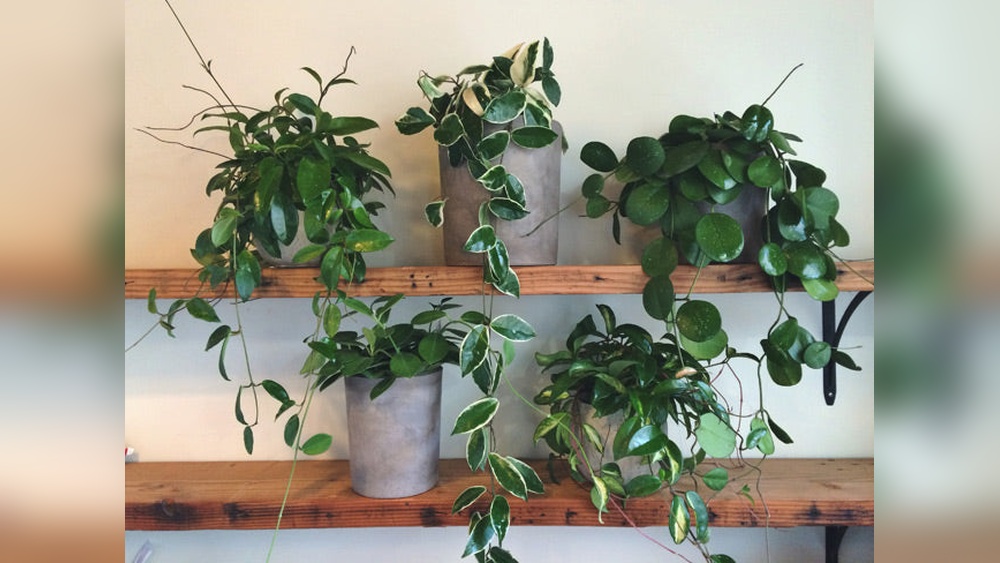
Are you looking to keep your wax plant healthy and thriving? Taking care of a wax plant may seem simple, but there are key steps you need to follow to ensure it grows strong and beautiful.
In this guide, you’ll discover easy tips that anyone can apply, even if you’re new to plant care. By the end, you’ll feel confident nurturing your wax plant so it becomes a stunning part of your home. Keep reading to unlock the secrets that will help your plant flourish!
:strip_icc()/BHG-Hoya-plant--DvQ805j_Kml8HgbX09tjA0-cc1e13b579e64d43af60ad499ade4e99.jpg)
Credit: www.bhg.com
Choosing The Right Spot
Choosing the right spot for your wax plant is key to its health. This plant needs care in where it lives inside your home. Picking a good place helps it grow strong and look beautiful. The right spot gives the plant the best chance to thrive.
Ideal Light Conditions
The wax plant prefers bright, indirect light. Avoid placing it in direct sunlight. Too much sun can burn its leaves. A spot near a window with filtered light works well. Low light can slow its growth, so find a balance.
Temperature Preferences
This plant likes warm temperatures between 65 and 80°F. Keep it away from cold areas below 60°F. Sudden temperature changes can stress the plant. Choose a spot that stays cozy and steady all day.
Avoiding Drafts And Extremes
Keep the wax plant away from cold drafts and hot air vents. These can dry out or shock the plant. Avoid places near doors or windows that open often. A calm spot helps the plant stay healthy and happy.
Watering Essentials
Proper watering is key to keeping your wax plant healthy and vibrant. It needs just the right amount of water to thrive. Too much or too little can harm its leaves and roots. Understanding how often and how much to water is essential. Watch your plant closely to catch any signs of stress early.
Frequency And Amount
Water your wax plant once the top inch of soil feels dry. Usually, this means watering every 7 to 10 days. Give enough water to moisten the soil well. Avoid soaking the soil or letting water sit in the pot. Let excess water drain out to prevent root rot.
Signs Of Overwatering
Yellowing leaves or soft, mushy stems show overwatering. The soil may smell sour or stay wet too long. Leaves can drop suddenly. Roots might start to rot if water stays trapped. Reduce watering and let the soil dry out between sessions.
Dealing With Underwatering
Wilting leaves or dry, crispy edges mean underwatering. The soil pulls away from the pot’s sides. Leaves may curl or turn brown. Increase watering frequency but avoid flooding the plant. Keep the soil evenly moist, not soggy.
Soil And Potting
Soil and potting play a big role in keeping your wax plant healthy. The right soil helps the roots grow well and get enough air. Choosing a good pot keeps the plant stable and stops water from sitting in the bottom. These steps make sure your wax plant thrives and looks great.
Best Soil Mix
Use soil that drains water quickly. A mix with peat, perlite, and sand works well. This mix holds some moisture but does not stay wet for long. Avoid heavy soils that keep water in. Good drainage stops root rot and keeps roots healthy.
Choosing The Right Pot
Pick a pot with drainage holes. This lets extra water escape easily. Choose a pot size that fits the plant roots comfortably. Too big pots hold too much water. Clay or terracotta pots are best because they breathe well. Plastic pots keep moisture longer but may cause overwatering.
Repotting Tips
Repot your wax plant every 2 to 3 years. Choose a pot one size bigger than the old one. Gently remove the plant from its old pot. Check the roots and cut off any dead parts. Add fresh soil and plant it at the same depth. Water lightly after repotting to help roots settle.
Fertilizing Schedule
Fertilizing your wax plant helps it grow healthy and strong. A good fertilizing schedule gives the plant the nutrients it needs. Knowing the right fertilizer type and feeding time keeps your plant vibrant. Avoiding too much fertilizer prevents damage and keeps roots safe.
Types Of Fertilizers
Use a balanced liquid fertilizer with equal parts nitrogen, phosphorus, and potassium. Slow-release granules also work well for wax plants. Organic options like compost tea or fish emulsion feed the plant gently. Avoid fertilizers high in nitrogen only. This can cause weak growth and fewer flowers.
When And How To Feed
Feed the wax plant every two to four weeks during spring and summer. These are the growing months. Dilute liquid fertilizer to half strength before use. Pour it into the soil, not on the leaves. Stop fertilizing in fall and winter when the plant rests. This prevents nutrient build-up and root burn.
Avoiding Over-fertilization
Too much fertilizer can harm your wax plant. Watch for yellow leaves or brown leaf tips. These signs mean overfeeding. Flush the soil with water to remove extra fertilizer. Use fertilizer less often if the plant shows stress. Balance is key to a healthy wax plant.
Pruning And Maintenance
Pruning and maintenance are key to keeping your wax plant healthy and attractive. Regular care helps the plant grow strong and look neat. It also prevents diseases and removes old, unhealthy parts.
Trimming For Shape
Trim your wax plant to control its size and shape. Use clean scissors or pruning shears for best results. Cut just above a leaf node to encourage new growth. Keep the plant balanced by trimming uneven branches. This keeps your plant looking tidy and full.
Removing Dead Leaves
Check your wax plant for dead or yellow leaves often. Removing these leaves improves the plant’s health. Dead leaves can attract pests or cause disease. Gently pull or cut off dead leaves at the base. This simple step keeps your plant fresh and clean.
Encouraging Growth
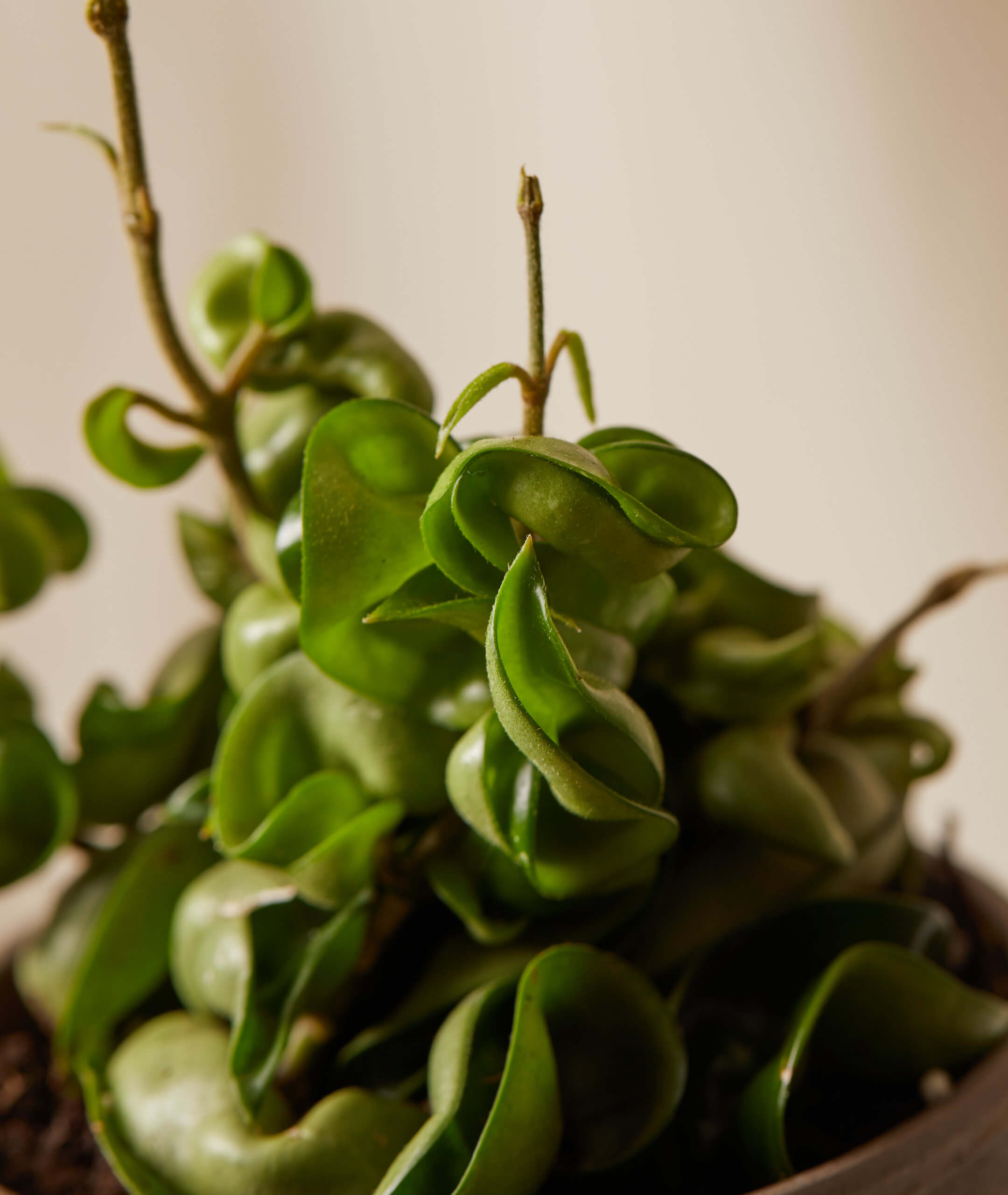
Prune your wax plant regularly to boost new growth. Cutting back older stems helps the plant produce new shoots. This makes the plant bushier and more vibrant. Avoid cutting too much at once to prevent stress. Healthy pruning supports strong and steady growth.
Credit: bloomscape.com
Pest And Disease Control
Keeping your wax plant healthy means fighting pests and diseases early. These problems can hurt the leaves and slow growth. Watch your plant often to catch issues fast. Clean leaves and good air help stop many problems.
Common Pests To Watch
Spider mites leave tiny webs and spots on leaves. Mealybugs look like small white cotton balls. Scale insects attach to stems and leaves like small bumps. Aphids gather in groups on new growth. All these pests suck sap and weaken the plant.
Natural Remedies
Spray leaves with water to wash off pests. Use a mix of mild soap and water for cleaning. Neem oil works well to control many insects. Rubbing alcohol on a cotton swab removes bugs by hand. Keep plant area clean and remove dead leaves to reduce pests.
When To Use Chemicals
Use chemicals only if natural methods fail. Choose insecticides made for houseplants and follow directions. Avoid overusing chemicals to protect your plant and home. Test a small leaf before full spray to check for damage. Stop use if leaves show signs of stress.
Propagation Methods
Propagation helps you grow new wax plants from an existing one. It is an easy way to increase your plant collection. You can use different parts of the plant for propagation. This section explains simple methods to propagate wax plants at home.
Stem Cuttings
Cut a healthy stem about 4-6 inches long. Remove leaves from the lower half of the stem. Place the cutting in water or moist soil. Keep it in a warm, bright place but out of direct sun. Roots usually form within a few weeks. Once roots grow strong, plant the cutting in a pot.
Leaf Cuttings
Select a mature leaf with a short stem. Cut the leaf cleanly near the base. Insert the leaf stem into moist potting mix. Cover the pot with plastic to keep humidity high. Place it in indirect light and keep the soil moist. New plants will start growing from the base of the leaf.
Best Time To Propagate
Spring and early summer are best for propagation. The plant grows actively during these seasons. This helps cuttings root faster. Avoid propagating in cold or dark months. Proper timing improves success and plant health.
Credit: greg.app
Seasonal Care Tips
Seasonal care is key for a healthy wax plant throughout the year. Each season brings different needs. Adjusting care helps your plant thrive and stay beautiful.
Understanding these changes keeps your wax plant strong and vibrant. Follow simple steps for every season.
Adjusting Watering In Winter
Wax plants need less water in winter. Their growth slows down during colder months. Water only when the top inch of soil feels dry. Avoid overwatering to prevent root rot. Use room temperature water to avoid shock.
Protecting From Cold
Keep your wax plant away from cold drafts. Temperatures below 50°F can harm it. Place the plant in a warm spot, but not near heaters. Use a protective cover if needed. Avoid sudden temperature changes to reduce stress.
Encouraging Blooming In Spring
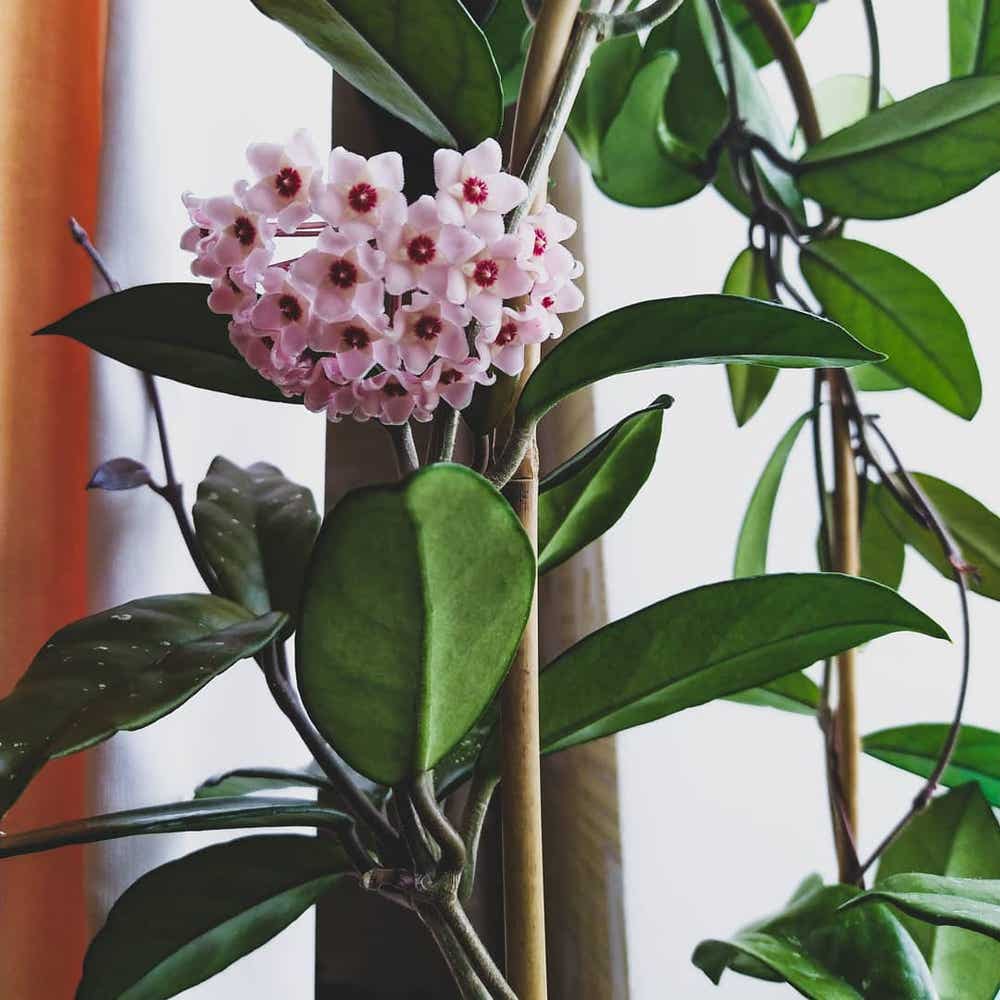
Spring is the blooming time for wax plants. Increase watering slightly as growth resumes. Provide bright, indirect light for better flowers. Fertilize monthly with a balanced plant food. Prune old stems to encourage new blooms.
Frequently Asked Questions
How Often Should I Water My Wax Plant?
Water your wax plant when the top inch of soil feels dry. Avoid overwatering as it causes root rot. Typically, watering every 1-2 weeks works well. Adjust frequency based on indoor humidity and temperature to keep the plant healthy and thriving.
What Type Of Light Is Best For Wax Plants?
Wax plants thrive in bright, indirect sunlight. Avoid direct sun as it can scorch the leaves. Low light can slow growth but is tolerable. Place your plant near a north or east-facing window for optimal light exposure.
How Do I Prune A Wax Plant Properly?
Prune wax plants by trimming leggy or dead stems. Use clean, sharp scissors to encourage bushier growth. Pruning helps maintain shape and promotes healthy new leaves. Do this in spring or early summer for best results.
What Soil Is Ideal For Wax Plants?
Use well-draining, loamy soil mixed with peat moss or perlite. Good drainage prevents waterlogging and root rot. A cactus or succulent mix also works well. Ensure the pot has drainage holes to keep the roots healthy.
Conclusion
Caring for your wax plant keeps it healthy and growing strong. Water it just enough to keep the soil moist, not wet. Place it where it gets bright, indirect light daily. Prune dead or yellow leaves to encourage new growth.
Watch for pests and treat them early. With simple steps, your wax plant will stay beautiful. Enjoy the fresh look it brings to your space. Small efforts make a big difference in plant care. Keep learning and adapting to your plant’s needs.
Your wax plant will thrive with your attention.