
If you have a waxed amaryllis, you already know how stunning it looks with its vibrant blooms and glossy leaves. But do you know the secret to keeping it healthy and beautiful for a long time?
Taking care of your waxed amaryllis doesn’t have to be hard. With a few simple steps, you can enjoy its bright colors and fresh feel all season. Keep reading, and you’ll discover easy tips that make your plant thrive—and make you proud of your green thumb.
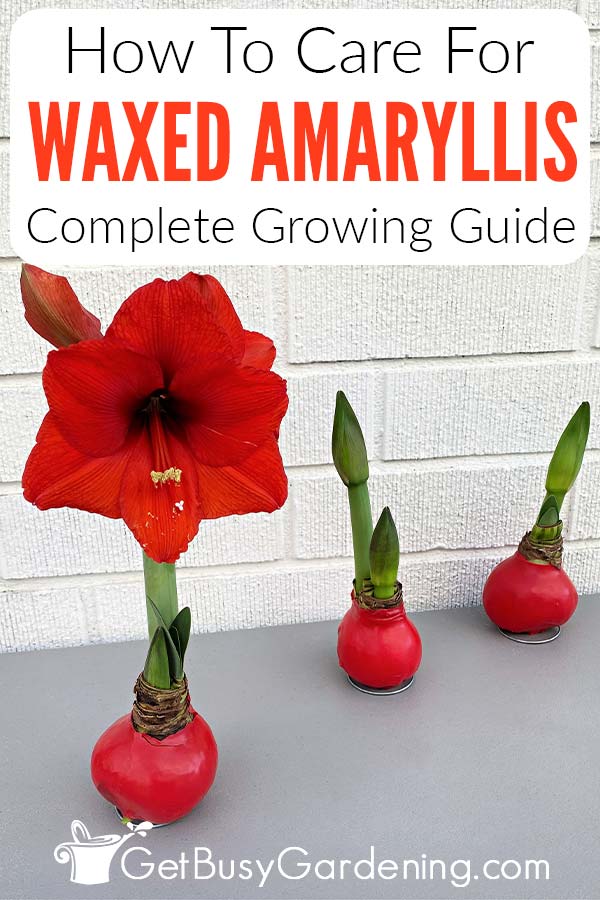
Credit: getbusygardening.com
Choosing The Right Waxed Amaryllis
Choosing the right waxed amaryllis is important for its growth and beauty. A healthy bulb and good wax coating help the plant last longer. Select bulbs that have the best chance to bloom well. Check the wax carefully to protect the bulb and keep it fresh.
Selecting Healthy Bulbs
Pick bulbs that feel firm and heavy. Soft or shriveled bulbs may not grow properly. Look for bulbs without cracks or mold. The skin should be smooth and clean. Healthy bulbs give strong stems and bright flowers.
Spotting Quality Wax Coating
Good wax coating covers the entire bulb evenly. It should feel smooth and not sticky. Avoid bulbs with patchy or peeling wax. The coating keeps moisture in and stops damage. A solid wax layer helps the bulb stay fresh longer.
Ideal Placement For Waxed Amaryllis
Finding the right spot for your waxed amaryllis helps it stay healthy and beautiful. The ideal placement balances light and temperature to keep the flower vibrant. Proper care begins with understanding these simple needs. This section explains the best light and temperature conditions for waxed amaryllis.
Light Requirements
Waxed amaryllis thrives in bright, indirect light. Direct sunlight can cause the wax to melt or fade. A north or east-facing window is perfect. Too little light makes the leaves droop and colors dull. Rotate the plant every few days for even light exposure.
Temperature Preferences
The ideal temperature for waxed amaryllis is between 60°F and 75°F (15°C to 24°C). Avoid placing it near heaters or air conditioners. Sudden temperature changes stress the plant. Keep it away from drafts and cold windows during winter. A stable room temperature helps the flower last longer.
Watering Techniques
Watering waxed amaryllis is simple but needs care. Proper watering keeps the plant healthy and blooming. Too much or too little water harms the plant. Learning when and how much to water helps your amaryllis thrive.
When To Water
Check the soil before watering. The top inch should feel dry. Water only if the soil is dry. Watering too often can cause root rot. In winter, water less often. The plant grows slower then and needs less water.
How Much Water To Use
Use enough water to moisten the soil well. Water until it starts to drain from the pot’s bottom. Avoid letting the plant sit in water. Empty the saucer after watering. This prevents water from damaging the roots.

Credit: www.youtube.com
Maintaining Humidity And Air Circulation
Maintaining the right humidity and air circulation is key for waxed amaryllis care. These factors help the plant stay healthy and vibrant. Proper humidity keeps the wax coating intact. Good air flow prevents damage and disease.
Balancing Moisture Levels
Waxed amaryllis needs balanced moisture. Too much humidity makes the plant wet. Too little dries it out. Aim for moderate humidity around 40-60%. Use a spray bottle to mist the leaves lightly. Avoid soaking the wax. Keep soil slightly moist but not soggy.
Avoiding Mold And Mildew
Stagnant air causes mold and mildew on amaryllis. Place the plant in a spot with gentle air flow. Open windows or use a small fan nearby. Remove any dead leaves to stop decay. Check the plant regularly for spots or fuzz. Act fast if mold appears to protect your plant.
Feeding And Fertilizing Tips
Feeding and fertilizing waxed amaryllis plants helps them grow strong and bloom beautifully. Proper nutrition supports healthy leaves and vibrant flowers. It also keeps the plant energized through its growth cycle.
Choosing the right fertilizer is essential. The fertilizer should provide key nutrients like nitrogen, phosphorus, and potassium. These elements help the plant develop roots, leaves, and flowers. A balanced fertilizer with equal parts of these nutrients works well for waxed amaryllis.
Choosing The Right Fertilizer
Use a water-soluble fertilizer with a balanced N-P-K ratio, such as 10-10-10. This ratio means equal amounts of nitrogen, phosphorus, and potassium. Avoid fertilizers with too much nitrogen, which can cause excessive leaf growth but fewer flowers.
Organic fertilizers are a good choice. They release nutrients slowly and improve soil health. Compost or fish emulsion can support steady plant growth.
Feeding Schedule
Feed the waxed amaryllis every two to four weeks during active growth. Apply the fertilizer when the plant shows new leaves or flower stalks. Stop feeding when the plant goes dormant.
Always follow the instructions on the fertilizer package. Use half the recommended strength to avoid overfeeding. Too much fertilizer can harm the plant.
Pruning And Deadheading
Pruning and deadheading are important for waxed amaryllis care. These steps help keep your plant healthy and encourage new blooms. Removing old flowers and trimming leaves also improve the plant’s appearance. Regular pruning stops the plant from wasting energy on dying parts. This way, your waxed amaryllis stays vibrant and strong longer.
Removing Spent Flowers
Cut off flowers that have wilted or turned brown. Use clean scissors or pruning shears. Cut the flower stem near its base but avoid harming the main stem. Removing spent flowers helps the plant focus on growing new buds. It also prevents diseases from spreading to healthy parts. Check your plant every few days to remove dead blooms.
Trimming Leaves
Trim leaves that look yellow, brown, or damaged. These leaves no longer help the plant grow. Cut them close to the base without hurting green leaves. Healthy leaves gather sunlight for the plant’s energy. Trimming dead leaves improves air circulation and keeps the plant tidy. This simple step supports stronger growth and better flowers.
Handling Common Problems
Waxed amaryllis plants are beautiful but need care to stay healthy. Problems can appear even with good care. Knowing how to handle common issues helps keep your plant vibrant. Problems like pests or leaf changes can hurt your amaryllis. Acting fast helps your plant recover and grow well again.
Pest Control Strategies
Pests like aphids or spider mites may attack waxed amaryllis. They suck sap and weaken the plant. Check leaves and stems often for tiny bugs or webs. Use a soft cloth or water spray to remove pests. Insecticidal soap is safe and effective for small infestations. Avoid harsh chemicals that can damage your plant. Keep the area clean and remove dead leaves. Healthy plants resist pests better than weak ones.
Dealing With Wilting Or Yellowing
Wilting or yellow leaves signal stress in waxed amaryllis. Overwatering is a common cause. Make sure the soil drains well and is not soggy. Too little water can also cause leaves to droop. Check the light; too much or too little can harm leaves. Yellow leaves may mean nutrient deficiency. Use a balanced fertilizer every few weeks. Remove yellow or dead leaves to improve plant health. Proper care helps your amaryllis stay green and strong.

Credit: yardandgarden.extension.iastate.edu
Preparing For Dormancy
Preparing your waxed amaryllis for dormancy is key for its health and future blooms. This phase lets the bulb rest and gather strength. Proper care now helps the plant come back strong next season.
Understanding the signs of dormancy and how to store the bulbs properly will make this process smooth. Follow these simple steps to protect your amaryllis during its quiet period.
Signs Of Dormancy
The leaves start to yellow and dry out. Growth slows down and stops. The flower stalk will wither and die back. The bulb feels firm but not soft. These are clear signals your amaryllis is entering dormancy.
Storing The Bulbs
Cut back dead leaves but leave some near the bulb. Keep bulbs in a cool, dry place with good air flow. Ideal temperature is between 50 and 60 degrees Fahrenheit. Avoid direct sunlight during storage. Check bulbs regularly for mold or soft spots. Store bulbs in paper bags or mesh sacks to prevent moisture build-up.
Frequently Asked Questions
How Often Should I Water Waxed Amaryllis Plants?
Water waxed amaryllis sparingly, about once every 1-2 weeks. Avoid overwatering to prevent root rot. Check soil moisture before watering.
Can Waxed Amaryllis Survive In Low Light?
Waxed amaryllis prefers bright, indirect light. It can tolerate low light briefly but blooms best with ample light.
How Do I Maintain Wax On Amaryllis Flowers?
Keep waxed amaryllis flowers away from heat and direct sun. Avoid touching the wax coating to preserve its shine.
When Is The Best Time To Repot Waxed Amaryllis?
Repot waxed amaryllis after blooming, usually in spring. Use well-draining soil and a pot slightly larger than the bulb.
Conclusion
Taking care of waxed amaryllis is simple and rewarding. Keep it in bright, indirect light and water it just enough. Avoid overwatering to prevent root problems. Trim dead leaves to keep the plant healthy. Watch for pests and treat them quickly.
With regular care, your waxed amaryllis will stay beautiful longer. Enjoy its bright colors and fresh look inside your home. Small efforts bring big rewards in plant care. Try these easy steps and see the difference yourself.


