

If you have a yellow belly slider turtle or are thinking about getting one, you probably want to know how to keep it healthy and happy. These turtles are fascinating pets, but they need proper care to thrive.
You might wonder what to feed them, how to set up their tank, or how to spot if they’re feeling unwell. This guide will give you simple, clear tips that make taking care of your yellow belly slider easy and rewarding.
Keep reading to discover everything you need to know to become the best turtle owner you can be.
Choosing The Right Habitat
Choosing the right habitat is key to keeping your Yellow Belly Slider turtle happy and healthy. This turtle needs a space that feels like its natural home. The habitat must offer clean water, a dry area to rest, and enough room to swim freely. Setting up this space properly helps your turtle thrive and stay active.
Tank Size And Setup
Start with a large tank to give your turtle space to move. A 40-gallon tank is the smallest for one adult Yellow Belly Slider. Bigger tanks are better if you have more than one turtle. Use a sturdy glass or acrylic tank. Add smooth rocks or gravel to the bottom. Avoid sharp objects that can hurt your turtle.
Water Quality And Filtration
Clean water is very important. Use a good filter to keep the water clear and free of waste. Change part of the water every week to keep it fresh. The water should be warm, around 75-80°F (24-27°C). Test the water regularly for pH and ammonia levels. This helps prevent illness.
Basking Area Essentials
Your turtle needs a dry spot to rest and warm up. Provide a flat platform or rock that stays above water. Use a heat lamp to keep the basking area around 85-90°F (29-32°C). Add a UVB light to help your turtle make vitamin D. This keeps its shell strong and healthy.
Feeding Your Yellow Belly Slider
Feeding your Yellow Belly Slider is a key part of its care. Proper nutrition keeps your turtle healthy and active. Understanding what to feed and how often helps your pet thrive.
Diet Basics
Yellow Belly Sliders are omnivores. They eat both plants and animal protein. Offer commercial turtle pellets as a main food. These pellets provide balanced nutrition. Supplement with live or frozen insects like crickets and mealworms. Fish and cooked shrimp work well too. Avoid feeding processed human food or bread. These can harm your turtle’s health.
Supplementing With Vegetables
Vegetables add important vitamins and fiber. Dark leafy greens like kale, collard greens, and dandelion leaves are ideal. You can also feed small amounts of shredded carrots and squash. Avoid iceberg lettuce because it has little nutrition. Chop vegetables into small pieces for easy eating. Rotate different veggies to keep meals interesting.
Feeding Schedule Tips
Feed young turtles once or twice daily. Young sliders need more protein for growth. Adult turtles eat every two to three days. Overfeeding can cause obesity and shell problems. Remove uneaten food after 15 minutes. Clean the tank regularly to prevent bacteria build-up. Watch your turtle’s appetite and adjust feeding times accordingly.
Maintaining Water Temperature
Maintaining the right water temperature is key for Yellow Belly Slider turtles. It helps keep them healthy and active. The right temperature supports their digestion and immune system. Too cold or too hot water can stress the turtle and cause illness. Understanding how to control and monitor water temperature is a must for every turtle owner.
Ideal Water Temperature Range
Yellow Belly Sliders need water between 75°F and 85°F. This range keeps their body working well. Young turtles prefer water closer to 80°F. Adult turtles can tolerate a slightly cooler range. Water below 70°F can slow their metabolism. Water above 86°F may cause overheating.
Heating Equipment Options
Use an aquarium heater designed for turtles. Submersible heaters work well in tanks. They warm water evenly and safely. Some heaters have built-in thermostats for control. Heat lamps above the tank also help. They warm the basking area but not the water. Choose equipment that fits your tank size.
Monitoring Temperature Consistently
Check water temperature daily with a reliable thermometer. Digital thermometers give quick and accurate readings. Place the thermometer where the turtle swims most. Avoid placing it near the heater only. Keep a log to notice temperature changes over time. Regular checks prevent sudden temperature drops or spikes.
Lighting And Uvb Needs
Proper lighting and UVB exposure are essential for yellow belly slider turtles. These turtles rely on UVB light to stay healthy and grow strong. Without the right lighting, they can develop health problems like weak shells and poor bone growth.
Importance Of Uvb Lighting
UVB lighting helps turtles produce vitamin D3. This vitamin is key for calcium absorption. Calcium keeps their shells hard and bones strong. Lack of UVB can cause metabolic bone disease. This disease weakens their shell and bones. Turtles also need UVB for normal behavior and appetite.
Choosing The Right Bulbs
Select bulbs made specifically for reptiles or turtles. Look for bulbs that emit UVB rays between 290 and 320 nanometers. Fluorescent tubes or compact fluorescent bulbs work well. Avoid bulbs that only produce heat or visible light. Replace UVB bulbs every 6 to 12 months, as their output fades over time.
Lighting Duration Guidelines
Turtles need about 10 to 12 hours of UVB light daily. Use a timer to keep a consistent schedule. Turn off lights at night to mimic natural day and night cycles. Proper lighting duration supports turtle health and natural behavior. Too much light can stress the turtle, so balance is important.
Health And Hygiene Care
Taking care of your Yellow Belly Slider turtle’s health and hygiene is very important. Healthy turtles live longer and stay active. Good care helps prevent illnesses and keeps their shell and skin strong.
Clean water and a tidy tank reduce harmful bacteria and infections. Watching your turtle closely helps catch health problems early. Stress can weaken your turtle’s immune system. Gentle handling and a calm environment improve their well-being.
Recognizing Common Illnesses
Look for signs like swollen eyes, slow movement, or loss of appetite. White spots or shell cracks may show shell rot. Breathing problems or wheezing can mean respiratory infection. Early detection helps your turtle get treatment fast. Consult a vet if you see unusual behavior or wounds.
Cleaning The Tank Regularly
Change the water at least once a week to keep it fresh. Remove leftover food and waste daily to stop bacteria growth. Use a safe water conditioner to remove chlorine. Clean filters and decorations often to avoid dirt buildup. A clean tank gives your turtle a healthy home.
Handling And Stress Reduction
Hold your turtle gently and avoid sudden moves. Limit handling time to reduce stress. Keep the tank in a quiet place away from loud noises. Provide hiding spots so your turtle feels safe. Calm turtles stay healthier and enjoy their environment more.
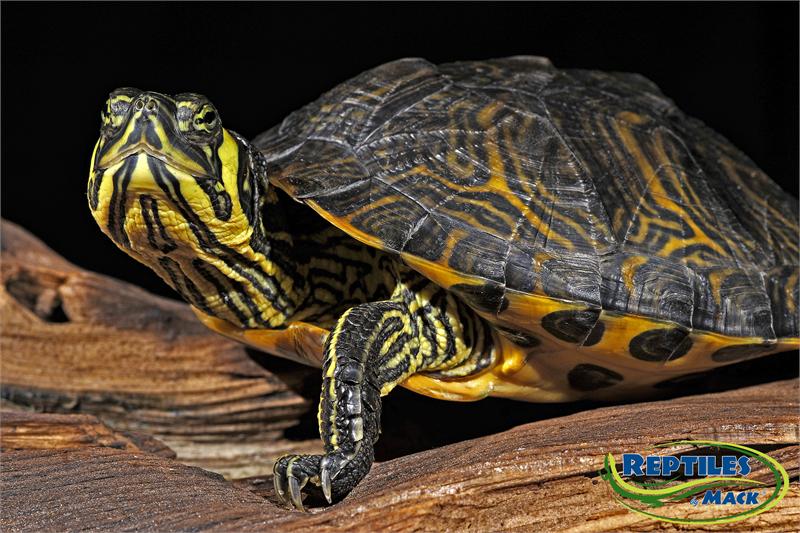
Credit: reptilesbymack.com
Behavior And Social Interaction
Yellow belly slider turtles show unique behaviors and social traits. Understanding these can help you care for them better. Their actions reflect their mood, health, and environment. Watching their behavior helps you know when they are happy or stressed.
Typical Turtle Behaviors
Yellow belly sliders love basking under heat lamps or sunlight. They stretch their legs and neck to soak up warmth. They swim actively but rest quietly on rocks or logs. These turtles often hide in water plants when scared. You may see them snap gently when curious or alert.
Interacting Safely
Handle your turtle gently and avoid sudden moves. Wash hands before and after touching to prevent germs. Let the turtle come to you instead of chasing it. Avoid picking them up too often; it causes stress. Talk softly near your turtle to keep it calm.
Compatibility With Other Pets
Yellow belly sliders usually do not get along with other pets. Dogs and cats may scare or harm them. Keep turtles away from aggressive animals to avoid injuries. Avoid mixing different turtle species in one tank. Each turtle needs its own space to feel safe.
Breeding And Lifespan Tips
Breeding yellow belly slider turtles requires careful attention and the right environment. Understanding their needs helps increase the chances of successful breeding. It also ensures the health of both adults and hatchlings. Lifespan knowledge helps owners provide proper care for many years.
Breeding Conditions
Provide a warm, sunny basking area with temperatures around 85°F. Water temperature should stay near 75°F to 80°F. Use a large tank or pond with clean water. Offer a varied diet rich in protein and vegetables. Females need a dry, soft place to lay eggs, like moist soil or sand. Mimic natural light cycles with 12 hours of light daily.
Egg Care And Incubation
After the female lays eggs, gently move them to a safe container. Keep the eggs in moist, warm soil or vermiculite. Maintain temperature between 82°F and 86°F for proper incubation. Avoid turning or shaking the eggs. Incubation lasts about 60 days. Check humidity often to prevent eggs from drying out or molding.
Lifespan Expectations
Yellow belly sliders live 20 to 30 years with good care. Proper diet and habitat extend their life. Regular cleaning and health checks prevent diseases. Provide UVB lighting to support shell and bone health. A stress-free environment helps turtles thrive longer. Lifelong commitment ensures a happy, healthy pet.

Credit: reptilesupply.com

Credit: www.youtube.com
Frequently Asked Questions
What Is The Ideal Habitat For A Yellow Belly Slider Turtle?
Yellow Belly Sliders need a spacious tank with clean water and a basking area. Provide UVB lighting and a water heater to maintain 75-85°F water temperature. Add plants and hiding spots for comfort and stimulation.
How Often Should I Feed My Yellow Belly Slider?
Feed juvenile sliders daily and adults every 2-3 days. Offer a balanced diet of commercial pellets, leafy greens, and occasional protein like insects or fish. Avoid overfeeding to prevent obesity and water pollution.
How Do I Maintain Water Quality For Yellow Belly Sliders?
Use a powerful filter and perform weekly water changes of 25-50%. Test water regularly for ammonia and nitrates. Clean the tank and remove uneaten food to prevent harmful bacteria growth.
What Are Common Health Issues In Yellow Belly Sliders?
Common problems include shell rot, respiratory infections, and vitamin deficiencies. Maintain proper temperature, UVB lighting, and diet to prevent illness. Consult a vet if you notice lethargy, swelling, or abnormal behavior.
Conclusion
Caring for Yellow Belly Slider turtles takes time and patience. Provide clean water and a balanced diet. Keep their habitat warm and safe. Watch for any signs of illness. Regular care helps them live long and happy. Enjoy watching your turtle grow and explore.
Small efforts make a big difference. Your turtle will thank you with its bright colors and active behavior. Remember, happy turtles need steady care every day.

