

Losing a loved one is hard enough without dealing with complicated paperwork. If you’re facing the task of transferring a car title after the owner’s death in Massachusetts, you might feel overwhelmed.
But don’t worry—this process doesn’t have to be confusing or stressful. You’ll find clear, step-by-step guidance on how to handle the transfer smoothly and quickly. By following these simple steps, you can avoid common mistakes and make sure the car’s ownership is properly updated.
Keep reading to learn exactly what you need to do next.
Credit: buriedinwork.com
Check Ownership Status
Checking the ownership status is the first step in transferring a car title after an owner’s death in Massachusetts. It ensures you have the correct documents and legal right to proceed. Knowing who holds the title helps avoid delays or legal issues during the transfer process.
Locate The Original Title
Start by finding the car’s original title document. This paper shows who legally owns the vehicle. The original title is usually kept with important papers or in a safe place. If the title cannot be found, you may request a duplicate from the Massachusetts Registry of Motor Vehicles (RMV).
Confirm Legal Ownership
Check the name on the title to confirm legal ownership. The deceased owner’s name should appear clearly. If the car was jointly owned, the title may list other owners. Confirming ownership helps determine who can legally transfer the title after death.
Gather Required Documents
Before transferring a car title after the owner’s death in Massachusetts, gather all needed documents. These papers prove ownership and legal rights. Collecting them early avoids delays during the transfer process.
Death Certificate
The death certificate is the first key document. It officially shows the owner has passed away. A certified copy of this certificate is required by the Massachusetts Registry of Motor Vehicles.
Request it from the town or city where the death occurred. This paper confirms the need to change the car title legally.
Will Or Probate Documents
A will shows who inherits the car if one exists. If no will is available, probate documents help identify rightful heirs. Probate is the legal process that manages the deceased’s estate.
Submit these papers to prove who can claim the car title. The Massachusetts RMV requires proof of legal ownership before transfer.
Identification Of Heirs
Heirs must provide valid identification to transfer the title. Acceptable IDs include a driver’s license or state ID card. This step ensures the car goes to the correct person.
All heirs should be ready to show their ID when submitting documents. This keeps the process smooth and official.
Contact Massachusetts Rmv
After the owner of a car passes away, transferring the car title requires contacting the Massachusetts Registry of Motor Vehicles (RMV). The RMV handles all vehicle title transfers in the state. You must follow their rules carefully to avoid delays.
Getting in touch with the RMV early helps you understand the documents needed. It also allows you to schedule the next steps smoothly. The RMV staff can guide you through the process and answer your questions.
Find Local Rmv Office
Start by finding the RMV office closest to you. Massachusetts has many offices in different cities. Visit the official RMV website to see a list of locations. Choose the office that is easiest for you to visit.
Check the office hours before you go. Some offices close early or may be closed on certain days. Knowing the hours saves you time and makes your visit easier.
Schedule An Appointment
The RMV often requires appointments for title transfers. Scheduling an appointment avoids long wait times. You can book an appointment online through the RMV website.
Have your paperwork ready before the appointment. This includes the death certificate, the original car title, and any legal documents proving your right to transfer the title. Being prepared helps the process go smoothly and quickly.
Complete Title Transfer Forms
Completing the right forms is key to transferring a car title after the owner’s death in Massachusetts. These forms prove your legal right to the vehicle. They also help the Registry of Motor Vehicles (RMV) update the title properly. Getting the paperwork right can save time and avoid delays.
Two important forms you must complete are the Application for Title and the Affidavit of Heirship. Each form has specific information needed. Filling them out carefully is important for a smooth transfer process.
Fill Out Application For Title
The Application for Title form officially requests the RMV to change the car’s title. Provide the vehicle’s details like make, model, and VIN (Vehicle Identification Number). Include your information as the new owner. If the title is lost, indicate this on the form. Sign the application before submitting it to the RMV.
Affidavit Of Heirship
The Affidavit of Heirship shows who inherits the vehicle. It lists the deceased owner’s family members or heirs. This form must be notarized to verify its authenticity. Use this affidavit to prove your right to claim the car. Attach it with the title application for faster processing.
Pay Fees And Taxes
Paying fees and taxes is a key step in transferring a car title after the owner’s death in Massachusetts. These costs cover the administrative process and any taxes due on the vehicle’s new ownership. Knowing the exact fees helps avoid delays and extra charges. Prepare the required payment to complete the transfer smoothly.
Title Transfer Fee
The Massachusetts Registry of Motor Vehicles charges a title transfer fee. This fee covers updating the vehicle’s ownership records. The current fee is usually around $75. Pay this fee at the RMV or online, if available. Keep the receipt as proof of payment for your records.
Use Tax And Other Charges
Use tax applies when a vehicle changes ownership in Massachusetts. The tax is based on the car’s value or sale price. The rate is generally 6.25%. Some transfers may be exempt, like transfers between family members. Check the RMV rules to see if you owe use tax. Other small fees might include registration or documentation charges. Budget for these to avoid surprises during the title transfer process.
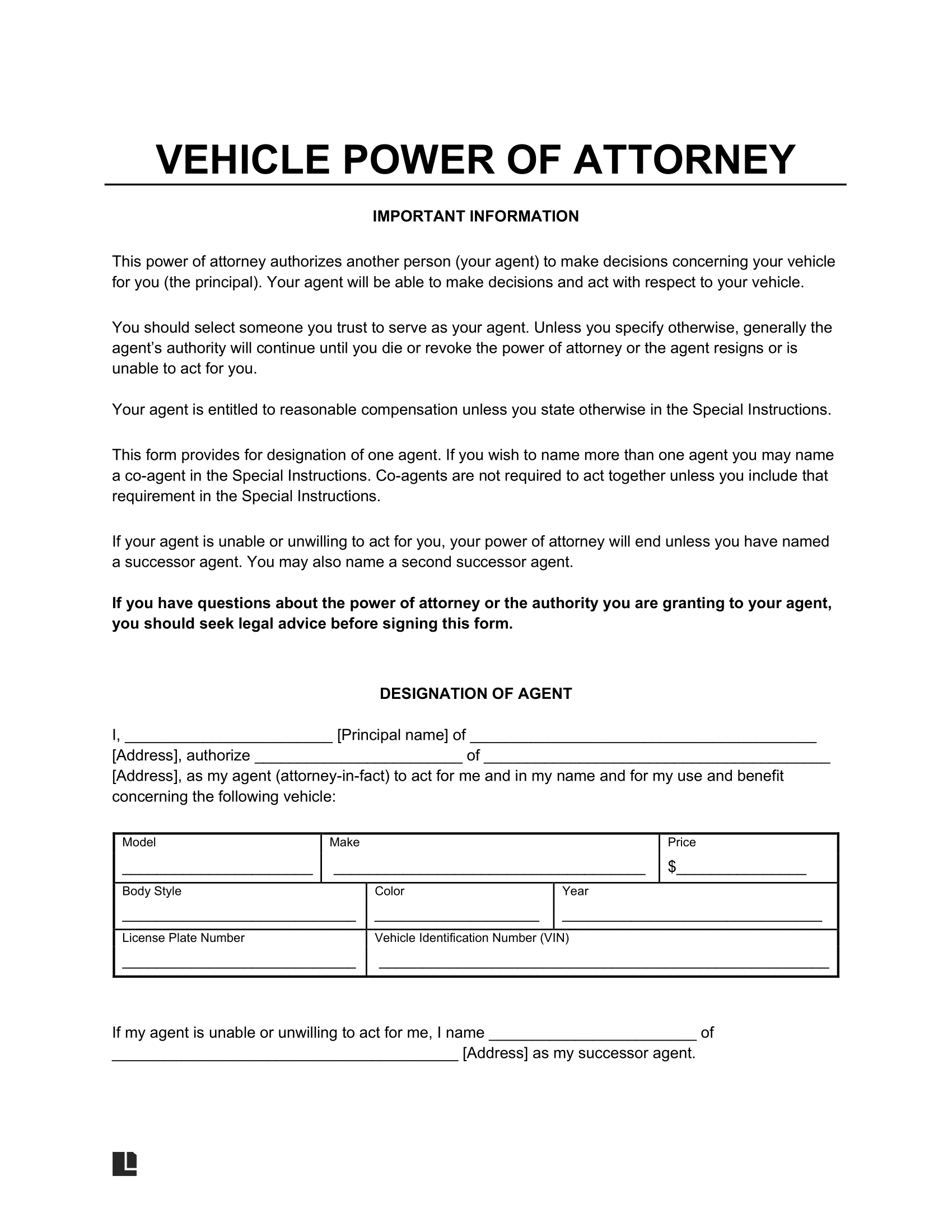
Credit: legaltemplates.net
Submit Documents To Rmv
Submitting documents to the Massachusetts Registry of Motor Vehicles (RMV) is a key step after the death of a car owner. This process transfers the car title to the rightful person. It ensures the car’s ownership is legal and clear. The RMV accepts documents both in person and by mail. Choose the option that fits your needs best.
In-person Submission
Visit an RMV office to submit your documents directly. Bring the original title, death certificate, and the application for title transfer. Staff will check your documents on the spot. They may ask for additional proof of identity. This method is fast and allows immediate questions. It helps avoid delays caused by missing papers.
Mail-in Options
Send your documents by mail to the RMV address. Include the car title, death certificate, and completed forms. Use a secure mailing service to protect your papers. Keep copies of everything for your records. Mail-in submission takes longer than in-person visits. Wait times vary, so plan ahead for processing.
Handle Special Cases
Handling special cases in car title transfers after an owner’s death in Massachusetts requires extra care. These cases may not follow the usual process. Understanding these situations helps avoid delays and legal problems.
No Will Situations
When the deceased leaves no will, the car title transfer follows state laws. The court appoints an administrator to manage the estate. This person gathers all assets, including the vehicle. They then distribute them according to Massachusetts intestacy rules. The process may take longer and needs court approval. The new owner must provide legal documents from the court to transfer the title.
Joint Ownership Transfers
Cars owned jointly with rights of survivorship pass directly to the surviving owner. The surviving owner must provide a death certificate and proof of ownership. This simplifies the transfer and avoids probate court. If joint ownership is not clear, the transfer may need court involvement. Always check the title for joint owner details before proceeding.
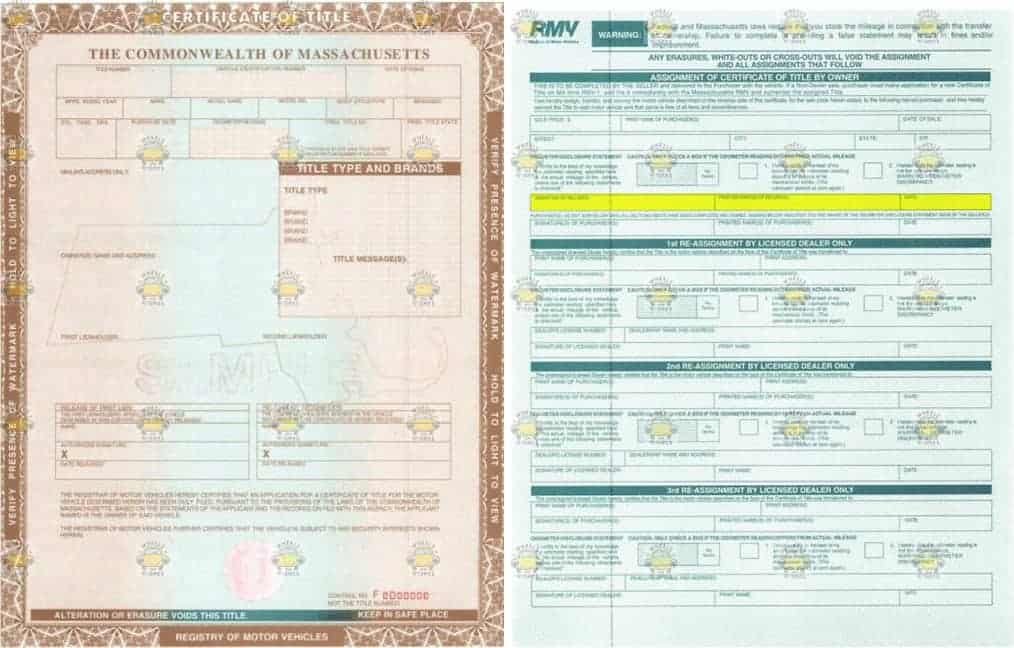
Credit: www.wheelsforwishes.org
Receive New Title
After the death of a vehicle owner in Massachusetts, obtaining a new title is crucial. It proves legal ownership has transferred to the rightful person. The process ensures the car can be sold, registered, or insured under the new owner’s name.
Receiving the new title involves submitting specific documents to the Massachusetts Registry of Motor Vehicles (RMV). These include the original title, a copy of the death certificate, and legal forms like an affidavit or probate papers. The RMV reviews these to confirm the transfer is valid.
Processing Time
The RMV usually processes title transfers within 2 to 4 weeks. Processing time depends on the completeness of the submitted documents. Incomplete paperwork can cause delays. Waiting times may increase during busy periods or due to postal delays.
Checking the RMV website or contacting them can provide updates on your application status. Planning ahead can help avoid interruptions in car use or registration.
Verify Title Accuracy
After receiving the new title, check all details carefully. Confirm the new owner’s name is spelled correctly. Ensure the vehicle identification number (VIN) matches your car. Any errors may cause problems during future transactions.
Report mistakes to the RMV immediately for correction. Keeping the title accurate protects your legal rights and prevents future disputes.
Frequently Asked Questions
How Do I Transfer A Car Title After Owner’s Death In Massachusetts?
To transfer a car title in Massachusetts after the owner dies, submit the original title, a death certificate, and a completed title application to the RMV. Include a probate court order or affidavit if required. Pay any applicable fees to finalize the transfer.
What Documents Are Needed For Car Title Transfer After Death?
You need the original car title, the owner’s death certificate, a completed title application, and proof of legal authority like a probate order or affidavit. These documents prove your right to transfer the vehicle in Massachusetts.
Can A Family Member Transfer Car Title Without Probate?
Yes, family members may transfer the title using an affidavit if the estate qualifies for summary probate or small estate procedures. This avoids full probate but still requires proper documentation and RMV approval.
How Long Does It Take To Transfer A Car Title After Death?
The transfer process typically takes 2 to 4 weeks, depending on document completeness and RMV processing times. Submitting all required paperwork promptly helps avoid delays in Massachusetts.
Conclusion
Transferring a car title after an owner’s death in Massachusetts takes clear steps. Gather all needed documents first. Visit the Registry of Motor Vehicles with the right forms. Follow the legal process carefully to avoid delays. Keep copies of everything submitted.
This helps protect your rights and speeds up the transfer. Taking action quickly makes the process smoother. Remember, patience and attention to detail matter most. The car can then be legally yours without trouble. Simple, clear steps lead to success.

