
Are you about to sell or buy a car in Minnesota? One crucial step you can’t skip is transferring the car title.
This might sound confusing or overwhelming, but it doesn’t have to be. Knowing exactly how to transfer the title of a car in MN will save you time, money, and headaches. You’ll get clear, simple instructions that guide you through every step.
By the end, you’ll feel confident handling the process smoothly and legally. Keep reading to make sure your car sale or purchase goes off without a hitch.
Title Transfer Basics
Transferring a car title in Minnesota means changing the legal ownership of the vehicle. It is an important step in buying or selling a car. Knowing the basics helps make the process smooth and quick.
This section explains when a title transfer is needed and the key documents required. Understanding these points saves time and avoids problems.
When Title Transfer Is Required
A title transfer is required after selling or buying a car. It shows who legally owns the vehicle. The title must change within 10 days of the sale in Minnesota.
Also, if you inherit a car or receive it as a gift, you must transfer the title. This keeps records updated with the state. Without transfer, you may face fines or legal issues.
Key Documents Needed
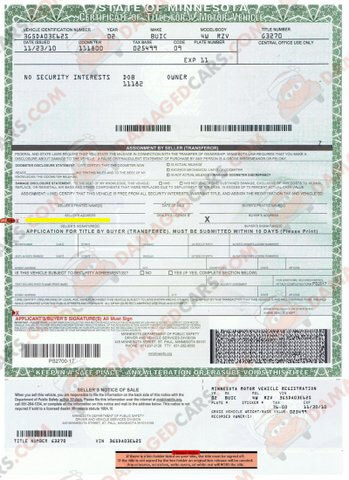
To transfer a car title, you need several documents. The original title signed by the seller is essential. Both buyer and seller must sign it correctly.
You also need a completed Application to Transfer Title form. Proof of identity, like a driver’s license, is necessary. A bill of sale may be required to prove the transaction.
Paying the title transfer fee is part of the process. Check with the Minnesota DMV for exact fees and any extra documents needed.
Credit: www.damagedcars.com
Step-by-step Process
Transferring a car title in Minnesota requires following clear steps. The process involves both the seller and the buyer completing specific tasks. Each step ensures the title changes hands legally and smoothly. Understanding these steps helps avoid delays and mistakes.
Complete The Title Application
The buyer must fill out the Application to Title a Vehicle form. This form asks for details about the car and the buyer. Make sure all information is accurate and complete. Missing or wrong information can cause problems later.
Seller’s Responsibilities
The seller must sign the title to release ownership. Provide the buyer with the original title and a bill of sale. Disclose any liens or damage to the vehicle. Submit a Notice of Sale to the DMV within 10 days.
Buyer’s Responsibilities
The buyer must pay the title transfer fee and any taxes. Submit the completed title application and the signed title. Provide proof of insurance and identification. Register the vehicle in their name to complete the process.
Submitting Paperwork To Dmv
Submit all documents to a Minnesota DMV office or online. Include the signed title, application form, and payment. The DMV will process the transfer and issue a new title. Keep copies of all paperwork for your records.
Fees And Taxes
Transferring a car title in Minnesota involves certain fees and taxes. These costs are important to understand before starting the process. They affect the total amount you will pay and ensure the transfer is legal. Knowing about these fees helps you plan your budget better.
Title Transfer Fees
Minnesota charges a fee to transfer a car title. This fee is generally fixed, but it can vary slightly depending on the county. The current fee is about $8. If there is a lien on the vehicle, additional fees may apply. Paying this fee is necessary to legally change the ownership of the car.
Sales Tax Information
Sales tax applies when you buy a car in Minnesota. The tax rate depends on the county where you live. It usually ranges from 6.5% to 8.5%. The tax is based on the purchase price or the vehicle’s value. You must pay this tax when you transfer the title. Keep the receipt as proof of payment for your records.
Special Cases
Transferring a car title in Minnesota can be straightforward. Yet, some special cases require extra steps. Understanding these cases helps avoid delays and problems. Below are common special scenarios you may face.
Transfer For Inherited Vehicles
When a vehicle is inherited, the title transfer differs. The heir must provide a copy of the death certificate. Also, a will or legal document proving ownership helps. The Minnesota Department of Public Safety requires these papers. This process ensures the car legally belongs to the new owner.
Transferring Title For Gifted Cars
Gifting a car requires a signed title from the giver. The giver fills out the transfer section on the title. No money needs to change hands. The receiver submits the title to the DMV. A gift affidavit may also be necessary to avoid taxes.
Handling Lost Or Damaged Titles
Lost or damaged titles delay transfers. The owner must apply for a duplicate title. This application goes through the Minnesota DMV. Proof of identity and vehicle details are needed. Once received, the duplicate title allows normal transfer steps to follow.
Common Mistakes To Avoid
Transferring a car title in Minnesota requires careful attention. Many people make simple mistakes that cause delays or extra fees. Avoiding these errors saves time and money. Read on to learn the most common mistakes to avoid.
Not Completing The Title Correctly
Filling out the title form wrong is a frequent problem. Missing signatures or incorrect dates can void the transfer. Always double-check every section before submitting.
Failing To Provide Required Documents
Missing documents cause rejection. The seller must give the signed title and a bill of sale. Proof of identity and payment of fees are also necessary.
Ignoring State Fees And Taxes
Many forget to pay the required fees and taxes. These costs must be paid during the transfer process. Not paying on time leads to fines or rejection.
Delaying The Title Transfer
Waiting too long to transfer the title creates problems. Minnesota law requires the transfer within 10 days of sale. Late transfers may result in penalties.
Not Notifying The Dmv
Sellers must notify the Minnesota DMV after selling the car. Failing to do this can cause legal trouble if the new owner breaks traffic laws.

Credit: www.youtube.com
Tips For A Smooth Transfer
Transferring a car title in Minnesota can seem tricky. Clear steps help avoid delays. Follow these tips for a smooth and quick transfer. Preparation and understanding the process save time and stress.
Each step matters. Small mistakes can cause big hold-ups. Keep all documents ready and check details carefully. Use this guide to make the transfer simple and fast.
Gather All Required Documents
Collect the title, bill of sale, and ID. Check if you need a lien release or odometer reading. Missing papers cause delays. Have everything ready before you visit the DMV.
Complete The Title Accurately
Fill in all fields on the title. Use clear handwriting or print. Signatures must match official IDs. Mistakes lead to rejected forms. Double-check every detail before submitting.
Pay The Correct Fees
Know the exact fee amount. Bring extra money for taxes and registration. Paying wrong fees slows down the process. Confirm fees on the official Minnesota DMV website.
Visit The Dmv Early
Arrive early to avoid long lines. DMV offices get busy later in the day. Less waiting means faster service. Plan your visit on a weekday if possible.
Keep Copies Of All Papers
Make photocopies of every document. Keep copies for your records and proof. It helps if papers get lost. Organize files neatly for easy access.
Check For Special Requirements
Some vehicles or sales need extra steps. Verify if your car needs inspections or emissions tests. Missing special steps can delay title transfer. Research your specific case carefully.

Credit: www.youtube.com
Frequently Asked Questions
How Do I Transfer A Car Title In Mn?
To transfer a car title in Minnesota, both buyer and seller must complete the title assignment section. Submit the signed title to the Minnesota DVS with a completed application and pay the required fees.
What Documents Are Needed For Mn Car Title Transfer?
You need the original signed title, a completed Application to Title and Register a Vehicle, proof of identification, and payment for title fees to transfer a car title in Minnesota.
How Long Does Mn Car Title Transfer Take?
In Minnesota, car title transfers typically take 5 to 10 business days once the DMV receives all documents and fees. Expedited services may be available for faster processing.
Is A Notarized Signature Required For Mn Title Transfer?
Minnesota does not require notarized signatures for vehicle title transfers unless the title is damaged or if requested by the DVS for verification.
Conclusion
Transferring a car title in Minnesota is simple when you follow the steps. Gather all required documents before you start. Visit the local DMV and fill out the forms carefully. Pay attention to fees and deadlines to avoid delays. Keep a copy of the new title for your records.
This process helps you own the car legally and safely. Taking these steps saves time and stress. Now, you are ready to transfer your car title with confidence.

