

Vinyl wrapping a corner might sound tricky, but with the right steps, you can achieve a smooth, professional look. If you want your project to stand out and last longer, learning how to handle corners is key.
In this guide, you’ll discover simple techniques that make wrapping corners easier than you think. Ready to transform your surfaces and impress everyone with your skills? Keep reading, because mastering this skill will change the way you approach every vinyl wrap project.
Preparing The Surface
Preparing the surface is the first step in vinyl wrapping a corner. A clean, smooth surface ensures the vinyl sticks well and lasts long. Proper preparation reduces wrinkles, bubbles, and peeling. Take your time to make the surface perfect before applying the vinyl.
Cleaning And Drying
Start by cleaning the corner thoroughly. Use soap and water to remove dirt and dust. Wipe the area with a clean cloth. Avoid using oily or greasy cleaners. After washing, dry the surface completely. Moisture can prevent the vinyl from sticking properly.
Removing Old Wraps
Check for any old vinyl or adhesive on the corner. Peel off old wraps carefully to avoid damage. Use adhesive remover if sticky residue remains. Clean the area again after removing old vinyl. A fresh surface helps the new wrap stay in place longer.
Smoothing The Corner
Feel the corner for bumps or rough spots. Use fine sandpaper to smooth any imperfections. Wipe away dust after sanding. Smooth corners help the vinyl fit tightly and look neat. Take care to keep the surface even for best results.
Choosing The Right Vinyl
Choosing the right vinyl is important for a smooth corner wrap. The correct vinyl ensures the wrap looks good and lasts long. It also helps avoid bubbles and wrinkles on edges. Picking vinyl that fits the project makes application easier and the final look better.
Types Of Vinyl Wraps
There are many types of vinyl wraps. Cast vinyl is thin and flexible. It stretches well around corners. It is good for curves and bumps. Calendered vinyl is thicker and less flexible. It works best on flat surfaces. For corners, cast vinyl usually gives better results.
Selecting The Best Adhesive
Adhesive quality is key to a strong wrap. Some vinyls have air-release adhesive. This stops bubbles under the wrap. Removable adhesive is good for short-term wraps. Permanent adhesive sticks stronger and lasts longer. Choose adhesive based on how long you want the wrap.
Color And Finish Options
Vinyl comes in many colors and finishes. Glossy vinyl shines and looks bright. Matte vinyl has a flat, smooth look. Satin finish is between glossy and matte. Choose color and finish to match your style. Dark colors hide dirt better. Light colors show scratches less.
Tools You’ll Need
Vinyl wrapping a corner requires specific tools to get a smooth, clean finish. Having the right tools makes the job easier and helps avoid mistakes. Below are the essential tools to prepare before starting your vinyl wrap project.
Cutting Tools
Sharp cutting tools are vital for precise cuts on vinyl. Use a utility knife or a craft knife for trimming excess vinyl. A fresh blade ensures clean edges without tearing the material. Scissors can help with small adjustments but should not replace knives for detailed cuts.
Heat Guns And Squeegees
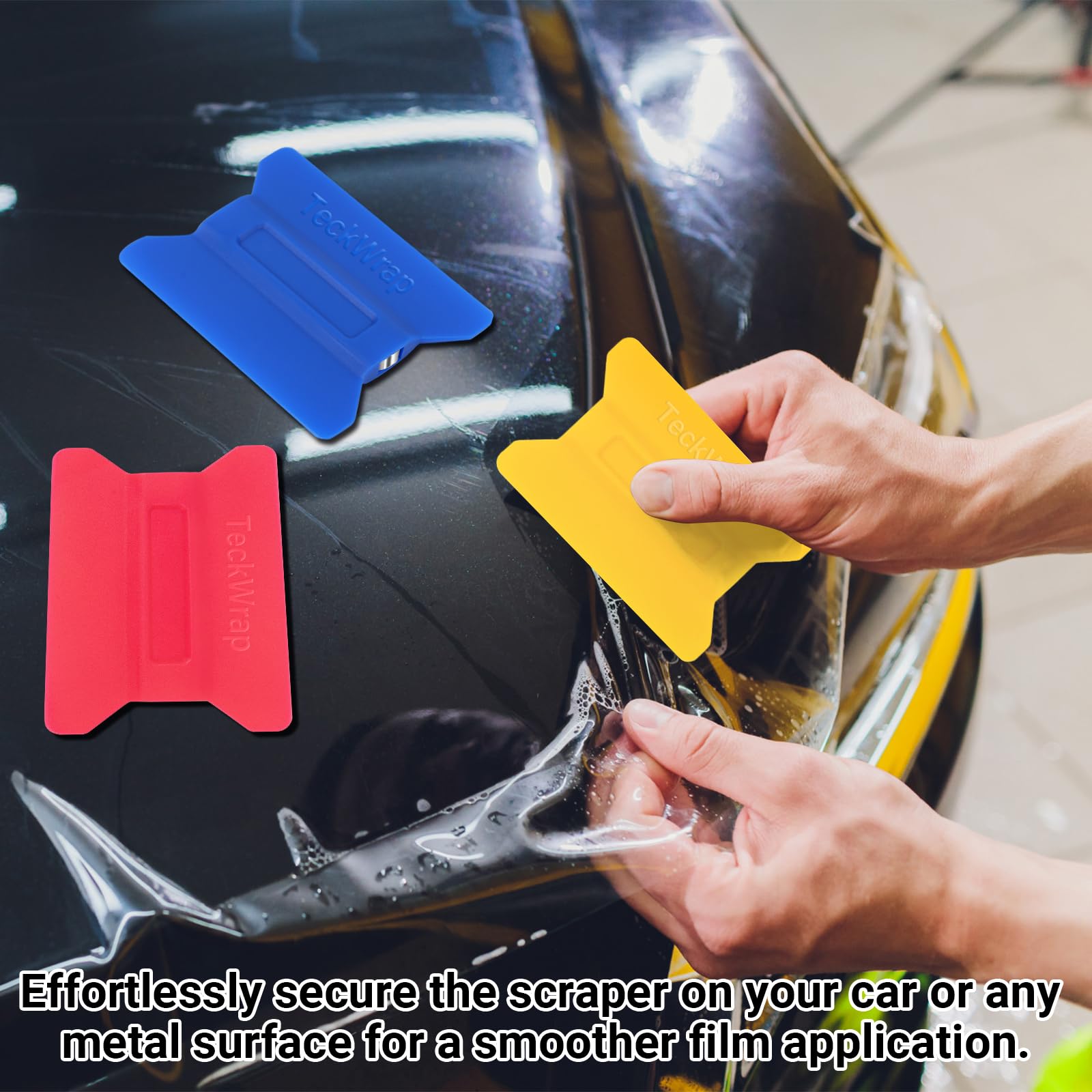
A heat gun softens the vinyl, making it easier to wrap around corners. Heat activates the adhesive and helps vinyl stretch without wrinkling. Use a squeegee to smooth out air bubbles and press the vinyl firmly onto the surface. Choose a squeegee with a soft edge to avoid scratching the vinyl.
Protective Gear
Protective gear keeps you safe and ensures a better result. Gloves prevent fingerprints and dirt from sticking to the vinyl. Safety glasses shield your eyes from sharp tools and hot air from the heat gun. Wear long sleeves to avoid burns and cuts during the process.
Credit: wmtuckerexcavating.com
Measuring And Cutting Vinyl
Measuring and cutting vinyl correctly is key to a smooth corner wrap. This step sets the stage for a clean, professional look. Precise measurements help avoid waste and ensure the vinyl fits perfectly.
Cutting the vinyl for corners takes care and skill. The right technique prevents wrinkles and bubbles. Planning the cuts allows the vinyl to stretch and bend without damage.
Accurate Measurements
Start by measuring the corner area carefully. Use a tape measure and record the height and width. Add a little extra length for safety. Double-check the numbers before cutting. Accurate measurements save time and vinyl.
Cutting For Corners
Mark the vinyl with a pencil or masking tape. Plan cuts to help the vinyl fold around edges smoothly. Cut small slits or angles near the corner. Avoid deep cuts that can tear the material. Cut slowly and steadily for control.
Allowing For Stretch
Vinyl wraps stretch slightly around curves and corners. Leave extra material to pull and shape the wrap. Stretch gently to avoid damage or distortion. This flexibility helps the vinyl stick firmly. Proper allowance prevents bubbles and wrinkles.
Applying The Vinyl Wrap
Applying the vinyl wrap on a corner needs care and patience. The process ensures the vinyl sticks well and looks smooth. The right technique avoids wrinkles and bubbles. Follow these steps to handle the wrap properly.
Starting At The Corner
Begin by aligning the vinyl at the corner’s edge. Make sure the vinyl covers both sides equally. Press the vinyl lightly to hold it in place. Avoid stretching the vinyl at this stage. Use your fingers to smooth out any air pockets near the corner.
Using Heat For Flexibility
Use a heat gun or hairdryer to warm the vinyl gently. Warm vinyl becomes soft and easier to bend. Heat helps the vinyl wrap around tight curves without tearing. Keep the heat moving to avoid damage. Test the temperature on a small vinyl piece first.
Stretching And Smoothing
Stretch the vinyl slowly to fit the corner shape. Use a squeegee or soft cloth to smooth the surface. Push air bubbles out towards the edges carefully. Do not over-stretch the vinyl; it can lose its shape. Work in small sections for the best result.

Credit: www.youtube.com
Handling Common Challenges
Vinyl wrapping a corner can be tricky. It often comes with challenges that can affect the final look. Knowing how to handle these problems helps make the wrap smooth and neat. The following tips cover common issues and how to fix them.
Avoiding Air Bubbles
Air bubbles appear when air gets trapped under the vinyl. Use a squeegee to press the vinyl down from the center outwards. Work slowly to push air out. Small bubbles can be popped with a pin and smoothed out. Heat the vinyl gently to make it more flexible and easier to apply.
Managing Wrinkles
Wrinkles happen when the vinyl folds or stretches unevenly. Apply heat to soften the vinyl before stretching it over the corner. Pull the vinyl gently and keep it taut but not too tight. Use a squeegee to smooth wrinkles as you go. If wrinkles appear, lift the vinyl slowly and reapply it carefully.
Fixing Tears And Gaps
Tears occur if the vinyl stretches too much or is cut wrong. Small tears can be patched from behind with extra vinyl. Gaps happen if the vinyl is too short or not aligned well. Cut a new piece slightly larger and overlap the edges. Use heat to blend the seams and press firmly for a clean finish.
Finishing Touches
The finishing touches are key to a smooth, neat vinyl wrap on a corner. This step ensures the wrap looks professional and lasts longer. Proper care during these final stages protects the vinyl from peeling or lifting.
Trimming Excess Vinyl
Start by carefully trimming any extra vinyl. Use a sharp blade for clean cuts. Cut close to the edge but avoid cutting the surface beneath. Take your time to prevent mistakes. Small, precise cuts create a tidy finish.
Sealing Edges
Seal the edges with heat or adhesive. Heat softens the vinyl, helping it stick better to curves and corners. Use a heat gun at low settings to avoid damage. Press the edges firmly to secure the wrap. This step stops dirt and water from getting under the vinyl.
Curing Time
Allow the vinyl to cure for at least 24 hours. This lets the adhesive set fully. Avoid touching or washing the wrapped area during this time. Curing ensures the wrap stays smooth and strong. Patience here improves the overall durability.
Maintenance Tips
Maintaining your vinyl wrap, especially on corners, keeps it looking fresh and new. Proper care helps avoid peeling, fading, or dirt buildup. Follow simple steps to protect your wrap and extend its life.
Cleaning Wrapped Surfaces
Use a soft cloth or sponge for cleaning. Avoid harsh brushes that can scratch the vinyl. Clean with mild soap and water only. Rinse well to remove all soap. Dry the surface with a microfiber towel to prevent water spots.
Preventing Damage
Keep the wrapped area away from sharp objects. Avoid parking near bushes or trees with rough branches. Do not use abrasive cleaners or solvents. Be gentle when washing the corners to stop lifting. Avoid pressure washers close to edges.
Longevity Tips
Park in shaded areas to reduce sun damage. Apply a vinyl protectant every few months. Check edges regularly for lifting or bubbles. Fix small issues quickly to stop bigger problems. Store vehicles indoors when not in use for long times.

Credit: teckwrap.com
Frequently Asked Questions
How Do I Prepare A Corner For Vinyl Wrapping?
Clean the corner thoroughly with rubbing alcohol to remove dirt and oils. Ensure the surface is dry and smooth. Remove any old adhesive or debris. Proper preparation ensures better vinyl adhesion and a smooth finish on corners.
What Tools Are Needed For Vinyl Wrapping Corners?
You need a heat gun, squeegee, sharp utility knife, and gloves. These tools help stretch, smooth, and trim the vinyl accurately. Using the right tools prevents damage and ensures a professional-looking wrap on corners.
How To Avoid Bubbles When Wrapping Vinyl Corners?
Apply vinyl slowly while heating the corner with a heat gun. Use a squeegee to press out air bubbles from the center outward. Proper heating and smoothing reduce bubbles and wrinkles for a clean corner wrap.
Can I Wrap Sharp Corners With Vinyl?
Yes, but sharp corners require extra heat and careful stretching. Heat softens the vinyl, making it flexible to conform without tearing. Take your time to avoid cracks and achieve a seamless wrap on sharp corners.
Conclusion
Vinyl wrapping a corner takes patience and careful work. Smooth out bubbles and wrinkles slowly. Use heat to help the vinyl bend and stick well. Trim edges neatly for a clean look. Practice helps you get better every time. Small mistakes can be fixed with gentle lifting.
Enjoy the fresh, new look you create. Keep tools handy for quick fixes. Your project will look great with steady hands. Vinyl wrap corners with confidence and care.


