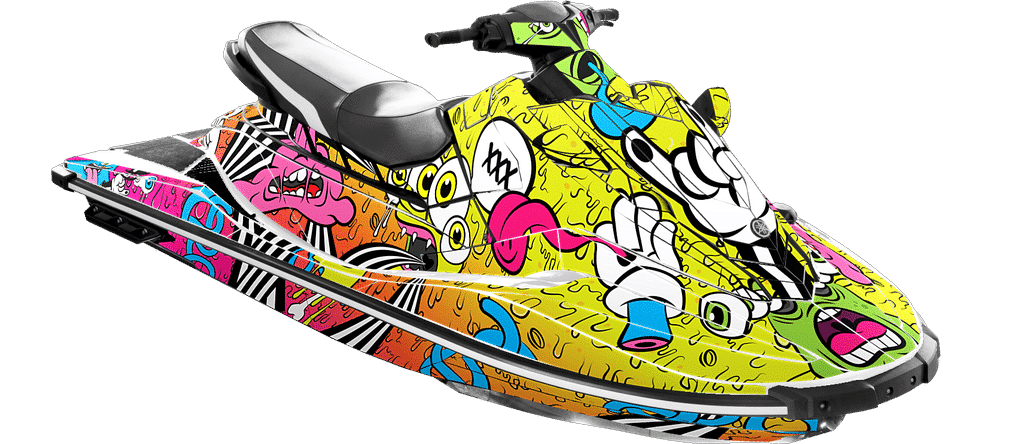
Looking to give your jet ski a fresh, eye-catching look? Vinyl wrapping is an affordable and creative way to transform your watercraft without the high cost of a custom paint job.
But how exactly do you vinyl wrap a jet ski so it looks smooth, lasts long, and stands out on the water? In this guide, you’ll discover simple, step-by-step tips to help you achieve a professional finish—even if you’ve never tried vinyl wrapping before.
Ready to make your jet ski truly yours? Keep reading, and you’ll learn everything you need to know to get started today.
Choosing Vinyl Wrap Material
Choosing the right vinyl wrap material is a key step in wrapping your jet ski. The material affects the look, feel, and durability of the wrap. Picking a good vinyl wrap helps protect your jet ski and makes it stand out on the water. Knowing the types, colors, and strength of vinyl wraps guides your choice.
Types Of Vinyl Wraps
There are several types of vinyl wraps. Cast vinyl is thin and flexible. It fits curves and edges well. Calendered vinyl is thicker and less flexible. It suits flat surfaces better. Air-release vinyl has tiny channels to let air out. This feature helps avoid bubbles during application. Choose a type that fits your jet ski’s shape and use.
Color And Finish Options
Vinyl wraps come in many colors and finishes. Glossy wraps shine and look new. Matte wraps have no shine and a smooth feel. Satin finishes give a soft shine. Metallic wraps add sparkle. Carbon fiber wraps offer a textured look. Pick a color and finish that match your style and taste.
Durability Considerations
Durability matters for a jet ski wrap. Water, sun, and salt can damage vinyl. Cast vinyl usually lasts longer than calendered. Look for vinyl with UV protection to resist fading. Some wraps have extra coatings to fight scratches. Choose a durable vinyl to keep your jet ski looking good longer.
Preparing The Jet Ski Surface
Preparing the jet ski surface is the first key step in the vinyl wrapping process. A clean and smooth surface helps the vinyl stick well. It also prevents bubbles and wrinkles.
Before applying the wrap, ensure the jet ski is free from dirt, grease, and old stickers. Fix any rough spots to get a perfect finish.
Cleaning And Degreasing
Start by washing the jet ski with soap and water. Remove all dirt and grime. Rinse thoroughly and dry with a clean cloth.
Use a degreaser to wipe down the surface. This removes oils and residues that stop vinyl from sticking properly. Use a lint-free cloth for best results.
Removing Old Stickers And Debris
Peel off any old stickers or decals gently. Use a plastic scraper if needed. Avoid metal tools that can scratch the surface.
Remove leftover adhesive using an adhesive remover or rubbing alcohol. Make sure no sticky bits remain. The surface must be smooth and clean.
Sanding And Smoothing Imperfections
Check the jet ski for scratches, bumps, or rough patches. Lightly sand these areas with fine-grit sandpaper.
Sand until the surface feels even. Wipe away dust with a damp cloth. Let the surface dry completely before wrapping.
Tools And Supplies Needed
Preparing to vinyl wrap a jet ski requires the right tools and supplies. These tools help make the wrap smooth and long-lasting. Having the right equipment saves time and avoids mistakes. Below is a list of important items you will need to complete the job.
Essential Wrapping Tools
Start with a clean workspace and gather your essential tools. You need a sharp utility knife to cut the vinyl precisely. A measuring tape helps to size the vinyl correctly. Use a plastic scraper to remove air bubbles and smooth the wrap. A surface cleaner removes dirt and oils before wrapping. These basic tools form the foundation of a good wrap job.
Heat Guns And Squeegees
A heat gun softens the vinyl so it bends around curves easily. It helps the vinyl stick better to the jet ski’s surface. Use the heat gun with care to avoid damage. Squeegees push out air bubbles and wrinkles for a neat finish. Different sizes of squeegees help reach tight spots and large flat areas.
Safety Gear
Protect yourself while working with vinyl and tools. Gloves keep your hands safe from cuts and heat. Safety glasses shield your eyes from flying debris. Work in a well-ventilated space to avoid inhaling fumes. Safety gear helps you work confidently and avoid injuries.
Credit: antunagraphics.com
Cutting And Measuring Vinyl
Cutting and measuring vinyl is a key step in wrapping your jet ski. It helps ensure the vinyl fits well and looks smooth. Mistakes here can cause wrinkles or gaps. Take your time and be precise for the best results.
Accurate Measurement Techniques
Start by cleaning the jet ski surface. Use a soft cloth to remove dirt and dust. Use a flexible tape measure for curved areas. Measure length, width, and height carefully. Write down all measurements clearly. Double-check measurements before cutting the vinyl.
Marking And Cutting Tips
Lay the vinyl flat on a clean surface. Use a pencil or chalk to mark measurements. Avoid sharp markers that may damage the vinyl. Cut slowly with a sharp utility knife or scissors. Use a straight edge for clean cuts. Cut slightly outside the marks to be safe.
Allowing For Overlaps And Seams
Leave extra vinyl around edges for overlaps. Overlaps help the vinyl stick better and avoid peeling. Plan where seams will go to keep them hidden. Cut vinyl pieces with a small overlap of 1-2 inches. Overlap areas will be easier to smooth and trim later.
Applying The Vinyl Wrap
Applying the vinyl wrap to your jet ski is a careful process. It needs patience and steady hands. This step brings your design to life and protects the jet ski’s surface. Follow these steps for a smooth, clean finish.
Positioning The Vinyl
Start by placing the vinyl on the jet ski without removing the backing. Check the alignment carefully. Make sure the design fits the shape and size perfectly. Use magnets or tape to hold the vinyl in place. This helps avoid mistakes before you stick it down.
Using Heat To Conform Curves
Jet skis have many curves and edges. Use a heat gun or hairdryer to warm the vinyl gently. Heat makes the vinyl soft and flexible. Slowly stretch the vinyl over curves, shaping it to fit. Keep the heat moving to avoid damage. Let the vinyl cool to keep its shape.
Smoothing Out Bubbles And Wrinkles
Use a squeegee or soft cloth to smooth the vinyl. Start from the center and push outwards. This removes air bubbles and wrinkles. Work slowly and carefully. Small bubbles can be pierced with a pin and flattened. Take your time for a perfect, smooth surface.

Credit: www.superiorautodesign.com
Handling Edges And Seams
Handling edges and seams is a critical part of vinyl wrapping your jet ski. Proper care here ensures a smooth, clean finish. It also helps the wrap last longer and resist damage from water and sun. Focus on trimming, sealing, and shaping the vinyl around curves and corners for the best result.
Trimming Excess Vinyl
Start by cutting away extra vinyl carefully. Use a sharp blade to avoid tearing. Trim close to the edge, but leave a small margin. This margin allows you to stretch the vinyl over curves. Take your time. Rushed cuts can ruin the wrap.
Sealing Edges For Longevity
Seal the edges well to stop water from getting under the vinyl. Press down firmly with a squeegee or your fingers. Use heat from a heat gun to soften the vinyl. This helps it stick better around edges. Check all seams and corners to ensure no air bubbles remain.
Dealing With Complex Shapes
Jet skis have many curves and tight spots. Gently stretch the vinyl to follow these shapes. Use heat to make the vinyl more flexible. Work slowly, smoothing out wrinkles as you go. For tight curves, cut small slits in the vinyl. This helps the wrap fit better without bulges.
Finishing Touches
Finishing touches give your jet ski wrap a clean, professional look. This step ensures the vinyl lasts longer and looks smooth. Pay close attention here to avoid peeling or bubbles later.
Final Heat Treatment
Use a heat gun to gently warm the wrapped areas. Heat softens the vinyl, helping it stick better to curves and edges. Move the heat gun in slow, even strokes to avoid damage. Focus on corners and seams for a tight finish.
Inspecting For Flaws
Check the entire wrap carefully under good light. Look for air bubbles, wrinkles, or lifting edges. Use a pin to prick tiny bubbles and press the vinyl flat. Smooth out any wrinkles with a soft cloth or squeegee. Fixing flaws now prevents bigger problems later.
Curing Time And Aftercare
Let the vinyl cure for at least 24 hours before using the jet ski. Keep it in a shaded, dry place during this time. Avoid washing the jet ski for a few days to protect the vinyl. Use mild soap and water for cleaning. Avoid strong chemicals or abrasive tools.

Credit: www.youtube.com
Common Mistakes To Avoid
Vinyl wrapping a jet ski requires patience and care. Many beginners make simple mistakes that affect the final look. Avoiding these errors saves time and money. Focus on the right steps to get a smooth, lasting finish.
Rushing The Process
Applying vinyl too fast causes bubbles and wrinkles. Take your time to smooth each section carefully. Work in small areas to control the vinyl better. Slow and steady wins the race.
Skipping Surface Preparation
Dirt and grease stop vinyl from sticking well. Clean the jet ski surface thoroughly before wrapping. Use soap and water, then dry completely. A clean surface ensures strong adhesion and a neat finish.
Incorrect Heat Application
Heat helps vinyl stretch and stick. Too much heat can damage the vinyl or jet ski paint. Too little heat makes the vinyl stiff and hard to shape. Use a heat gun on low to medium setting. Move the heat source evenly over the vinyl.
Maintaining Your Vinyl Wrap
Maintaining your vinyl wrap keeps your jet ski looking fresh and new. Proper care extends the life of the wrap. It also protects your investment from wear and tear. Simple steps help avoid fading, peeling, or damage. Follow these tips to keep your jet ski vibrant and clean.
Cleaning Tips
Use a soft cloth or sponge for cleaning. Avoid harsh brushes that can scratch the wrap. Rinse with fresh water after each ride to remove salt and dirt. Use mild soap if needed. Do not use strong chemicals or solvents. Dry the surface with a clean towel to prevent water spots.
Protecting From Sun Damage
Park your jet ski in the shade when not in use. Sun causes colors to fade over time. Apply a UV protectant spray made for vinyl wraps. It forms a barrier against harmful rays. Regularly reapply the protectant for best results. Cover your jet ski with a breathable cover for extra protection.
Repairing Minor Damage
Small scratches and chips can be fixed easily. Use a vinyl repair kit to touch up damages. Clean the area before applying any repair solution. Follow the kit instructions carefully for best results. For peeling edges, gently lift and reapply with heat. Replace the wrap only if damage is severe.
Frequently Asked Questions
How Long Does Vinyl Wrap Last On A Jet Ski?
Vinyl wrap on a jet ski typically lasts 5 to 7 years. Proper installation and maintenance extend its life. Avoid harsh chemicals and direct sun exposure to preserve the wrap’s quality.
Can I Vinyl Wrap A Jet Ski Myself?
Yes, you can vinyl wrap a jet ski yourself. It requires patience, the right tools, and careful surface preparation. Watching tutorials and practicing on small areas helps achieve better results.
What Materials Are Best For Jet Ski Vinyl Wrap?
High-quality cast vinyl with UV protection is best for jet ski wraps. It is durable, flexible, and resists water and sun damage, ensuring long-lasting performance in marine environments.
Do I Need To Remove The Old Wrap Before Applying New Vinyl?
Yes, removing the old wrap is essential before applying new vinyl. It ensures a smooth surface for better adhesion and prevents bubbles or peeling. Use heat and adhesive remover carefully to avoid damage.
Conclusion
Vinyl wrapping a jet ski adds style and protection. Careful preparation and patience ensure smooth results. Use the right tools and clean the surface well. Work slowly to avoid bubbles or wrinkles. Take your time with curves and edges. A well-done wrap lasts long and looks great.
Enjoy the fresh look on your jet ski. Try this project to personalize your ride today.