Want to make your car shine like new without spending hours scrubbing? Washing your car with a pressure washer can save you time and give your ride a deep, sparkling clean.
But using a pressure washer the wrong way can cause damage. If you want to learn the exact steps to wash your car safely and effectively, keep reading. This guide will show you how to get the best results, protect your paint, and enjoy a spotless finish every time.
Ready to transform your car wash routine? Let’s dive in!
Choosing The Right Pressure Washer
Choosing the right pressure washer is key to washing your car safely and effectively. The wrong machine can damage your paint or waste water. Pick a pressure washer that fits your car’s needs. Consider power, size, and features before buying. This helps to clean well without harm.
Types Of Pressure Washers
Electric pressure washers are quiet and light. They are good for small jobs and home use. Gas pressure washers are stronger and work for big jobs. They are heavier and louder but provide more power. For cars, electric models usually work best. They offer enough pressure without risk of damage.
Ideal Pressure Settings For Cars
Car paint needs gentle cleaning. Pressure between 1200 and 1900 PSI is safe. Too much pressure can chip paint or dent metal. Use lower pressure for older cars or delicate paint. Always test on a small area first. Keep the spray nozzle at least 12 inches from the surface.
Essential Attachments And Nozzles
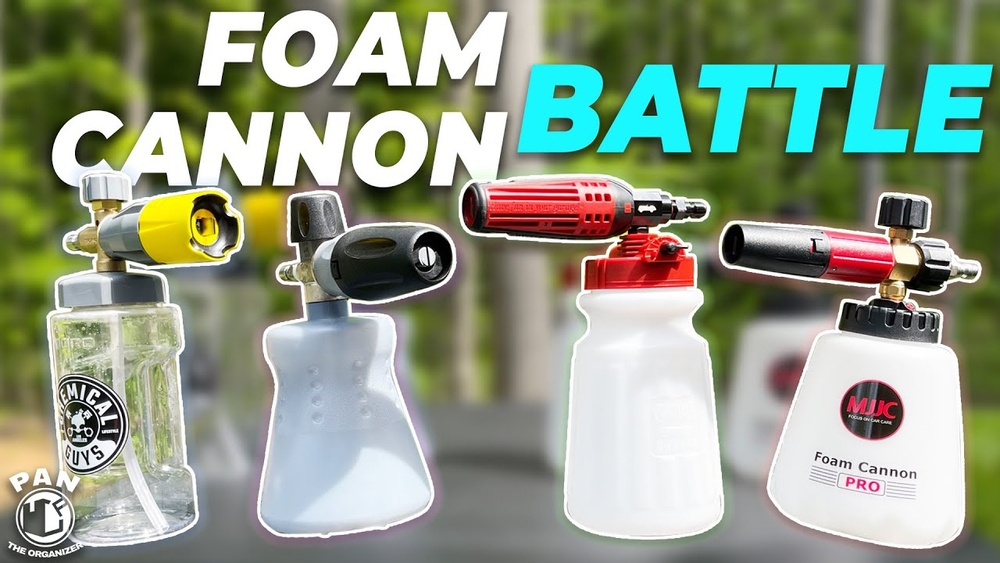
Choose nozzles that spread water widely. A 25-degree nozzle is perfect for cars. It cleans well without focusing too much pressure. Foam cannon attachments help apply soap evenly. They make washing easier and protect the paint. Avoid zero-degree nozzles; they are too strong for cars.
Credit: www.turtlewax.com
Preparing Your Car And Workspace
Preparing your car and workspace is the first step to a safe, effective wash with a pressure washer. Taking time now helps avoid damage to your vehicle and surroundings. It also makes the cleaning process smoother and faster.
Clearing The Area Around The Car
Remove any objects close to your car. Toys, garden tools, and furniture can get in the way. Clear enough space to move around freely. This prevents accidents and damage to items nearby.
Protecting Sensitive Parts
Cover parts that water could harm, like air vents and electrical components. Use plastic bags or waterproof tape for protection. Avoid spraying directly on these areas to stop water damage.
Pre-rinse To Remove Loose Dirt
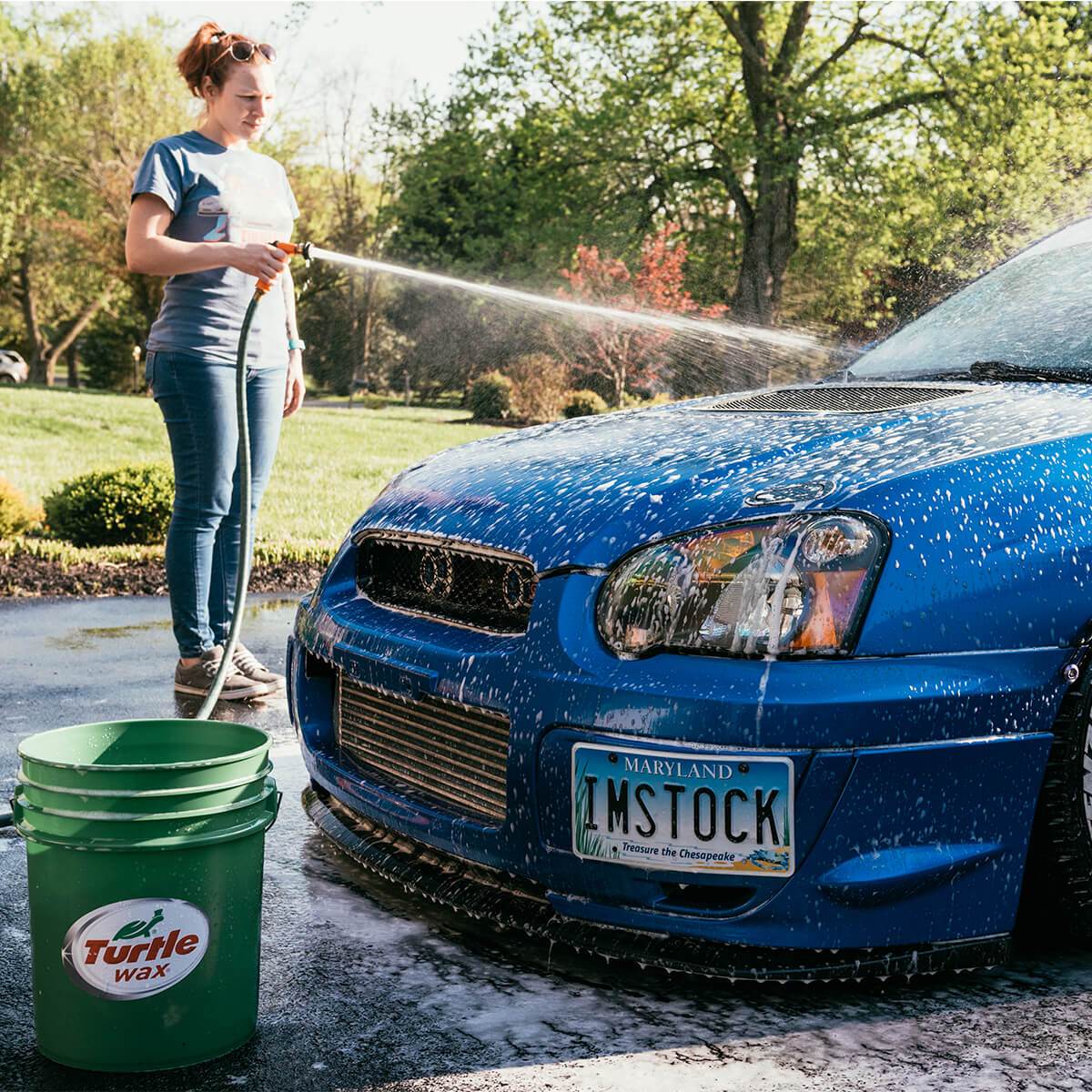
Start by rinsing your car with low-pressure water. This removes loose dirt and dust on the surface. It stops dirt from scratching the paint during washing. Work from top to bottom for best results.
Selecting The Best Cleaning Products
Choosing the right cleaning products is key to washing your car with a pressure washer. The products must clean well without harming the paint or finish. Picking safe and effective detergents makes the job easier and protects your vehicle. Understanding the options helps you select the best tools for a spotless car.
Car-friendly Detergents
Use detergents made for cars. These formulas remove dirt gently without stripping wax or paint. Avoid household cleaners that contain harsh chemicals. Car-friendly detergents help keep your car’s shine and protect its surface. Look for biodegradable and pH-balanced products for the best results.
Using Foam Cannons Or Soap Applicators
Foam cannons spread soap evenly on your car. They create thick foam that sticks to the surface. This foam loosens dirt and grime before rinsing. Soap applicators also help apply detergent quickly and efficiently. Both tools work well with pressure washers for a thorough clean.
Avoiding Harsh Chemicals
Harsh chemicals can damage your car’s paint and trim. Avoid products with bleach, ammonia, or strong acids. These substances may cause fading or corrosion. Stick to mild, car-safe cleaners. This keeps your vehicle looking fresh without risking harm.
Step-by-step Washing Process
Washing a car with a pressure washer is quick and effective. Follow a clear, step-by-step process to get the best results. This method saves water and removes dirt deeply. Each step helps protect the car’s paint while cleaning well.
Applying Soap With Pressure Washer
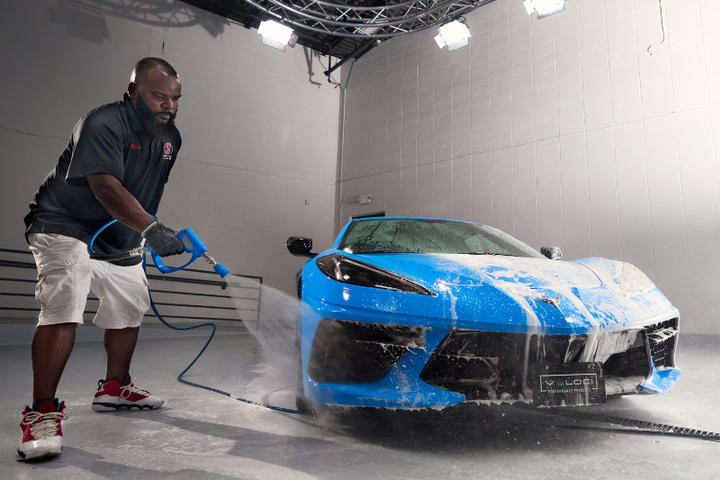
Start by filling the pressure washer’s soap tank with car wash soap. Use a foam cannon or soap nozzle for even coverage. Spray the soap from top to bottom. Let the soap sit for a few minutes. This loosens dirt and grime. Avoid letting the soap dry on the surface.
Gentle Rinsing Techniques
Switch to a low-pressure nozzle for rinsing. Rinse from top to bottom to wash away soap and dirt. Keep the nozzle at least 12 inches from the car. Use smooth, sweeping motions. Avoid spraying water directly into sensitive areas like mirrors or door seals.
Spot Cleaning Stubborn Areas
Check for tough spots like bug stains or bird droppings. Spray soap directly on these spots. Use a soft brush or microfiber cloth to scrub gently. Rinse the area again with low pressure. Repeat if needed but avoid harsh scrubbing that can damage paint.
Drying And Finishing Touches
After washing your car with a pressure washer, drying and finishing touches are very important. Water spots can damage your paint if left to dry on their own. A good drying process keeps your car looking clean and shiny. Finishing touches like waxing and cleaning wheels add extra care and protection.
Proper Drying Methods
Use a clean, soft microfiber towel to dry your car. Start from the top and work your way down. Avoid using regular towels that can scratch the paint. A leaf blower or air dryer works well to remove water from hard-to-reach areas. Pat the surface gently instead of rubbing. This reduces the risk of scratches and swirl marks.
Waxing And Polishing Tips
Apply wax after drying to protect your car’s paint. Wax adds shine and repels dirt and water. Use a small amount of wax on a foam applicator. Spread it evenly in circular motions. Let it dry to a haze, then buff with a clean microfiber cloth. Polishing removes minor scratches and restores shine. Use polish sparingly and only on areas that need it.
Cleaning Wheels And Tires
Wheels and tires collect the most dirt and brake dust. Use a wheel cleaner safe for your wheel type. Spray it on and let it sit for a few minutes. Scrub with a soft brush to remove grime. Rinse thoroughly with water from the pressure washer. Finish by applying tire dressing for a fresh, black look. This also protects the rubber from cracking.
Safety Tips And Common Mistakes
Washing a car with a pressure washer is quick and effective. Yet, it needs care and attention. Safety is important to protect your car and yourself. Avoid common mistakes that can cause damage or injury. Follow these tips for a safe and successful wash.
Avoiding Paint Damage
Strong water pressure can harm your car’s paint. Keep the pressure setting low or medium. Use a wide spray nozzle to spread the water. Do not hold the spray too close to the car. Move the nozzle in smooth, even motions.
Safe Distance And Angles
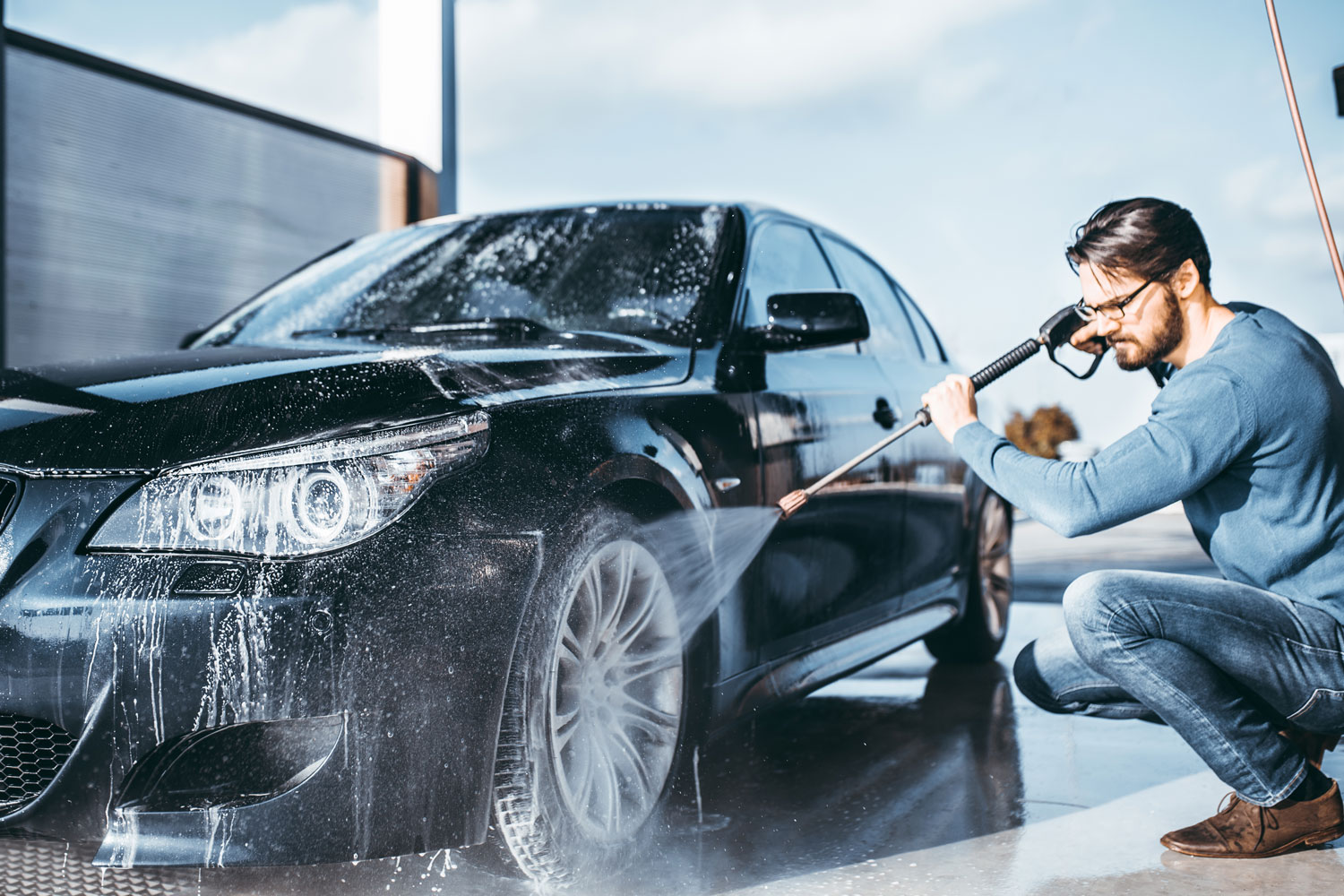
Maintain a safe distance of at least 12 inches from the car. Spray at a slight angle, not directly. This reduces the risk of water force pushing dirt into the paint. Avoid spraying windows or mirrors straight on. Angle the spray to let water flow off easily.
Handling Electrical Components
Keep the pressure washer away from electrical parts. Do not spray directly on lights or sensors. Cover sensitive areas with plastic wrap or cloth. Water can cause short circuits or damage. Always disconnect the car battery before washing if possible.
Maintenance Of Your Pressure Washer
Maintaining your pressure washer is key to keeping it in good shape. Regular care helps it last longer and work better every time. Simple steps can prevent damage and costly repairs. Clean and store your equipment properly. Watch for common problems and fix them early.
Cleaning After Use
Rinse the pressure washer with clean water after every use. Remove dirt and soap from the nozzle and hose. Wipe the machine with a dry cloth. Check the water filter and clean it to avoid blockages. This keeps the washer ready for the next job.
Storing Equipment Safely
Store your pressure washer in a dry, cool place. Avoid direct sunlight and moisture. Coil hoses neatly to stop kinks and cracks. Keep the spray gun and nozzles in a safe spot. Proper storage protects your equipment from damage and rust.
Troubleshooting Common Issues
Pressure loss can happen from clogged nozzles or filters. Clean or replace them quickly. If the motor won’t start, check the power supply and connections. Strange noises may mean a loose part or low oil. Fix small problems early to avoid bigger repairs.
Credit: www.mtmhydroparts.com
Credit: www.capitalone.com
Frequently Asked Questions
Can I Use A Pressure Washer On All Car Surfaces?
Yes, but use a low-pressure setting. Avoid direct spraying on delicate areas like mirrors and seals to prevent damage.
What Is The Best Pressure Washer Setting For Cars?
Use a pressure between 1200 to 1900 PSI. This range effectively cleans without harming your car’s paint or trim.
Should I Use Soap With A Pressure Washer?
Yes, use car-specific soap with a foam cannon. It helps loosen dirt and protects the paint during washing.
How Far Should The Pressure Washer Nozzle Be From The Car?
Keep the nozzle 12 to 18 inches away. This distance cleans well without causing paint chips or scratches.
Conclusion
Washing your car with a pressure washer saves time and effort. Use the right pressure to avoid damage. Always start from the top and work down. Rinse thoroughly to remove all soap and dirt. Dry the car to prevent water spots.
Regular washing keeps your car looking fresh and clean. A pressure washer makes the job easier and faster. Give your car the care it deserves with these simple steps.