

Want your car to shine like it just rolled off the showroom floor? Waxing your car the right way can make all the difference.
But if you’re not sure how to do it properly, you might end up with streaks, missed spots, or worse — damage to your paint. Don’t worry. This guide will show you how to wax a car like a pro, step by step.
By the time you finish reading, you’ll have the skills to give your car a smooth, glossy finish that turns heads everywhere you go. Ready to make your car look its absolute best? Let’s dive in.

Credit: www.youtube.com
Choosing The Right Wax
Choosing the right wax is key to a smooth, shiny car finish. The right wax protects your paint and makes the car look new. Not all waxes work the same. Picking the best one depends on your car’s needs and your skill level. This guide helps you find the perfect wax for your vehicle.
Types Of Car Wax
Car wax comes in several types. Paste wax offers long-lasting shine but takes more work. Liquid wax is easy to apply and quick to dry. Spray wax is fast and simple but may not last as long. Synthetic wax provides strong protection and a deep shine. Natural wax, like carnauba, gives a warm, rich glow.
Factors To Consider
Consider your car’s color when choosing wax. Dark colors need wax that hides swirl marks. Light colors benefit from wax that adds brightness. Think about how often you want to wax. Some waxes last longer but need more effort. Also, check your skill level. Beginners should pick easy-to-use waxes. Weather conditions matter too. Choose wax that suits your climate.
Recommended Products
For beginners, try liquid or spray wax like Meguiar’s Ultimate Liquid Wax. Paste waxes like Turtle Wax Super Hard Shell suit those with experience. Synthetic waxes such as Collinite 845 offer strong, lasting protection. For a natural shine, consider P21S Carnauba Wax. Always test wax on a small area first.
Preparing Your Car
Preparing your car is the first step to a smooth waxing process. A clean and smooth surface helps the wax stick better. This step protects your paint and gives a shiny finish. Take your time with preparation. It makes a big difference in results.
Washing And Drying
Start by washing your car with a gentle car shampoo. Use a soft sponge or mitt to avoid scratches. Rinse thoroughly to remove all soap. Dry the car with a clean microfiber towel. Avoid air drying to prevent water spots.
Removing Surface Contaminants
Use a clay bar to remove dirt stuck on the paint. This step removes tar, bugs, and tree sap. Rub the clay gently over the surface with lubricant. This leaves your paint feeling smooth and clean.
Inspecting For Imperfections
Look closely for scratches, swirl marks, or paint chips. Use good light to see all imperfections. Small scratches can be fixed before waxing. Fixing these improves the final shine and protection.
Tools And Materials Needed
Waxing a car requires the right tools and materials. Using proper items makes the job easier. It also helps protect your car’s paint and gives a smooth finish.
Gather everything before you start. This saves time and avoids mistakes. Here are the main tools you need for waxing like a pro.
Applicator Pads
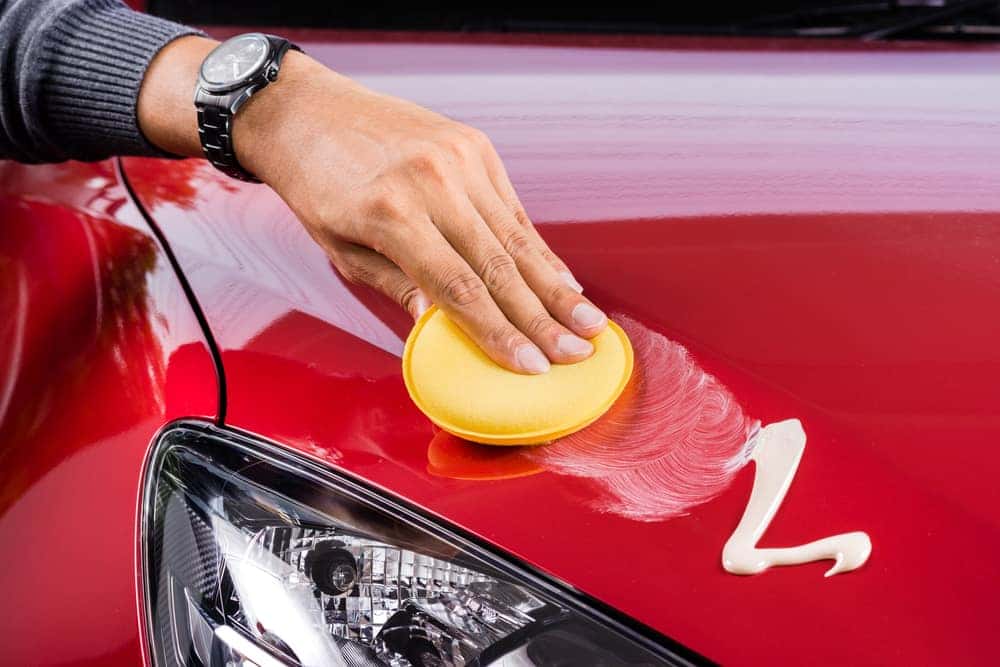
Applicator pads help spread wax evenly on your car. Choose soft foam or microfiber pads. They prevent scratches and allow smooth application. Use small circular motions for best results. Keep pads clean for a flawless finish.
Microfiber Towels
Microfiber towels remove excess wax without damaging paint. They absorb wax well and are gentle on surfaces. Use separate towels for applying and buffing. Wash towels often to keep them soft and effective.
Polishing Machines
Polishing machines speed up the waxing process. They provide even pressure and consistent motion. Use a dual-action polisher for beginners. Machines help remove old wax and polish paint quickly. Always follow the machine’s instructions for safety.

Credit: www.eagleridgegm.com
Applying Wax Properly
Applying wax properly is key to getting a smooth, shiny finish on your car. This step helps protect the paint and makes your car look great. Take your time and follow simple steps for best results.
Sectioning The Car
Divide your car into small parts before you start waxing. Work on one section at a time. This approach helps you cover every area evenly. It also stops the wax from drying too fast on the paint. Use your hands or a soft cloth to mark sections clearly.
Applying Thin Layers
Apply wax in thin, even layers. Thick layers take longer to dry and can leave streaks. Use a foam applicator or soft cloth to spread wax gently. Small circles or straight lines work well. Thin layers allow the wax to bond better with the paint.
Avoiding Common Mistakes
Don’t apply wax in direct sunlight or on a hot surface. This makes the wax dry too fast and hard to buff. Avoid using too much wax at once. It causes uneven coverage and waste. Never wax a dirty car. Dirt can scratch the paint during application.
Buffing And Polishing
Buffing and polishing are key steps to make a car’s surface shine. They remove tiny scratches and bring out the wax’s full effect. Doing these steps right gives a smooth, glossy finish that lasts longer.
Timing For Buffing
Wait until the wax feels dry but not too hard. This usually takes about 10 to 15 minutes. The wax should look hazy or cloudy. Buffing too soon can smear the wax. Buffing too late makes it hard to remove.
Techniques For A Smooth Finish
Use a clean, soft microfiber cloth to buff the car. Work in small sections using light, circular motions. Avoid pressing too hard to prevent scratches. Flip the cloth often to avoid spreading wax residue. Polishing gently brings out the shine without damage.
Using Buffing Machines
Buffing machines speed up the process and give even results. Choose a low speed to avoid heat build-up. Use a soft foam pad for waxing and polishing. Move the machine in slow, overlapping circles. Keep it moving to prevent burning the paint.
Maintaining The Shine
Keeping your car’s shine after waxing takes care and simple habits. A shiny car looks new and feels smooth to touch. It also protects the paint from damage. Regular care keeps the wax working well for a long time. Follow these easy steps to maintain your car’s shine like a pro.
Regular Cleaning Tips
Wash your car often using a gentle soap made for cars. Avoid harsh detergents that strip wax. Use a soft cloth or sponge to clean. Rinse well to remove all dirt and soap. Dry your car with a clean, soft towel to prevent water spots. Clean wheels and tires too; dirt here can spread to the paint.
Reapplying Wax
Wax does not last forever. It fades with rain, sun, and washing. Reapply wax every 2 to 3 months for best results. Use thin, even layers to avoid streaks or buildup. Allow wax to dry to a haze before buffing it off. Buff with a soft, clean cloth to bring out the shine. Regular waxing keeps the surface smooth and protected.
Protecting Against Elements
Park your car in shade or a garage to reduce sun damage. Sunlight can dull wax and fade paint. Cover your car if you expect rain or dust storms. Avoid parking under trees that drop sap or bird droppings. These can harm wax and paint quickly. Quick cleaning of spots helps keep the surface flawless.
Troubleshooting Common Issues
Waxing a car can sometimes bring small problems. These issues can spoil the shiny look you want. Knowing how to fix common problems helps keep your car looking great. This section shows easy ways to solve usual waxing troubles.
Wax Residue Removal
Wax residue looks like white or cloudy spots. It happens when wax stays on the surface too long. Use a soft microfiber cloth to wipe it off. Lightly spray a quick detailer or water to help. Rub gently in small circles until clear. Avoid harsh scrubbing to protect the paint.
Dealing With Streaks
Streaks appear as lines or marks on the paint. They happen if wax is not spread evenly. Use a clean microfiber cloth to buff the streaks out. Buff in gentle, circular motions until the streaks disappear. Work in shade or cool areas to avoid streaks. Thin layers of wax help reduce streaks too.
Fixing Uneven Shine
Uneven shine means some spots are shiny while others are dull. This happens if wax is applied unevenly or not buffed well. Apply a small amount of wax on dull spots. Buff with a clean cloth until shine matches the rest of the car. Work in small sections for even results. Repeat if needed for best shine.
Credit: www.toyotaofnorthcharlotte.com
Frequently Asked Questions
How Often Should I Wax My Car For Best Results?
Wax your car every 3 to 4 months for optimal protection. Frequent waxing maintains shine and shields paint from UV rays and dirt buildup.
What Type Of Wax Is Best For Beginners?
Carnauba wax is ideal for beginners. It’s easy to apply, offers a deep shine, and provides effective paint protection.
Can I Wax My Car In Direct Sunlight?
Avoid waxing your car in direct sunlight. Heat causes wax to dry too fast, making it hard to buff and leaving streaks.
How Long Does Car Wax Protection Last?
Wax protection typically lasts 2 to 3 months. Durability depends on weather, washing frequency, and the wax type used.
Conclusion
Waxing your car protects its paint and keeps it shiny. Take your time and work in small sections. Use clean cloths and quality wax for best results. Regular waxing helps your car look new longer. Practice makes perfect, so don’t rush.
Enjoy the smooth, glossy finish you create. Your car will thank you with a brighter shine and better protection.


