

Want your car to shine like new without spending hours by hand? Waxing your car with an orbital polisher is the secret to getting that smooth, glossy finish quickly and easily.
If you’ve ever struggled with streaks or uneven spots, this method will change the game for you. In this guide, you’ll learn exactly how to use an orbital polisher step-by-step, so your car looks flawless every time. Ready to save time and give your car a professional-level shine?
Keep reading to discover the simple tricks that make waxing effortless and effective.
Choosing The Right Orbital Polisher
Choosing the right orbital polisher makes waxing your car easier and better. The right tool helps you get a smooth, shiny finish without damage. This guide explains what to consider before buying an orbital polisher for waxing your car.
Types Of Orbital Polishers
There are two main types of orbital polishers: random orbit and dual action. Random orbit polishers move in a circular and elliptical pattern. This helps prevent swirl marks on the paint. Dual action polishers combine rotation and oscillation for a more aggressive polish. They suit experienced users for deeper paint correction. For waxing, random orbit polishers work well and are safer for beginners.
Key Features To Look For
Look for variable speed control to adjust the polishing speed. A comfortable grip reduces hand fatigue during use. Check for a soft start feature to avoid sudden jerks. A long power cord gives freedom to move around the car. Also, a lightweight design makes handling easier. These features improve your waxing experience and results.
Budget Considerations
Orbital polishers come in many price ranges. Basic models cost less and work well for occasional use. Higher-end polishers offer more power and features but cost more. Decide how often you will wax your car before buying. For casual use, a mid-range polisher balances quality and price. Avoid very cheap models as they may break or harm the paint.

Credit: www.turtlewax.com
Selecting The Best Wax
Selecting the best wax is key to a shiny and protected car surface. The right wax enhances the paint and lasts longer. It works well with your orbital polisher. Knowing different wax types helps in making a smart choice. This section explains wax types, compatibility with polishers, and tips for applying wax.
Types Of Car Wax
Car wax comes in several forms. Paste wax offers deep shine but takes more work. Liquid wax is easy to spread and dries fast. Spray wax is quick for touch-ups but less durable. Synthetic wax lasts longer than natural wax. Choose wax based on your time and desired finish.
Wax Compatibility With Orbital Polishers
Not all waxes suit orbital polishers. Some waxes clog the pad or smear. Use wax designed for machine application. Liquid and synthetic waxes often work best. Avoid thick pastes unless you have special pads. Check product labels for polisher compatibility.
Application Tips
Apply wax in small sections for even coverage. Use a soft foam or microfiber pad on the polisher. Keep the polisher speed low to avoid splatter. Let the wax haze slightly before buffing. Buff with a clean microfiber cloth for best results. Regular waxing keeps paint smooth and glossy.
Preparing Your Car
Preparing your car before waxing with an orbital polisher is a key step. It ensures the wax sticks well and the finish looks smooth. Clean and ready surfaces help the polisher work better and protect your paint.
Washing And Drying
Start by washing your car thoroughly. Use a car shampoo and a soft sponge or mitt. Remove all dirt, dust, and grime. Rinse well to avoid soap residue.
Dry the car with a clean microfiber towel. Avoid air drying to stop water spots. Make sure the surface is completely dry before moving on.
Removing Contaminants
Check for stubborn spots like tar, sap, or old wax. Use a clay bar or a specialized cleaner to remove them. This step makes the surface smooth and clean for waxing.
Work gently to avoid scratching the paint. Wipe off any residue after cleaning. The car surface should feel smooth to the touch.
Taping Sensitive Areas
Protect trim, rubber seals, and edges with painter’s tape. These parts can get damaged by the polisher or wax. Taping keeps these areas safe and clean.
Cover all parts you don’t want to polish or wax. Remove the tape carefully after finishing. This simple step prevents problems later.
Credit: www.youtube.com
Setting Up The Orbital Polisher
Setting up the orbital polisher correctly is key to a smooth waxing process. It prepares your tool for even wax application and helps protect your car’s paint. Taking time to set up ensures better results and avoids damage.
Attaching The Correct Pad
Choose a foam or microfiber pad made for waxing. Clean the pad before use to remove dust and debris. Attach the pad firmly to the polisher’s backing plate. Make sure it sits flat without wrinkles or gaps. This keeps the wax spread evenly across the surface.
Adjusting Speed Settings
Start with a low speed to control the wax application. Most orbital polishers have speed dials or switches. Increase speed only if needed for larger areas. Avoid high speeds that may cause overheating or splatter. Correct speed helps the wax bond well to the paint.
Safety Precautions
Wear gloves and safety glasses to protect skin and eyes. Work in a shaded, well-ventilated area to avoid heat and fumes. Check the power cord for damage before plugging in. Keep the polisher moving to prevent heat build-up and paint damage. Follow all manufacturer instructions closely.
Waxing Process Step-by-step
Waxing a car with an orbital polisher is a smart way to protect your paint and add shine. The process needs care and the right steps. Following a clear method helps get even and smooth results. Here is a simple step-by-step guide to waxing with an orbital polisher.
Applying Wax To The Pad
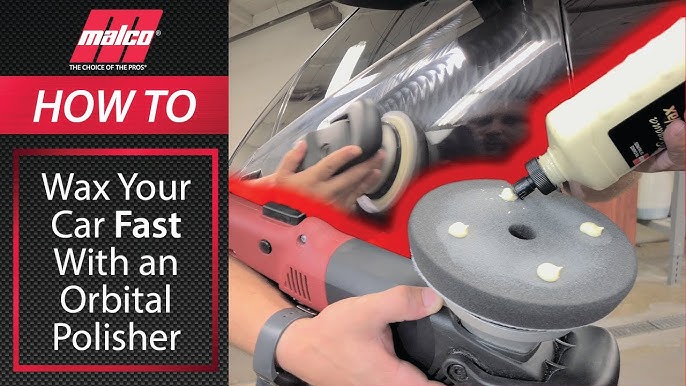
Start by placing a small amount of wax on the polishing pad. Use about four to six pea-sized drops. Spread the wax evenly on the pad surface. This helps avoid too much wax in one spot. It also prevents splatter during polishing.
Spreading Wax On Car Surface
Turn on the polisher at a low speed. Gently press the pad against the car paint. Move the polisher slowly to spread wax across the panel. Cover a small section at a time. Keep the wax layer thin and even.
Polishing Techniques
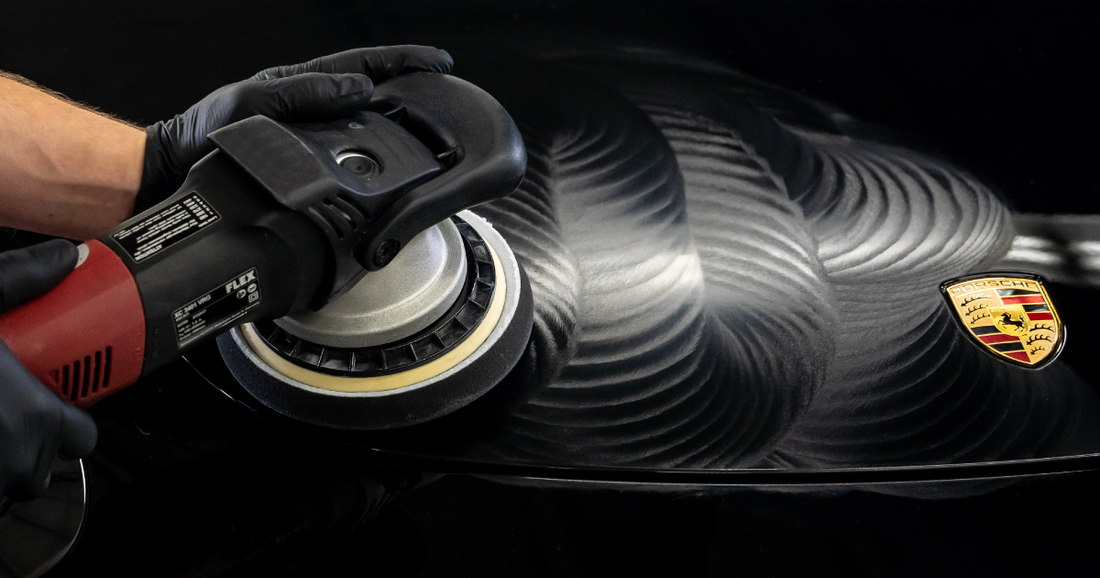
Increase the polisher speed to medium. Use slow, overlapping circles to polish the wax. Do not press too hard. Let the machine do the work. Keep the pad flat on the surface. This avoids swirl marks.
Working On Different Panels
Work on one panel fully before moving on. Start from the top panels, then move down. Use the same steps on doors, hood, and trunk. Change or clean the pad if wax builds up. This keeps the finish smooth and clean.
Credit: malcoautomotive.com
Finishing Touches
Finishing touches make your car shine like new. After waxing with an orbital polisher, these steps help you get the best results. They remove leftover wax, check for spots you missed, and add more wax if needed. Follow these simple steps for a smooth, glossy finish.
Buffing Off Residue
Use a clean microfiber cloth to buff off wax residue. Work gently in circular motions. This removes any leftover wax haze. The car’s surface will start to shine. Do not press too hard to avoid scratches. Take your time for the best shine.
Inspecting For Missed Spots
Check the car under bright light. Look for dull or hazy areas. These are spots you missed. Move your eyes slowly over the surface. Use your hand to feel for rough patches. Mark these areas to fix next. This step ensures a perfect finish.
Reapplying If Necessary
Apply a small amount of wax on missed spots. Use the orbital polisher at low speed. Spread the wax evenly without overdoing it. Let the wax dry slightly before buffing. Repeat buffing to blend the new wax. Your car will look smooth and shiny.
Maintaining Your Waxed Car
Keeping your car looking shiny and new after waxing takes some care. Proper maintenance helps the wax last longer and protects the paint. Small habits can keep your car’s surface smooth and glossy. Follow these tips to keep your wax job fresh and your car looking great.
Regular Washing Tips
Wash your car often to remove dirt and dust. Use a soft sponge or microfiber cloth to avoid scratches. Choose a gentle car shampoo made for waxed surfaces. Rinse well with clean water to remove all soap. Dry your car with a soft towel to prevent water spots.
Avoiding Harsh Chemicals
Stay away from strong cleaners or detergents. These chemicals can strip off the wax and damage paint. Use products labeled safe for waxed cars. Avoid using household cleaners or solvents on your car’s surface. Keeping chemicals gentle protects your wax and paint finish.
Touch-up Waxing
Apply a small amount of wax every few weeks. This keeps the shine and adds extra protection. Use a soft applicator pad and spread wax in thin layers. Let the wax dry, then buff with a clean cloth. Touch-up waxing keeps your car looking polished between full waxes.
Common Mistakes To Avoid
Waxing a car with an orbital polisher can give your vehicle a smooth, shiny finish. Avoid mistakes that can ruin your work or damage the paint. Learn the common errors to keep your car looking great.
Overapplying Wax
Applying too much wax wastes product and causes uneven layers. Thick wax can leave streaks and make buffing harder. Use a thin, even coat for the best results. Let the wax dry slightly before buffing with the polisher.
Using Incorrect Pads
Choosing the wrong pad can scratch or dull your paint. Soft foam pads work best for waxing. Avoid rough or dirty pads that can damage the surface. Clean pads regularly to keep them effective and safe for your car.
Ignoring Safety Measures
Not wearing gloves or eye protection risks injury. Work in a well-ventilated area to avoid fumes. Keep cords away from water and moving parts of the polisher. Follow manufacturer instructions to stay safe during waxing.
Frequently Asked Questions
What Is The Benefit Of Waxing With An Orbital Polisher?
Waxing with an orbital polisher provides even application and better shine. It reduces effort and ensures a smooth, streak-free finish. This method protects your car’s paint and enhances its durability against elements.
How Do I Prepare My Car Before Waxing?
Wash and dry your car thoroughly before waxing. Remove dirt, debris, and old wax residues. This preparation ensures the wax adheres properly and delivers optimal protection and shine.
Can I Use Any Wax With An Orbital Polisher?
Not all waxes suit orbital polishers. Use a wax designed for machine application. These waxes spread evenly and prevent buildup, ensuring a smooth, lasting finish on your car’s surface.
How Long Does Waxing With An Orbital Polisher Take?
Waxing with an orbital polisher usually takes 30 to 60 minutes. Time depends on your car size and experience. Proper technique speeds up the process and improves results.
Conclusion
Waxing your car with an orbital polisher protects the paint and adds shine. Take your time and work in small sections for the best results. Always use the right products and keep the polisher moving to avoid damage. Clean your car well before starting to get a smooth finish.
Regular waxing keeps your car looking newer for longer. Enjoy the satisfaction of a shiny, well-cared-for vehicle. Simple steps, great results—your car will thank you.

